Currently Viewing Posts Tagged infertility

Getting Pregnant after 30, 35 or even 40

Uncover all the information you need about getting pregnant at a late age

The relevance of age

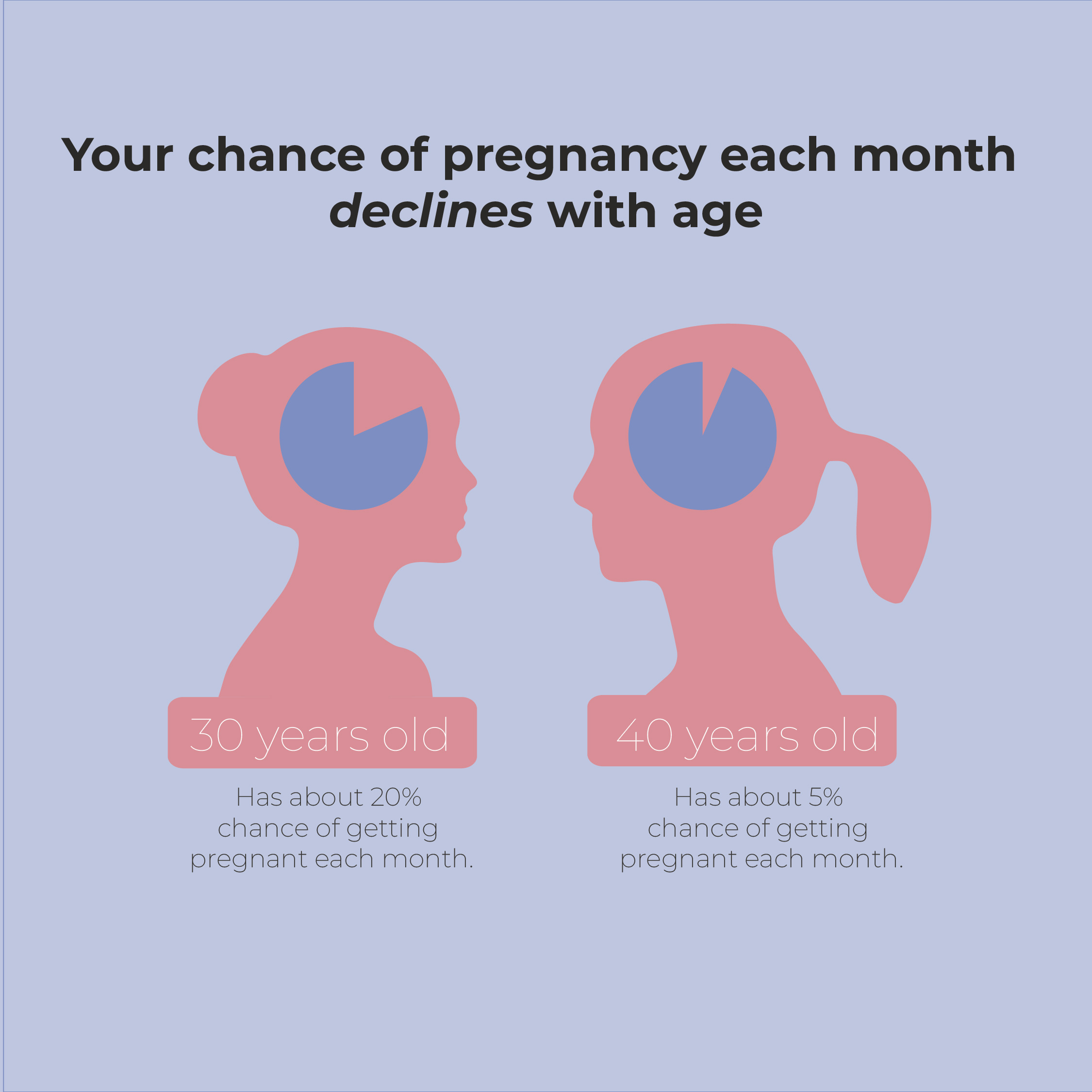
According to research over the last 40 years, a healthy 30 year old woman has about a 20% chance of getting pregnant each month. A healthy, ovulatory 40-year-old woman’s chance per month is 5% (1,6). The decline is slow and steady up until the age of about 35. After that the decline becomes steeper. These ranges and time frames have been established through multiple studies and have been consistent for the last 30+ years. Getting pregnant after 40 the decline in fertility is attributed to depletion of ovarian oocyte (eggs) reserve and is determined by genetic, environmental, and lifestyle factors.(2).

how to get pregnant after 40
How likely is to get pregnant at certain age

What makes it hard to get pregnant after 35 or 40?

Although your changes of getting pregnant after 35 or 40 are decreasing, there are good news. Age at conception does have bearing on time to pregnancy in a healthy, ovulatory woman. In general, fecundity (a woman’s physiological ability to have a child) is reported as age ranges because it is difficult to correlate a specific age to a specific chance of success. There are also factors that can affect reproductive aging. These include other medical conditions that can have an effect such as endometriosis, fibroids, genetic conditions (errors in number of chromosomes), environmental influences, obesity, smoking, thyroid gland dysfunction, history of sexually transmitted diseases (STDs), and ovulatory dysfunction, to name a few (2,3).

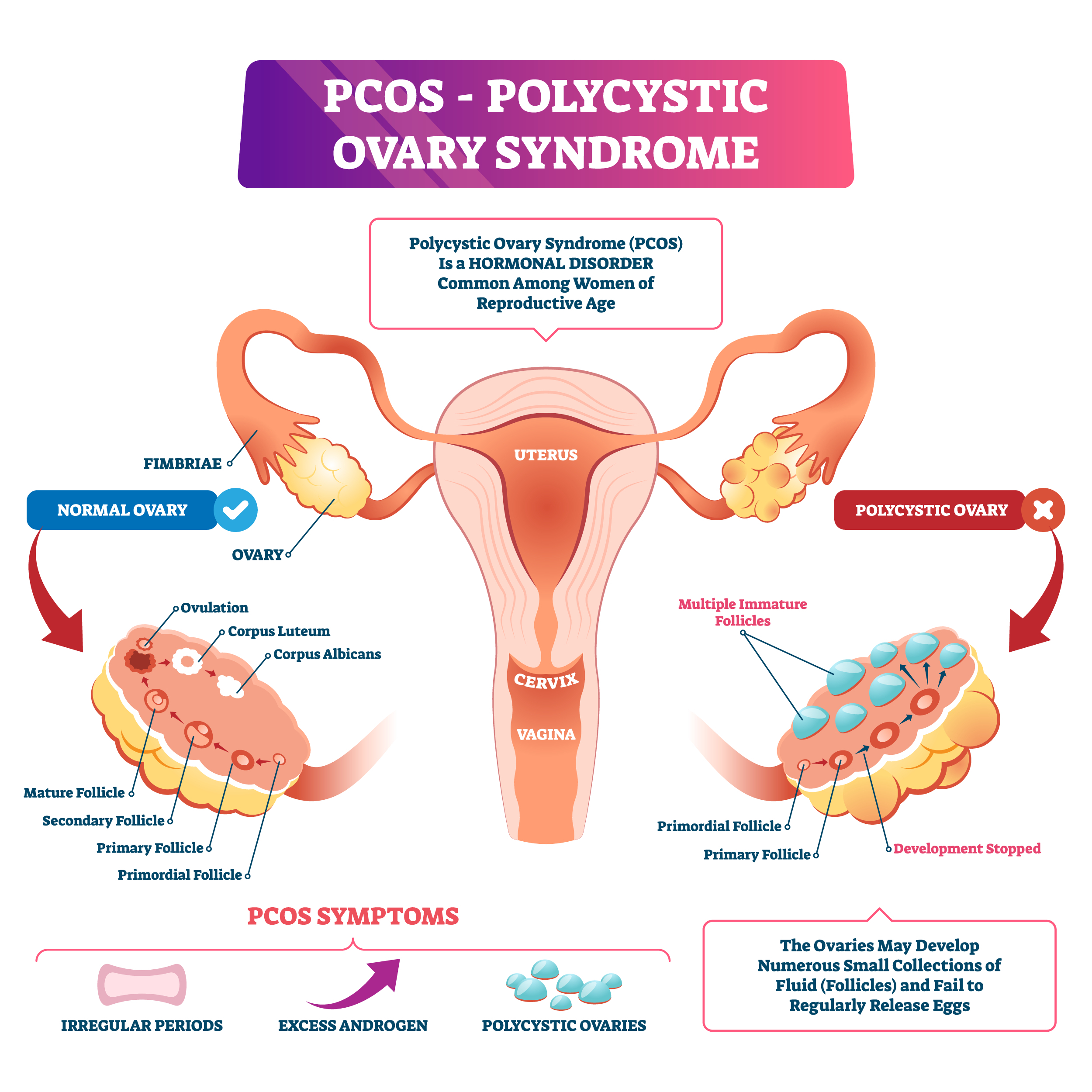
PCOS stands for Polycystic Ovarian Syndrome, it is the most common form of ovulatory ovarian dysfunction.  The pathology of PCOS makes ovulation irregular and unpredictable, making the timing of intercourse for conception difficult and mostly trying to get pregnant after 40.

There could also be issues with male fertility such as erectile dysfunction and sperm quality issues. Male evaluation initially consists of a semen analysis and potentially other endocrine blood testing to evaluate any severe sperm abnormality.

How can fertility specialist can help to conceive after 35 or 40?

Most of the factors other than extreme reproductive age are usually treatable. When you start you journey to get pregnant after 40, the first step is a comprehensive evaluation of both you and your partner (if applicable). We test your ovarian reserve to gauge likelihood of adequate number of eggs produced per cycle, prolactin levels since the elevated levels can affect regularity of ovulation, and PCOS testing. If there are any positive findings, we can offer prescription medications or supplements beneficial for conception (5).

There are supplements that both partners can take that have been shown to be beneficial for conception and getting pregnant after 40.  Lifestyle modification and diet changes (such as following the Mediterranean diet) can also positively impact your chances to get pregnant after 40. Controlling your stress and regular moderate exercise also confer benefits (3,4).

The journey

Getting pregnant after 40 years old, especially in the face of infertility challenges, is a complex and emotional journey that many individuals and couples find themselves navigating. The desire for parenthood does not diminish with age, and the longing to conceive and welcome a child into one’s life remains strong. While fertility may decline with age, it’s essential to acknowledge that getting pregnant after 40 is not impossible, and there are various avenues to explore on this remarkable path.

In the midst of infertility concerns, it is crucial to seek expert guidance and remain informed about the available options. Fertility treatments, such as in vitro fertilization (IVF) and the use of donor eggs, have proven to be successful for many individuals in their 40s, offering renewed hope and possibilities. Additionally, maintaining a healthy lifestyle, including a balanced diet, regular exercise, and stress management, can positively impact fertility, no matter one’s age.

Moreover, the relevance of emotional support cannot be overstated. The emotional toll of facing infertility and the challenges of getting pregnant after 40 can be overwhelming. Finding a support network, whether through friends, family, or support groups, is crucial in navigating the ups and downs of this journey.

Conclusion

In conclusion, while getting pregnant after 40 may present unique challenges, it is a goal within reach for many. Infertility should not be a deterrent, but rather a call to explore the many available options and seek professional advice. With perseverance, emotional support, and the right approach, individuals can overcome obstacles and realize their dreams of parenthood even at an age when conventional wisdom might suggest otherwise.

Please click the link below for a consultation with an experienced Reproductive Endocrinologist. You can also follow us on Facebook or return to our website for updated information about your fertility journey.

how to get pregnant after 40
Your subscription could not be saved. Please try again.
Your subscription has been successful.

Stay Informed

Subscribe to our newsletter to receive treatment updates

Understanding Your Menstrual Cycle

Menstrual Cycle

Learn everything you need to know about your menstrual cycle

Understanding Your Menstrual Cycle

Written By Fertility Cloud Specialist and Head Nurse Svetlana Izrailevsky, BSN, RN.

What is a menstrual cycle? 

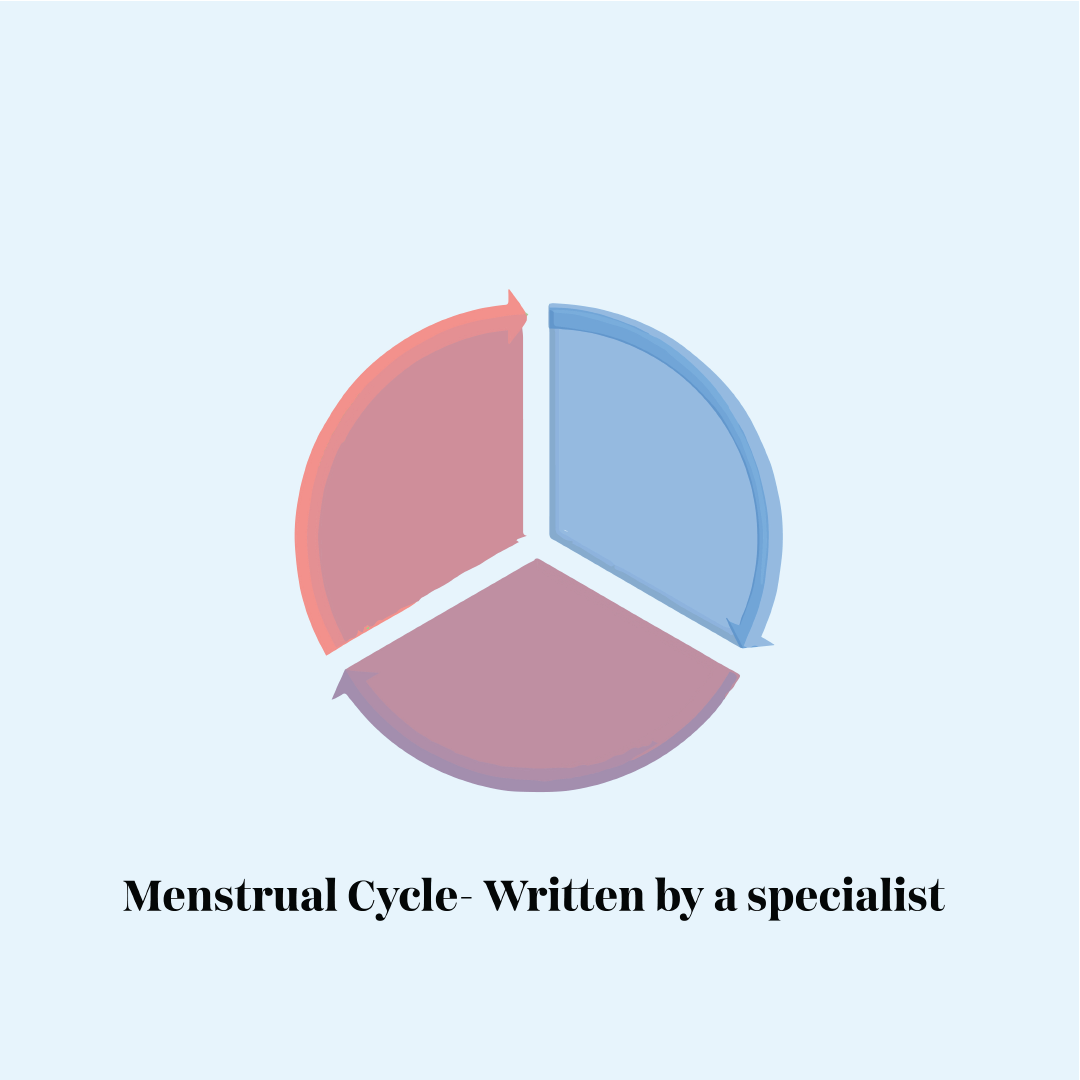
In reality, a menstrual cycle consists of 3 broad categories of cycles:  Ovarian (follicular) cycle, Endometrial lining cycle, and Cervical mucus development cycle.  It is important to understand that these cycles are taking place in tandem, and in relationship to each other.  That means that what happens in one of these cycles will affect the developments in the other ones.  

What is a Normal Cycle Length?

First, lets review the hormones involved in the menstrual cycle:

FSH – FSH helps control the menstrual cycle and stimulates the growth of eggs in the ovaries. FSH levels in women change throughout the menstrual cycle, with the highest levels happening just before an egg is released by the ovary. This is known as ovulation.

LH – LH helps control the menstrual cycle. It also triggers the release of an egg from the ovary. This is known as ovulation. LH levels quickly rise just before ovulation.

Estradiol, also called E2, is the main estrogen in nonpregnant females of childbearing age. It’s mostly made in the ovaries and is important for uterine lining development.

Progesterone is a hormone that’s made mainly by the ovaries. Each month, progesterone prepares your uterus for pregnancy. During a normal menstrual cycle, an ovary releases an egg and your progesterone levels begin to rise. Progesterone makes the lining of your uterus grow thicker so that a fertilized egg can attach (implant) inside of the uterus and grow into a baby. If you don’t become pregnant, your progesterone levels will fall. The lining of your uterus will become thinner again. When your uterus starts to get rid of the extra blood and tissue, your menstrual period will begin.  If you become pregnant, progesterone levels will continue to rise to about 10 times higher than usual to support the pregnancy.

3 main time frames of the cycle:

menstrual cycle
menstrual cycle
menstrual cycle
menstrual cycle
menstrual cycle
These different cycles communicate via hormone messengers. For example, when the egg inside the follicle is mature, it sends a signal to the pituitary gland via the increased levels of Estradiol hormone. This stimulates the rise in LH hormone levels which finishes the maturation of the egg and allows it to break out of the follicle–ovulate. At the same time, Progesterone level rises to support the uterine lining and the uterine lining undergoes a transformation where the receptors for the embryo become activated and stand ready.

The connection between different menstrual cycles

menstrual cycle

menstrual cycle

LET’S LOOK AT SOME COMMON QUESTIONS THAT COME UP

What is the best time to get pregnant during my cycle?

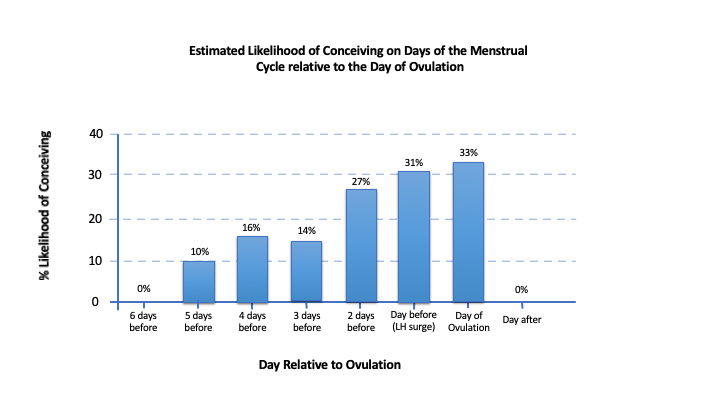
When we are speaking of a regular 28-30 day cycle, your fertility window is between cycle day 10-15.  We would recommend intercourse every other day starting on cycle day 10.  Once you note your LH surge by using ovulation predictor kits, you should have intercourse daily on the day of the LH peak/surge and the subsequent 2 days.  

Please remember that LH hormone stays elevated for a very short time, just about 24 hours so we do not recommend that you keep checking your LH after you see the peak.  

Male partners, if applicable, should do ejeculation every 2-3 days starting with your cycle day 1.  We would like to have the freshest sperm sample available for insemination.  Please do not hold off on regular ejaculation because that increases the number of dead and dying sperm in the sperm sample that will be produced for the insemination.

Wait!  What if my menstrual cycle is not regular?

For some patients, the cycles are regular and predictable, but long.  It is possible to have a regular ovulatory cycle with the overall length of 35 days, for example.  However, there are also women who have irregular ovulatory cycles due to ovarian dysfunction.  This dysfunction is usually related to improper hormone levels of Estradiol and FSH.

What does the follicle stimulating hormone (FSH) do again?

FSH – FSH helps control the menstrual cycle and stimulates the growth of eggs in the ovaries. FSH levels in women change throughout the menstrual cycle, with the highest levels happening just before an egg is released by the ovary. This is known as ovulation.  

How Estradiol helps my menstrual cycle?

Estradiol, also called E2, is the main estrogen in nonpregnant females of childbearing age. It’s mostly made in the ovaries and is important for uterine lining development.  As you can see in the diagram above, Estradiol rises slowly before ovulation and stays elevated for a period of about 7 days after the ovulation.  This is so that there is no ovarian follicular recruitment happening during the period of potential fertilization and implantation.   Elevated levels of Estradiol can interfere with production of FSH so if the Estradiol levels are high at the beginning of the cycle it impacts the regular growth and development of the follicles. 

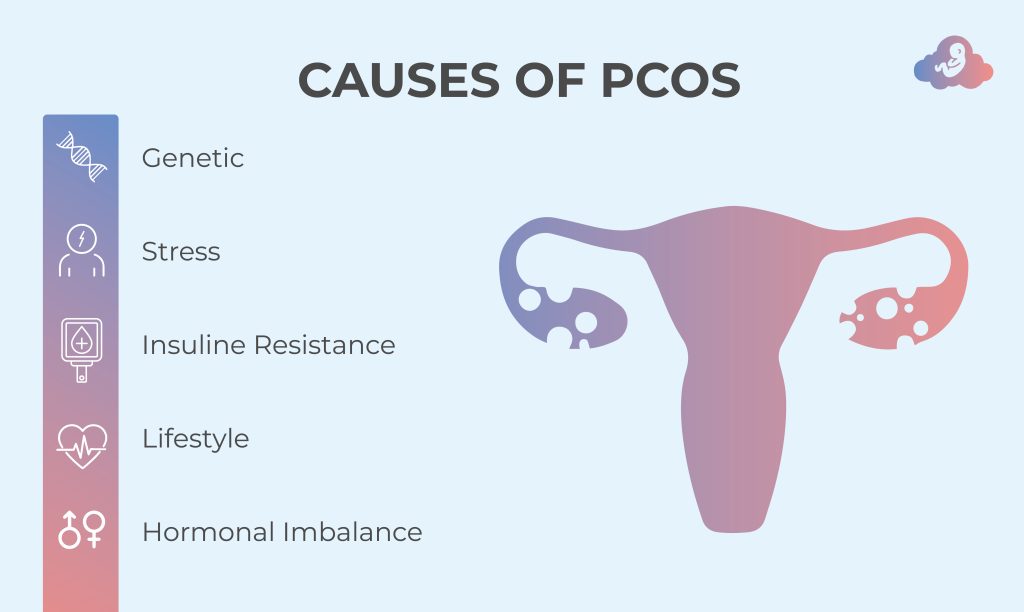
Estradiol can be elevated as a result of conditions such as polycystic ovarian syndrome (PCOS) or presence of elevated levels of BPA in the system. Bisphenol A (BPA) is a chemical produced in large quantities for use primarily in the production of polycarbonate plastics. It is a part in various products including shatterproof windows, eyewear, water bottles, and epoxy resins that coat some metal food cans, bottle tops, and water supply pipes. https://www.niehs.nih.gov/health/topics/agents/sya-bpa/index.cfm.  

What about Ovidrel?

Ovidrel, also known as chorionic gonadotropin (r-hCG), is a recombinant form of human chorionic gonadotropin hormone. It is created using recombinant DNA technology, which allows for the production of a biologically identical hormone to the one produced naturally by the human body.

I ovulated 2 days past normal ovulation days

The next menstrual cycle will start once the Progesterone and Estradiol levels fall, if there is no conception.  They typically occur 10-14 days after ovulation occurs.  If you ovulate 2 days later than you usually do, your menses mostly likely will be 2 days late.

I have been taking Progesterone to support my uterine lining

Yes!  If you are taking Progesterone, you are not likely to start menses even if you are not pregnant. Take a home pregnancy test, and if it is negative stop taking the Progesterone. You can expect your menses 2-5 days after stopping the medication.  Some patients may begin spotting even before stopping Progesterone.  The spotting/bleeding you will get after the Progesterone may be a little heavier than your usual menses and the first day of bleeding will count as cycle day 1 for next treatment.

Is it normal that I expect menses to be delayed even with negative HPT?

Clomid does not directly impact the length of menses.  However, it does help regulate the ovulatory process so your menstrual cycle will look different.  For some patients, cycles are a bit shorter and for others they are longer as Clomid works to increase production of FSH hormone.

What does LH hormone timing look like in the cycle?

LH rises slowly only a few days before ovulation and then has a sharp rise known as LH peak or surge, 24-36 hours before ovulation.  It only stays elevated for about 24 hours and then drops sharply.  It does not begin to rise again with the start of the menses, at least not right away.

Can Geritol directly regulate my menstrual cycle?

No, Geritol cannot directly regulate your menstrual cycle. However, by contributing to overall health, it could indirectly influence your cycle.

menstrual cycle
Your subscription could not be saved. Please try again.
Your subscription has been successful.

Stay Informed

Subscribe to our newsletter to receive treatment updates

Can women have children at any age?

When is too late to have children?

In today’s society, women have more choices than ever before when it comes to starting a family. With advancements in reproductive technology and changing societal norms, the question of whether women can have children at any age has become a hot topic of discussion. In this article, we will explore the various factors that influence female fertility, the science behind reproduction, the risks and complications associated with late pregnancy, and the available fertility treatments and assisted reproduction options. Additionally, we will delve into the social and psychological aspects of late motherhood. So, let’s dive in and explore the world of female fertility!

Understanding Female Fertility

Female fertility is a complex and fascinating subject. While women are born with all the eggs they will ever have, the quality and quantity of those eggs change as they age. This is where the concept of the “biological clock” comes into play. But is it fact or fiction?

The Biological Clock: Fact or Fiction?

It is true that women are most fertile in their twenties and early thirties. During this time, the chances of conceiving without medical intervention are higher, and the risk of certain pregnancy complications is lower. However, the idea that all women experience a sudden decline in fertility once they reach a certain age is not entirely accurate.

While it is true that fertility gradually declines as women get older, some women may still be able to conceive naturally well into their forties. Factors such as overall health, lifestyle choices, and genetics can play a role in determining individual fertility levels.

How Age Affects Fertility

As women age, the quality and quantity of their eggs tend to decline. This decrease in egg quality can lead to a higher risk of chromosomal abnormalities, which can result in miscarriages or certain genetic disorders. Additionally, the chances of experiencing difficulties in conception, such as infertility or subfertility, increase with age.

Age also affects other aspects of reproductive health. For example, the risk of developing certain pregnancy-related complications, such as gestational diabetes, preeclampsia, or placenta previa, is higher in older mothers. Therefore, while women may still be able to have children later in life, it is essential to be aware of these potential risks.

Common Misconceptions About Female Fertility

There are several common misconceptions surrounding female fertility. One of the most prevalent misconceptions is that women can easily conceive naturally at any age. While some women may indeed have success in getting pregnant later in life, it is not a guarantee for everyone.

Another misconception is that fertility treatments can solve all fertility issues. While fertility treatments like in vitro fertilization (IVF) have helped many women achieve their dream of motherhood, they are not a guaranteed solution for everyone. It is crucial to consult with a fertility specialist to determine the best course of action.

Furthermore, it is important to recognize that fertility is not solely a female issue. Male fertility also plays a significant role in the conception process. Sperm quality and quantity can also decline with age, affecting the chances of successful fertilization. Therefore, when considering fertility, it is essential for both partners to undergo evaluation and testing to ensure a comprehensive understanding of the situation.

Additionally, it is worth noting that fertility is not solely determined by age. Various lifestyle factors can impact fertility, such as smoking, excessive alcohol consumption, poor diet, and high levels of stress. Making healthy lifestyle choices and maintaining overall well-being can positively influence fertility outcomes.

The Science Behind Reproduction

Before we delve deeper into the various aspects of female fertility, let us first understand the science behind reproduction and how it works.

Reproduction is a complex process that involves the fusion of male and female gametes to create a new life. In humans, this process begins with the release of an egg from a woman’s ovaries, which then travels through the fallopian tube, awaiting fertilization by sperm. If fertilization occurs, the egg implants itself in the uterus, leading to pregnancy.

The Role of Eggs in Reproduction

Eggs play a crucial role in reproductive health. Each month, a woman releases an egg from her ovaries during ovulation. If the egg is fertilized by sperm during this time, pregnancy occurs. However, if the egg remains unfertilized, it is shed along with the lining of the uterus during menstruation.

Understanding the journey of an egg from its release to potential fertilization provides insight into the intricate processes that govern human reproduction. The egg, also known as an ovum, is a single, large cell that carries half of the genetic material needed to create a new individual. This genetic material combines with that of the sperm to form a zygote, marking the beginning of a new life.

The Impact of Age on Egg Quality and Quantity

Age has a significant impact on both egg quality and quantity. As women age, the number of eggs decreases due to the natural aging process, known as ovarian reserve decline. Additionally, the remaining eggs may have more genetic abnormalities, making conception more difficult.

Furthermore, the chances of having a baby with certain genetic disorders, such as Down syndrome, increase with maternal age. This is because the quality of the eggs declines, making them more prone to chromosomal abnormalities.

It is essential for individuals to be aware of the effects of age on fertility and reproductive health, as it can influence the success of conception and pregnancy. Seeking medical advice and support can help navigate these challenges and explore options for assisted reproductive technologies if needed.

Risks and Complications Associated with Late Pregnancy

While many women successfully navigate pregnancy later in life, it is essential to be aware of the potential risks and complications that may arise.

Advanced maternal age, typically defined as age 35 and older, can bring about unique challenges and considerations for expectant mothers. Beyond the joy of pregnancy, older mothers may face increased health risks for themselves and their babies.

Health Risks for Older Mothers

As women age, they may be at a higher risk of developing certain health conditions during pregnancy. These conditions can include gestational diabetes, preeclampsia, placenta previa, and high blood pressure. It is essential for older mothers to receive proper prenatal care and monitoring to mitigate these risks.

Furthermore, older mothers may also encounter challenges related to fertility and conception. The likelihood of experiencing fertility issues, such as difficulty conceiving or an increased risk of miscarriage, tends to rise with age. Seeking assistance from fertility specialists or reproductive endocrinologists may be necessary for older women trying to conceive.

Risks for the Baby

Advanced maternal age is associated with an increased risk of certain birth defects and genetic disorders in babies. Additionally, the risk of stillbirth and low birth weight may also be higher for older mothers. Regular screenings and medical evaluations can help identify and manage these risks.

It is crucial for older mothers to maintain open communication with their healthcare providers throughout the pregnancy journey. By staying informed and proactive, women can take steps to safeguard their health and the well-being of their babies, ensuring a smoother and healthier pregnancy experience.

Fertility Treatments and Assisted Reproduction

For women facing fertility challenges, there are several fertility treatments and assisted reproduction options available. These advancements in medical technology have provided hope and solutions for individuals and couples struggling to conceive.

Understanding the various options can empower individuals to make informed decisions about their reproductive health, leading to more personalized and effective treatment plans.

In Vitro Fertilization (IVF)

IVF is a widely known assisted reproduction technique that involves fertilizing an egg with sperm in a laboratory setting. The resulting embryos are then transferred into the woman’s uterus. IVF has helped many couples overcome fertility issues and fulfill their dream of having a child. This complex procedure requires careful monitoring and coordination between medical professionals and patients to optimize the chances of a successful pregnancy.

Furthermore, the emotional journey of undergoing IVF can be both challenging and rewarding, as individuals navigate the physical and psychological aspects of fertility treatment.

Egg Freezing and Donation

Egg freezing allows women to preserve their fertility by retrieving and freezing their eggs for future use. This is particularly beneficial for women who may want to delay childbearing for various personal or medical reasons. Additionally, egg donation provides an alternative option for women who may not have viable eggs but still desire to experience pregnancy and childbirth.

Both egg freezing and donation have opened up new possibilities for individuals to take control of their reproductive futures, offering flexibility and choice in family planning.

The Social and Psychological Aspects of Late Motherhood

Late motherhood can bring about unique challenges and experiences that differ from becoming a mother at a younger age. Let’s delve deeper into the social and psychological aspects of this journey.

The Stigma Around Older Mothers

Despite progress in gender equality and reproductive choices, there is still a lingering stigma surrounding older mothers. Society, at times, may judge women who decide to have children later in life. However, it is important to remember that motherhood is a personal choice, and women should feel empowered to make decisions that align with their desires and circumstances.

One reason for the stigma may be the perception that older mothers may not have the same energy levels as younger mothers. However, it is essential to recognize that energy levels vary among individuals, regardless of age. Many older mothers are vibrant, active, and fully capable of providing a loving and nurturing environment for their children.

The Benefits of Having Children Later in Life

While there are risks associated with late motherhood, there are also several potential benefits. Older mothers may have more life experience, financial stability, and emotional maturity, which can positively impact their parenting. These factors can contribute to a nurturing and stable environment for the child.

Furthermore, older mothers often have established careers and financial stability, which can provide a solid foundation for their child’s future. They may have had the opportunity to travel, pursue personal goals, and gain a broader perspective on life, which can enrich their parenting style and the experiences they share with their children.

It is important to note that late motherhood can also have its challenges. Women may face increased health risks during pregnancy, and the process of conception may require additional medical interventions. However, with advancements in reproductive technology and increased awareness of fertility preservation options, the scope of possibilities for women who wish to become mothers later in life has widened.

Understanding the biological and social aspects of female fertility is vital for women and couples as they navigate their reproductive journeys. Remember, every individual’s fertility journey is unique, and it is essential to seek guidance from medical professionals and make choices that align with personal circumstances and desires.

Your subscription could not be saved. Please try again.
Your subscription has been successful.

Stay Informed

Subscribe to our newsletter to receive treatment updates

Unraveling the Mystery: A Deep Dive into PCOS Diagnosis

Polycystic ovary syndrome (PCOS) is a common endocrine disorder that affects many women of reproductive age. It is characterized by hormonal imbalances and symptoms such as irregular periods, excessive hair growth, and acne. Diagnosing PCOS can be complex, as its symptoms can vary widely among individuals. In this article, we will explore the various methods used to diagnose PCOS and the importance of a comprehensive medical history in determining the condition.

Understanding the Symptoms of PCOS

PCOS presents with a range of symptoms that can differ from person to person. Some of the most common signs of PCOS include irregular menstrual cycles, excess hair growth (hirsutism), acne, and weight gain. Additionally, women with PCOS may experience difficulty getting pregnant due to irregular ovulation or absence of ovulation altogether. Identifying these symptoms is the first step in diagnosing PCOS.

It is important to note that PCOS is a complex endocrine disorder that not only affects reproductive health but also has metabolic implications. Women with PCOS are at an increased risk of developing type 2 diabetes, high blood pressure, and high cholesterol levels. These metabolic disturbances are often linked to insulin resistance, a common feature of PCOS. Therefore, managing PCOS goes beyond addressing the visible symptoms and requires a holistic approach that includes lifestyle modifications, such as a balanced diet and regular exercise, to reduce the risk of long-term health complications.

Furthermore, the psychological impact of PCOS should not be overlooked. Many women with PCOS experience emotional challenges such as anxiety, depression, and poor self-esteem due to the visible symptoms of the condition. Seeking support from healthcare professionals, mental health providers, and support groups can play a crucial role in managing the emotional well-being of individuals with PCOS. By addressing the physical, metabolic, and emotional aspects of PCOS, individuals can work towards improving their overall quality of life and well-being.

The Role of Hormonal Imbalances in PCOS Diagnosis

Hormonal imbalances play a crucial role in PCOS and can help healthcare providers in making a diagnosis. The two primary hormones affected in PCOS are insulin and androgens. Insulin resistance, which is common in PCOS, leads to higher insulin levels in the blood. Androgens, such as testosterone, can also be elevated in women with PCOS.

Furthermore, another hormone that is often impacted in PCOS is luteinizing hormone (LH). In women with PCOS, there is an imbalance in the ratio of LH to follicle-stimulating hormone (FSH), with LH levels being higher. This hormonal imbalance can contribute to the characteristic symptoms of PCOS, such as irregular menstrual cycles and ovarian cysts.

It is important to note that hormonal imbalances in PCOS can vary from one individual to another. Some women may have elevated levels of all three hormones – insulin, androgens, and LH, while others may only have abnormalities in one or two of these hormones. Understanding the specific hormonal profile of each patient is essential for accurate diagnosis and personalized treatment of PCOS.

Key Tests and Procedures for Diagnosing PCOS

To diagnose PCOS, healthcare providers may conduct various tests and procedures. These include:

  1. Blood tests: Measuring hormone levels, including testosterone, estrogen, prolactin, and thyroid hormones.
  2. Pelvic ultrasound: Assessing the ovaries for the presence of multiple cysts. However, it’s worth noting that not all women with PCOS have visible cysts on ultrasound.
  3. Physical examination: Evaluating symptoms such as excessive hair growth and acne.

Furthermore, in some cases, healthcare providers may also recommend additional tests to rule out other conditions that may present with similar symptoms to PCOS. These tests may include:

  • Glucose tolerance test: This test helps assess how your body processes sugar and can help identify insulin resistance, which is common in women with PCOS.
  • Lipid profile: Checking your cholesterol levels can provide insights into your risk of heart disease, as women with PCOS are at a higher risk of developing cardiovascular issues.

It’s important to note that the diagnosis of PCOS is not solely based on one test result but rather a combination of clinical symptoms, physical examination findings, and test results. Healthcare providers take a comprehensive approach to ensure an accurate diagnosis and appropriate management plan tailored to each individual’s unique needs.

In addition to gathering information about menstrual cycles and symptoms, healthcare providers may also inquire about lifestyle factors such as diet, exercise habits, and stress levels. These factors can play a significant role in the development and management of PCOS. For example, a high-sugar diet and sedentary lifestyle can exacerbate symptoms of insulin resistance, a common feature of PCOS.Furthermore, a detailed medical history can provide valuable insights into the potential underlying causes of PCOS. For instance, a history of irregular menstrual cycles or hormonal imbalances may indicate disruptions in the endocrine system, which can contribute to the development of PCOS. By understanding the patient’s medical background comprehensively, healthcare providers can tailor treatment plans to address the specific needs and concerns of individuals with PCOS.

Differentiating PCOS from Other Conditions

PCOS shares similarities with other conditions such as thyroid disorders and adrenal gland abnormalities. To differentiate PCOS from these conditions, additional tests, such as thyroid function tests and adrenal hormone testing, may be necessary. This is why a comprehensive approach is essential in diagnosing PCOS accurately.

Thyroid disorders, including hypothyroidism and hyperthyroidism, can present with symptoms that overlap with those of PCOS, such as irregular menstrual cycles and weight gain. However, thyroid function tests can help in ruling out or confirming the presence of thyroid abnormalities. Similarly, adrenal gland abnormalities, such as Cushing’s syndrome or adrenal hyperplasia, can manifest with symptoms like hirsutism and acne, which are also common in PCOS. Adrenal hormone testing, including cortisol levels and adrenal imaging studies, can aid in differentiating between PCOS and adrenal disorders.

Moreover, it is crucial to consider the impact of lifestyle factors, such as diet and exercise, in the diagnosis of PCOS. Women with PCOS often have insulin resistance, which can be exacerbated by poor dietary choices and sedentary habits. Therefore, assessing insulin levels and recommending lifestyle modifications, including a balanced diet and regular physical activity, are integral components of managing PCOS effectively. By addressing these multifaceted aspects, healthcare providers can offer personalized treatment plans tailored to the individual needs of patients with PCOS.

The Impact of Lifestyle Factors on Diagnosis

Lifestyle factors, such as diet and exercise, can significantly impact the symptoms of Polycystic Ovary Syndrome (PCOS). PCOS is a common hormonal disorder that affects reproductive-age women, characterized by irregular periods, high levels of male hormones (androgens), and cysts in the ovaries. Research has shown that lifestyle modifications play a crucial role in the management of PCOS symptoms.

Weight gain and insulin resistance are closely linked to PCOS. Excess weight can exacerbate hormonal imbalances and insulin resistance, leading to increased production of androgens. This can further disrupt ovulation and contribute to the development of cysts in the ovaries. By adopting a balanced diet and engaging in regular physical activity, individuals with PCOS can improve insulin sensitivity, regulate hormone levels, and potentially restore ovulation.

Interpreting Lab Results: What They Mean for PCOS

After conducting various tests and procedures, healthcare providers will interpret the lab results to reach a PCOS diagnosis. Elevated levels of androgens, such as testosterone, along with irregular menstrual cycles and visible cysts on ultrasound, are strong indicators of PCOS. However, it’s important to remember that the diagnosis of PCOS is made based on a combination of symptoms, physical examination findings, and lab results.

Diagnosing PCOS can be complex, but with a thorough investigation of symptoms, hormone levels, and medical history, healthcare providers can accurately identify this common condition. If you suspect you may have PCOS, it is essential to consult with a healthcare professional who can guide you through the diagnostic process and provide proper treatment options.

When interpreting lab results for PCOS, healthcare providers pay close attention to the levels of other hormones besides androgens, such as insulin and thyroid hormones. Imbalances in these hormones can also contribute to the symptoms of PCOS, including weight gain, irregular periods, and difficulty conceiving. Understanding the interplay of these different hormones is crucial in developing a comprehensive treatment plan tailored to each individual’s needs.

Furthermore, in addition to blood tests and ultrasounds, healthcare providers may recommend additional imaging studies or specialized tests to rule out other conditions that can mimic PCOS symptoms. These may include adrenal or ovarian tumors, thyroid disorders, or rare genetic conditions. By conducting a thorough and systematic evaluation, healthcare professionals can ensure an accurate diagnosis and provide appropriate management strategies for individuals with PCOS.

Your subscription could not be saved. Please try again.
Your subscription has been successful.

Stay Informed

Subscribe to our newsletter to receive treatment updates

Can my OB-GYN Help Me Get Pregnant?

How Your OB-GYN Help You Get Pregnant

ob-gyn

If you’re trying to conceive, you may wonder if your OB-GYN can help you in your journey towards pregnancy. The good news is that your OB-GYN can play a vital role in your fertility journey. This article will explore the various ways in which your OB-GYN can assist you in getting pregnant.

Understanding the Role of Your OB-GYN in Fertility

Your OB-GYN, also known as an obstetrician-gynecologist, is a medical professional who specializes in women’s reproductive health. They have undergone extensive training to understand the complexities of the female reproductive system and are well-equipped to address various fertility concerns that you may have. In addition to providing prenatal care and assisting in childbirth, OB-GYNs play a crucial role in helping individuals and couples navigate the journey to conception.

When you visit your OB-GYN for fertility-related issues, they will conduct a thorough evaluation to assess your reproductive health. This may include reviewing your medical history, performing physical exams, and ordering specific tests to identify any underlying conditions that could be affecting your fertility. By taking a comprehensive approach to your care, your OB-GYN can develop a personalized treatment plan tailored to your unique needs and goals.

OB-GYNs can help you understand the biological processes involved in becoming pregnant and offer insights into optimizing your fertility. They can provide valuable information on when and how often to have intercourse, as well as offer advice on lifestyle adjustments that may enhance your chances of conception. Additionally, your OB-GYN can discuss various fertility treatments and procedures that may be available to you, such as ovulation induction or in vitro fertilization (IVF), and help you make informed decisions about your reproductive health.

Common Fertility Assessments Performed by OB-GYNs

When deciding to consult with your OB-GYN about fertility concerns, they may perform various assessments to evaluate your reproductive health. These assessments are crucial steps in understanding your fertility status and addressing any potential issues that may be hindering conception.

One of the key assessments your OB-GYN may conduct is hormone testing. This involves ordering blood tests to evaluate your hormone levels, such as follicle-stimulating hormone (FSH), luteinizing hormone (LH), estrogen, and progesterone. Hormones play a vital role in regulating the menstrual cycle and ovulation, so assessing their levels can provide valuable insights into your reproductive health.

In addition to hormone testing, your OB-GYN may recommend ovulation tracking as part of the fertility assessment process. This involves monitoring your menstrual cycle and ovulation patterns to determine the timing of ovulation and identify the most fertile days in your cycle. By tracking these patterns, your OB-GYN can help you optimize the timing of intercourse to improve your chances of conception.

Another common assessment method used by OB-GYNs is ultrasound imaging. This non-invasive imaging technique allows your OB-GYN to visualize your reproductive organs, including the uterus, fallopian tubes, and ovaries. Ultrasound imaging can help identify any structural abnormalities, such as ovarian cysts, fibroids, or polyps, that may be affecting your fertility. Additionally, it can provide valuable information about the thickness of the uterine lining and the number of developing follicles in the ovaries, which are important factors in the fertility evaluation process.

Lifestyle Changes Recommended by Your OB-GYN for Better Fertility

Your lifestyle choices can significantly impact your fertility. Your OB-GYN may recommend specific changes to improve your chances of getting pregnant. These lifestyle modifications may include:

  1. Maintaining a healthy weight: Being underweight or overweight can affect your hormonal balance and disrupt your menstrual cycle.
  2. Eating a balanced diet: Consuming a nutritious diet rich in fruits, vegetables, whole grains, and lean proteins can support your overall reproductive health.
  3. Engaging in regular exercise: Moderate physical activity can improve blood flow to reproductive organs and promote hormonal balance.
  4. Managing stress levels: High levels of stress can interfere with ovulation and menstrual regularity.
  5. Avoiding tobacco and excessive alcohol consumption: These substances can negatively impact fertility in both men and women.

By following these recommendations, you can create a favorable environment for conception and increase your chances of getting pregnant.

Furthermore, it is essential to prioritize sleep and establish a consistent sleep schedule. Quality sleep plays a crucial role in regulating hormones that are vital for fertility. Aim for 7-9 hours of uninterrupted sleep each night to support your reproductive health.

In addition to lifestyle changes, your OB-GYN may suggest tracking your menstrual cycle and ovulation to identify your most fertile days. Understanding your body’s natural rhythm can help you time intercourse effectively to maximize your chances of conception. Consider using ovulation predictor kits or fertility tracking apps to monitor your cycle and pinpoint the optimal time for conception.

The Connection Between Regular Check-Ups and Pregnancy Success

Regular check-ups with your OB-GYN are crucial for maintaining your overall reproductive health and increasing your chances of a successful pregnancy. These check-ups allow your OB-GYN to monitor your menstrual cycle, evaluate your hormonal levels, and address any concerns that may arise.

During these appointments, your OB-GYN can provide additional guidance, support, and answer any questions you may have about fertility. They can offer personalized advice based on your specific circumstances and address any potential issues that may affect your ability to conceive.

Furthermore, regular check-ups also play a vital role in early detection and prevention of any reproductive health issues that could potentially impact your pregnancy journey. Your OB-GYN will conduct screenings for conditions such as polycystic ovary syndrome (PCOS), endometriosis, or thyroid disorders, which if left untreated, could hinder your fertility.

Moreover, these check-ups are an opportunity to discuss lifestyle factors that can influence your reproductive health, such as diet, exercise, and stress management. Your OB-GYN can provide recommendations on how to optimize your

ob-gyn

What to Expect During a Fertility Consultation

When you schedule a fertility consultation with your OB-GYN, you can expect a comprehensive evaluation of your reproductive health. Your OB-GYN will discuss your medical history, assess any potential risk factors, and perform the necessary assessments mentioned earlier.

During the consultation, it’s essential to be open and honest about any concerns or questions you may have related to fertility. Your OB-GYN is there to provide support, guidance, and may refer you to a fertility specialist if needed.

Remember, every individual’s fertility journey is unique, and your OB-GYN can serve as an invaluable resource in helping you navigate this process. They can provide valuable insights, recommendations, and support to enhance your chances of conceiving and ultimately achieving your dream of becoming a parent.

It’s important to note that fertility consultations can also involve discussing lifestyle factors that may impact fertility. Your OB-GYN might inquire about your diet, exercise routine, stress levels, and overall health habits. Making positive changes in these areas can significantly improve your reproductive health and increase your chances of conception.

Furthermore, fertility consultations often include a detailed explanation of the various fertility treatment options available. Your OB-GYN can walk you through procedures such as intrauterine insemination (IUI), in vitro fertilization (IVF), or other assisted reproductive technologies. Understanding these options can empower you to make informed decisions about your fertility journey.

Should you have more questions, please book a free 15-minute session at our clinic HERE.

ob-gyn
Your subscription could not be saved. Please try again.
Your subscription has been successful.

Stay Informed

Subscribe to our newsletter to receive treatment updates

Do you really have an unexplained infertility diagnosis?

Explaining an unexplained infertility

This comprehensive guide on unexplained infertility explores its causes, diagnosis, and treatment options. We dive deep into the possible factors contributing to unexplained infertility, how to diagnose it, and the various treatment options available for couples facing this challenge.

Introduction to Unexplained Infertility

Doctors often use the term unexplained infertility when they cannot find a specific cause for a couple’s inability to conceive after they conduct standard fertility tests. It affects approximately 10-30% of couples who struggle with infertility. Here we will discuss the potential causes of unexplained infertility, how to diagnose it, and various treatment options available for couples experiencing this frustrating situation.

Potential Causes of Unexplained Infertility

While unexplained infertility can be frustrating for couples trying to conceive, there may be various factors contributing to their difficulty. Some potential causes of unexplained infertility include:

Undetected Hormonal Imbalances

Hormonal imbalances can contribute to fertility problems. Although standard fertility tests often check for hormonal imbalances, some could be difficult to detect. Subtle imbalances in thyroid hormones or insulin levels could impact fertility but we may not identify them in routine testing.

Mild Endometriosis

Endometriosis is a condition where tissue similar to the lining of the uterus grows outside the uterus, causing pain and potential fertility issues. Standard fertility tests may not detect mild endometriosis. But could still affect a woman’s ability to conceive.

Sperm Quality Issues

While we usually assess sperm count and motility in fertility tests, we may be unable to evaluate other factors such as sperm DNA fragmentation or abnormal sperm morphology. These issues can affect the sperm’s ability to fertilize an egg, leading to unexplained infertility.

Immune System Factors

In some cases, a woman’s immune system may mistakenly attack sperm or embryos, preventing conception. Additionally, inflammation caused by immune system disorders can negatively impact fertility.

Lifestyle Factors

Unhealthy lifestyle choices, such as poor diet, lack of exercise, and exposure to environmental toxins, can contribute to fertility problems. While standard fertility tests cannot directly measure these factors, they can still impact a couple’s ability to conceive.

Diagnosing Unexplained Infertility

Explaining the diagnosis of unexplained infertility is typically done by a fertility specialist after a series of standard fertility tests fail to identify a specific cause for a couple’s inability to conceive. These tests may include:

Ovulation Testing

A variety of methods can be used to confirm if a woman is ovulating regularly, including tracking basal body temperature, monitoring luteinizing hormone (LH) levels using urine-based ovulation predictor kits, or performing blood tests to measure hormone levels (e.g., progesterone, follicle-stimulating hormone).

Semen Analysis

Semen analysis evaluates a man’s sperm count, motility, and morphology. This helps in determining if there are any sperm-related issues contributing to male infertility.

Hysterosalpingography (HSG)

This imaging test involves injecting a contrast dye into the uterus and fallopian tubes. Then taking X-ray images to identify any blockages or structural abnormalities that could be affecting fertility.

Transvaginal ultrasound

Using a specialized probe inserted into the vagina, this imaging technique allows for the visualization of the ovaries, uterus, and fallopian tubes to check for any abnormalities such as cysts, fibroids, or adhesions.

Laparoscopy

A minimally invasive surgical procedure, laparoscopy involves inserting a thin, lighted tube (laparoscope) through a small incision in the abdomen. This allows the physician to visually examine the reproductive organs and identify any potential issues, such as endometriosis, adhesions, or tubal blockages.

Treating Unexplained Infertility

Treatment for unexplained infertility can vary depending on the couple’s unique situation and preferences. Some of the most common treatment options include:

Fertility medications

Drugs like clomiphene citrate (Clomid) or letrozole (Femara) are often prescribed to stimulate ovulation In women who have irregular or absent ovulation. These medications work by inducing the release of hormones that stimulate the ovaries to produce one or more mature eggs.

Intrauterine insemination (IUI)

Specially prepared sperm is inserted directly into the woman’s uterus around the time of ovulation. IUI can be performed with or without fertility medications. It helps increase the chances of conception by placing sperm closer to the egg, bypassing potential issues in the cervical mucus or sperm transportation.

In vitro fertilization (IVF)

IVF involves retrieving eggs from the woman’s ovaries, fertilizing them with sperm in a laboratory, and then transferring one or more embryos into the woman’s uterus. IVF can be an effective treatment option for unexplained infertility, as it bypasses potential issues related to fertilization, embryo implantation, or early embryo development.

Donor Eggs or Sperm

In some cases, couples may choose to use donor eggs or sperm to improve their chances of conception. This can be an option for those who have not had success with other treatments or who may have concerns about passing on genetic conditions.

Lifestyle modifications

Although not a specific treatment, making certain lifestyle changes can improve overall fertility and increase the chances of conception. These changes may include maintaining a healthy weight, adopting a balanced diet, exercising regularly, managing stress, quitting smoking, and reducing alcohol intake.

Conclusion

It is important to discuss the available treatment options with a fertility specialist to determine the best course of action based on the individual circumstances and medical history of each partner.

Your subscription could not be saved. Please try again.
Your subscription has been successful.

Stay Informed

Subscribe to our newsletter to receive treatment updates