Currently Viewing Posts in Educational

Fertility Hormones and How to Test Them

blood test for infertility female

Learn all about fertility hormones and how you can test them

Fertility Hormones and How to Test Them

Hi there. Are you and your partner actively trying to get pregnant? Has this been going on for more than a year? If so, don’t be alarmed by the situation. We can test your fertility hormones, studies suggest that 12% to 15% of couples are unable to conceive after a year of unprotected sex. 

Luckily, this situation is not permanent. Thanks to fertility testing, couples can ascertain the problem impacting their fertility. The assessment details the underlying course, and doctors can advise on the best treatment. With this in hand, you or your partner can be pregnant in a few months.

As you may know, hormones play a crucial role in the female and male body. One such role is in the reproductive system, which consequently impacts women’s fertility. For instance, a lady’s hormone levels fluctuate monthly during her menstrual cycle. The fall and rise of the hormones directly impact egg growth in the ovary, implantation, and conception. Moreover, it can also affect milk production after conception and pregnancy survival.

A doctor assesses the patient for hormonal imbalances in infertility cases to determine the primary cause. Despite being a lengthy activity, the assessment then advises on treatment for infertility in females and males by achieving the right balance of hormones.

For females, four crucial hormones impact fertility. For males, it’s the semen that counts (literally and figuratively). 

Read more to learn about the essential role these hormones play in fertility and the tests you can get done to treat it. 

Let’s dive in!

What are the Key Female Fertility Hormones?

There are four essential fertility hormones in a female’s body:

  • Follicle-Stimulating Hormone (FSH).
  • Oestrogen (Oestradiol)
  • Luteinising Hormone (LH)
  • Progesterone
fertility hormones

Follicle Stimulating Hormone (FSH)

The Follicle Stimulating Hormone is among the first hormones the female body releases. This hormone is critical in stimulating female egg development and sperm production in males.

The pituitary gland produces the FSH, which then stimulates the growth of the follicles during the follicular phase (first half of the menstrual cycle). Besides, it also stimulates oestradiol (estrogen) production, which further promotes the growth of the egg follicles. This stage lasts for approximately sixteen days. 

The FSH levels in a female’s body tend to be highest a few days before ovulation. If your body fails to produce enough FSH hormones, you will likely face irregular ovulation or none at all. On the other hand, excessive hormone production signals that the ovaries’ quality is low. 

Oestradiol

Oestradiol is a form of estrogen the ovaries produce. As follicles continue to develop in the ovaries, they release estrogen. Estrogen then causes the womb lining (endometrium) to thicken. This is a critical step in preparing the womb for a pregnant state. 

Before the release of the dominant follicles in the ovary, the estrogen level rise, causing Luteinizing Hormone (LH) production. The LH hormone’s gush further stimulates the dominant follicle’s growth, resulting in its release. 

Additionally, estrogen production is vital in promoting sperm survival. Oestrogen stimulates mucus secretion inside the uterus, which is essential in providing an ideal environment for the sperm.

Luteinizing Hormone (LH)

LH is another equally essential hormone that impacts fertility. In males, it promotes testosterone production, affecting sperm count and libido. In females, it plays a pivotal role in regulating ovary functions. Also, it fosters egg release from the ovary during the luteal phase.

Like the FSH hormone, the pituitary gland produces and releases the LH hormone. As a gonadotropin LH production is a factor of the hypothalamus releasing the gonadotrophin-releasing hormone (GnRH). Once the GnRH is released, the hormones bind to the pituitary gland receptors stimulating LH production and release. 

The LH also promotes the production of the corpus luteum after the fertilization of the egg. In turn,the corpus luteum stimulates progesterone production, which is critical in supporting pregnancy. 

Similarly, excessive production of this hormone in females promotes their susceptibility to polycystic ovary syndrome (PCOS). On the other hand, low production could result in a failed ovulation. 

Progesterone

As mentioned earlier, progesterone is produced by the corpus luteum after egg fertilization. The hormone production signals the ovary to begin progesterone production to promote pregnancy survival. Also, progesterone is vital in preparing the uterus for egg implantation by stopping the thickening of the endometrium. If fertilization occurs, progesterone levels will increase, which will be undertaken by the placenta. 

If fertilization doesn’t occur, the progesterone level will drop, and menstruation will ensue. 

Semen

Sperm, also known as ejaculate, is the fluid that enables the sperm’s motion to meet the ovum. Semen quality is essential in dictating the conditions for fertility. In a single ejaculate, the semen should contain at least 15 million sperm per milliliter. This high number increases the likelihood of fertilization. Also, little sperm presence in an ejaculate lowers the possibility of fertilization.

fertility hormones

What Role Do Fertility Hormones Play?

Cases of infertility are often downplayed as a woman’s issue—quite the contrary. Fertility and egg fertilization is a play of both the male and female hormones. Excessive or little production of these hormones affects the various stages of conception. 

fertility hormones

As we’ve discussed the essential hormones that impact fertility, here is a keen insight into their role in promoting fertility. 

Egg and Sperm Production

The follicle-stimulating hormone is pivotal in female ovum production and sperm in males. This occurs through stimulating follicle growth. If a woman fails to produce adequate FSH before ovulation, it can cause an irregular or failed ovulation. In men, it can result in a low sex drive.  

Levels of FSH in the body tend to fluctuate in the menstrual cycle. High levels of the hormone are often present before ovulation. On the other hand, the level of FSH in men does not fluctuate. 

What’s more, the LSH works closely with the luteinizing hormone to regulate sexual functions.

Egg Release and Implantation

The release of progesterone in a woman’s body promotes egg implantation. It also stimulates the production of the hormone by the ovary, which is critical in supporting pregnancy. As the FSH stimulates follicles’ growth, the LH promotes its release from the ovary. 

Other hormones such as androgens, thyroid, and prolactin can also affect ovulation. Androgens typically exist in small amounts in the body. However, a surplus production can impair follicle development, cervical mucus production, and ovulation. Prolactin hormones stimulate the production of milk. Some medications may affect the production of prolactin which consequently affects milk production. Finally, thyroid hormones present as an aftermath of high prolactin levels. This surge can lead to hypothyroidism. 

So What is Fertility Hormone Testing?

Fertility hormone testing is an assessment that checks for infertility in males and females by identifying hormonal imbalances. If you’re here, chances are you’ve come across other names, such as “ovulation test” or fertility test.” These names bear the same meaning, and you can use them interchangeably.

As you know by now, hormones control varying stages of your pregnancy. If one hormone is not produced at a specific amount and time, ovulation may fail, and chances are you won’t get pregnant. A fertility hormone test will help a doctor identify your diagnosis and prescribe the proper treatment. 

When going in for a hormone fertility test, you will likely get some bloodwork done at different times in your cycle. We’ve made it simple to understand what tests you need to complete and when.

Types of Fertility Hormone Tests

A Luteinizing Hormone test is conducted at the beginning of your cycle (mostly day 3). The test is imperative in ascertaining when you’re ovulating. LH has now been quite common, and it’s easy to find the tests going by other names such as “Fertility Tests,” “Ovulation Tests,” or “Ovulation Predictor Kits.”

The test is poignant for couples who are trying to become pregnant. It reveals when you or your partner is likely to commence ovulation. 

Therefore it becomes crucial to understand when to have intercourse for better chances of fertilizing the egg. However, you should know this is only one test in a pool of about four in your conceiving journey.

Fertility Hormones, How is an LH Test Done?

An LH test is a short procedure where a doctor draws out a blood sample from your arm. This sample is then assessed in the lab for LH levels. If you’re not ovulating, your LH levels help determine why. 

fertility hormones

Your doctor may request blood drawn samples over a certain period since LH levels tend to fluctuate with your menstrual cycle. This frequent sampling and analysis help ascertain an accurate LH level measurement. 

When preparing for the test, your doctor may advise against some medication impairing your results. This could include hormone bills or birth control pills. If you’re taking the test from home, it is of importance to have it in the morning and avoid drinking water four hours beforehand. This ensures your LH levels and urine are concentrated.

FSH Tests

FSH tests measure the level of follicle-stimulating hormones in your blood. The FSH hormone stimulates and prepares the eggs for ovulation. During the first days of your menstrual cycle, the level of FSH increases to commence the process. 

Each female is born with a handful of eggs that will support their menstrual cycle for a given period. This is known as the ovarian reserve. As the woman ages, the eggs in the ovarian reserve reduce. In such scenarios, it is challenging to stimulate the ovary to produce an egg. Your body will then respond by producing high FSH levels since your ovaries work twice as hard to stimulate ovulation. 

An FSH test will help a doctor determine your ovarian reserve by assessing your FSH levels. For women, it can help determine menopause, infertility problems, abnormal menstrual bleeding, and diagnose polycystic ovary syndrome. In men, an FSH test can help identify the reason behind infertility. It can also reveal the reasons for low sperm count and any problems with the testicles. 

Like the LH test, an FSH test requires a blood sample drawn from a vein in your arm. The test may have moderate pain during the needle insertion. Others may experience a prick or sting. Also, the process takes less than five minutes. 

The drawn sample is then collected in a vial and analyzed.

Your doctor may ask you to have the test done at a specific time during your menstrual cycle. This is primarily the case if you’ve not reached menopause.

Fertility Hormones, Estradiol Tests 

Checking your blood level to ascertain the estradiol levels is a standard fertility test. Understanding your estrogen levels when attempting to conceive can help provide relief during your TTC journey. 

Early in your cycle, the estrogen levels rise to thicken the uterine lining. This is typically an indicator that ovulation is about to start. Aside from that, the estradiol tests also check whether your ovary can produce eggs. 

An imbalance of estrogen levels can lead to a condition known as estrogen dominance. This condition gravely impacts conception since estrogen levels are higher than progesterone. 

How is an Estradiol Test Done?

Like other fertility tests, an estradiol test is administered on your arm. A doctor draws a blood sample from your vein and places it in a tube for analysis. 

An estradiol test can sometimes be done at home using a urine sample. However, the pee tests can only accurately measure one marker of estrogen. 

Fertility Hormones, Progesterone Tests

A progesterone test helps confirm whether ovulation has occurred. The ovaries produce the hormone after an egg’s release, leading to a rise in hormone levels. This prepares your uterus for pregnancy by allowing the lining to grow thicker. Moreover, the hormone also triggers your breasts to produce milk. 

Typically, this process occurs during the second half of your menstrual cycle. A doctor may use this test to determine if and when you’ll ovulate and why you’re not conceiving and monitoring a high-risk pregnancy. 

This test can be administered at home and in a doctor’s office. You can use one of the FDA-approved PdG tests, such as Proov, that uses a urine sample at home. In contrast, at the doctor’s office, a blood sample will be drawn from a vein in one of your arms. 

Anti-Müllerian Hormone Test (AMH)

AMH test is an equally vital assessment that hints at fertility during your TTC journey. The hormone is produced in the male and female reproductive tissues. However, healthcare providers primarily administer this test to women.

For women, the levels of AMH depict the chances of getting pregnant and provide more information on fertility. It is also helpful in checking for menstrual disorders. The test can also predict the onset of menopause and determine the cause of early menopause.

Furthermore, while your AMH levels may also correspond to your egg count, more than the test alone may be needed to predict fertility accurately. It is advisable to have this test done alongside other fertility tests. 

The test is administered by a healthcare professional who draws a blood sample from your arm’s vein. The test is then analyzed. It is common to feel a slight prick or sting during the process.

Thyroid-stimulating hormone (THS) Test

Abnormal thyroid levels can impact ovulation. According to statistics, up to 5% of women with abnormal thyroid levels struggle with infertility. Moreover, thyroid hormone levels play a crucial role in fetal development. 

A thyroid-stimulating test helps assess the hormone level in the bloodstream. Like the FSH hormone, the pituitary gland produces the TSH, which then stimulates the thyroid gland to release thyroid hormones into the bloodstream. 

A THS test can help ascertain cases of hyperthyroidism or hypothyroidism. In instances of hyperthyroidism, women may experience irregular periods, while men will likely have a low sperm count.

On the contrary, hypothyroidism reduces fertility chances and increases the possibility of a miscarriage. 

A blood sample will be required. A doctor will draw the sample from your arm for analysis. The procedure is relatively short, taking five minutes or less. Moreover, you won’t need to make preparations for these tests. 

Your healthcare provider may advise doing the test with a T3 test, T4 test, or an Anti-TPO.

Sperm Analysis

By now, I’m sure you understand that fertility is a play of the woman and man’s fertility index. Gone are the days when women would be solely blamed for not conceiving. The man may have a problem with his sperm count, which is a nod of infertility.

To ascertain this, a semen analysis gives a clear picture of how many sperm are released per ejaculation, their shape, and their motion. 

Usually, to obtain a clean sample, a man would masturbate into a clean container. The sample is then analyzed for the factors mentioned above. Since sperm count can vary, a doctor may advise providing more than one sample at specific intervals. 

FAQs

Which are the essential fertility hormones in testing?

The vital hormones recommended for testing when checking for fertility are: progesterone, luteinizing hormone, follicle-stimulating hormone, and estrogen (estradiol).

Where Can I Find A Reliable Test Provider?

With extensive research being poured into fertility hormone testing, plenty of companies are now emerging with a wide range of tests. Some companies you should consider include:

fertility hormones

Your subscription could not be saved. Please try again.
Your subscription has been successful.

Stay Informed

Subscribe to our newsletter to receive treatment updates

How Do I Use Ovulation Tests When Trying To Get Pregnant?

Best Days to Get Pregnant

Learn how to use ovulation tests

How Do I Use Ovulation Tests When Trying To Get Pregnant?

Are you looking forward to getting pregnant and may be pondering what ovulation tests are and how do I use ovulation tests when trying to get pregnant? Ovulation tests are a popular method of tracking your most fertile days, but they sometimes need clarification.

Ovulation Tests
LH is a clear indicator of ovulation

Learning to use ovulation tests is an integral part of increasing your chances of conception. With a bit of practice and learning, you will be an expert in no time.

Below are tips and illustrations that seek to explain how ovulation tests work. Also to note are insights on how to interpret and comprehend results. Moreover, we will provide tips that educate you on ways to use them most effectively when trying to get pregnant.

What Is An Ovulation Test?

If you have been trying to get a baby and haven’t succeeded yet, these tests can be a valuable tool. This is because they can assist you in pinpointing your most fertile days. By having intercourse on these days, you can potentially increase your chances of conceiving.

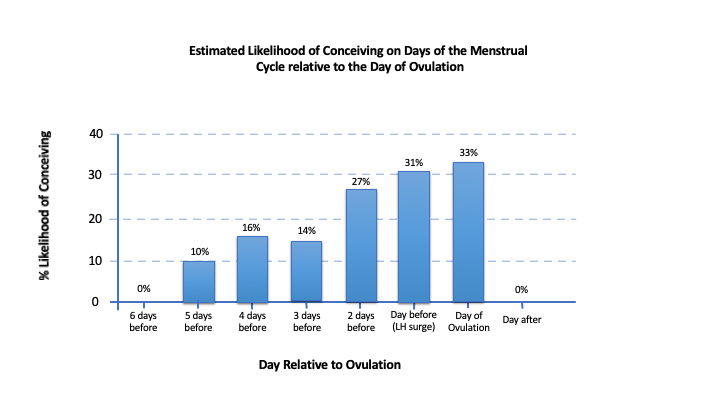
The tests are carried out to measure the amount of luteinizing hormone (LH) in your urine. The pituitary gland produces the Luteinizing hormone and helps to stimulate ovulation. When LH levels rise, ovulation will occur within 24-48 hours.

These tests are available in home test kit form and as strips that you can purchase at your local drug store. They are relatively affordable and straightforward to use. Follow the instructions that come with your chosen test.

You must use a urine strip test to collect your urine in a cup. Dip the strip in the urine and wait for the specified time in the instructions. After the time has elapsed, compare the strip to the color chart included with the kit. If the strip changes color, this indicates that LH is present, and ovulation will likely occur in the next 24-48 hours.

If you are using a digital ovulation test, the process is similar. Collect your urine in a clean cup and dip the test in the urine. Wait for the specified time in the instructions. The digital test will then display a message showing whether or not LH is present. If it is, ovulation will likely occur in the next 24-48 hours. Once you have determined that ovulation is imminent, you and your partner can start trying to conceive.

Best Days to Get Pregnant using ovulation prediction kit
Best Days To Get Pregnant

When Should I Start Using The Test?

If you are working towards getting pregnant, you may be wondering when to start using an ovulation test. The response to this question will depend on a few factors, including your cycle length and how regular your periods are. Generally, it’s best to start testing around the time you expect to ovulate. For most women, this is around day 14 of their cycle. However, if your cycles are longer or shorter than average, you may need to adjust the timing of your tests.

Ovulation Tests
For most women, testing once per day is sufficient

It’s also important to consider how often you’ll need to test. For most women, testing once per day is sufficient. However, if your cycles are irregular or you have other fertility issues, you may need to test more frequently. Ultimately, speaking with a fertility specialist is the most incredible way to determine how often you should test.

Types of Ovulation Tests

When trying to conceive, many women use ovulation tests to help predict when they are most fertile. There are a variety of different ovulation tests on the market, with each having its own merits and demerits. Here are the various types of ovulation tests:

1. Sticks

If you’re trying to get pregnant, ovulation test sticks can be a great way to help you track your ovulation cycle and improve your odds of conceiving.

Ovulation test sticks work by detecting the presence of the luteinizing hormone (LH) in your urine. This hormone increases just before ovulation, so the test sticks can tell you when you’re about to ovulate

There are a few fundamental ways to use ovulation test sticks. Some women use them to track their cycles, while others use them in conjunction with fertility treatments. When used correctly, ovulation test sticks can be up to 99% accurate in predicting ovulation.

There are many different brands of ovulation test sticks on the market, so it’s crucial to do your research to find the appropriate one for you. But once you’ve found a brand you trust, using ovulation test sticks is simple: pee on the stick and wait for the results. Most sticks will give you a positive or negative result within a few minutes.

2. Strips

Strips are a quick and easy way to test for ovulation at home. Most test strips have clear instructions and can be used with little to no fuss. Ovulation test strips detect luteinizing hormone (LH) presence in your urine. This hormone is released once the egg is released from your ovary and triggers ovulation.

Wet the strip with urine to use an ovulation test strip and wait for the results. Most test strips will show a positive result within a few minutes. If the strip turns positive, you are ovulating and should have sex that day or the following day to maximize your chances of conceiving.

Ovulation test strips can be found at most drugstores and are relatively inexpensive. Using these strips can help you to better time intercourse around your ovulation period, which can improve your chances of conception.

3. Digital Tests

Digital ovulation tests are a type of fertility monitor that uses sensors to track changes in a woman’s body temperature. The sensors are worn under the arm and take readings throughout the day. The data is then sent to a fertility app which can help predict when the woman is ovulating.

Digital ovulation tests have several pros over traditional ovulation tests. They are bona fide, cheaper, and more convenient to use. Consequently, digital ovulation tests can be used by women who have irregular periods or are taking certain medication types.

Ovulation Tests
Ovulation Tests
Mira is one the popular digital ovulation tests in the market.

If you are trying to conceive, a digital ovulation test can be a helpful tool in your fertility journey.

How Do I Interpret The Results?

If you’re hoping to get pregnant, you’re probably wondering how to interpret your test results. While these tests can be accurate, you should keep a few things in mind when trying to determine if you’re ovulating. The tests identify the amount of luteinizing hormone (LH) in your urine. This hormone spikes just before ovulation, so the test can predict when you’re about to ovulate.

Most ovulation tests come with instructions on how to interpret the results. Holistically, you will take the ovulation test at the same time each day, starting on a particular day of your cycle. The test will have a control line and a test line.

If the test line is the same color or darker as the control line, you have a high LH level and are likely to ovulate within the next 12-24 hours. If the test line appears lighter in color than the control line, that means your LH level is low, and you’re not likely to ovulate soon. There are also digital ovulation tests that will give you a positive or negative result, depending on your LH level.

While ovulation tests can be accurate, a few circumstances can bring about errors in the results. If you take the test at a different time than usual, your LH level may be different than it would be at your regular testing time.

Certain medications, such as fertility drugs, can also affect the test results. Talk to your doctor if you’re unsure how your medicines might affect the test. If you experience irregular periods, you may have a more challenging time predicting ovulation.

How Accurate Are Ovulation Test Strips?

Just how accurate are ovulation test strips? Anyone who has tried to conceive will tell you that much waiting is involved. And often, the waiting feels like an eternity. All you want is a positive pregnancy test, but you’re left distraught invariably.

If you’re struggling to conceive, consider using ovulation test strips. But how accurate are they? Ovulation test strips detect the presence of the luteinizing hormone (LH) in your urine. This hormone is produced by the pituitary gland and helps to regulate ovulation. When your LH levels surge, it signals that ovulation is about to occur. 

To use an ovulation test strip, urinate on the strip and wait for the results. If the strip changes color, your LH levels are high, and ovulation is likely to occur in the next 24-48 hours.

Ovulation test strips are generally very accurate. In fact, studies have shown that they can be up to 99% accurate in predicting LH surges. However, it’s essential to keep in mind that ovulation test strips only work if you use them correctly. This means using them at the same time each day and following the instructions carefully. 

You need to use them correctly to get an accurate result. 

Another thing to remember is that certain medications, such as clomiphene and menotropins, can affect ovulation test strips. If you’re taking any medicines for fertility, be sure to speak to your health professional to see if it will affect the results of your ovulation test strips.

How To Use Ovulation Tests In An Irregular Cycle

If you have an irregular cycle, you will be unsure when to ovulate. This can make it challenging to identify when to use an ovulation test. However, you can do a few integral things to increase your chances of success. First, it is poignant to understand how the ovulation process works. Hormones control the ovarian cycle. These hormones cause the ovaries to mature and release eggs. 

Ovulation usually happens about 14 days before the start of your next menstrual period. However, this varies from woman to woman or from cycle to cycle. This is why it can be challenging to predict when ovulation will occur.

There are a few ways to increase your chances of painstaking your ovulation day. One way is to chart your basal body temperature (BBT). This is your temperature when you wake up in the morning before attending to other responsibilities. You will need to take your temperature every day for the next few months to get an accurate idea of when you ovulate.

Another way to predict ovulation is to pay attention to changes in your cervical mucus. This mucus changes in consistency and amount throughout your cycle. Just before ovulation, you may notice an increase in mucus. It will be thin, slippery, and clear. This is called fertile mucus.

Once you have been charting your BBT and cervical mucus for a couple of months, you will have a good idea of when you ovulate. You can then start using ovulation tests. 

Are There Any Risks Associated With Using Ovulation Tests?

Ovulation tests are not just for those who are trying to conceive. In fact, any woman who wants to know her most fertile days can benefit from using one. However, as with any medical procedure or test, there are always some risks involved. So, what are the potential risks associated with using ovulation tests?

The most common risks associated with using ovulation tests are false positive and false negative results. A false positive result means the test says you are ovulating when you are not. This can be frustrating and confusing, especially if you are trying to conceive. A false negative figure means that the test says you are not ovulating when you are. This can also be frustrating and can lead to unnecessary stress and anxiety.

Another potential risk is that ovulation tests can be expensive. If you are not trying to conceive and you want to know your most fertile days, you may not want to spend the money on an ovulation test.

Finally, there is always the potential for human error. You must use the ovulation test correctly to get accurate results. This is why it is essential to follow the instructions carefully and to contact a healthcare professional if you have any questions.

Overall, the risks associated with using ovulation tests are relatively low. However, it is imperative to be well aware of them (ovulation tests) before you embark on using one. If you have any concerns or issues, be sure to speak to your healthcare provider.

Where Can I Get Ovulation Tests?

If you’re having trouble getting pregnant or if you have irregular periods, your doctor or physician may recommend that you take an ovulation test.

There are two types of ovulation tests: urine tests and blood tests. Urine tests are the most common and are available without a prescription. Blood tests are more expensive and are only done if you’re having trouble conceiving. If your doctor recommends an ovulation test, they will likely give you a prescription for one. Get in touch with us if you need one. However, you may be able to find ovulation tests at your local pharmacy or online.

When you are ready to take the test, you will need to collect a sample of your urine. The best time to do this is first thing in the morning before you’ve had anything to drink. You’ll then need to place the sample on the test strip and wait for the results.

If the test is positive, it means you’re about to ovulate. This is the best time to be intimate if you are trying to conceive. If the test is negative, then you are not about to ovulate. You may consider trying again in a few days or speak with your doctor about other fertility treatments.

Conclusion

Ovulation tests are simple, inexpensive, and easy to use, and they can be a great tool in your TTC (trying to conceive) arsenal. But like any tool, they work best when used correctly. 

LH is produced by the pituitary gland and leads to ovulation. When levels of LH surge 48-72 hours prior to ovulation, it signals the release of an egg from your ovary. The egg only lives for 12-24 hours, making this a very brief window of opportunity for fertilization.

Ovulation tests typically come in the form of midstream ones that you can use at your own convenience at home. To use them, urinate on the absorbent end of the test strip or midstream cup and wait for the results. Most tests will show a positive result (indicating the presence of LH) within 5 minutes.

To increase your chances of getting pregnant, you’ll want to start testing for LH about five days before you expect to ovulate. Most women ovulate mid-cycle, around day 14 (counting Day 1 as the first day of your period). Keep in mind, if you have been diagnosed with PCOS or other forms of reproductive disorder your results may be inconclusive, so it is alway safer to seek an advice from a licensed medical doctor.

However, this can vary from one individual to another. Likewise, cycle to cycle– so it’s best to use ovulation tests to identify your own personal LH surge. Once you detect the LH surge, you’ll want to have intercourse within 24-36 hours. By understanding how ovulation tests work and how to interpret their results, you can increase the chance of getting a positive pregnancy test.

Ovulation Tests
Your subscription could not be saved. Please try again.
Your subscription has been successful.

Stay Informed

Subscribe to our newsletter to receive treatment updates

How likely is it to get pregnant with PCOS?

How likely is it to get pregnant with PCOS?

An Introduction to Polycystic ovary syndrome

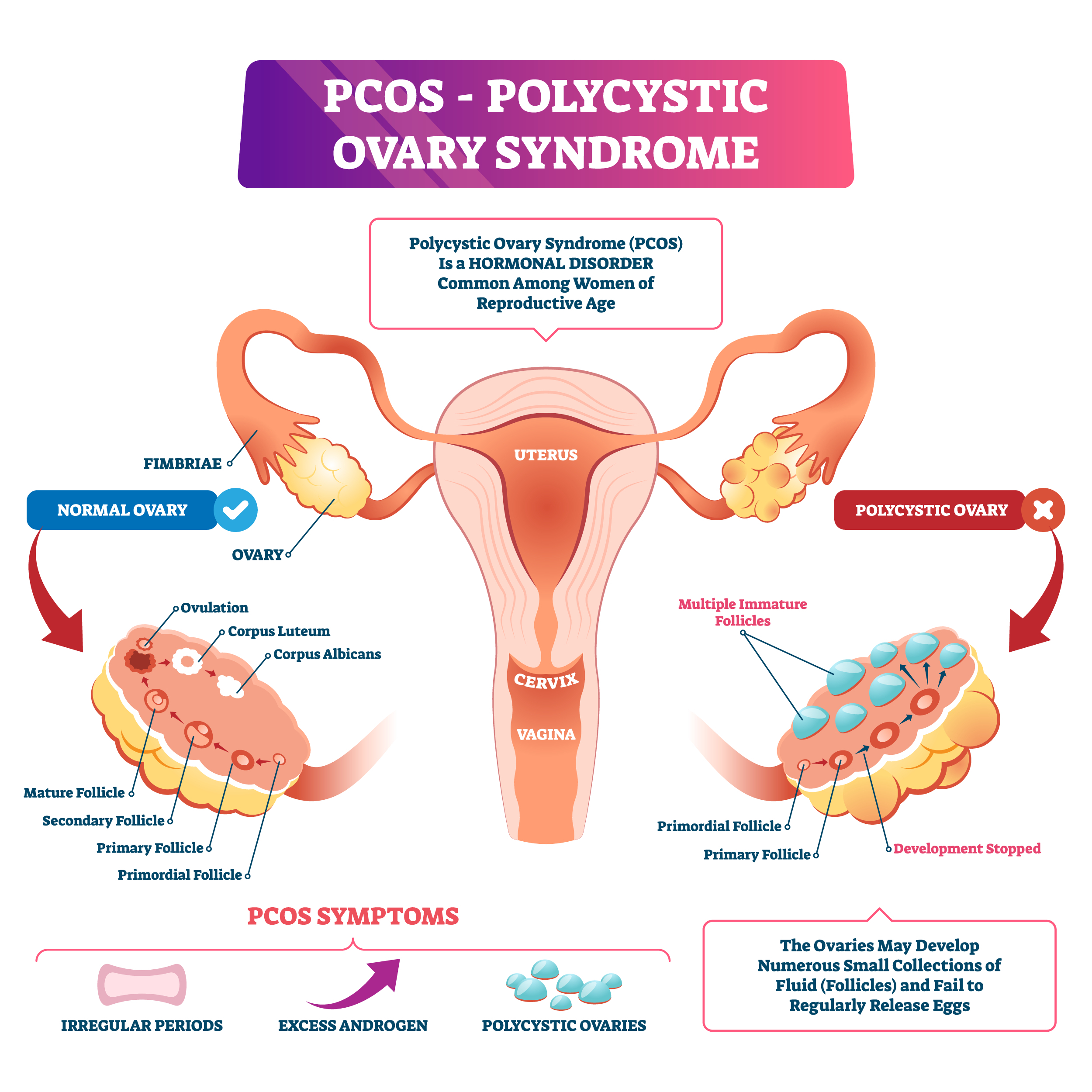
While probability of childbirth is similar between groups, women with PCOS need longer time to get pregnant.  Earlier diagnosis and intervention can shorten the time to get pregnant with PCOS and improve the chances for live birth. You need to educate yourself and seek care from fertility specialists. It is also important that you start as early as possible. Let’s take a deeper look at the introduction to PCOS.

Getting pregnant with PCOS, but what is it?

PCOS, as the name implies, is a syndrome, a collection of symptoms. These symptoms vary between individuals.  Your reproductive endocrinologist specialist (REI) will conduct a thorough health history review and order hormone analysis that can help with a diagnosis.  

The three features of PCOS are:

  1. High levels of “male” sex hormones, such as testosterone
  2. A large number of immature ovarian follicles (fluid-filled sacs that develop and release eggs)
  3. Irregular menstrual cycles (typically less than 10 per year)

If you have two out of three, yes you do have PCOS. Later we will explain how to find out.

How likely is it to get pregnant with PCOS

How many people suffer from PCOS?

Millions. 1 in 10 women. Moreover, 70% of people with PCOS are either misdiagnosed or undiagnosed. So you may suspect you have PCOS, but still not know for sure. Get checked.

What causes PCOS?

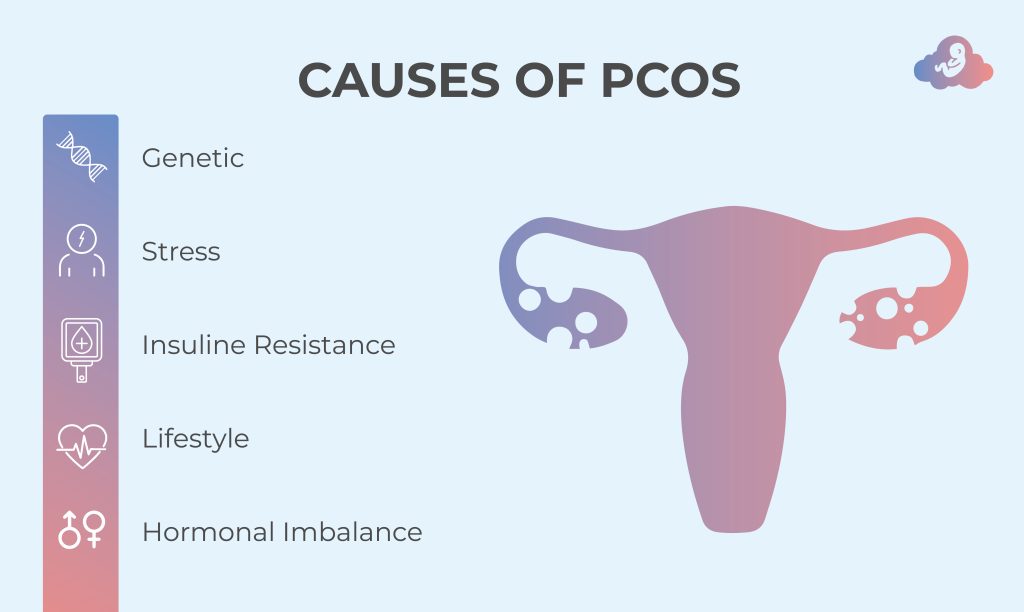
Although we do not currently know the exact underlying cause of PCOS, we think it is due to abnormal hormone secretion in the brain along with abnormal insulin sensitivity in the muscles, and here is how it works:

1. Your cells are not responding normally to insulin which leads to its high levels of insulin. It’s called insulin resistance. Insulin controls how food is changed into energy. As a result of resistance, your insulin blood levels become higher.

2. Insulin resistance can also lead to high levels of androgens (male hormones) can prevent the ovaries from releasing an egg during each menstrual cycle, also causing extra hair growth and acne.

Chances of Getting Pregnant with PCOS

Polycystic Ovary Syndrome (PCOS) is a common condition that affects a woman’s hormone levels, menstrual cycle, and ability to conceive. Many women with PCOS wonder about their chances of getting pregnant. Let’s take a closer look at the factors that can impact fertility in women with PCOS.

Factors Affecting Fertility in Women with PCOS

There are several factors that can affect the chances of getting pregnant with PCOS:

  • Irregular menstrual cycles: Women with PCOS often have irregular periods, which can make it difficult to predict ovulation and conceive.
  • Insulin resistance: Many women with PCOS have insulin resistance, which can lead to high levels of insulin in the body. This can disrupt the normal balance of reproductive hormones and affect fertility.
  • High levels of androgens: Women with PCOS may have higher than normal levels of androgens, which can interfere with the development and release of eggs from the ovaries.

Improving Fertility with PCOS

While getting pregnant with PCOS may present some challenges, there are steps that women can take to improve their chances of conceiving:

  • Healthy lifestyle: Maintaining a healthy weight, eating a balanced diet, and getting regular exercise can help improve fertility in women with PCOS.
  • Medication: Fertility medications such as clomiphene citrate or letrozole may be prescribed to help induce ovulation in women with PCOS.
  • Assisted reproductive technologies: In some cases, procedures such as in vitro fertilization (IVF) may be recommended to help women with PCOS conceive.

PCOS and Pregnancy Rate

Women with Polycystic Ovary Syndrome (PCOS) often face challenges when trying to conceive. However, it is important to note that pregnancy is still possible for women with PCOS, and there are various factors that can influence the pregnancy rate.

Effect of Weight

One of the key factors that can impact the pregnancy rate for women with PCOS is weight. Research has shown that 5-10% of body weight loss can significantly improve the chances of conceiving for women with PCOS. This is because excess weight can disrupt hormone levels and ovulation, making it harder to get pregnant.

It is important for women with PCOS to maintain a healthy weight through a balanced diet and regular exercise to improve their chances of conceiving.

Role of Hormonal Imbalance

Another factor that can affect the pregnancy rate for women with PCOS is hormonal imbalance. Women with PCOS often have higher levels of androgens, which can interfere with the regularity of their menstrual cycles and ovulation. This can make it more difficult to get pregnant.

Managing hormonal imbalance through medication and lifestyle changes can help regulate menstrual cycles and improve the chances of conceiving for women with PCOS.

How do I know I have PCOS?

Help us to help you:

  1. Track your menstrual cycles. How frequently they occur and how long they last ( and how painful or heavy they are). Report if your cycles are greater than 45 days apart or less than 10 per year
  2. Complete the work up recommended by your REI: get bloodwork done or order home test kits to check certain hormone levels
  3. Confirm polycystic ovaries using an ultrasound

Remember! PCOS is a spectrum and will have variable presentation and symptoms. The diagnosis is made when two of the three criteria are present.

Chances of Getting Pregnant with PCOS Naturally

Many women with Polycystic Ovary Syndrome (PCOS) wonder about their chances of getting pregnant without medical intervention. While PCOS can make it more difficult to conceive, it is still possible to get pregnant naturally with PCOS.

Understanding PCOS and Fertility

PCOS is a hormonal disorder that can cause irregular periods, high levels of androgens (male hormones), and cysts on the ovaries. These factors can make it harder for women with PCOS to ovulate regularly, which can affect their fertility and introduce fertility problems.

However, it’s important to note that not all women with PCOS have difficulty getting pregnant. Some women with PCOS are able to conceive without any issues, while others may need medical assistance.

PCOS and Pregnancy Success Rate Naturally

Many women with Polycystic Ovary Syndrome (PCOS) struggle with infertility, but there are natural methods that can help improve the chances of getting pregnant.

Healthy Diet and Exercise

Eating a balanced diet and maintaining a healthy weight can help regulate hormones and improve fertility in women with PCOS. Incorporating regular exercise into your routine can also help manage symptoms of PCOS and increase the likelihood of conceiving naturally.

Consider adding more fruits, vegetables, and whole grains to your diet while reducing processed foods and sugary treats. Aim for at least 30 minutes of moderate exercise most days of the week.

Stress Management

High levels of stress can negatively impact fertility, so finding ways to manage stress is crucial for women with PCOS who are trying to conceive naturally. Consider practicing yoga, meditation, or deep breathing exercises to help reduce stress levels.

Additionally, getting enough sleep and taking time for self-care can also contribute to overall well-being and improve the chances of getting pregnant.

Is it possible to get pregnant with PCOS quickly?

Is it hard to conceive with PCOS? Yes. However, getting pregnant in general is not a quick process. While a completely healthy young couple has a 25% chance of getting pregnant during a single cycle, chances of “absolutely healthy” individuals reduce with aging. PCOS makes it even more complicated. A few of our patients have conceived on their first cycle using standard medicated treatment. Although this is a rare case, Charity W from Oklahoma decided to share her experience with you:

Can I get pregnant with PCOS and no periods?

Is it impossible to conceive with PCOS without having periods? No. As you’ve seen in the testimonial above, Charity didn’t have periods at all and she got pregnant during her first cycle of treatment. Although medical miracles are rare, women with PCOS have one of the best prognosis when undergoing fertility treatment and most of them will eventually become pregnant. Even if they didn’t have periods before the treatment.

How to get pregnant with PCOS?

The good news is that with treatment, most patients would get pregnant. If the initial lifestyle changes like losing weight are not successful in initiating regular menses or you are not able to delay treatment, we recommend you start acting immediately, especially if you are over 35 years old, as the chances of pregnancy begin to decline. Also, there are some medical disorders that can mimic PCOS, so we strongly recommend you visit a Reproductive Endocrinologist with experience in evaluating and managing women with PCOS. Please, do not wait and do not lose your precious time.

There are two types of medicines used in fertility treatments for patients with PCOS:

Clomiphene or Letrozole

are usually the first medication type recommended for women with PCOS who are trying to get pregnant. Both medicines induce ovulation by encouraging recruitment, growth, and the monthly release of an egg from the ovaries (ovulation).

Metformin

Makes the body more sensitive to ovulation inducing medications if Clomiphene or Letrozole are unsuccessful in encouraging ovulation.

We can also recommend as appropriate supplements  from Theralogix™ that have been proven to help with fertility.  They include CoQ10, Inositol, and prenatal vitamins.  There are also supplements available for men to improve sperm quality.

Metformin is often used to treat type 2 diabetes, but it can also lower insulin and blood sugar levels in women with PCOS. As well as stimulating ovulation, encouraging regular monthly periods, and lowering the risk of miscarriage, metformin can also have other long-term health benefits, such as making cholesterol levels lower.

Are there any real success stories of getting pregnant with PCOS?

There are millions of stories like this, including our own patients. The following one is also real and very complicated at the same time. Keep in mind that you should not take it as treatment advice. Every case can be individualized.

Tiffany came to Fertility Cloud after three cycles of Clomid and two cycles of Letrozole ovulation induction. She was a 28-year old woman who had not been pregnant previously, diagnosed with PCOS at age twenty-one and has been on birth control until she started trying to get pregnant.

Testing confirmed the diagnosis of PCOS. Unfortunately, she did not ovulate on clomiphene and her initial trial of letrozole. Our approach was to make her ovaries more sensitive to ovulation induction. We started her on metformin and a small dose of dexamethasone. Then we increased her dose of letrozole. She ovulated in the first month and became pregnant after three cycles. 

So, what does it mean for me?

Although while it is hard to get pregnant with PCOS, the good news is that women with PCOS typically have some of the best forecast when undergoing fertility treatment. Most of them will eventually become pregnant. Treatment has improved significantly and has become more effective as well. The general rule in fertility treatments is the sooner you begin, the more likely you are to succeed. And it’s smart to choose an experienced doctor with an understanding of PCOS.  Don’t delay!  A consultation with a qualified REI can clear up any confusion or concerns you may have about getting pregnant with PCOS.


How likely is it to get pregnant with PCOS
Your subscription could not be saved. Please try again.
Your subscription has been successful.

Stay Informed

Subscribe to our newsletter to receive treatment updates

Getting Pregnant after 30, 35 or even 40

Uncover all the information you need about getting pregnant at a late age

The relevance of age

According to research over the last 40 years, a healthy 30 year old woman has about a 20% chance of getting pregnant each month. A healthy, ovulatory 40-year-old woman’s chance per month is 5% (1,6). The decline is slow and steady up until the age of about 35. After that the decline becomes steeper. These ranges and time frames have been established through multiple studies and have been consistent for the last 30+ years. Getting pregnant after 40 the decline in fertility is attributed to depletion of ovarian oocyte (eggs) reserve and is determined by genetic, environmental, and lifestyle factors.(2).

how to get pregnant after 40
How likely is to get pregnant at certain age

What makes it hard to get pregnant after 35 or 40?

Although your changes of getting pregnant after 35 or 40 are decreasing, there are good news. Age at conception does have bearing on time to pregnancy in a healthy, ovulatory woman. In general, fecundity (a woman’s physiological ability to have a child) is reported as age ranges because it is difficult to correlate a specific age to a specific chance of success. There are also factors that can affect reproductive aging. These include other medical conditions that can have an effect such as endometriosis, fibroids, genetic conditions (errors in number of chromosomes), environmental influences, obesity, smoking, thyroid gland dysfunction, history of sexually transmitted diseases (STDs), and ovulatory dysfunction, to name a few (2,3).

PCOS stands for Polycystic Ovarian Syndrome, it is the most common form of ovulatory ovarian dysfunction.  The pathology of PCOS makes ovulation irregular and unpredictable, making the timing of intercourse for conception difficult and mostly trying to get pregnant after 40.

There could also be issues with male fertility such as erectile dysfunction and sperm quality issues. Male evaluation initially consists of a semen analysis and potentially other endocrine blood testing to evaluate any severe sperm abnormality.

How can fertility specialist can help to conceive after 35 or 40?

Most of the factors other than extreme reproductive age are usually treatable. When you start you journey to get pregnant after 40, the first step is a comprehensive evaluation of both you and your partner (if applicable). We test your ovarian reserve to gauge likelihood of adequate number of eggs produced per cycle, prolactin levels since the elevated levels can affect regularity of ovulation, and PCOS testing. If there are any positive findings, we can offer prescription medications or supplements beneficial for conception (5).

There are supplements that both partners can take that have been shown to be beneficial for conception and getting pregnant after 40.  Lifestyle modification and diet changes (such as following the Mediterranean diet) can also positively impact your chances to get pregnant after 40. Controlling your stress and regular moderate exercise also confer benefits (3,4).

The journey

Getting pregnant after 40 years old, especially in the face of infertility challenges, is a complex and emotional journey that many individuals and couples find themselves navigating. The desire for parenthood does not diminish with age, and the longing to conceive and welcome a child into one’s life remains strong. While fertility may decline with age, it’s essential to acknowledge that getting pregnant after 40 is not impossible, and there are various avenues to explore on this remarkable path.

In the midst of infertility concerns, it is crucial to seek expert guidance and remain informed about the available options. Fertility treatments, such as in vitro fertilization (IVF) and the use of donor eggs, have proven to be successful for many individuals in their 40s, offering renewed hope and possibilities. Additionally, maintaining a healthy lifestyle, including a balanced diet, regular exercise, and stress management, can positively impact fertility, no matter one’s age.

Moreover, the relevance of emotional support cannot be overstated. The emotional toll of facing infertility and the challenges of getting pregnant after 40 can be overwhelming. Finding a support network, whether through friends, family, or support groups, is crucial in navigating the ups and downs of this journey.

Conclusion

In conclusion, while getting pregnant after 40 may present unique challenges, it is a goal within reach for many. Infertility should not be a deterrent, but rather a call to explore the many available options and seek professional advice. With perseverance, emotional support, and the right approach, individuals can overcome obstacles and realize their dreams of parenthood even at an age when conventional wisdom might suggest otherwise.

Please click the link below for a consultation with an experienced Reproductive Endocrinologist. You can also follow us on Facebook or return to our website for updated information about your fertility journey.

how to get pregnant after 40
Your subscription could not be saved. Please try again.
Your subscription has been successful.

Stay Informed

Subscribe to our newsletter to receive treatment updates

How Quitting Smoking Boosts Fertility and Increases Pregnancy Chances

How Quitting Smoking Boosts Fertility and Increases Pregnancy Chances

Smoking has long been associated with various health risks, but did you know that it can also have a significant impact on female fertility? From affecting ovarian function to causing hormonal imbalances, smoking can potentially hinder a woman’s chances of conceiving. In this article, we will explore the science behind smoking and reproductive health, shedding light on the potential connections between smoking and infertility.

smoking and pregnancy

The Science Behind Smoking and Reproductive Health

When a woman smokes, the toxic chemicals present in cigarette smoke can travel through her bloodstream and directly affect her reproductive system. This can lead to a range of reproductive health issues, including difficulties in conceiving and an increased risk of miscarriage.

Research has shown that smoking can affect not only the woman’s fertility but also the quality of her eggs, making it harder for fertilization to occur successfully. Moreover, exposure to secondhand smoke can also pose risks to female fertility, making it crucial for nonsmoking women to be aware of their surroundings.

Furthermore, smoking during pregnancy can have detrimental effects on the developing fetus. The chemicals in cigarettes, such as nicotine and carbon monoxide, can restrict the oxygen and nutrients that the baby receives, leading to potential growth issues and an increased risk of premature birth. It is essential for expectant mothers to quit smoking to ensure the best possible outcomes for both themselves and their babies.

Additionally, smoking can impact male reproductive health as well. Men who smoke may experience a decrease in sperm count and motility, reducing the chances of successful fertilization. Furthermore, smoking has been linked to erectile dysfunction, which can further complicate matters for couples trying to conceive. Quitting smoking is not only beneficial for overall health but also plays a significant role in improving fertility and reproductive outcomes for both men and women.

How Smoking Affects Ovarian Function

Smoking has been found to have a negative impact on ovarian function. It can lead to an earlier onset of menopause, causing the ovaries to age more rapidly. This means that women who smoke may experience a decline in their ovarian reserve, the number and quality of the eggs they have available for fertilization.

Additionally, smoking can disrupt the delicate balance of hormones in the body, leading to irregular menstrual cycles and making it more challenging for ovulation to occur. As a result, the chances of getting pregnant naturally decrease significantly.

Furthermore, research has shown that smoking can also increase the risk of developing ovarian cancer. The harmful chemicals in cigarette smoke can damage the DNA in ovarian cells, potentially leading to the formation of cancerous tumors. This risk is further compounded by the fact that smoking weakens the immune system, making it less effective at detecting and fighting off cancerous cells in the body.

Moreover, the impact of smoking on ovarian function extends beyond fertility and cancer risk. Studies have indicated that women who smoke may experience more severe symptoms of conditions such as polycystic ovary syndrome (PCOS) and endometriosis. These gynecological disorders can be exacerbated by the inflammatory effects of smoking, leading to increased pain, irregular bleeding, and potential complications in managing these conditions.

The Impact of Cigarette Chemicals on Egg Quality

Cigarette smoke contains numerous harmful chemicals, such as nicotine and carbon monoxide, which can directly affect the quality of a woman’s eggs. These chemicals can cause oxidative stress and damage the DNA of the eggs, making them less viable for successful fertilization.

Furthermore, the toxins present in cigarette smoke can impair the blood flow to the ovaries, reducing their ability to nourish the developing eggs properly. This can further compromise the quality and maturation of the eggs, diminishing the chances of a healthy pregnancy.

Studies have shown that cigarette smoke can also disrupt the hormonal balance in women, leading to irregular menstrual cycles and ovulation. This hormonal interference can impact the timing of egg release, reducing the window of opportunity for conception.

Moreover, the impact of cigarette chemicals on egg quality is not only limited to natural conception but can also affect the success rates of assisted reproductive technologies, such as in vitro fertilization (IVF). Research indicates that women who smoke may have lower success rates with IVF procedures due to the detrimental effects of cigarette toxins on egg quality.

Smoking and Hormonal Imbalances: What You Need to Know

Smoking cigarettes can disrupt the delicate balance of hormones in a woman’s body. Nicotine, one of the addictive substances found in cigarettes, can interfere with the production and function of hormones crucial for reproductive health.

Specifically, smoking has been shown to increase levels of follicle-stimulating hormone (FSH) and decrease levels of estradiol, a form of estrogen. This hormonal imbalance can disrupt the regular menstrual cycle and impair the normal functioning of the reproductive system, negatively impacting fertility.

Additionally, smoking can also affect the receptivity of the uterus to an embryo, further reducing the chances of successful implantation and pregnancy.

Furthermore, smoking not only affects female hormones but also impacts male reproductive health. Studies have shown that smoking can lead to decreased sperm quality, lower sperm count, and impaired sperm motility. This can significantly reduce the chances of conception and increase the risk of infertility in couples where one or both partners smoke.

It is important to note that the harmful effects of smoking on hormonal balance and reproductive health are not limited to natural conception. Assisted reproductive technologies, such as in vitro fertilization (IVF), may also be less successful in women who smoke due to the negative impact of smoking on egg quality and uterine receptivity.

Secondhand Smoke: Risks for Female Fertility

While the harmful effects of smoking on fertility have primarily been associated with active smokers, it’s essential not to overlook the risks of secondhand smoke. Nonsmoking women who are regularly exposed to secondhand smoke may experience similar reproductive health issues as active smokers.

Studies have indicated that exposure to secondhand smoke can lead to a decrease in ovarian reserve, increased risk of miscarriage, and difficulties in conceiving. Therefore, it’s crucial for nonsmoking women to minimize their exposure to smoke and create a smoke-free environment for optimal reproductive health.

Furthermore, the impact of secondhand smoke on female fertility extends beyond just conception difficulties. Research has shown that exposure to secondhand smoke can also disrupt hormone levels in women, affecting the menstrual cycle and overall reproductive function. This hormonal imbalance caused by secondhand smoke can not only hinder fertility but also lead to other health complications.

Moreover, it’s important to recognize that the effects of secondhand smoke on female fertility are not limited to just the reproductive system. Studies have suggested a potential link between secondhand smoke exposure and an increased risk of developing gynecological conditions such as endometriosis and polycystic ovary syndrome (PCOS). These conditions can further exacerbate fertility issues and have long-term implications on a woman’s reproductive health.

Age, Smoking, and Fertility: Understanding the Connection

As women age, their fertility naturally declines. However, smoking can exacerbate this decline and have an even more significant impact on a woman’s reproductive potential. The combination of smoking and advancing age can lead to a substantial reduction in fertility, making it increasingly challenging to achieve pregnancy.

Research has shown that women who smoke may experience a higher risk of infertility compared to nonsmoking women of the same age. Moreover, even if a smoking woman does conceive, she may face increased risks of complications during pregnancy, such as ectopic pregnancy and preterm delivery.

It is essential to understand the mechanisms through which smoking affects fertility. Smoking can damage the ovaries and eggs, leading to decreased ovarian reserve and quality. This damage can accelerate the natural decline in fertility that occurs with age, making it more difficult for women to conceive as they get older. Additionally, smoking has been linked to hormonal imbalances that can further disrupt the delicate reproductive processes in the female body.

Furthermore, the harmful chemicals in cigarettes, such as nicotine and carbon monoxide, can have a detrimental impact on the developing fetus if a woman smokes during pregnancy. These substances can restrict the flow of oxygen and nutrients to the baby, increasing the risk of growth restrictions and developmental issues. Therefore, quitting smoking is not only beneficial for a woman’s fertility but also crucial for ensuring a healthy pregnancy and the well-being of the unborn child.

Success Stories: Overcoming Infertility After Quitting Smoking

While the effects of smoking on female fertility may seem discouraging, there is hope. Many women have successfully overcome infertility by making the decision to quit smoking.

Quitting smoking can improve the overall health of the reproductive system, enhance the quality of eggs, and restore hormonal balance. By taking this significant step, women can increase their chances of conceiving naturally and experience a healthier pregnancy.

There are various resources and support systems available to assist women in quitting smoking, such as smoking cessation programs, nicotine replacement therapies, and counseling. Seeking professional help and adopting a smoke-free lifestyle can be transformative for both fertility and overall well-being.

It’s important to note that smoking not only affects female fertility but also male fertility. Men who smoke have lower sperm count, decreased sperm motility, and increased DNA damage in sperm, all of which can contribute to infertility. Quitting smoking can improve sperm quality and increase the chances of successful conception.

Furthermore, smoking during pregnancy can have detrimental effects on both the mother and the developing fetus. It increases the risk of pregnancy complications such as miscarriage, preterm birth, low birth weight, and birth defects. By quitting smoking before conception, mothers can significantly reduce these risks and ensure a healthier environment for their baby to grow and develop.

Tips for Women: Reducing Fertility Risks Associated with Smoking

If you are a woman who smokes and are considering starting a family or trying to conceive, taking steps to reduce your fertility risks is crucial.

Here are some tips to help you on your journey:

  1. Quit smoking: The most effective way to minimize the negative impact of smoking on fertility is to quit altogether. Seek professional help and support to increase your chances of success.
  2. Seek medical advice: Consult with a healthcare provider specialized in reproductive health. They can provide personalized guidance and recommend appropriate fertility treatments if needed.
  3. Adopt a healthy lifestyle: Maintain a balanced diet, engage in regular exercise, and manage stress effectively. These lifestyle factors can positively influence fertility and increase your chances of conception.
  4. Minimize exposure to secondhand smoke: Avoid environments where smoking is prevalent, especially during the critical preconception period.
  5. Consider fertility preservation: If you are not yet ready to conceive but plan to in the future, considering fertility preservation options, such as freezing eggs, may be beneficial.

While the journey to overcoming smoking-related fertility risks may present challenges, remember that each step you take brings you closer to a healthier future and the possibility of starting or expanding your family.

Conclusion

Smoking can indeed cause infertility in females. The scientific evidence highlights the detrimental effects of smoking on ovarian function, egg quality, hormonal balance, and overall reproductive health. By understanding these connections and making the decision to quit smoking, women can significantly improve their fertility outcomes and enhance their chances of conceiving naturally. Prioritizing a smoke-free lifestyle and seeking professional support are vital steps towards a healthier reproductive journey.

Your subscription could not be saved. Please try again.
Your subscription has been successful.

Stay Informed

Subscribe to our newsletter to receive treatment updates

Can women have children at any age?

When is too late to have children?

In today’s society, women have more choices than ever before when it comes to starting a family. With advancements in reproductive technology and changing societal norms, the question of whether women can have children at any age has become a hot topic of discussion. In this article, we will explore the various factors that influence female fertility, the science behind reproduction, the risks and complications associated with late pregnancy, and the available fertility treatments and assisted reproduction options. Additionally, we will delve into the social and psychological aspects of late motherhood. So, let’s dive in and explore the world of female fertility!

Understanding Female Fertility

Female fertility is a complex and fascinating subject. While women are born with all the eggs they will ever have, the quality and quantity of those eggs change as they age. This is where the concept of the “biological clock” comes into play. But is it fact or fiction?

The Biological Clock: Fact or Fiction?

It is true that women are most fertile in their twenties and early thirties. During this time, the chances of conceiving without medical intervention are higher, and the risk of certain pregnancy complications is lower. However, the idea that all women experience a sudden decline in fertility once they reach a certain age is not entirely accurate.

While it is true that fertility gradually declines as women get older, some women may still be able to conceive naturally well into their forties. Factors such as overall health, lifestyle choices, and genetics can play a role in determining individual fertility levels.

How Age Affects Fertility

As women age, the quality and quantity of their eggs tend to decline. This decrease in egg quality can lead to a higher risk of chromosomal abnormalities, which can result in miscarriages or certain genetic disorders. Additionally, the chances of experiencing difficulties in conception, such as infertility or subfertility, increase with age.

Age also affects other aspects of reproductive health. For example, the risk of developing certain pregnancy-related complications, such as gestational diabetes, preeclampsia, or placenta previa, is higher in older mothers. Therefore, while women may still be able to have children later in life, it is essential to be aware of these potential risks.

Common Misconceptions About Female Fertility

There are several common misconceptions surrounding female fertility. One of the most prevalent misconceptions is that women can easily conceive naturally at any age. While some women may indeed have success in getting pregnant later in life, it is not a guarantee for everyone.

Another misconception is that fertility treatments can solve all fertility issues. While fertility treatments like in vitro fertilization (IVF) have helped many women achieve their dream of motherhood, they are not a guaranteed solution for everyone. It is crucial to consult with a fertility specialist to determine the best course of action.

Furthermore, it is important to recognize that fertility is not solely a female issue. Male fertility also plays a significant role in the conception process. Sperm quality and quantity can also decline with age, affecting the chances of successful fertilization. Therefore, when considering fertility, it is essential for both partners to undergo evaluation and testing to ensure a comprehensive understanding of the situation.

Additionally, it is worth noting that fertility is not solely determined by age. Various lifestyle factors can impact fertility, such as smoking, excessive alcohol consumption, poor diet, and high levels of stress. Making healthy lifestyle choices and maintaining overall well-being can positively influence fertility outcomes.

The Science Behind Reproduction

Before we delve deeper into the various aspects of female fertility, let us first understand the science behind reproduction and how it works.

Reproduction is a complex process that involves the fusion of male and female gametes to create a new life. In humans, this process begins with the release of an egg from a woman’s ovaries, which then travels through the fallopian tube, awaiting fertilization by sperm. If fertilization occurs, the egg implants itself in the uterus, leading to pregnancy.

The Role of Eggs in Reproduction

Eggs play a crucial role in reproductive health. Each month, a woman releases an egg from her ovaries during ovulation. If the egg is fertilized by sperm during this time, pregnancy occurs. However, if the egg remains unfertilized, it is shed along with the lining of the uterus during menstruation.

Understanding the journey of an egg from its release to potential fertilization provides insight into the intricate processes that govern human reproduction. The egg, also known as an ovum, is a single, large cell that carries half of the genetic material needed to create a new individual. This genetic material combines with that of the sperm to form a zygote, marking the beginning of a new life.

The Impact of Age on Egg Quality and Quantity

Age has a significant impact on both egg quality and quantity. As women age, the number of eggs decreases due to the natural aging process, known as ovarian reserve decline. Additionally, the remaining eggs may have more genetic abnormalities, making conception more difficult.

Furthermore, the chances of having a baby with certain genetic disorders, such as Down syndrome, increase with maternal age. This is because the quality of the eggs declines, making them more prone to chromosomal abnormalities.

It is essential for individuals to be aware of the effects of age on fertility and reproductive health, as it can influence the success of conception and pregnancy. Seeking medical advice and support can help navigate these challenges and explore options for assisted reproductive technologies if needed.

Risks and Complications Associated with Late Pregnancy

While many women successfully navigate pregnancy later in life, it is essential to be aware of the potential risks and complications that may arise.

Advanced maternal age, typically defined as age 35 and older, can bring about unique challenges and considerations for expectant mothers. Beyond the joy of pregnancy, older mothers may face increased health risks for themselves and their babies.

Health Risks for Older Mothers

As women age, they may be at a higher risk of developing certain health conditions during pregnancy. These conditions can include gestational diabetes, preeclampsia, placenta previa, and high blood pressure. It is essential for older mothers to receive proper prenatal care and monitoring to mitigate these risks.

Furthermore, older mothers may also encounter challenges related to fertility and conception. The likelihood of experiencing fertility issues, such as difficulty conceiving or an increased risk of miscarriage, tends to rise with age. Seeking assistance from fertility specialists or reproductive endocrinologists may be necessary for older women trying to conceive.

Risks for the Baby

Advanced maternal age is associated with an increased risk of certain birth defects and genetic disorders in babies. Additionally, the risk of stillbirth and low birth weight may also be higher for older mothers. Regular screenings and medical evaluations can help identify and manage these risks.

It is crucial for older mothers to maintain open communication with their healthcare providers throughout the pregnancy journey. By staying informed and proactive, women can take steps to safeguard their health and the well-being of their babies, ensuring a smoother and healthier pregnancy experience.

Fertility Treatments and Assisted Reproduction

For women facing fertility challenges, there are several fertility treatments and assisted reproduction options available. These advancements in medical technology have provided hope and solutions for individuals and couples struggling to conceive.

Understanding the various options can empower individuals to make informed decisions about their reproductive health, leading to more personalized and effective treatment plans.

In Vitro Fertilization (IVF)

IVF is a widely known assisted reproduction technique that involves fertilizing an egg with sperm in a laboratory setting. The resulting embryos are then transferred into the woman’s uterus. IVF has helped many couples overcome fertility issues and fulfill their dream of having a child. This complex procedure requires careful monitoring and coordination between medical professionals and patients to optimize the chances of a successful pregnancy.

Furthermore, the emotional journey of undergoing IVF can be both challenging and rewarding, as individuals navigate the physical and psychological aspects of fertility treatment.

Egg Freezing and Donation

Egg freezing allows women to preserve their fertility by retrieving and freezing their eggs for future use. This is particularly beneficial for women who may want to delay childbearing for various personal or medical reasons. Additionally, egg donation provides an alternative option for women who may not have viable eggs but still desire to experience pregnancy and childbirth.

Both egg freezing and donation have opened up new possibilities for individuals to take control of their reproductive futures, offering flexibility and choice in family planning.

The Social and Psychological Aspects of Late Motherhood

Late motherhood can bring about unique challenges and experiences that differ from becoming a mother at a younger age. Let’s delve deeper into the social and psychological aspects of this journey.

The Stigma Around Older Mothers

Despite progress in gender equality and reproductive choices, there is still a lingering stigma surrounding older mothers. Society, at times, may judge women who decide to have children later in life. However, it is important to remember that motherhood is a personal choice, and women should feel empowered to make decisions that align with their desires and circumstances.

One reason for the stigma may be the perception that older mothers may not have the same energy levels as younger mothers. However, it is essential to recognize that energy levels vary among individuals, regardless of age. Many older mothers are vibrant, active, and fully capable of providing a loving and nurturing environment for their children.

The Benefits of Having Children Later in Life

While there are risks associated with late motherhood, there are also several potential benefits. Older mothers may have more life experience, financial stability, and emotional maturity, which can positively impact their parenting. These factors can contribute to a nurturing and stable environment for the child.

Furthermore, older mothers often have established careers and financial stability, which can provide a solid foundation for their child’s future. They may have had the opportunity to travel, pursue personal goals, and gain a broader perspective on life, which can enrich their parenting style and the experiences they share with their children.

It is important to note that late motherhood can also have its challenges. Women may face increased health risks during pregnancy, and the process of conception may require additional medical interventions. However, with advancements in reproductive technology and increased awareness of fertility preservation options, the scope of possibilities for women who wish to become mothers later in life has widened.

Understanding the biological and social aspects of female fertility is vital for women and couples as they navigate their reproductive journeys. Remember, every individual’s fertility journey is unique, and it is essential to seek guidance from medical professionals and make choices that align with personal circumstances and desires.

Your subscription could not be saved. Please try again.
Your subscription has been successful.

Stay Informed

Subscribe to our newsletter to receive treatment updates