Fertility Specialist

Is It Harder To Get Pregnant When Overweight?

Getting pregnant when overweight

Learn about your chances of getting pregnant when you’re overweight

Is It Harder To Get Pregnant When Overweight?

Good news! You can get pregnant when overweight or obese. Pregnancy is a joyful time. It is also a period that harbors conflicting emotions. Some women experience joy, shock, scary or overwhelming episodes.

For many, it is a period of overwhelming joy and exhilaration. However, for some women, this may not be the case. More often than not, doctors advise overweight and obese women against pregnancy. 

Most doctors would advise you to shed weight before a pregnancy. This is because a woman’s weight bears significant implications that complicate the joyous process of pregnancy.

In the United States, more than half of pregnant women are obese. 8% of this statistic is considered to be extremely obese. Although medical practitioners advise against getting pregnant if you’re overweight, there are ways to circumvent it to ensure you have a safe and risk-free delivery. In this article, we’ll cover all the nitty gritty that relates to obese pregnancy.

Getting pregnant while overwieght
Is It Harder To Get Pregnant When Overweight?

Can Obese Women Get Pregnant?

Yes, obese women can get pregnant; however, the chances are slim. Getting Pregnant overweight and obesity makes it harder for women to conceive since it hinders ovulation. If you’re considering getting pregnant, a doctor may advise you to adhere to a healthy diet, exercise and take prenatal vitamins. 

Some women may opt for weight loss surgery. However, it’s imperative to consult your doctor on the healing period before you can start your pregnancy journey. Obese women tend to have a longer time getting pregnant, even if their ovulation is regular. 

How Does Obesity Affect Pregnancy?

Obesity is linked to various fertility issues. The primary concerns are infertility, frequent miscarriages and ovulatory dysfunction. Research suggests that Polycystic ovary syndrome (PCOS) is the leading cause of infertility. 

Nonetheless, recent discoveries link obesity to PCOS. Statistics indicate that 80% of women diagnosed with PCOS are obese

Obesity means that your body has a higher concentration of fat cells. These fat cells tend to produce high estrogen levels that inhibit ovulation, affecting fertility. In a nutshell, obesity impacts your reproductive health, making it difficult to get pregnant. Notwithstanding, it’s not always the case. While you may not have trouble getting pregnant while obese, it may disrupt your menstrual and ovulation cycles. 

Furthermore, obesity may also hinder fertility treatments such as in vitro fertilization (IVF). IVF refers to combining a sperm and an egg in the lab, which is later planted in your uterus. Obese women are less likely to get pregnant with IVF. Furthermore, obese women respond poorly to ovarian stimulation and require higher gonadotropin doses. Also, the rate of miscarriages tends to be high.

Additionally, being obese makes it challenging to have an ultrasound. Since the process uses sound waves to check your baby’s status when pregnant, having excessive fat around your abdomen may impair this process. 

However, there is a silver lining. Proportionally obese women have less risk during conception. If your body fat is equally distributed or you carry more fat in your butt, you may quickly get pregnant. On the other hand, the risk tends to be significantly higher for women with a predominantly apple-shaped body, where the weight is concentrated around the abdomen.

How Does Obesity Cause Infertility in Females?

Excessive weight gain affects female fertility. According to the American Society for Reproductive Medicine (ASRM), six per cent of women struggle with fertility issues due to obesity. Moreover, the amount and distribution of fat in your body can affect hormone production, which regulates the menstrual cycle. Obese women have a high concentration of leptin hormone. A high concentration of this hormone in the body reduces fertility. 

Obesity impairs fertility in a three-step process. First, the high concentration of fat cells in your body converts androstenedione, the male hormone, to estrone, the female hormone. High levels of estrone then affect the body’s regulation of ovarian and testicular function. This eventually affects your reproductive cycle, making it difficult to conceive.

How Can You Tell If You’re Obese When Trying To Get Pregnant?

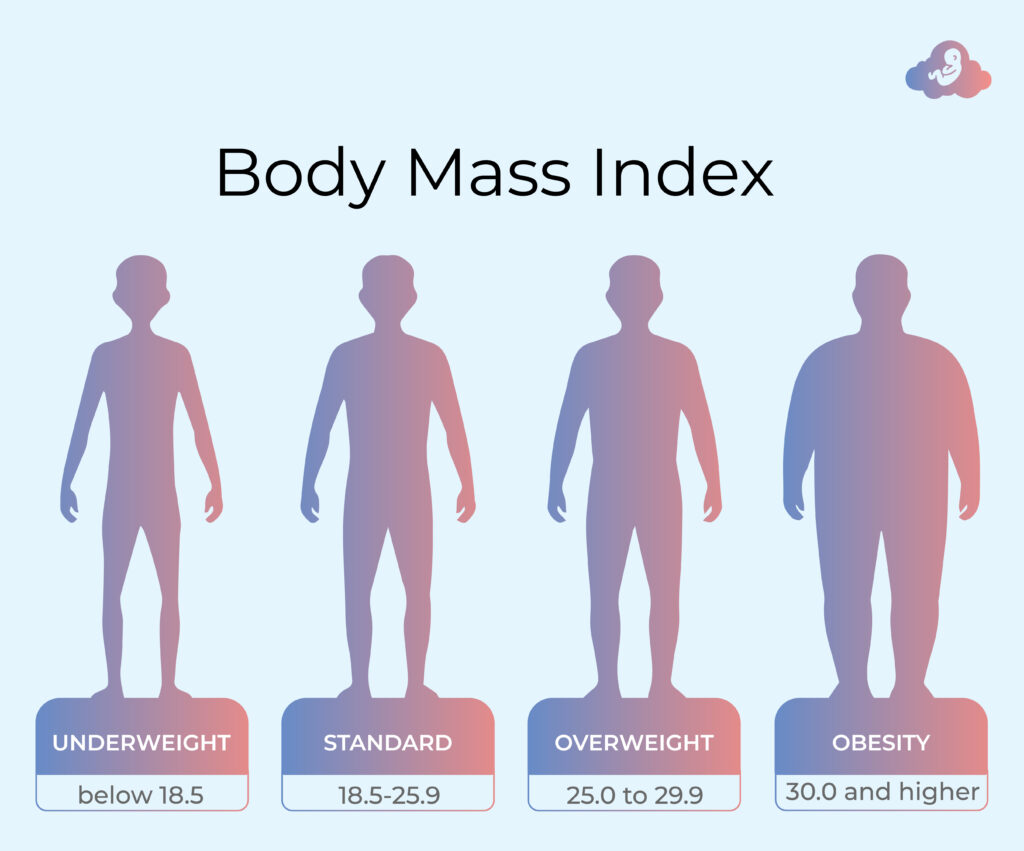
According to CDC, an individual is obese if their weight is higher than the health threshold for a given height. The BMI screening tool is popularly used to determine an individual’s weight status. 

The tool measures your height and weight and gives you a threshold where your weight should lie. Women with a BMI of 30 or higher have excess body fat and are considered obese. Moreover, they may face higher levels of PCOS, complicating their TTC journey. Similarly, PCOS can also contribute to weight gain, making it challenging for a woman to lose weight. 

Women with a BMI of 25 to 29.9 are considered overweight. This means a high concentration of body weight around your bones, muscles, water and fat.

You can calculate your BMI here. Also, you can use the below guide to determine if you’re obese.
Is It Harder To Get Pregnant When Overweight?

What is the Maximum Weight to Get Pregnant?

For getting pregnant when overweight a good indication of your weight range when trying to conceive is your BMI. As previously discussed, your BMI is a play of your height and weight. Doctors advise that the best BMI to have when getting pregnant is below 25. Howbeit, this varies with individuals.

Moreover, your BMI alone is not enough to determine your fertility status. You may have a BMI that falls within range but experience irregular ovulation from hormonal imbalance. Another individual may be obese but experience regular ovulation hence having a higher chance of conceiving

Overweight and No Period: Can I get Pregnant?

Having irregular periods doesn’t necessarily mean you can’t get pregnant. There is still a chance of getting pregnant; however, you may need some help. 

Women with periods that vary by a day or two have a higher probability of getting pregnant than those whose periods vary by six days. The important thing is to find out why you’re experiencing irregular periods. 

If you have irregular periods, your doctor may advise on fertility treatments. Additionally, lifestyle adjustments may trigger the onset of regular periods.

Conversely, obesity can result in irregular periods. Research shows that obese women may experience irregular periods with episodes of amenorrhea and oligomenorrhea With irregular periods, your ability to conceive will depend on the following:

  • Frequency of your irregular periods
  • The reason behind your irregular periods
  • The possibility of having timed sex

How Do I Know if My Period is Irregular?

If your menstrual cycle is shorter than 21 days or longer than 36 days, you are likely experiencing irregular periods. Also, if the period between your cycle varies significantly, that is, from 24 days to 34 days between months, your periods are irregular.

Typically, your menstrual cycle may vary by a day or two. If your cycle consistently becomes longer or shorter than what you’re used to, you don’t need to worry. 

Being stressed or sick can trigger irregular ovulation leading to a variation in your cycle. Anyway, be that as it may, it’s essential to consult your doctor on irregular periods before pregnancy. 

Getting Pregnant When Overweight or Obese: What Are the Risks?

Getting pregnant when overweight is possible. Notwithstanding, it is much more difficult, takes longer and has significant risks. As mentioned, a woman’s reproductive function is regulated through hormonal balance. Excessive fat cells in the body can inhibit the process resulting in infertility. Aside from this, obese or overweight pregnancy can lead to health complications such as:

High Blood Pressure or Preeclampsia

High blood pressure can result in preeclampsia. This is a condition that ensues during your second trimester. If your blood pressure is high, it may cause some of your vital organs, kidney and liver to stop working correctly.

Additionally, it can contribute to blood clots in your body’s vessels, hindering blood flow. Consequently, poor blood flow affects the delivery of nutrients, oxygen and blood to your baby. Furthermore, it can retard your baby’s growth resulting in a condition known as foetal growth restriction. 

Preeclampsia can also cause preterm birth. This is where you deliver your baby before 37 weeks, also known as premature birth. A premature baby has a high risk of developing breathing and hearing complications.

Also, women with preeclampsia can suffer from placental abruption. This is a condition where the placenta moves from the uterus’s inner wall before delivery. This separation can result in heavy bleeding that may be fatal for the baby and mother. 

Gestational Diabetes

Obesity increases the chances of diabetes. Excessive weight can lead to the development of type 2 diabetes. The same can occur in pregnant overweight, women end up developing gestational diabetes. Having too much sugar in your body heightens the risk of diabetes for you and your baby. Additionally, it raises the risk of delivering a large baby, which may prompt doctors to carry out a caesarean birth. 

Gestational Hypertension

Gestational hypertension is a condition caused by high blood pressure during pregnancy. It is also caused by insufficient protein in your urine, kidney, or heart complications.

Women experience this condition in their second trimester (20 weeks after pregnancy). Usually, gestational hypertension goes away after delivery. However, for some women, it may lead to chronic hypertension. 

Obstructive Sleep Apnea

Obesity can affect your breathing and result in sleep apnea. Sleep apnea is when you stop breathing for intermittent periods while asleep. This can lead to fatigue, preeclampsia, high blood pressure or lung and heart problems. 

Miscarriage or Stillbirth

Obesity increases your risk of facing a stillbirth or miscarriage. Stillbirth refers to a baby dying in the womb before birth, after 20 weeks of pregnancy. On the other hand, miscarriage refers to a baby not making it to 20 weeks of pregnancy. 

Prolonged Labour

Studies show that overweight women experience more extended hours of active labor. Women with normal BMIs have an average of 6.2 hours of labor—however, women with BMIs above 40 experience close to two hours longer than usual. Eventually, women with more prolonged active labor undergo c-section delivery. 

It is essential to discuss with your doctor the complications of labor when obese and pregnant. The discussion should also consider labor progressions corresponding to your weight and any health issues a c-section delivery may have for you or your baby. 

Does Obesity During Pregnancy Affect the Baby’s Health?

Yes, being overweight or obese can cause complications for your baby, such as:

Congenital Disabilities: Also known as birth defects, they alter the function and shape of the baby at birth. Such defects include Neural Tube Defects (NTDs) or heart defects. NTDs affect the baby’s spine and breath, leading to neurodegenerative conditions. The most common NTDs are spina bifida and anencephaly.

Macrosomia: This is where a baby is born with a weight exceeding 13 ounces or 8 pounds at birth. It’s also known as Large for Gestational Age (LGA). Much more common, women who have large babies when pregnant have to undergo c-sections. The baby may also be at risk of developing heart disease, asthma, and diabetes in future. 

Can I Have a Successful Obese Pregnancy?

If you’re reading this, you’re probably thinking of the risks that obesity has with getting pregnant. While it may complicate your TTC journey, the good news is that most obese women have successful pregnancies. However, this doesn’t mean you shouldn’t worry about your health and your baby. It is vital to have a preconception check-up before getting pregnant overweight. 

What is a Preconception Check-up?

This check-up assesses your body’s preparedness and health state for pregnancy. During the check-up, your doctor will ask several questions which you must gather before your appointment. This includes;

Birth Control Type: If you’re on birth control, your doctor will advise when to stop and how long you should wait before trying to get pregnant. 

Lifestyle Habits: Being honest with your doctor about your diet and lifestyle is vital. This includes diet, exercise routines, and whether you smoke or drink.

Menstrual Cycles: Your menstrual cycle is a definitive indication of your reproductive health. Your doctor will ask about your cycle length and your last period date.

Medications: Your doctor will need to know if you’re on any medications, whether prescription or over-the-counter. They may advise you to discontinue the medication or swap them with pregnancy-safe ones. 

Medical Conditions: If you have any medical or chronic conditions, it’s prudent to alert your doctor during the preconception check-up. Such conditions need to be monitored during pregnancy. The good news is some conditions may not affect your pregnancy; however, it’s critical to let your doctor know about them. This also includes your mental health.

Family History: You may need to dig deep for this. You’ll need to provide details of any family-related diagnosis, including cancer or diabetes. You will also need to provide your partner’s family history. 

How to Have A Successful Obese Pregnancy?

Your best chance at getting pregnant overweight or obese is losing weight. Losing 10 to 20 pounds can improve your chances of getting pregnant while obese. Studies suggest that a 5 to 7 percent body weight loss by obese women enhances fertility. 

Some of the ways you can achieve this include:

Set Healthy Goals

If you’re on a fitness journey, the first step is to set the goals you want to achieve. For instance, you can have a goal of eating vegetables twice a day. Besides, it helps when you get support from family and friends by having frequent healthy meals together. 

Some hospitals provide extra support in goal setting, such as a diet plan or nutritional recommendations. You can consult your doctor on what you need to do and set it as your weight loss journey. 

Eat a Healthy Diet

Let’s face it dieting isn’t easy. The minute you set your mind on not eating junk, your body develops an insane craving for it. Most people quit their dieting journey as soon as it starts. 

A healthy diet can help you shed enough pounds to get pregnant. Consistently feeding on a low-fat diet significantly contributes to weight loss. If you’re having trouble switching, it’s best to focus on what you need to eat rather than what you need to avoid. Once you set your mind to healthy foods, choosing a nutritious diet over unhealthy meals becomes easier. 

Examples of healthy foods include; low-fat dairy (alternatively, you can switch to rice, soya or oatmeal), plenty of fruits and vegetables, whole grain bread, cereals and lean red meat.

Furthermore, the recommended calorie intake for a healthy pregnancy is as follows:

  • 1st trimester – 1, 800 calories per day
  • 2nd trimester – 2,200 calories daily
  • 3rd trimester – 2,400 calories daily.

Frequent Hydration

Drinking plenty of water throughout the day holds a plethora of benefits. For starters, water is calories-free. Also, consuming it before meals can suppress your appetite, leading to less food consumption. 

Additionally, water helps you cut down on sugary beverages that impede your weight loss journey. Most health practitioners advise drinking eight glasses of water a day. This equates to 2 litres a day. However, this amount varies with individuals. For example, you may need more water if you engage in strenuous activities that results into sweating. 

Eat Small Meals Frequently

Instead of having three large meals daily, why not swap them for small regular meals? The typical meal times for any individual are breakfast, lunch and dinner. Instead, it would be best to have five to six small meals.

Further, eating small calorie-free meals boost your metabolism and regulate your blood sugar levels. It also reduces your craving, often leading to overeating sugary and fatty foods. 

Take note. Skipping meals won’t help you reduce weight. It’ll only prolong the craving, which often results in overindulging that causes more harm than good. 

Stay Active

Staying active doesn’t mean hitting the gym all week. Although this can significantly help, there are other ways to help you lose weight during pregnancy. For starters, light exercises such as walking are ideal if you’re not an active person. 

Doctors recommend at least two and a half hours of walking for pregnant women. You can start with short but frequent exercises if this is a hard-to-hit target. For instance, you can have a 15 to 30-minute session of yoga or aerobics every day of the week. 

The safest exercise to do is walking. Not only is it less tiring, but also can be easily integrated into your daily routine. You can simply set a step-count target using your phone or watch. You can also try out pilates or yoga. However, it’s advisable to do so with a qualified instructor. Overall, depending on your weight and stage of pregnancy, your doctor can recommend the ideal physical activities.

Control Your Cravings

Pregnancy comes with a lot of cravings. It’s no surprise that you’ll want to eat again right after finishing a meal. In such cases, it helps to stock up your house and fridge with healthy snacks. Fruits, grainy crackers and salads are a great way of beating the craving. 

Gain Weight the Right Way

As you work towards losing weight, keep in mind you’ll still gain weight during pregnancy. The proper weight gain for overweight women is 15 to 25 pounds. For obese women, the gain is 11 to 20 pounds. 

If you’re having a single pregnancy with a BMI of 30 or higher, you need to gain 11 to 20 pounds. On the other hand, a multiple pregnancy calls for a weight gain of 25 to 42 pounds. Nonetheless, your doctor is more likely to advise you to avoid excessive weight gain during pregnancy. 

Getting pregnant: Understand Conditions That May Affect Your Pregnancy

Gestations hypertension and diabetes are common conditions to experience during pregnancy. By understanding these conditions, you’re jumping at the forefront of managing them. It is essential to consult a doctor once you start experiencing vision changes, face swelling, severe and persistent headaches and intense pain in your upper abdomen. 

Schedule a Preconception Assessment

As mentioned, a preconception assessment helps your doctor understand any existing conditions that may complicate your TTC journey. By having the assessment done beforehand, your doctor can advise or direct you to a diet specialist to help you reduce your weight. What’s more, the doctor may also prescribe nutritional supplements such as folic acid or vitamins. 

Managing Your Weight After Delivery

Congratulations, you’ve just had a successful delivery and are home with your bundle of joy. Sticking to your diet and exercise routine is key to reaching a suitable weight. One way to achieve this is regular breastfeeding of your baby. Breastfeeding helps you shed some of the postpartum weight. 

It may be challenging to lose the weight you gain during pregnancy. It is, therefore, advisable to delay another pregnancy until your body fully recovers after losing the excess weight. 

FAQs

Can High Doses of Folic Acid Help With Getting Pregnant while Obese?

Yes, if you have a BMI above 30, taking a 5mg dosage of folic acid is advisable. The usual folic acid dosage is 400mcg. Therefore, you will need a prescription for the high dosage. 

Folic acid is instrumental in preventing the baby’s NTD development (Neural Tube Defects). The high dosage increases the level of folic acid in your body, which prevents your baby from developing conditions such as spina bifida. 

Is Specialized Care Necessary for Obese Pregnancy?

Having a BMI of 30 or higher calls for close monitoring of your pregnancy. A doctor will recommend the necessary steps and tests to take while pregnant overweight. Some of the tests include:

Sleep Apnea Tests

Sleep apnea is a common condition that arises with obesity during pregnancy. It is a severe condition that increases your risk of preeclampsia—as such, getting an evaluation and treatment from a specialist is vital once you display the signs. It would be best to watch out for signs of loud snoring, gasping for air while asleep, hypersomnia, insomnia or frequent morning headaches. 

Diabetes Testing

Blood sugar monitoring is crucial for getting pregnant overweight or obese. Your doctor will check your glucose levels between 24 and 28 weeks of pregnancy. If your BMI is 30 or higher, you are likely to have the first test during your prenatal visit. Another test will be conducted during your second trimester to ensure your glucose levels are still within range. If you have high glucose levels, a maternal-fetal medicine specialist can advise on the best precautions to take. 

Special Fetal Ultrasound

Usually, a pregnant woman gets a fetal ultrasound at 18 to 20 weeks. However, with a high BMI, it becomes challenging to have an ultrasound. This is because the fat concentration around your abdomen prevents sound waves from penetrating the fat tissue. As such, you may need a different type of ultrasound that correctly monitors your baby’s health. 

Does PCOS Cause Weight Gain?

Yes, PCOS can contribute to substantial weight gain. Out of ten women, one suffers from polycystic ovary syndrome (PCOS). PCOS causes hormonal imbalances in the body, which can lead to weight gain. 

Furthermore, women with PCOS are at a high risk of developing hypertension, high cholesterol, fatty liver, and high insulin levels.

The good news is that a healthy diet can help you control weight gain due to PCOS. 

Weight Loss Surgery for Pregnancy

A majority of obese women are turning to weight loss surgery to prepare for pregnancy. Examples of these procedures include gastric banding, gastric bypass and sleeve gastrectomy. Bariatric surgery is advisable for women with a BMI of 40 or higher. It is also suitable for people with heart complications to having a BMI of 35 and 39.

While weight loss surgery can help you lose the weight you need, it creates a higher risk for complications when pregnant overweight. 

However, worry not; you can still be pregnant overweight successfully. Doctors advise women who undergo weight loss surgery to delay pregnancy by 12 to 24 months. Moreover, some surgeries may affect your food intake, affecting your baby’s nutrition during pregnancy. 

Women who undergo such surgeries end up having underweight or small babies. Therefore, it is essential to understand the type of surgery you’ll be undergoing. You can consult your doctor about whether weight loss surgery suits you and which type you should have. 

Can I take Nutritional Supplements If I Want to Get Pregnant?

Folic acid is an excellent nutritional supplement during the first three months of pregnancy. Doctors can also advise on taking it a month prior to conception. Additionally, Vitamin D supplements are also advisable. Obese women tend to have a deficiency of this vitamin. Taking vitamin D nutritional supplements helps regulate your body’s phosphate and calcium amounts. 

Are there Medications that Can Increase Fertility?

Obese women with diabetes are advised to take metformin. This medication regulates blood sugar and insulin utilization by your body. However, taking it alone is not effective when getting pregnant overweight. It is best to combine it with a healthy diet and frequent exercise. 

What is the Difference Between Obesity and being Overweight?

An obese individual has a BMI of 30 or higher, whereas an overweight person has a BMI of 25 to 29. Obese women have an increased risk of complications during pregnancy compared to overweight women. However, both weight states require proper nutrition and exercise to curtail possible health defects. The proposed methods can help obese and overweight women prepare for pregnancy. 

Final Thoughts

So there you have it, your ultimate guide to getting pregnant while obese. Contrary to popular opinion, an obese pregnancy is possible. However, you will require close monitoring, weight and diet changes, as well as specialized care and tests.

It is prudent to consult your doctor before or after getting pregnant when overweight on the proper steps to take to achieve a successful obese pregnancy.
Getting Pregnant overweight
Your subscription could not be saved. Please try again.
Your subscription has been successful.

Stay Informed

Subscribe to our newsletter to receive treatment updates

Fertility Hormones and How to Test Them

blood test for infertility female

Learn all about fertility hormones and how you can test them

Fertility Hormones and How to Test Them

Hi there. Are you and your partner actively trying to get pregnant? Has this been going on for more than a year? If so, don’t be alarmed by the situation. We can test your fertility hormones, studies suggest that 12% to 15% of couples are unable to conceive after a year of unprotected sex. 

Luckily, this situation is not permanent. Thanks to fertility testing, couples can ascertain the problem impacting their fertility. The assessment details the underlying course, and doctors can advise on the best treatment. With this in hand, you or your partner can be pregnant in a few months.

As you may know, hormones play a crucial role in the female and male body. One such role is in the reproductive system, which consequently impacts women’s fertility. For instance, a lady’s hormone levels fluctuate monthly during her menstrual cycle. The fall and rise of the hormones directly impact egg growth in the ovary, implantation, and conception. Moreover, it can also affect milk production after conception and pregnancy survival.

A doctor assesses the patient for hormonal imbalances in infertility cases to determine the primary cause. Despite being a lengthy activity, the assessment then advises on treatment for infertility in females and males by achieving the right balance of hormones.

For females, four crucial hormones impact fertility. For males, it’s the semen that counts (literally and figuratively). 

Read more to learn about the essential role these hormones play in fertility and the tests you can get done to treat it. 

Let’s dive in!

What are the Key Female Fertility Hormones?

There are four essential fertility hormones in a female’s body:

  • Follicle-Stimulating Hormone (FSH).
  • Oestrogen (Oestradiol)
  • Luteinising Hormone (LH)
  • Progesterone
fertility hormones

Follicle Stimulating Hormone (FSH)

The Follicle Stimulating Hormone is among the first hormones the female body releases. This hormone is critical in stimulating female egg development and sperm production in males.

The pituitary gland produces the FSH, which then stimulates the growth of the follicles during the follicular phase (first half of the menstrual cycle). Besides, it also stimulates oestradiol (estrogen) production, which further promotes the growth of the egg follicles. This stage lasts for approximately sixteen days. 

The FSH levels in a female’s body tend to be highest a few days before ovulation. If your body fails to produce enough FSH hormones, you will likely face irregular ovulation or none at all. On the other hand, excessive hormone production signals that the ovaries’ quality is low. 

Oestradiol

Oestradiol is a form of estrogen the ovaries produce. As follicles continue to develop in the ovaries, they release estrogen. Estrogen then causes the womb lining (endometrium) to thicken. This is a critical step in preparing the womb for a pregnant state. 

Before the release of the dominant follicles in the ovary, the estrogen level rise, causing Luteinizing Hormone (LH) production. The LH hormone’s gush further stimulates the dominant follicle’s growth, resulting in its release. 

Additionally, estrogen production is vital in promoting sperm survival. Oestrogen stimulates mucus secretion inside the uterus, which is essential in providing an ideal environment for the sperm.

Luteinizing Hormone (LH)

LH is another equally essential hormone that impacts fertility. In males, it promotes testosterone production, affecting sperm count and libido. In females, it plays a pivotal role in regulating ovary functions. Also, it fosters egg release from the ovary during the luteal phase.

Like the FSH hormone, the pituitary gland produces and releases the LH hormone. As a gonadotropin LH production is a factor of the hypothalamus releasing the gonadotrophin-releasing hormone (GnRH). Once the GnRH is released, the hormones bind to the pituitary gland receptors stimulating LH production and release. 

The LH also promotes the production of the corpus luteum after the fertilization of the egg. In turn,the corpus luteum stimulates progesterone production, which is critical in supporting pregnancy. 

Similarly, excessive production of this hormone in females promotes their susceptibility to polycystic ovary syndrome (PCOS). On the other hand, low production could result in a failed ovulation. 

Progesterone

As mentioned earlier, progesterone is produced by the corpus luteum after egg fertilization. The hormone production signals the ovary to begin progesterone production to promote pregnancy survival. Also, progesterone is vital in preparing the uterus for egg implantation by stopping the thickening of the endometrium. If fertilization occurs, progesterone levels will increase, which will be undertaken by the placenta. 

If fertilization doesn’t occur, the progesterone level will drop, and menstruation will ensue. 

Semen

Sperm, also known as ejaculate, is the fluid that enables the sperm’s motion to meet the ovum. Semen quality is essential in dictating the conditions for fertility. In a single ejaculate, the semen should contain at least 15 million sperm per milliliter. This high number increases the likelihood of fertilization. Also, little sperm presence in an ejaculate lowers the possibility of fertilization.

fertility hormones

What Role Do Fertility Hormones Play?

Cases of infertility are often downplayed as a woman’s issue—quite the contrary. Fertility and egg fertilization is a play of both the male and female hormones. Excessive or little production of these hormones affects the various stages of conception. 

fertility hormones

As we’ve discussed the essential hormones that impact fertility, here is a keen insight into their role in promoting fertility. 

Egg and Sperm Production

The follicle-stimulating hormone is pivotal in female ovum production and sperm in males. This occurs through stimulating follicle growth. If a woman fails to produce adequate FSH before ovulation, it can cause an irregular or failed ovulation. In men, it can result in a low sex drive.  

Levels of FSH in the body tend to fluctuate in the menstrual cycle. High levels of the hormone are often present before ovulation. On the other hand, the level of FSH in men does not fluctuate. 

What’s more, the LSH works closely with the luteinizing hormone to regulate sexual functions.

Egg Release and Implantation

The release of progesterone in a woman’s body promotes egg implantation. It also stimulates the production of the hormone by the ovary, which is critical in supporting pregnancy. As the FSH stimulates follicles’ growth, the LH promotes its release from the ovary. 

Other hormones such as androgens, thyroid, and prolactin can also affect ovulation. Androgens typically exist in small amounts in the body. However, a surplus production can impair follicle development, cervical mucus production, and ovulation. Prolactin hormones stimulate the production of milk. Some medications may affect the production of prolactin which consequently affects milk production. Finally, thyroid hormones present as an aftermath of high prolactin levels. This surge can lead to hypothyroidism. 

So What is Fertility Hormone Testing?

Fertility hormone testing is an assessment that checks for infertility in males and females by identifying hormonal imbalances. If you’re here, chances are you’ve come across other names, such as “ovulation test” or fertility test.” These names bear the same meaning, and you can use them interchangeably.

As you know by now, hormones control varying stages of your pregnancy. If one hormone is not produced at a specific amount and time, ovulation may fail, and chances are you won’t get pregnant. A fertility hormone test will help a doctor identify your diagnosis and prescribe the proper treatment. 

When going in for a hormone fertility test, you will likely get some bloodwork done at different times in your cycle. We’ve made it simple to understand what tests you need to complete and when.

Types of Fertility Hormone Tests

A Luteinizing Hormone test is conducted at the beginning of your cycle (mostly day 3). The test is imperative in ascertaining when you’re ovulating. LH has now been quite common, and it’s easy to find the tests going by other names such as “Fertility Tests,” “Ovulation Tests,” or “Ovulation Predictor Kits.”

The test is poignant for couples who are trying to become pregnant. It reveals when you or your partner is likely to commence ovulation. 

Therefore it becomes crucial to understand when to have intercourse for better chances of fertilizing the egg. However, you should know this is only one test in a pool of about four in your conceiving journey.

Fertility Hormones, How is an LH Test Done?

An LH test is a short procedure where a doctor draws out a blood sample from your arm. This sample is then assessed in the lab for LH levels. If you’re not ovulating, your LH levels help determine why. 

fertility hormones

Your doctor may request blood drawn samples over a certain period since LH levels tend to fluctuate with your menstrual cycle. This frequent sampling and analysis help ascertain an accurate LH level measurement. 

When preparing for the test, your doctor may advise against some medication impairing your results. This could include hormone bills or birth control pills. If you’re taking the test from home, it is of importance to have it in the morning and avoid drinking water four hours beforehand. This ensures your LH levels and urine are concentrated.

FSH Tests

FSH tests measure the level of follicle-stimulating hormones in your blood. The FSH hormone stimulates and prepares the eggs for ovulation. During the first days of your menstrual cycle, the level of FSH increases to commence the process. 

Each female is born with a handful of eggs that will support their menstrual cycle for a given period. This is known as the ovarian reserve. As the woman ages, the eggs in the ovarian reserve reduce. In such scenarios, it is challenging to stimulate the ovary to produce an egg. Your body will then respond by producing high FSH levels since your ovaries work twice as hard to stimulate ovulation. 

An FSH test will help a doctor determine your ovarian reserve by assessing your FSH levels. For women, it can help determine menopause, infertility problems, abnormal menstrual bleeding, and diagnose polycystic ovary syndrome. In men, an FSH test can help identify the reason behind infertility. It can also reveal the reasons for low sperm count and any problems with the testicles. 

Like the LH test, an FSH test requires a blood sample drawn from a vein in your arm. The test may have moderate pain during the needle insertion. Others may experience a prick or sting. Also, the process takes less than five minutes. 

The drawn sample is then collected in a vial and analyzed.

Your doctor may ask you to have the test done at a specific time during your menstrual cycle. This is primarily the case if you’ve not reached menopause.

Fertility Hormones, Estradiol Tests 

Checking your blood level to ascertain the estradiol levels is a standard fertility test. Understanding your estrogen levels when attempting to conceive can help provide relief during your TTC journey. 

Early in your cycle, the estrogen levels rise to thicken the uterine lining. This is typically an indicator that ovulation is about to start. Aside from that, the estradiol tests also check whether your ovary can produce eggs. 

An imbalance of estrogen levels can lead to a condition known as estrogen dominance. This condition gravely impacts conception since estrogen levels are higher than progesterone. 

How is an Estradiol Test Done?

Like other fertility tests, an estradiol test is administered on your arm. A doctor draws a blood sample from your vein and places it in a tube for analysis. 

An estradiol test can sometimes be done at home using a urine sample. However, the pee tests can only accurately measure one marker of estrogen. 

Fertility Hormones, Progesterone Tests

A progesterone test helps confirm whether ovulation has occurred. The ovaries produce the hormone after an egg’s release, leading to a rise in hormone levels. This prepares your uterus for pregnancy by allowing the lining to grow thicker. Moreover, the hormone also triggers your breasts to produce milk. 

Typically, this process occurs during the second half of your menstrual cycle. A doctor may use this test to determine if and when you’ll ovulate and why you’re not conceiving and monitoring a high-risk pregnancy. 

This test can be administered at home and in a doctor’s office. You can use one of the FDA-approved PdG tests, such as Proov, that uses a urine sample at home. In contrast, at the doctor’s office, a blood sample will be drawn from a vein in one of your arms. 

Anti-Müllerian Hormone Test (AMH)

AMH test is an equally vital assessment that hints at fertility during your TTC journey. The hormone is produced in the male and female reproductive tissues. However, healthcare providers primarily administer this test to women.

For women, the levels of AMH depict the chances of getting pregnant and provide more information on fertility. It is also helpful in checking for menstrual disorders. The test can also predict the onset of menopause and determine the cause of early menopause.

Furthermore, while your AMH levels may also correspond to your egg count, more than the test alone may be needed to predict fertility accurately. It is advisable to have this test done alongside other fertility tests. 

The test is administered by a healthcare professional who draws a blood sample from your arm’s vein. The test is then analyzed. It is common to feel a slight prick or sting during the process.

Thyroid-stimulating hormone (THS) Test

Abnormal thyroid levels can impact ovulation. According to statistics, up to 5% of women with abnormal thyroid levels struggle with infertility. Moreover, thyroid hormone levels play a crucial role in fetal development. 

A thyroid-stimulating test helps assess the hormone level in the bloodstream. Like the FSH hormone, the pituitary gland produces the TSH, which then stimulates the thyroid gland to release thyroid hormones into the bloodstream. 

A THS test can help ascertain cases of hyperthyroidism or hypothyroidism. In instances of hyperthyroidism, women may experience irregular periods, while men will likely have a low sperm count.

On the contrary, hypothyroidism reduces fertility chances and increases the possibility of a miscarriage. 

A blood sample will be required. A doctor will draw the sample from your arm for analysis. The procedure is relatively short, taking five minutes or less. Moreover, you won’t need to make preparations for these tests. 

Your healthcare provider may advise doing the test with a T3 test, T4 test, or an Anti-TPO.

Sperm Analysis

By now, I’m sure you understand that fertility is a play of the woman and man’s fertility index. Gone are the days when women would be solely blamed for not conceiving. The man may have a problem with his sperm count, which is a nod of infertility.

To ascertain this, a semen analysis gives a clear picture of how many sperm are released per ejaculation, their shape, and their motion. 

Usually, to obtain a clean sample, a man would masturbate into a clean container. The sample is then analyzed for the factors mentioned above. Since sperm count can vary, a doctor may advise providing more than one sample at specific intervals. 

FAQs

Which are the essential fertility hormones in testing?

The vital hormones recommended for testing when checking for fertility are: progesterone, luteinizing hormone, follicle-stimulating hormone, and estrogen (estradiol).

Where Can I Find A Reliable Test Provider?

With extensive research being poured into fertility hormone testing, plenty of companies are now emerging with a wide range of tests. Some companies you should consider include:

fertility hormones

Your subscription could not be saved. Please try again.
Your subscription has been successful.

Stay Informed

Subscribe to our newsletter to receive treatment updates

How Do I Use Ovulation Tests When Trying To Get Pregnant?

Best Days to Get Pregnant

Learn how to use ovulation tests

How Do I Use Ovulation Tests When Trying To Get Pregnant?

Are you looking forward to getting pregnant and may be pondering what ovulation tests are and how do I use ovulation tests when trying to get pregnant? Ovulation tests are a popular method of tracking your most fertile days, but they sometimes need clarification.

Ovulation Tests
LH is a clear indicator of ovulation

Learning to use ovulation tests is an integral part of increasing your chances of conception. With a bit of practice and learning, you will be an expert in no time.

Below are tips and illustrations that seek to explain how ovulation tests work. Also to note are insights on how to interpret and comprehend results. Moreover, we will provide tips that educate you on ways to use them most effectively when trying to get pregnant.

What Is An Ovulation Test?

If you have been trying to get a baby and haven’t succeeded yet, these tests can be a valuable tool. This is because they can assist you in pinpointing your most fertile days. By having intercourse on these days, you can potentially increase your chances of conceiving.

The tests are carried out to measure the amount of luteinizing hormone (LH) in your urine. The pituitary gland produces the Luteinizing hormone and helps to stimulate ovulation. When LH levels rise, ovulation will occur within 24-48 hours.

These tests are available in home test kit form and as strips that you can purchase at your local drug store. They are relatively affordable and straightforward to use. Follow the instructions that come with your chosen test.

You must use a urine strip test to collect your urine in a cup. Dip the strip in the urine and wait for the specified time in the instructions. After the time has elapsed, compare the strip to the color chart included with the kit. If the strip changes color, this indicates that LH is present, and ovulation will likely occur in the next 24-48 hours.

If you are using a digital ovulation test, the process is similar. Collect your urine in a clean cup and dip the test in the urine. Wait for the specified time in the instructions. The digital test will then display a message showing whether or not LH is present. If it is, ovulation will likely occur in the next 24-48 hours. Once you have determined that ovulation is imminent, you and your partner can start trying to conceive.

Best Days to Get Pregnant using ovulation prediction kit
Best Days To Get Pregnant

When Should I Start Using The Test?

If you are working towards getting pregnant, you may be wondering when to start using an ovulation test. The response to this question will depend on a few factors, including your cycle length and how regular your periods are. Generally, it’s best to start testing around the time you expect to ovulate. For most women, this is around day 14 of their cycle. However, if your cycles are longer or shorter than average, you may need to adjust the timing of your tests.

Ovulation Tests
For most women, testing once per day is sufficient

It’s also important to consider how often you’ll need to test. For most women, testing once per day is sufficient. However, if your cycles are irregular or you have other fertility issues, you may need to test more frequently. Ultimately, speaking with a fertility specialist is the most incredible way to determine how often you should test.

Types of Ovulation Tests

When trying to conceive, many women use ovulation tests to help predict when they are most fertile. There are a variety of different ovulation tests on the market, with each having its own merits and demerits. Here are the various types of ovulation tests:

1. Sticks

If you’re trying to get pregnant, ovulation test sticks can be a great way to help you track your ovulation cycle and improve your odds of conceiving.

Ovulation test sticks work by detecting the presence of the luteinizing hormone (LH) in your urine. This hormone increases just before ovulation, so the test sticks can tell you when you’re about to ovulate

There are a few fundamental ways to use ovulation test sticks. Some women use them to track their cycles, while others use them in conjunction with fertility treatments. When used correctly, ovulation test sticks can be up to 99% accurate in predicting ovulation.

There are many different brands of ovulation test sticks on the market, so it’s crucial to do your research to find the appropriate one for you. But once you’ve found a brand you trust, using ovulation test sticks is simple: pee on the stick and wait for the results. Most sticks will give you a positive or negative result within a few minutes.

2. Strips

Strips are a quick and easy way to test for ovulation at home. Most test strips have clear instructions and can be used with little to no fuss. Ovulation test strips detect luteinizing hormone (LH) presence in your urine. This hormone is released once the egg is released from your ovary and triggers ovulation.

Wet the strip with urine to use an ovulation test strip and wait for the results. Most test strips will show a positive result within a few minutes. If the strip turns positive, you are ovulating and should have sex that day or the following day to maximize your chances of conceiving.

Ovulation test strips can be found at most drugstores and are relatively inexpensive. Using these strips can help you to better time intercourse around your ovulation period, which can improve your chances of conception.

3. Digital Tests

Digital ovulation tests are a type of fertility monitor that uses sensors to track changes in a woman’s body temperature. The sensors are worn under the arm and take readings throughout the day. The data is then sent to a fertility app which can help predict when the woman is ovulating.

Digital ovulation tests have several pros over traditional ovulation tests. They are bona fide, cheaper, and more convenient to use. Consequently, digital ovulation tests can be used by women who have irregular periods or are taking certain medication types.

Ovulation Tests
Ovulation Tests
Mira is one the popular digital ovulation tests in the market.

If you are trying to conceive, a digital ovulation test can be a helpful tool in your fertility journey.

How Do I Interpret The Results?

If you’re hoping to get pregnant, you’re probably wondering how to interpret your test results. While these tests can be accurate, you should keep a few things in mind when trying to determine if you’re ovulating. The tests identify the amount of luteinizing hormone (LH) in your urine. This hormone spikes just before ovulation, so the test can predict when you’re about to ovulate.

Most ovulation tests come with instructions on how to interpret the results. Holistically, you will take the ovulation test at the same time each day, starting on a particular day of your cycle. The test will have a control line and a test line.

If the test line is the same color or darker as the control line, you have a high LH level and are likely to ovulate within the next 12-24 hours. If the test line appears lighter in color than the control line, that means your LH level is low, and you’re not likely to ovulate soon. There are also digital ovulation tests that will give you a positive or negative result, depending on your LH level.

While ovulation tests can be accurate, a few circumstances can bring about errors in the results. If you take the test at a different time than usual, your LH level may be different than it would be at your regular testing time.

Certain medications, such as fertility drugs, can also affect the test results. Talk to your doctor if you’re unsure how your medicines might affect the test. If you experience irregular periods, you may have a more challenging time predicting ovulation.

How Accurate Are Ovulation Test Strips?

Just how accurate are ovulation test strips? Anyone who has tried to conceive will tell you that much waiting is involved. And often, the waiting feels like an eternity. All you want is a positive pregnancy test, but you’re left distraught invariably.

If you’re struggling to conceive, consider using ovulation test strips. But how accurate are they? Ovulation test strips detect the presence of the luteinizing hormone (LH) in your urine. This hormone is produced by the pituitary gland and helps to regulate ovulation. When your LH levels surge, it signals that ovulation is about to occur. 

To use an ovulation test strip, urinate on the strip and wait for the results. If the strip changes color, your LH levels are high, and ovulation is likely to occur in the next 24-48 hours.

Ovulation test strips are generally very accurate. In fact, studies have shown that they can be up to 99% accurate in predicting LH surges. However, it’s essential to keep in mind that ovulation test strips only work if you use them correctly. This means using them at the same time each day and following the instructions carefully. 

You need to use them correctly to get an accurate result. 

Another thing to remember is that certain medications, such as clomiphene and menotropins, can affect ovulation test strips. If you’re taking any medicines for fertility, be sure to speak to your health professional to see if it will affect the results of your ovulation test strips.

How To Use Ovulation Tests In An Irregular Cycle

If you have an irregular cycle, you will be unsure when to ovulate. This can make it challenging to identify when to use an ovulation test. However, you can do a few integral things to increase your chances of success. First, it is poignant to understand how the ovulation process works. Hormones control the ovarian cycle. These hormones cause the ovaries to mature and release eggs. 

Ovulation usually happens about 14 days before the start of your next menstrual period. However, this varies from woman to woman or from cycle to cycle. This is why it can be challenging to predict when ovulation will occur.

There are a few ways to increase your chances of painstaking your ovulation day. One way is to chart your basal body temperature (BBT). This is your temperature when you wake up in the morning before attending to other responsibilities. You will need to take your temperature every day for the next few months to get an accurate idea of when you ovulate.

Another way to predict ovulation is to pay attention to changes in your cervical mucus. This mucus changes in consistency and amount throughout your cycle. Just before ovulation, you may notice an increase in mucus. It will be thin, slippery, and clear. This is called fertile mucus.

Once you have been charting your BBT and cervical mucus for a couple of months, you will have a good idea of when you ovulate. You can then start using ovulation tests. 

Are There Any Risks Associated With Using Ovulation Tests?

Ovulation tests are not just for those who are trying to conceive. In fact, any woman who wants to know her most fertile days can benefit from using one. However, as with any medical procedure or test, there are always some risks involved. So, what are the potential risks associated with using ovulation tests?

The most common risks associated with using ovulation tests are false positive and false negative results. A false positive result means the test says you are ovulating when you are not. This can be frustrating and confusing, especially if you are trying to conceive. A false negative figure means that the test says you are not ovulating when you are. This can also be frustrating and can lead to unnecessary stress and anxiety.

Another potential risk is that ovulation tests can be expensive. If you are not trying to conceive and you want to know your most fertile days, you may not want to spend the money on an ovulation test.

Finally, there is always the potential for human error. You must use the ovulation test correctly to get accurate results. This is why it is essential to follow the instructions carefully and to contact a healthcare professional if you have any questions.

Overall, the risks associated with using ovulation tests are relatively low. However, it is imperative to be well aware of them (ovulation tests) before you embark on using one. If you have any concerns or issues, be sure to speak to your healthcare provider.

Where Can I Get Ovulation Tests?

If you’re having trouble getting pregnant or if you have irregular periods, your doctor or physician may recommend that you take an ovulation test.

There are two types of ovulation tests: urine tests and blood tests. Urine tests are the most common and are available without a prescription. Blood tests are more expensive and are only done if you’re having trouble conceiving. If your doctor recommends an ovulation test, they will likely give you a prescription for one. Get in touch with us if you need one. However, you may be able to find ovulation tests at your local pharmacy or online.

When you are ready to take the test, you will need to collect a sample of your urine. The best time to do this is first thing in the morning before you’ve had anything to drink. You’ll then need to place the sample on the test strip and wait for the results.

If the test is positive, it means you’re about to ovulate. This is the best time to be intimate if you are trying to conceive. If the test is negative, then you are not about to ovulate. You may consider trying again in a few days or speak with your doctor about other fertility treatments.

Conclusion

Ovulation tests are simple, inexpensive, and easy to use, and they can be a great tool in your TTC (trying to conceive) arsenal. But like any tool, they work best when used correctly. 

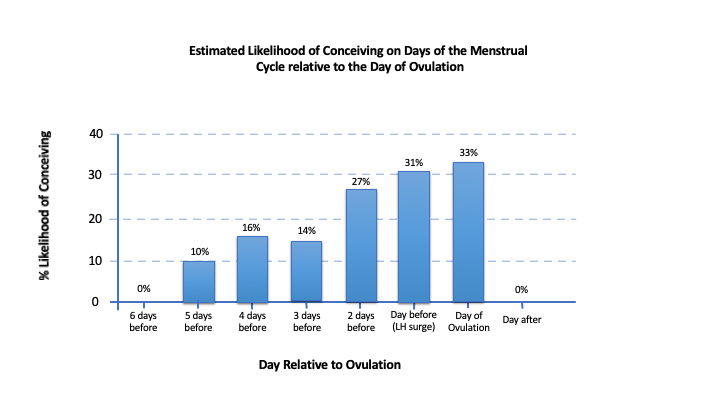
LH is produced by the pituitary gland and leads to ovulation. When levels of LH surge 48-72 hours prior to ovulation, it signals the release of an egg from your ovary. The egg only lives for 12-24 hours, making this a very brief window of opportunity for fertilization.

Ovulation tests typically come in the form of midstream ones that you can use at your own convenience at home. To use them, urinate on the absorbent end of the test strip or midstream cup and wait for the results. Most tests will show a positive result (indicating the presence of LH) within 5 minutes.

To increase your chances of getting pregnant, you’ll want to start testing for LH about five days before you expect to ovulate. Most women ovulate mid-cycle, around day 14 (counting Day 1 as the first day of your period). Keep in mind, if you have been diagnosed with PCOS or other forms of reproductive disorder your results may be inconclusive, so it is alway safer to seek an advice from a licensed medical doctor.

However, this can vary from one individual to another. Likewise, cycle to cycle– so it’s best to use ovulation tests to identify your own personal LH surge. Once you detect the LH surge, you’ll want to have intercourse within 24-36 hours. By understanding how ovulation tests work and how to interpret their results, you can increase the chance of getting a positive pregnancy test.

Ovulation Tests
Your subscription could not be saved. Please try again.
Your subscription has been successful.

Stay Informed

Subscribe to our newsletter to receive treatment updates

How likely is it to get pregnant with PCOS?

How likely is it to get pregnant with PCOS?

An Introduction to Polycystic ovary syndrome

While probability of childbirth is similar between groups, women with PCOS need longer time to get pregnant.  Earlier diagnosis and intervention can shorten the time to get pregnant with PCOS and improve the chances for live birth. You need to educate yourself and seek care from fertility specialists. It is also important that you start as early as possible. Let’s take a deeper look at the introduction to PCOS.

Getting pregnant with PCOS, but what is it?

PCOS, as the name implies, is a syndrome, a collection of symptoms. These symptoms vary between individuals.  Your reproductive endocrinologist specialist (REI) will conduct a thorough health history review and order hormone analysis that can help with a diagnosis.  

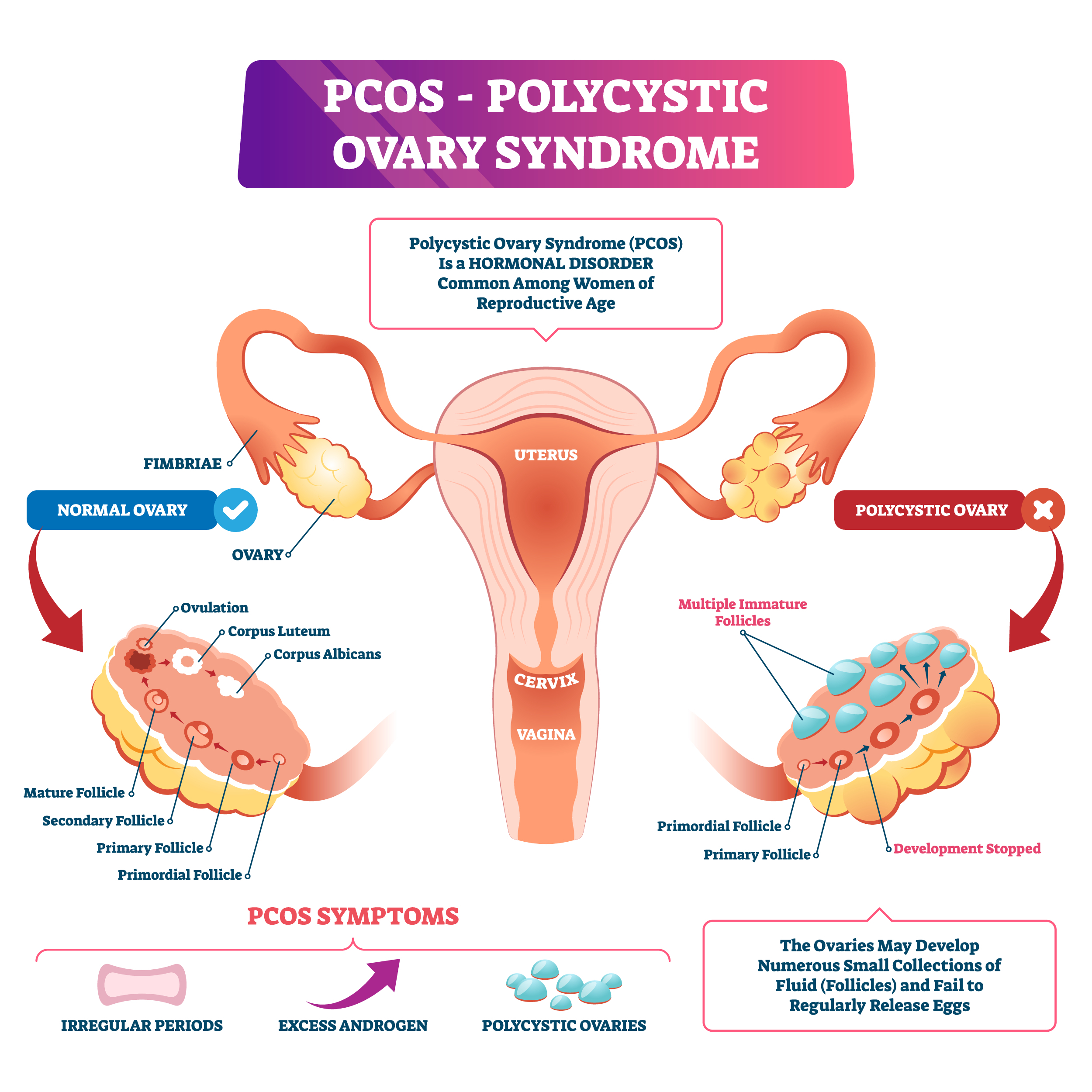
The three features of PCOS are:

  1. High levels of “male” sex hormones, such as testosterone
  2. A large number of immature ovarian follicles (fluid-filled sacs that develop and release eggs)
  3. Irregular menstrual cycles (typically less than 10 per year)

If you have two out of three, yes you do have PCOS. Later we will explain how to find out.

How likely is it to get pregnant with PCOS

How many people suffer from PCOS?

Millions. 1 in 10 women. Moreover, 70% of people with PCOS are either misdiagnosed or undiagnosed. So you may suspect you have PCOS, but still not know for sure. Get checked.

What causes PCOS?

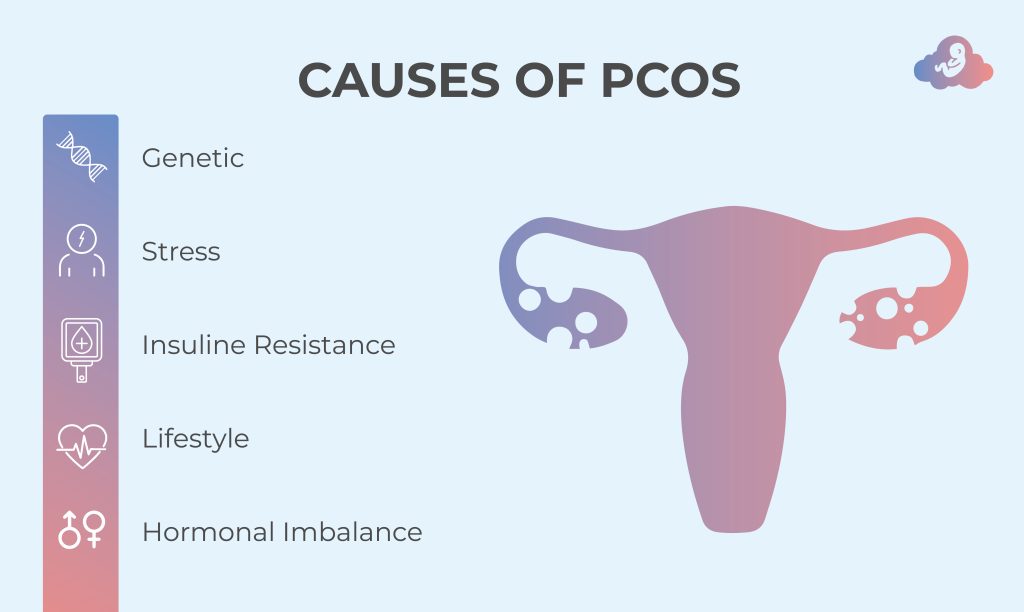
Although we do not currently know the exact underlying cause of PCOS, we think it is due to abnormal hormone secretion in the brain along with abnormal insulin sensitivity in the muscles, and here is how it works:

1. Your cells are not responding normally to insulin which leads to its high levels of insulin. It’s called insulin resistance. Insulin controls how food is changed into energy. As a result of resistance, your insulin blood levels become higher.

2. Insulin resistance can also lead to high levels of androgens (male hormones) can prevent the ovaries from releasing an egg during each menstrual cycle, also causing extra hair growth and acne.

Chances of Getting Pregnant with PCOS

Polycystic Ovary Syndrome (PCOS) is a common condition that affects a woman’s hormone levels, menstrual cycle, and ability to conceive. Many women with PCOS wonder about their chances of getting pregnant. Let’s take a closer look at the factors that can impact fertility in women with PCOS.

Factors Affecting Fertility in Women with PCOS

There are several factors that can affect the chances of getting pregnant with PCOS:

  • Irregular menstrual cycles: Women with PCOS often have irregular periods, which can make it difficult to predict ovulation and conceive.
  • Insulin resistance: Many women with PCOS have insulin resistance, which can lead to high levels of insulin in the body. This can disrupt the normal balance of reproductive hormones and affect fertility.
  • High levels of androgens: Women with PCOS may have higher than normal levels of androgens, which can interfere with the development and release of eggs from the ovaries.

Improving Fertility with PCOS

While getting pregnant with PCOS may present some challenges, there are steps that women can take to improve their chances of conceiving:

  • Healthy lifestyle: Maintaining a healthy weight, eating a balanced diet, and getting regular exercise can help improve fertility in women with PCOS.
  • Medication: Fertility medications such as clomiphene citrate or letrozole may be prescribed to help induce ovulation in women with PCOS.
  • Assisted reproductive technologies: In some cases, procedures such as in vitro fertilization (IVF) may be recommended to help women with PCOS conceive.

PCOS and Pregnancy Rate

Women with Polycystic Ovary Syndrome (PCOS) often face challenges when trying to conceive. However, it is important to note that pregnancy is still possible for women with PCOS, and there are various factors that can influence the pregnancy rate.

Effect of Weight

One of the key factors that can impact the pregnancy rate for women with PCOS is weight. Research has shown that 5-10% of body weight loss can significantly improve the chances of conceiving for women with PCOS. This is because excess weight can disrupt hormone levels and ovulation, making it harder to get pregnant.

It is important for women with PCOS to maintain a healthy weight through a balanced diet and regular exercise to improve their chances of conceiving.

Role of Hormonal Imbalance

Another factor that can affect the pregnancy rate for women with PCOS is hormonal imbalance. Women with PCOS often have higher levels of androgens, which can interfere with the regularity of their menstrual cycles and ovulation. This can make it more difficult to get pregnant.

Managing hormonal imbalance through medication and lifestyle changes can help regulate menstrual cycles and improve the chances of conceiving for women with PCOS.

How do I know I have PCOS?

Help us to help you:

  1. Track your menstrual cycles. How frequently they occur and how long they last ( and how painful or heavy they are). Report if your cycles are greater than 45 days apart or less than 10 per year
  2. Complete the work up recommended by your REI: get bloodwork done or order home test kits to check certain hormone levels
  3. Confirm polycystic ovaries using an ultrasound

Remember! PCOS is a spectrum and will have variable presentation and symptoms. The diagnosis is made when two of the three criteria are present.

Chances of Getting Pregnant with PCOS Naturally

Many women with Polycystic Ovary Syndrome (PCOS) wonder about their chances of getting pregnant without medical intervention. While PCOS can make it more difficult to conceive, it is still possible to get pregnant naturally with PCOS.

Understanding PCOS and Fertility

PCOS is a hormonal disorder that can cause irregular periods, high levels of androgens (male hormones), and cysts on the ovaries. These factors can make it harder for women with PCOS to ovulate regularly, which can affect their fertility and introduce fertility problems.

However, it’s important to note that not all women with PCOS have difficulty getting pregnant. Some women with PCOS are able to conceive without any issues, while others may need medical assistance.

PCOS and Pregnancy Success Rate Naturally

Many women with Polycystic Ovary Syndrome (PCOS) struggle with infertility, but there are natural methods that can help improve the chances of getting pregnant.

Healthy Diet and Exercise

Eating a balanced diet and maintaining a healthy weight can help regulate hormones and improve fertility in women with PCOS. Incorporating regular exercise into your routine can also help manage symptoms of PCOS and increase the likelihood of conceiving naturally.

Consider adding more fruits, vegetables, and whole grains to your diet while reducing processed foods and sugary treats. Aim for at least 30 minutes of moderate exercise most days of the week.

Stress Management

High levels of stress can negatively impact fertility, so finding ways to manage stress is crucial for women with PCOS who are trying to conceive naturally. Consider practicing yoga, meditation, or deep breathing exercises to help reduce stress levels.

Additionally, getting enough sleep and taking time for self-care can also contribute to overall well-being and improve the chances of getting pregnant.

Is it possible to get pregnant with PCOS quickly?

Is it hard to conceive with PCOS? Yes. However, getting pregnant in general is not a quick process. While a completely healthy young couple has a 25% chance of getting pregnant during a single cycle, chances of “absolutely healthy” individuals reduce with aging. PCOS makes it even more complicated. A few of our patients have conceived on their first cycle using standard medicated treatment. Although this is a rare case, Charity W from Oklahoma decided to share her experience with you:

Can I get pregnant with PCOS and no periods?

Is it impossible to conceive with PCOS without having periods? No. As you’ve seen in the testimonial above, Charity didn’t have periods at all and she got pregnant during her first cycle of treatment. Although medical miracles are rare, women with PCOS have one of the best prognosis when undergoing fertility treatment and most of them will eventually become pregnant. Even if they didn’t have periods before the treatment.

How to get pregnant with PCOS?

The good news is that with treatment, most patients would get pregnant. If the initial lifestyle changes like losing weight are not successful in initiating regular menses or you are not able to delay treatment, we recommend you start acting immediately, especially if you are over 35 years old, as the chances of pregnancy begin to decline. Also, there are some medical disorders that can mimic PCOS, so we strongly recommend you visit a Reproductive Endocrinologist with experience in evaluating and managing women with PCOS. Please, do not wait and do not lose your precious time.

There are two types of medicines used in fertility treatments for patients with PCOS:

Clomiphene or Letrozole

are usually the first medication type recommended for women with PCOS who are trying to get pregnant. Both medicines induce ovulation by encouraging recruitment, growth, and the monthly release of an egg from the ovaries (ovulation).

Metformin

Makes the body more sensitive to ovulation inducing medications if Clomiphene or Letrozole are unsuccessful in encouraging ovulation.

We can also recommend as appropriate supplements  from Theralogix™ that have been proven to help with fertility.  They include CoQ10, Inositol, and prenatal vitamins.  There are also supplements available for men to improve sperm quality.

Metformin is often used to treat type 2 diabetes, but it can also lower insulin and blood sugar levels in women with PCOS. As well as stimulating ovulation, encouraging regular monthly periods, and lowering the risk of miscarriage, metformin can also have other long-term health benefits, such as making cholesterol levels lower.

Are there any real success stories of getting pregnant with PCOS?

There are millions of stories like this, including our own patients. The following one is also real and very complicated at the same time. Keep in mind that you should not take it as treatment advice. Every case can be individualized.

Tiffany came to Fertility Cloud after three cycles of Clomid and two cycles of Letrozole ovulation induction. She was a 28-year old woman who had not been pregnant previously, diagnosed with PCOS at age twenty-one and has been on birth control until she started trying to get pregnant.

Testing confirmed the diagnosis of PCOS. Unfortunately, she did not ovulate on clomiphene and her initial trial of letrozole. Our approach was to make her ovaries more sensitive to ovulation induction. We started her on metformin and a small dose of dexamethasone. Then we increased her dose of letrozole. She ovulated in the first month and became pregnant after three cycles. 

So, what does it mean for me?

Although while it is hard to get pregnant with PCOS, the good news is that women with PCOS typically have some of the best forecast when undergoing fertility treatment. Most of them will eventually become pregnant. Treatment has improved significantly and has become more effective as well. The general rule in fertility treatments is the sooner you begin, the more likely you are to succeed. And it’s smart to choose an experienced doctor with an understanding of PCOS.  Don’t delay!  A consultation with a qualified REI can clear up any confusion or concerns you may have about getting pregnant with PCOS.


How likely is it to get pregnant with PCOS
Your subscription could not be saved. Please try again.
Your subscription has been successful.

Stay Informed

Subscribe to our newsletter to receive treatment updates

The Impact of an Endometriosis Diet on Fertility

endometriosis diet fertility

Learn what an endometriosis diet can do for fertility

The Impact of an Endometriosis Diet on Fertility

Endometriosis is a challenging condition that affects many women worldwide. Not only does it cause physical discomfort, but it can also significantly impact a woman’s fertility. However, recent studies have shown that implementing an endometriosis diet may have a positive impact on fertility outcomes. Understanding the connection between endometriosis, diet, and fertility is crucial for women seeking to optimize their reproductive health.

endometriosis diet

Understanding Endometriosis and Fertility

Before delving into the impact of an endometriosis diet on fertility, it is essential to have a clear understanding of what endometriosis is and how it affects a woman’s ability to conceive.

Endometriosis is a condition that affects millions of women worldwide. It occurs when tissue similar to the lining of the uterus, called the endometrium, begins to grow outside the uterus. This misplaced tissue can be found on the ovaries, fallopian tubes, and other organs in the pelvis. Each month, just like the lining of the uterus, these endometrial implants thicken and shed. However, since the tissue is located outside the uterus, it has no way to exit the body, leading to inflammation, scarring, and adhesions.

The exact cause of endometriosis is still unknown, but there are several theories. One theory suggests that during menstruation, some of the menstrual blood containing endometrial cells flows backward through the fallopian tubes and into the pelvic cavity, where it implants and grows. Another theory suggests that endometrial cells may travel through the bloodstream or lymphatic system to other parts of the body, where they implant and grow.

How Does Endometriosis Affect Fertility?

The presence of endometriosis can create various fertility challenges for women. The abnormal tissue growth can cause blockages in the fallopian tubes, making it difficult for sperm to reach the egg. This can significantly reduce the chances of natural conception. In severe cases, the fallopian tubes may become completely blocked, preventing any possibility of pregnancy without medical intervention.

Furthermore, the inflammatory response triggered by endometriosis can adversely affect the quality of the woman’s eggs. The chronic inflammation can lead to oxidative stress, which can damage the eggs and reduce their viability. This can make it more challenging for the eggs to be fertilized and develop into a healthy embryo.

In addition to affecting the eggs and fallopian tubes, endometriosis can also impact the uterus itself. The inflammation and scarring caused by the condition can make it difficult for the embryo to implant and develop properly in the uterine lining. This can result in a higher risk of miscarriage or failed implantation.

It’s important to note that not all women with endometriosis will experience fertility issues. The severity and location of the endometrial implants, as well as other factors such as age and overall reproductive health, can influence the impact on fertility. However, for those who do struggle with infertility due to endometriosis, there are various treatment options available, including fertility medications, surgery, and assisted reproductive technologies like in vitro fertilization (IVF).

In conclusion, endometriosis is a complex condition that can significantly impact a woman’s fertility. The abnormal tissue growth, inflammation, and scarring associated with endometriosis can create various challenges for conception and pregnancy. However, with the right medical interventions and support, many women with endometriosis can still achieve their dream of becoming mothers.

The Role of Diet in Managing Endometriosis

While there is no cure for endometriosis, adopting a healthy and balanced diet can play a significant role in managing the symptoms and potentially positively impacting fertility outcomes.

Endometriosis is a chronic condition in which the tissue that normally lines the uterus grows outside of it, causing pain, inflammation, and sometimes infertility. The exact cause of endometriosis is still unknown, but emerging research suggests that certain dietary factors may influence its development and progression.

The Connection Between Diet and Endometriosis

Diets rich in inflammatory foods, such as processed meats, refined sugars, and saturated fats, have been associated with a higher risk of endometriosis. These foods can increase inflammation in the body, exacerbating the symptoms of endometriosis and potentially impacting fertility.

On the other hand, a diet that incorporates anti-inflammatory foods, antioxidants, and essential nutrients may help reduce inflammation and minimize the impact of endometriosis on fertility. Anti-inflammatory foods include fruits and vegetables, whole grains, legumes, and healthy fats like avocados and olive oil. These foods can help reduce inflammation in the body and provide important nutrients for overall reproductive health.

Key Nutrients for Managing Endometriosis

Several nutrients have been studied for their potential benefits in managing endometriosis. Omega-3 fatty acids, found in fatty fish like salmon and mackerel, as well as flaxseeds and chia seeds, have anti-inflammatory properties. These fatty acids can help reduce inflammation in the body and may alleviate some of the symptoms associated with endometriosis.

Vitamin D is another nutrient that has been linked to endometriosis. Research suggests that women with endometriosis often have lower levels of vitamin D, and supplementation may help improve symptoms. Vitamin D plays a crucial role in immune function and may help modulate the inflammatory response in the body.

In addition to omega-3 fatty acids and vitamin D, antioxidants like vitamin C and E have been shown to have potential benefits for managing endometriosis. These antioxidants can help neutralize harmful free radicals in the body, reducing oxidative stress and inflammation.

Lastly, magnesium is an essential mineral that plays a role in hormone regulation and muscle function. It may help alleviate some of the pain associated with endometriosis and promote overall reproductive health.

It’s important to note that while diet can have a significant impact on managing endometriosis, it should be used as a complementary approach alongside medical treatments and lifestyle modifications. Consulting with a healthcare professional or a registered dietitian can help develop an individualized diet plan that meets your specific needs and goals.

The Endometriosis Diet and Its Impact on Fertility

The endometriosis diet focuses on promoting hormonal balance, reducing inflammation, and supporting overall reproductive health. By incorporating specific foods and avoiding others, women with endometriosis may increase their chances of conceiving.

Endometriosis is a condition in which the tissue that normally lines the uterus grows outside of it, causing pain and infertility. While there is no cure for endometriosis, adopting a specialized diet can help manage the symptoms and potentially improve fertility.

How the Endometriosis Diet Works

The endometriosis diet primarily aims to reduce inflammation and promote a healthy immune system response. This is achieved by avoiding foods that are known to trigger inflammation, such as processed foods, high-glycemic carbohydrates, and foods high in trans fats.

Processed foods, such as fast food and packaged snacks, are often loaded with artificial additives, preservatives, and unhealthy fats. These ingredients can contribute to inflammation in the body, exacerbating the symptoms of endometriosis.

High-glycemic carbohydrates, such as white bread, pasta, and sugary treats, can cause a rapid spike in blood sugar levels. This can lead to increased inflammation and hormonal imbalances, which can negatively impact fertility.

Foods high in trans fats, such as fried foods and commercially baked goods, have been linked to increased inflammation and insulin resistance. Insulin resistance can disrupt hormonal balance and interfere with the reproductive system.

Instead, the diet emphasizes whole, nutrient-dense foods that are rich in antioxidants, fiber, and essential fatty acids. These include fruits, vegetables, whole grains, lean proteins, and healthy fats.

Fruits and vegetables are packed with vitamins, minerals, and antioxidants that help reduce inflammation and support overall health. They also provide fiber, which aids in digestion and helps maintain a healthy weight.

Whole grains, such as quinoa, brown rice, and oats, are high in fiber and essential nutrients. They provide sustained energy and help regulate blood sugar levels, reducing inflammation and promoting hormonal balance.

Lean proteins, such as chicken, fish, and tofu, are important for reproductive health. They provide essential amino acids that support the production of hormones and help repair tissues.

Healthy fats, such as avocados, nuts, and olive oil, are crucial for hormone production and absorption. They also have anti-inflammatory properties and support overall cardiovascular health.

Potential Benefits of the Endometriosis Diet for Fertility

Following an endometriosis diet may have several potential benefits for fertility. By reducing inflammation and supporting hormonal balance, the diet may help improve egg quality, promote regular menstrual cycles, and enhance overall reproductive health.

Chronic inflammation can negatively affect egg quality and implantation. By reducing inflammation through diet, women with endometriosis may improve the chances of successful fertilization and implantation.

Hormonal imbalances, such as high estrogen levels, are common in women with endometriosis. These imbalances can disrupt the menstrual cycle and interfere with ovulation. The endometriosis diet, with its focus on hormonal balance, may help regulate the menstrual cycle and improve ovulation.

Additionally, the diet’s emphasis on nutrient-dense foods can help ensure that the body has an adequate supply of essential nutrients for optimal fertility. Reproductive health relies on essential nutrients like folate, iron, and omega-3 fatty acids, which a well-balanced diet can provide.

Emphasize that the endometriosis diet may offer potential fertility benefits but should complement medical treatments and guidance from healthcare professionals.

Overall, the endometriosis diet offers a holistic approach to managing the symptoms of endometriosis and supporting fertility. By making conscious food choices and prioritizing nutrient-dense options, women with endometriosis can take proactive steps towards improving their reproductive health.

Implementing the Endometriosis Diet

Implementing an endometriosis diet can be a key step in managing the condition and enhancing fertility outcomes.

Foods to Include in the Endometriosis Diet

The endometriosis diet encourages the consumption of nutrient-rich foods that have anti-inflammatory properties. Some examples include fatty fish like salmon and mackerel, leafy greens, berries, nuts, seeds, whole grains, and legumes. Packed with essential nutrients, antioxidants, and healthy fats, these foods can support reproductive health and help manage inflammation.

Foods to Avoid in the Endometriosis Diet

To minimize inflammation and support hormonal balance, it is advisable to avoid certain foods that can exacerbate endometriosis symptoms. These may include processed foods, refined sugars, high-glycemic carbohydrates, red meat, and foods high in saturated fats. Additionally, some women may find it helpful to limit their intake of dairy and gluten, as these foods can sometimes trigger inflammation in sensitive individuals.

The Endometriosis Diet: A Comprehensive Approach

While the endometriosis diet can be beneficial on its own, it is essential to approach it as part of a comprehensive treatment plan.

Combining the Endometriosis Diet with Other Treatments

To optimize the management of endometriosis and enhance fertility, it is crucial to combine the endometriosis diet with other evidence-based treatments. This may include medical interventions such as hormonal therapies, surgical interventions to remove endometrial growths, and alternative therapies like acupuncture and yoga. A multidimensional approach allows for a holistic and personalized approach to endometriosis management.

The Importance of Personalized Nutrition in Endometriosis Management

Each woman’s experience with endometriosis is unique, and a one-size-fits-all approach may not be effective. Personalized nutrition, tailored to an individual’s specific needs and preferences, can play a crucial role in managing the condition. Working with a healthcare professional, such as a registered dietitian specializing in reproductive health, can help create a personalized endometriosis diet that aligns with lifestyle goals and optimizes fertility outcomes.

In conclusion, an endometriosis diet can have a significant impact on fertility outcomes for women with endometriosis. By adopting an anti-inflammatory and nutrient-rich eating plan, women can potentially reduce inflammation, support hormonal balance, and enhance overall reproductive health. However, it is essential to approach the endometriosis diet as part of a comprehensive treatment plan, combining it with other evidence-based interventions to optimize outcomes. Personalized nutrition guidance can provide valuable support in navigating the complexities of endometriosis management and fertility optimization.

endometriosis diet
Your subscription could not be saved. Please try again.
Your subscription has been successful.

Stay Informed

Subscribe to our newsletter to receive treatment updates

Delicious High Protein Banana Bread Recipe

Learn how to make a high protein banana bread

Delicious High Protein Banana Bread Recipe

In today’s article, we will be sharing a delightful and health-conscious recipe for high protein banana bread. This sweet and satisfying treat is not only delicious but also packed with the goodness of protein. By understanding the importance of high protein foods and learning about the benefits they offer, you can make a positive impact on your overall well-being.

banana bread

Understanding the Importance of High Protein Foods

Before diving into the specifics of our high protein banana bread recipe, let’s explore the role that protein plays in our diet. Protein is an essential macronutrient that is responsible for building and repairing tissues in our bodies. It is composed of amino acids, which are the building blocks of life. Consuming adequate amounts of protein is crucial for maintaining healthy muscles, bones, and organs.

Protein is vital for many bodily functions. It aids in the production of enzymes and hormones, helps regulate the immune system, and supports proper nutrient absorption. Additionally, protein promotes satiety, making us feel fuller for longer periods, which can assist in weight management.

But what exactly are the benefits of high protein foods? Let’s take a closer look.

Fertility Diet recipe when #ttc

The Role of Protein in Our Diet

Protein is not just important for building and repairing tissues; it has a wide range of functions in our bodies. One of its key roles is in the production of enzymes, which are essential for various chemical reactions that occur in our cells. Enzymes help break down food, facilitate digestion, and ensure that nutrients are properly absorbed.

Furthermore, protein plays a crucial role in hormone production. Hormones are chemical messengers that regulate various processes in our bodies, such as growth, metabolism, and reproduction. Without adequate protein intake, our hormone levels may become imbalanced, leading to various health issues.

Another important function of protein is its role in the immune system. Our immune system relies on proteins called antibodies to identify and neutralize harmful substances, such as bacteria and viruses. Without enough protein, our immune system may become compromised, making us more susceptible to infections and diseases.

In addition to these vital functions, protein also plays a role in maintaining fluid balance, transporting nutrients and oxygen throughout the body, and supporting the structure and function of cells.

Benefits of High Protein Foods

Now that we understand the various roles protein plays in our bodies, let’s explore the benefits of consuming high protein foods.

One of the key advantages of high protein foods is their ability to provide sustained energy levels. Unlike carbohydrates, which can cause energy spikes and crashes, protein is digested and absorbed more slowly, providing a steady release of energy throughout the day. This can help prevent energy slumps and keep us feeling alert and focused.

Additionally, high protein foods are known for their muscle-building properties. When we engage in physical activity, our muscles undergo stress and micro-tears. Protein helps repair and rebuild these damaged muscle fibers, leading to increased muscle mass and strength over time. This is particularly beneficial for athletes and individuals who engage in regular exercise.

Furthermore, high protein foods can aid in post-workout recovery. After intense exercise, our muscles need to replenish glycogen stores and repair damaged tissues. Protein-rich meals or snacks consumed after a workout can help facilitate this recovery process, reducing muscle soreness and promoting faster healing.

In terms of weight management, high protein foods can be a valuable tool. Protein has a higher thermic effect compared to fats and carbohydrates, meaning that our bodies burn more calories during the digestion and absorption process. Additionally, protein promotes satiety, making us feel fuller for longer periods. This can help reduce overall calorie intake and prevent overeating, ultimately supporting weight loss or maintenance goals.

Lastly, high protein foods can help stabilize blood sugar levels. When we consume carbohydrates, they are broken down into glucose, which enters our bloodstream and causes a rise in blood sugar levels. However, when we combine carbohydrates with protein, the digestion and absorption of glucose are slowed down, preventing sharp spikes and crashes in blood sugar. This can be particularly beneficial for individuals with diabetes or those looking to maintain stable energy levels throughout the day.

In conclusion, high protein foods offer a multitude of benefits for our overall health and well-being. From supporting muscle growth and recovery to aiding in weight management and stabilizing blood sugar levels, protein plays a crucial role in our diet. So, next time you enjoy a high protein meal or snack, remember the numerous ways it is benefiting your body.

Ingredients for High Protein Banana Bread

Now that we understand the importance of incorporating high protein foods into our diet, let’s uncover the essential ingredients for our delightful banana bread recipe. These ingredients strike the perfect balance between wholesomeness and deliciousness.

Essential Ingredients for Banana Bread

For a classic banana bread recipe base, you will need:

  1. Ripe bananas – 3 medium-sized
  2. All-purpose flour – 1 ½ cups
  3. Granulated sugar – ¾ cup
  4. Unsalted butter – ½ cup, melted
  5. Eggs – 2 large
  6. Baking soda – 1 teaspoon
  7. Salt – ¼ teaspoon

Now that we have the foundation for our banana bread, let’s take it up a notch and add some protein-packed ingredients to make it even more nutritious and satisfying.

Adding the Protein Punch: Key Ingredients

To enhance the protein content of our banana bread recipe, we will incorporate a few additional ingredients:

  • Vanilla protein powder – ½ cup

Protein powder is a convenient and effective way to boost the protein content of any recipe. By adding vanilla protein powder to our banana bread, we not only increase its nutritional value but also infuse it with a subtle vanilla flavor.

  • Plain Greek yogurt – ½ cup

Greek yogurt is a versatile ingredient that adds creaminess and tanginess to baked goods. In addition to its protein content, Greek yogurt also contributes to the moist texture of our banana bread.

  • Chopped walnuts – ½ cup

Walnuts are not only a great source of protein but also provide a satisfying crunch to our banana bread. They are rich in healthy fats and add a delightful nutty flavor to the overall taste.

By incorporating these key ingredients, we transform our classic banana bread into a high protein treat that is both delicious and nutritious. So let’s gather our ingredients and get ready to bake a loaf of protein-packed goodness!

Step-by-Step Guide to Making High Protein Banana Bread

Now that our ingredients are ready, let’s proceed with our step-by-step guide to making this delectable high protein banana bread.

Preparing Your Baking Tools and Ingredients

Start by preheating your oven to 350°F (175°C). Grease a loaf pan with butter or cooking spray to prevent the bread from sticking. Gather your ingredients, ensuring they are readily available and properly measured.

Before we dive into the recipe, let’s take a moment to appreciate the versatility of banana bread. It’s a classic treat that can be enjoyed for breakfast, as a snack, or even as a dessert. This particular recipe adds a twist by incorporating high protein ingredients, making it a healthier option without compromising on taste.

Now, let’s talk about the importance of preheating the oven. Preheating ensures that the oven reaches the desired temperature before you start baking. This step is crucial for achieving the perfect texture and consistency in your banana bread.

As you grease the loaf pan, make sure to coat every nook and cranny to prevent any sticking. This will make it easier to remove the bread once it’s baked, ensuring a beautiful presentation.

Mixing the Ingredients

In a large mixing bowl, mash the ripe bananas until smooth. The bananas should be nice and ripe, with brown speckles on the skin. This will give your banana bread a rich flavor and natural sweetness.

Now, let’s talk about the star ingredient of this recipe – Greek yogurt. Greek yogurt not only adds a creamy texture to the bread but also boosts its protein content. It’s a great substitute for oil or butter, making the bread healthier without sacrificing taste.

As you stir the ingredients together, take a moment to appreciate the aroma of the ripe bananas and melted butter. The combination of these ingredients creates a heavenly scent that will fill your kitchen and make your mouth water in anticipation.

In a separate bowl, whisk together the all-purpose flour, baking soda, salt, and vanilla protein powder. The baking soda helps the bread rise, giving it a light and fluffy texture. The salt enhances the flavors, balancing the sweetness of the bananas and sugar.

Now, let’s talk about the vanilla protein powder. This ingredient not only adds a subtle vanilla flavor but also boosts the protein content of the bread. It’s a great way to incorporate more protein into your diet, especially if you’re looking to fuel your body after a workout.

As you gradually incorporate the dry mixture into the wet mixture, take your time to ensure everything is well combined. Gentle stirring is key here, as you don’t want to overmix the batter. Overmixing can result in a dense and tough banana bread.

Finally, fold in the chopped walnuts. The walnuts add a delightful crunch and nutty flavor to the bread. They also provide additional protein and healthy fats, making this banana bread a nutritious treat.

Baking the Banana Bread

Pour the prepared batter into the greased loaf pan, spreading it evenly. The batter should fill the pan about three-quarters of the way. This will allow the bread to rise and bake evenly.

Now, let’s talk about the baking time. The suggested baking time of 60-70 minutes is just an estimate. Every oven is different, so it’s important to keep an eye on your banana bread as it bakes. You’ll know it’s done when a toothpick inserted into the center comes out clean.

While the banana bread bakes, your kitchen will be filled with the irresistible aroma of freshly baked goods. The anticipation of sinking your teeth into a warm slice of high protein banana bread is almost too much to bear.

Once baked, remove the banana bread from the oven and allow it to cool in the pan for 10 minutes. This resting time allows the bread to set and makes it easier to remove from the pan without falling apart.

As the bread cools, it’s hard to resist the temptation to slice into it right away. But trust me, patience is key here. Allowing the bread to cool completely on a wire rack will ensure that it maintains its shape and texture.

Now that your high protein banana bread is ready, it’s time to savor each bite. The combination of ripe bananas, Greek yogurt, and chopped walnuts creates a moist and flavorful bread that will leave you craving for more.

Whether you enjoy it as a quick breakfast on the go, a satisfying snack, or a guilt-free dessert, this high protein banana bread is sure to become a favorite in your household. So go ahead, slice yourself a piece, and indulge in this delicious and nutritious treat.

Nutritional Value of High Protein Banana Bread

Now that your high protein banana bread is ready to be relished, let’s take a closer look at its impressive nutritional content.

Breaking Down the Nutritional Content

One slice of this delectable banana bread delivers approximately:

  • Calories – 180
  • Total Fat – 8g
  • Protein – 7g
  • Carbohydrates – 22g
  • Fiber – 2g
  • Sugar – 10g

Comparing to Regular Banana Bread Recipe

Compared to regular banana bread, this high protein version offers additional nutritional benefits due to the inclusion of protein powder and Greek yogurt. It provides a boost of protein without compromising on taste, making it an excellent option for those seeking a healthier alternative.

Tips for the Perfect High Protein Banana Bread

To ensure your high protein banana bread turns out perfectly every time, follow these helpful tips:

Avoiding Common Baking Mistakes

Be sure to use ripe bananas, as they are sweeter and easier to mash. Additionally, avoid overmixing the batter to prevent a dense texture and incorporate air by gently folding the dry ingredients.

Customizing Your Banana Bread Recipe

Feel free to personalize your banana bread by adding your favorite mix-ins! Consider adding dark chocolate chips, dried fruit, or even a sprinkle of cinnamon for added flavor. Get creative and make your high protein banana bread truly unique.

Now that you are armed with all the necessary information and the recipe to create this delicious high protein banana bread, it’s time to head to the kitchen and start baking! Treat yourself to this delightful and nutritious twist on a classic favorite. Enjoy!

banana bread
Your subscription could not be saved. Please try again.
Your subscription has been successful.

Stay Informed

Subscribe to our newsletter to receive treatment updates