Fertility Specialist

Understanding Miscarriages: Causes, Symptoms, and Treatment Options

Understanding Miscarriages: Causes, Symptoms, and Treatment Options

Miscarriage

In recent years, the topic of miscarriages has increasingly garnered attention, leading to a deeper understanding of the complex factors that contribute to the loss of a pregnancy. This article delves into the multifaceted causes of miscarriages, which range from chromosomal abnormalities and maternal health conditions to lifestyle factors and environmental influences. Furthermore, we explore the available treatment options and preventative measures to help couples facing this emotionally devastating experience. By shedding light on this sensitive issue, we aim to foster informed conversations, promote awareness, and ultimately contribute to the development of more effective strategies for managing and preventing miscarriages.

Introduction to Miscarriages

A miscarriage is the involuntary loss of a pregnancy before the 20th week. Unfortunately, miscarriages are quite common, occurring in approximately 10% to 20% of known pregnancies. The majority of miscarriages occur during the first trimester, and most are due to natural causes. It’s essential to understand the different types of miscarriages, their causes, symptoms, and treatment options to help you navigate this challenging experience.

Types of Miscarriages

There are several types of miscarriages, each with its own set of characteristics:

  1. Threatened miscarriage: Vaginal bleeding occurs, but the cervix remains closed. The pregnancy may continue without complications.
  2. Inevitable miscarriage: Heavy bleeding, cramping, and an open cervix indicate that a miscarriage is imminent.
  3. Incomplete miscarriage: Some, but not all, of the pregnancy tissue has been expelled from the uterus.
  4. Complete miscarriage: All pregnancy tissue has been expelled from the uterus.
  5. Missed miscarriage: The embryo or fetus has stopped developing, but the body has not yet expelled the pregnancy tissue.
  6. Recurrent miscarriage: Three or more consecutive miscarriages.

Causes of Miscarriages

Miscarriages can be caused by various factors, including:
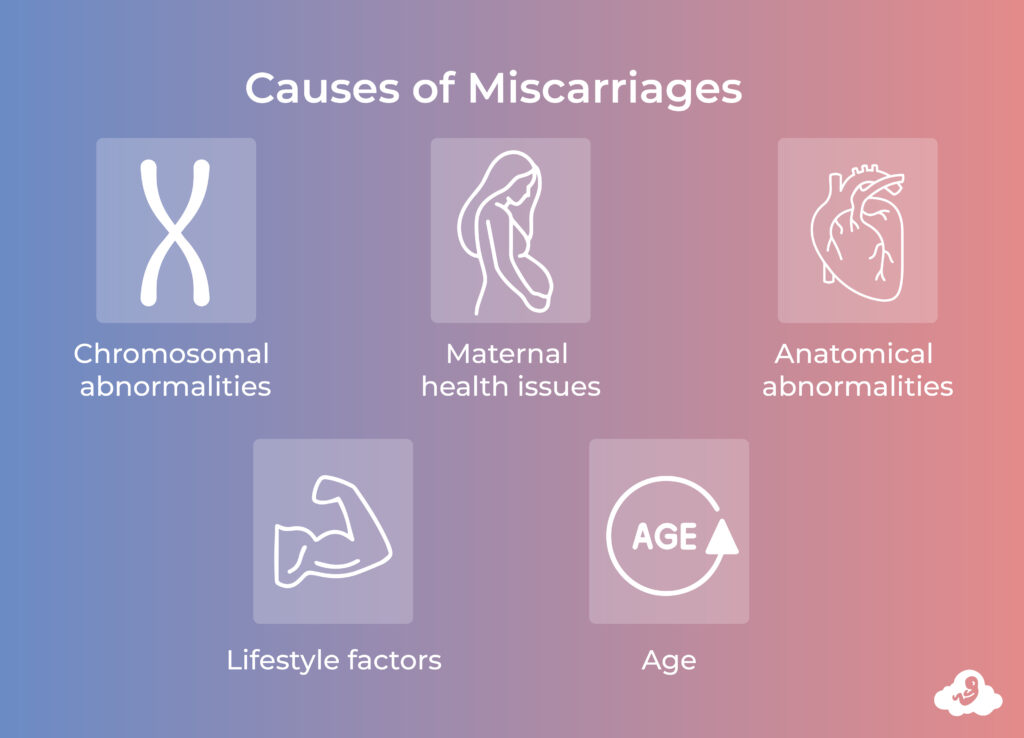
  1. Chromosomal abnormalities: Most early losses are due to chromosomal issues in the developing embryo or fetus, such as extra or missing chromosomes. These abnormalities typically occur by chance and are not inherited.
  2. Maternal health issues: Conditions like uncontrolled diabetes, infections, thyroid disorders, and autoimmune diseases can increase the risk of pregnancy loss.
  3. Anatomical abnormalities: Structural abnormalities in the uterus, such as fibroids or a septate uterus, can interfere with implantation or cause complications during pregnancy.
  4. Lifestyle factors: Smoking, alcohol consumption, and drug use can all contribute to the risk of early loss.
  5. Age: The risk of pregnancy loss increases with age, especially for women over 35.

Symptoms and Warning Signs

Some common symptoms and warning signs of a stillbirth include:

  • Vaginal bleeding or spotting
  • Cramping or pain in the abdomen or lower back
  • Fluid or tissue passing from the vagina
  • Loss of pregnancy symptoms, such as breast tenderness or nausea

If you experience any of these symptoms, contact your healthcare provider immediately, preferably an OB/GYN or REI doctors.

Diagnosis and Tests

To diagnose a miscarriage, your healthcare provider may perform the following tests:

  1. Physical examination: Assessing your symptoms and checking the cervix for dilation.
  2. Blood tests: Measuring hormone levels, such as human chorionic gonadotropin (hCG), to determine the viability of the pregnancy.
  3. Ultrasound: Visualizing the embryo or fetus and checking for a heartbeat.
  4. Tissue tests: Analyzing expelled tissue to determine the cause of the pregnancy loss, especially in cases of multiple recurrences.

Treatment and Recovery

The appropriate treatment for a miscarriage depends on the type and severity of the situation:

  1. Expectant management: In some cases, your healthcare provider may recommend waiting for the miscarriage to progress naturally. This approach is typically used for early losses or when the pregnancy tissue is expected to pass without intervention.
  2. Medical management: Medications may be prescribed to help the body expel the pregnancy tissue. This is usually done in cases of incomplete or missed miscarriages.
  3. Surgical management: A procedure called dilation and curettage (D&C) may be performed to remove the pregnancy tissue from the uterus, particularly in cases of incomplete or missed miscarriages where other treatments are ineffective or not recommended.

After an early loss, it’s essential to allow yourself time to heal, both physically and emotionally. Follow your healthcare provider’s recommendations for recovery, which may include getting plenty of rest, avoiding strenuous activities, and waiting a certain period before trying to conceive again.

Preventing Miscarriages

While many miscarriages are due to factors beyond your control, there are some steps you can take to reduce your risk:

  1. Maintain a healthy lifestyle: Eat a balanced diet, exercise regularly, get enough sleep, and manage stress.
  2. Avoid harmful substances: Refrain from smoking, drug use, and limit alcohol consumption.
  3. Manage pre-existing conditions: Keep chronic health issues, such as diabetes or thyroid disorders, under control.
  4. Take prenatal vitamins: Begin taking prenatal vitamins before trying to conceive to ensure you’re getting essential nutrients like folic acid.
  5. Seek early prenatal care: Regular check-ups with your healthcare provider can help detect and manage any potential complications.

Coping with Loss

Experiencing a miscarriage can be an emotionally challenging event. It’s essential to allow yourself time to grieve and seek support from friends, family, or a mental health professional if needed. Joining a support group, talking to others who had a similar experience, or exploring therapy options can provide valuable assistance during this difficult time.

Remember that it’s common for women who have went through losses to go on to have successful pregnancies in the future. Don’t lose hope, and give yourself the time and space to heal physically and emotionally before trying to conceive again.
Your subscription could not be saved. Please try again.
Your subscription has been successful.

Stay Informed

Subscribe to our newsletter to receive treatment updates

Male Infertility: Causes, Symptoms, Diagnosis, and Treatment

Male Infertility

What Is Male Infertility

Infertility is a common problem affecting millions of couples worldwide, and male factor infertility is a significant factor in nearly half of all cases. The World Health Organization defines male infertility as the inability to conceive a child despite regular, unprotected sexual intercourse for at least one year. Infertility can be a stressful and frustrating experience for couples, but understanding the causes and treatment options can provide hope and guidance.

In this article, we will discuss infertility in males. in detail, including its causes, diagnosis, and treatment options. We will also explore lifestyle changes that can improve male fertility and offer advice on how to cope with the emotional impact of infertility.

Causes of Male Infertility

Infertility in males can be caused by a variety of factors, including:

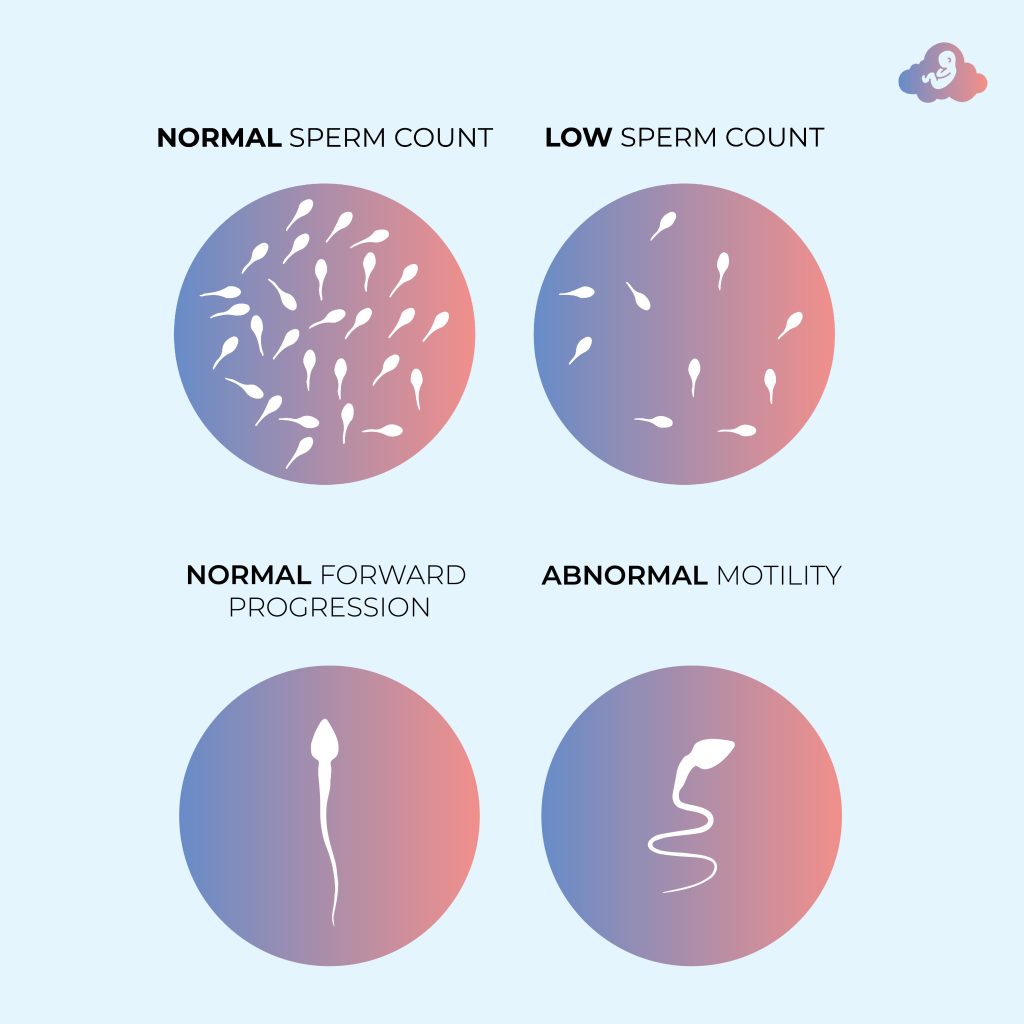
  1. Low Sperm Count: A low sperm count, also known as oligospermia, is the most common cause of infertility. Men with a low sperm count may have difficulty fertilizing their partner’s egg or may not be able to do so at all.
  2. Abnormal Sperm: Sperm abnormalities, such as misshapen or immobile sperm, can also cause infertility. Abnormal sperm may not be able to swim to the egg or penetrate its outer layer.
  3. Hormonal Imbalances: Hormonal imbalances, such as low testosterone levels or high levels of prolactin, can interfere with sperm production and reduce male fertility.
  4. Varicocele: Varicocele is a swelling of the veins that drain the testicles, which can cause reduced sperm production and quality.
  5. Genetic Abnormalities: Genetic abnormalities, such as Klinefelter’s syndrome or Y chromosome deletions, can affect sperm production and lead to infertility.
  6. Infections: Certain infections, such as chlamydia and gonorrhea, can damage the male reproductive system and affect fertility.
  7. Environmental Factors: Exposure to environmental toxins, such as pesticides and chemicals, can reduce sperm count and quality.
  8. Lifestyle Factors: Lifestyle factors, such as smoking, excessive alcohol consumption, and drug use, can also reduce male fertility.
Male Infertility

Diagnosing Male Infertility

If a couple has been trying to achieve pregnancy for at least a year without success, it may be time to seek medical help. A doctor can perform a physical exam and conduct a variety of tests to diagnose infertility, including:

  1. Semen Analysis: A semen analysis is a simple and non-invasive test that can determine the quality and quantity of sperm in the semen.
  2. Hormone Testing: Hormone testing can check for imbalances that may be affecting sperm production.
  3. Genetic Testing: Genetic testing can detect any abnormalities that may be affecting fertility.
  4. Imaging Tests: Imaging tests, such as ultrasound or MRI, can detect structural abnormalities in the male reproductive system.
  5. Testicular Biopsy: In some cases, a testicular biopsy may be necessary to diagnose infertility.

Treatment Options for Male Infertility

Treatment options for infertility depend on the underlying cause of the problem. Some common treatment options include:

  1. Medications: Medications can be prescribed to correct hormonal imbalances, improve sperm production, or treat infections.
  2. Surgery: Surgery may be necessary to repair structural abnormalities, such as a varicocele.
  3. Assisted Reproductive Techniques: Assisted reproductive techniques, such as in vitro fertilization (IVF) and intracytoplasmic sperm injection (ICSI), can be used to overcome infertility.
  4. Lifestyle Changes: Lifestyle changes, such as quitting smoking, reducing alcohol consumption, and maintaining a healthy weight, can improve male fertility.

Coping with Male Infertility

Infertility can be a challenging and emotional experience for couples, but there are several ways to cope with the stress and frustration of infertility. Here are some tips for coping with infertility in males:

  1. Seek Support: Talk to your partner, friends, or family about your feelings. Consider joining a support group for couples dealing with infertility.
  2. Practice Self-Care: Take care of your physical and emotional health by eating well, exercising regularly, and engaging in stress-reducing activities, such as yoga or meditation.
  3. Be Open to Alternative Paths to Parenthood: Consider alternative paths to parenthood, such as adoption or donor insemination.
  4. Take a Break: Take a break from trying to conceive if you need it. It’s important to take time for yourself and your relationship.
  5. Get Professional Help: If you’re struggling to cope with infertility, consider seeking professional help from a therapist or counselor.

Preventing Male Infertility

While not all cases of infertility can be prevented, there are some steps men can take to improve their fertility and reduce their risk of infertility:

  1. Maintain a Healthy Weight: Being overweight or obese can affect sperm production and quality. Maintaining a healthy weight can help improve male fertility.
  2. Quit Smoking: Smoking can reduce sperm count and quality. Quitting smoking can improve male fertility.
  3. Limit Alcohol and Drug Use: Excessive alcohol consumption and drug use can also affect male fertility. Limiting alcohol and drug use can help improve fertility.
  4. Avoid Environmental Toxins: Exposure to environmental toxins, such as pesticides and chemicals, can reduce sperm count and quality. Avoiding these toxins can help improve male fertility.

Conclusion

Male infertility is a common problem that can be caused by a variety of factors. Understanding the causes and treatment options can provide hope and guidance for couples dealing with infertility. If you are experiencing infertility, talk to your doctor about your options and seek support from loved ones and professionals. By taking steps to improve your fertility and coping with the emotional impact of infertility, you can increase your chances of achieving your dream of becoming a parent.

We strive for accuracy in our fertility information, but remember, every individual’s path is unique. This general guidance might not fit your specific circumstances. Always consult a licensed medical professional for personalized advice based on your health history.

Beyond medical interventions, natural fertility support is diverse. Stress reduction, a healthy diet, consistent exercise, and sufficient sleep are key. Simple adjustments like mindfulness, yoga, or meditation for stress, and prioritizing good sleep, can boost overall well-being and aid fertility. Always consult a specialist for personalized advice; your unique health and fertility require professional guidance.

Your subscription could not be saved. Please try again.
Your subscription has been successful.

Stay Informed

Subscribe to our newsletter to receive treatment updates

A Guide To Home Fertility Tests For Women

How do you test for fertility?

In today’s modern world, women are becoming increasingly proactive when it comes to planning their families. With advancements in technology and the growing popularity of at-home medical testing, it’s no surprise that home fertility tests for women have emerged as a popular option.

Understanding the Different Types of Home Fertility Tests

Before diving into the world of home fertility testing, it’s important to understand the different types available. There are two main categories: ovulation predictor kits (OPKs) and fertility hormone level tests. OPKs work by detecting the surge in luteinizing hormone (LH) that occurs prior to ovulation. On the other hand, fertility hormone level tests measure the levels of key hormones like follicle-stimulating hormone (FSH) and luteinizing hormone (LH) to assess overall fertility.

OPKs are typically used by women who are trying to conceive to pinpoint the most fertile days in their menstrual cycle. These kits are designed to detect the LH surge that triggers ovulation, allowing women to time intercourse for the best chance of conception. Some OPKs also come with additional features such as tracking basal body temperature or monitoring cervical mucus consistency to provide a more comprehensive fertility picture.

Fertility hormone level tests, on the other hand, offer a broader view of a person’s reproductive health by measuring key hormone levels. FSH, produced by the pituitary gland, plays a crucial role in stimulating the growth of ovarian follicles. Elevated FSH levels may indicate a decline in ovarian reserve, while low levels could point to issues with ovulation. LH, another hormone measured in these tests, works in conjunction with FSH to regulate the menstrual cycle and ovulation. By analyzing these hormone levels, individuals can gain insights into their overall fertility status and potential reproductive challenges.

How Accurate Are Home Fertility Tests?

One of the most important factors to consider when exploring home fertility tests is their accuracy. While these tests are convenient and easily accessible, it’s crucial to understand their limitations. OPKs can be quite accurate in predicting ovulation, but they do not provide information about egg quality or fallopian tube health. Fertility hormone level tests, while informative, cannot assess the condition of the eggs or the uterus. It’s essential to keep these limitations in mind and consider seeking professional guidance for a comprehensive assessment of fertility.

When considering the accuracy of home fertility tests, it’s important to note that individual variability can also impact the results. Factors such as stress, illness, medications, and even the time of day can influence the outcome of these tests. Additionally, some home fertility tests may require multiple readings or interpretations, which can introduce room for error. Understanding the nuances of these tests and how they interact with your unique biological makeup is key to interpreting the results accurately.

Furthermore, while home fertility tests can provide valuable insights into certain aspects of reproductive health, they should not be viewed as a substitute for professional medical advice. Consulting with a fertility specialist can offer a more comprehensive evaluation, including physical examinations, medical history reviews, and advanced fertility testing. By combining the information from home fertility tests with expert guidance, individuals can make more informed decisions about their reproductive health and potential treatment options.

Key Factors to Consider Before Taking a Home Fertility Test

Before deciding to take a home fertility test, there are a few key factors to take into consideration. Firstly, it’s important to evaluate your overall health and any existing medical conditions that may impact fertility. Additionally, understanding the emotional and psychological implications of fertility testing is crucial, as it can be a stressful process. Lastly, discuss your intentions with your partner and ensure open communication throughout the testing journey.

When considering a home fertility test, it is essential to research the different types of tests available on the market. Some tests may measure hormone levels, while others may analyze sperm count or ovulation patterns. Understanding the specific parameters each test assesses can help you choose the most appropriate option for your needs.

Furthermore, it is advisable to consult with a healthcare provider before taking a home fertility test. A medical professional can provide valuable insight into the accuracy of home tests and offer guidance on interpreting the results. They can also recommend additional steps or follow-up testing if necessary, ensuring a comprehensive approach to assessing fertility.

Interpreting Your Results: What Do They Mean?

Once you’ve taken a home fertility test and received your results, it’s normal to feel a mix of emotions. It’s important to remember that home fertility tests provide just a snapshot of your fertility at that particular point in time. Interpreting the results can be challenging, especially if they indicate potential fertility issues. It’s always recommended to consult a healthcare professional who specializes in fertility to discuss the results and explore further steps.

Understanding the nuances of fertility testing is crucial in making informed decisions about your reproductive health. Factors such as age, overall health, and lifestyle choices can all play a role in fertility levels. Additionally, interpreting the results of a home fertility test requires a balanced approach, considering both the emotional and practical implications of the findings.

Delving deeper into the realm of fertility testing, it’s essential to recognize that results can vary based on the type of test used and its accuracy. While home fertility tests offer convenience and privacy, they may not provide the comprehensive analysis that a medical professional can offer. Seeking guidance from a fertility specialist can help navigate the complexities of fertility testing and ensure that you receive personalized care tailored to your specific needs.

Common Myths About Home Fertility Testing

With the increasing popularity of home fertility testing, it’s no surprise that misconceptions and myths have emerged. One common myth is that home fertility tests can guarantee pregnancy success. It’s crucial to understand that these tests are not a substitute for comprehensive fertility evaluations and should not be solely relied upon for family planning. Additionally, some may believe that a negative test result means infertility, which is not always the case. Consulting with a healthcare professional will help dispel these myths and provide a clearer understanding of your fertility status.

Another prevalent myth surrounding home fertility testing is that all tests are created equal. In reality, there are various types of home fertility tests available on the market, each with its own set of limitations and accuracies. It’s essential to research and choose a test that aligns with your specific needs and concerns. Furthermore, some individuals mistakenly believe that only women need to undergo fertility testing. In truth, male fertility testing is equally important, as male factors contribute to infertility in about 40% of cases.

Moreover, there is a misconception that age does not play a significant role in fertility, especially with the availability of home testing kits. While these tests can provide valuable insights, age remains a crucial factor in determining fertility potential. As individuals age, both men and women experience a decline in fertility, making timely testing and evaluation essential for informed family planning decisions. By debunking these myths and gaining a comprehensive understanding of home fertility testing, individuals can take proactive steps towards their reproductive health.

When to Seek Professional Help After Testing

After taking a home fertility test, it’s essential to know when to seek professional help. If you’ve been trying to conceive for a significant period of time without success, it may be advisable to consult a fertility specialist. Additionally, if your home fertility test results indicate potential fertility issues or you have concerns about your reproductive health, seeking professional guidance is crucial. Fertility experts can provide comprehensive evaluations, personalized advice, and potential treatment options tailored to your individual needs.

Ultimately, home fertility tests for women can serve as an informative tool in assessing fertility status. However, it’s important to remember their limitations and seek professional guidance when needed. Open communication with your partner and a supportive healthcare team will ensure you are on the right path towards achieving your family planning goals.

When considering seeking professional help after testing, it’s important to understand that fertility specialists are highly trained healthcare professionals with expertise in reproductive medicine. They can conduct a thorough evaluation of both partners to identify any underlying issues that may be impacting fertility. This evaluation may include a review of medical history, physical examinations, and specialized tests to assess ovarian reserve, hormone levels, and sperm quality.

Furthermore, fertility specialists can offer a range of treatment options beyond conventional methods, such as assisted reproductive technologies like in vitro fertilization (IVF) or intrauterine insemination (IUI). These advanced techniques can significantly increase the chances of conception for couples facing infertility challenges. By seeking help from a fertility specialist, you are taking proactive steps towards addressing any potential fertility issues and realizing your dream of starting a family.

Your subscription could not be saved. Please try again.
Your subscription has been successful.

Stay Informed

Subscribe to our newsletter to receive treatment updates

What Are The Best Days To Get Pregnant?

What Are The Best Days To Get Pregnant?

Getting pregnant is an exciting journey, but it can sometimes feel challenging to determine the best time to conceive. Understanding your menstrual cycle and tracking ovulation are crucial steps in increasing your chances of successful conception. In this article, we will explore the different factors that affect fertility, the role of ovulation in conception, and how to identify your most fertile window. We will also discuss the impact of age on fertility and lifestyle changes you can make to enhance your chances of getting pregnant.

Understanding Your Menstrual Cycle

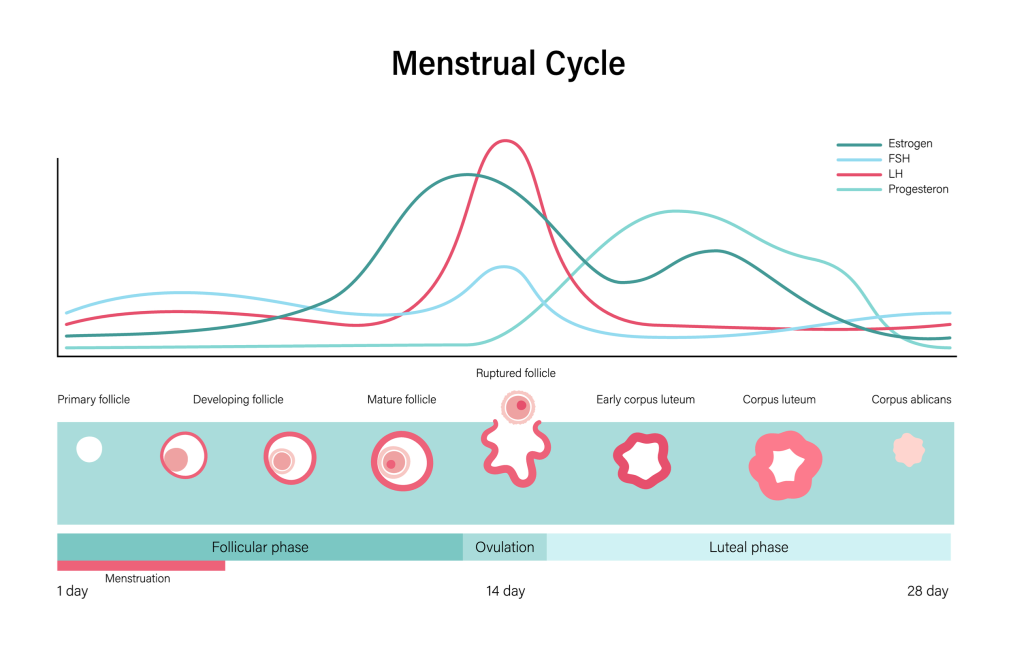
Your menstrual cycle plays a significant role in determining your fertility window. On average, a menstrual cycle lasts around 28 days, although it can vary from woman to woman. The menstrual cycle consists of several phases: the follicular phase, ovulation, and the luteal phase. The follicular phase starts on the first day of your period and lasts until ovulation occurs. Ovulation typically happens around the 14th day of your cycle. Finally, the luteal phase begins after ovulation and lasts until the next period.

It’s important to note that not all women have a textbook 28-day cycle. Some have shorter cycles, while others have longer ones. Understanding the length of your own menstrual cycle will help you determine the best days for conception.

Best Days To Get Pregnant

During the follicular phase, the body’s primary goal is to mature and release an egg from the ovaries. This phase is characterized by an increase in estrogen levels, which stimulates the thickening of the uterine lining in preparation for a potential pregnancy. Ovulation marks the release of a mature egg from the ovary into the fallopian tube, where it may be fertilized by sperm. This phase is crucial for conception, as it is the most fertile window in the menstrual cycle.

Following ovulation, the luteal phase begins and is marked by the release of progesterone, a hormone that helps maintain the uterine lining and prepare the body for a potential pregnancy. If fertilization does not occur, hormone levels drop, leading to the shedding of the uterine lining during menstruation, and the start of a new cycle.

The Role of Ovulation in Conception

Ovulation is a crucial step in the complex process of conception. It is the moment when one of the ovaries in a woman’s reproductive system releases a mature egg, known as an ovum, into the fallopian tube. This egg is now primed and ready for fertilization by sperm, marking the beginning of a potential pregnancy.

During ovulation, the released egg embarks on a journey through the fallopian tube, where it may encounter sperm for fertilization. If fertilization occurs, the egg will develop into an embryo and eventually implant itself in the uterus, leading to pregnancy.

Understanding your body’s ovulation cycle is crucial for couples trying to conceive. By pinpointing the timing of ovulation, individuals can optimize their chances of getting pregnant by engaging in sexual intercourse during the woman’s fertile window. Various methods, such as monitoring changes in cervical mucus consistency, utilizing ovulation predictor kits, and tracking basal body temperature fluctuations, can aid in determining the most fertile days of a woman’s cycle.

Identifying Your Fertile Window

Your fertile window is the period during your menstrual cycle when your chances of getting pregnant are highest. It typically spans a few days before and after ovulation. Since sperm can survive for several days in the female reproductive system, having intercourse in the days leading up to ovulation ensures that there are sperm waiting when the egg is released.

Tracking changes in cervical mucus is an effective way to identify your fertile window. As you approach ovulation, your cervical mucus becomes clear, slippery, and similar to the consistency of egg whites. Additionally, using ovulation predictor kits can help pinpoint the days when your body is preparing to release an egg.

Another method to determine your fertile window is by tracking your basal body temperature (BBT). Your BBT typically rises slightly after ovulation, so monitoring this daily can help you identify when you are most fertile. It’s important to use a special basal body thermometer and take your temperature at the same time every morning before getting out of bed for accurate results.

Furthermore, paying attention to your body’s ovulation symptoms can also aid in recognizing your fertile window. Some women experience mild cramping, breast tenderness, or an increased sex drive around ovulation, which can serve as additional indicators of when you are most likely to conceive.

Factors That Influence Fertility

Various factors can influence fertility, both positively and negatively. Age is a significant factor that affects a woman’s reproductive capacity. As women age, the number and quality of eggs decrease, making conception more challenging. It’s important to be proactive about planning pregnancy if you are in your late 30s or older.

Other factors that can impact fertility include hormonal imbalances, certain medical conditions such as polycystic ovary syndrome (PCOS), and lifestyle factors such as smoking, excessive alcohol consumption, and excessive stress. Maintaining a healthy lifestyle, managing stress levels, and seeking medical help when needed can greatly improve your chances of getting pregnant.

Furthermore, environmental factors can also play a role in fertility. Exposure to certain chemicals, pesticides, and pollutants can have adverse effects on reproductive health. It’s essential to be mindful of your surroundings and try to minimize exposure to harmful substances, especially if you are trying to conceive.

Additionally, genetic factors can influence fertility outcomes. Some individuals may have genetic predispositions that affect their fertility potential. Genetic testing and counseling can help identify any underlying genetic issues that may impact fertility and assist in making informed decisions about family planning.

Timing Intercourse for Maximum Chances

Timing intercourse correctly is crucial for increasing your chances of getting pregnant. As mentioned earlier, having intercourse during your fertile window, which includes the days leading up to ovulation, gives the sperm the best opportunity to meet the egg. It’s recommended to have intercourse every 1-2 days during this time to maximize your chances of conception.

Furthermore, it’s important not to put too much pressure on yourselves and enjoy the process of trying to conceive. Stress can potentially affect fertility, so maintaining a relaxed and positive mindset is beneficial for both partners.

Understanding your menstrual cycle can also play a significant role in timing intercourse for conception. Tracking your cycle, including the length and regularity of your periods, can help pinpoint your most fertile days. Additionally, monitoring changes in cervical mucus consistency and using ovulation predictor kits can provide further insight into when ovulation is approaching.

Creating a supportive and communicative environment with your partner during this journey can strengthen your bond and make the process more manageable. Openly discussing your feelings, concerns, and hopes for starting a family can help alleviate any anxieties and foster a sense of unity in working towards a common goal. Remember, the path to conception is unique for every couple, so staying patient and maintaining a sense of optimism is key.

The Impact of Age on Fertility

Age significantly impacts a woman’s fertility. Women are most fertile in their 20s and early 30s, with fertility starting to decline after the age of 35. By the age of 40, chances of conception are considerably lower. It’s important to be aware of these age-related changes and consult a healthcare professional if you’re having difficulty conceiving.

However, it’s worth noting that fertility does vary among individuals, and some women can still conceive naturally in their late 30s and beyond. If you are concerned about your fertility, seeking medical advice can help you understand your options and increase your chances of a successful pregnancy.

Various factors contribute to the decline in fertility with age. One key aspect is the quality of a woman’s eggs, which diminishes over time. As women age, the number of eggs decreases, and the remaining eggs may have a higher likelihood of chromosomal abnormalities, leading to a decreased chance of successful fertilization and a higher risk of miscarriage.

Additionally, advancing age can also impact the reproductive organs themselves. Changes in the uterus and cervix can affect implantation and the ability to carry a pregnancy to full term. Hormonal shifts that occur as women age can further complicate the fertility process, making it harder to predict ovulation and conceive.

Lifestyle Changes to Enhance Conception

There are several lifestyle changes you can make to enhance your chances of getting pregnant. Maintaining a healthy weight is not only important for overall health but also plays a significant role in fertility. Excess body fat can disrupt hormone levels and menstrual cycles, affecting ovulation. On the other hand, being underweight can also lead to irregular periods and potential fertility issues.

Eating a balanced diet rich in fruits, vegetables, and whole grains provides essential nutrients that support reproductive health. Specific vitamins and minerals like folate, iron, and vitamin D are particularly important for women trying to conceive. Including sources of these nutrients in your diet can help regulate ovulation and improve the quality of eggs.

Engaging in regular exercise is beneficial for fertility, but it’s essential to find a balance. Excessive exercise can actually have a negative impact on conception by disrupting hormone levels. Moderate physical activity, such as brisk walking or swimming, can help maintain a healthy weight and reduce stress without putting too much strain on the body.

Avoiding smoking, excessive alcohol consumption, and illicit drug use is crucial for both partners when trying to conceive. These substances can harm reproductive organs, disrupt hormone levels, and decrease fertility. Quitting smoking and reducing alcohol intake can improve sperm quality in men and enhance egg quality in women.

Reducing stress levels and seeking emotional support can help create a conducive environment for conception. High levels of stress can interfere with hormone production and ovulation, making it harder to get pregnant. Consider exploring stress-reducing activities such as yoga, meditation, or spending quality time with your partner to relax and improve your mental well-being.

In conclusion, understanding your menstrual cycle, tracking ovulation, and identifying your fertile window are vital steps in increasing your chances of getting pregnant. Factors such as age, hormonal imbalances, and lifestyle choices can influence fertility, so it’s important to maintain a healthy lifestyle and seek medical advice when needed. By timing intercourse correctly and making positive lifestyle changes, you can optimize your fertility and increase the likelihood of conceiving a healthy baby.

Your subscription could not be saved. Please try again.
Your subscription has been successful.

Stay Informed

Subscribe to our newsletter to receive treatment updates

Supporting couples in the emotional anguish of infertility

The Emotional Roller Coaster of Infertility

Infertility can be a deeply painful and emotional journey for couples, impacting their relationships, mental health, and overall well-being. Understanding the profound impact of infertility is crucial in providing effective support to couples navigating this difficult challenge.

Understanding the Emotional Toll of Infertility

Infertility can bring forth a rollercoaster of emotions for both partners. Feelings of sadness, grief, frustration, and guilt are common as couples grapple with their inability to conceive. It is important to recognize that these emotions are valid and that each partner may experience them differently. Open communication is key in acknowledging and empathizing with each other’s emotions, fostering a supportive environment.

Additionally, societal pressures and expectations surrounding pregnancy and parenthood can exacerbate the emotional turmoil experienced by couples facing infertility. The weight of these external factors can intensify feelings of inadequacy and self-doubt. By recognizing and addressing these societal pressures, couples can work together to develop a more supportive mindset.

Furthermore, the journey through infertility can also impact a couple’s relationship dynamics. The stress and emotional strain of fertility treatments, failed attempts, and uncertainty about the future can create tension between partners. It is essential for couples to prioritize their relationship by finding ways to support each other, whether through therapy, shared activities, or simply spending quality time together.

Moreover, the financial burden of infertility treatments can add another layer of stress to an already emotionally charged situation. The cost of procedures such as in vitro fertilization (IVF) or surrogacy can be significant, leading to difficult decisions about how far to pursue treatment based on financial constraints. Seeking financial counseling or exploring alternative options for funding can help alleviate some of the financial strain and allow couples to focus on their emotional well-being.

The Importance of Open Communication Between Partners

Open and honest communication between partners is not only crucial when navigating the challenges of infertility but also plays a vital role in strengthening the overall relationship. When dealing with the emotional rollercoaster of infertility, being able to openly share fears, frustrations, and hopes can create a deep sense of connection and unity between partners. This level of vulnerability fosters trust and empathy, laying a solid foundation for weathering the storm together.

Furthermore, creating a safe space for open communication allows couples to not only express their emotions but also to brainstorm potential solutions and coping mechanisms. It provides an opportunity for both partners to feel heard and understood, reducing feelings of isolation and fostering a sense of togetherness in the face of adversity.

Active listening is equally important when supporting one’s partner through infertility. It involves not only hearing what your partner is saying but also understanding their perspective and empathizing with their feelings. By practicing active listening, couples can avoid misunderstandings and conflicts, leading to a more harmonious and supportive relationship dynamic.

Validating your partner’s emotions and providing unwavering emotional support are key components of effective communication during infertility struggles. Knowing that their feelings are acknowledged and respected can significantly reduce psychological distress and strengthen the emotional bond between partners. Through open and compassionate conversations, couples can navigate the complexities of infertility with resilience, understanding, and unwavering support for each other.

Coping Strategies for Couples Facing Infertility

Dealing with infertility can be overwhelming, but there are coping strategies that can help couples manage the emotional anguish:

  1. Self-care: Encouraging both partners to prioritize self-care activities, such as exercise, hobbies, and relaxation techniques, can provide a much-needed respite from the emotional stress associated with infertility.
  2. Support groups: Joining infertility support groups or online communities can be highly beneficial. Interacting with individuals who share similar experiences can provide a sense of belonging and validation.
  3. Seeking professional help: Couples struggling with infertility may find it beneficial to seek guidance from a mental health professional specializing in reproductive issues. Therapy can provide tools for coping with emotional distress and assist couples in finding resilience.

It’s important for couples facing infertility to remember that they are not alone in their journey. Many individuals and couples around the world are going through similar challenges, and finding a community of support can make a significant difference in navigating this difficult path. Connecting with others who understand the unique struggles of infertility can offer a sense of comfort and solidarity.

In addition to seeking emotional support, couples may also benefit from exploring alternative treatments and fertility options. Consulting with a reproductive endocrinologist or fertility specialist can provide valuable insights into different paths to parenthood, such as in vitro fertilization (IVF), surrogacy, or adoption. Understanding all available options can empower couples

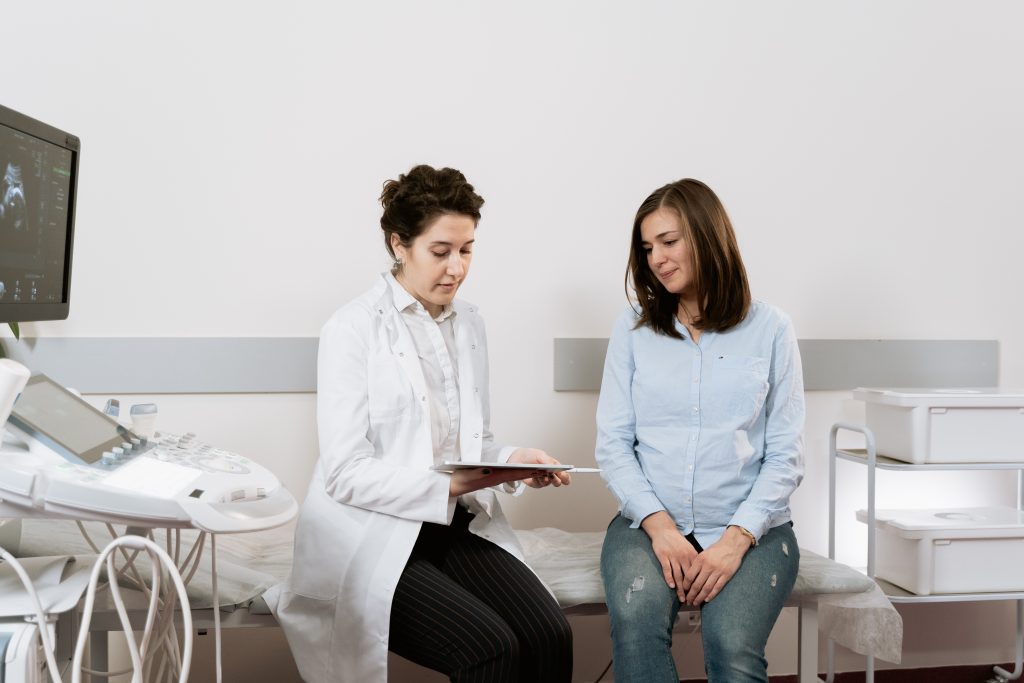
Female infertility doctor reading medical results to women pregnant

Seeking Professional Help: When and How to Find Support

Deciding to seek professional help is a personal choice that should be made when the couple feels ready. If the emotional toll of infertility begins to interfere with daily life, relationships, or mental well-being, it might be time to consider speaking with a therapist or counselor.

A mental health professional can offer a safe and non-judgmental space, helping the couple explore their feelings and develop effective coping strategies. They can also provide guidance on navigating the medical options available and offer support throughout any fertility treatments.

It’s important to remember that seeking professional help is not a sign of weakness, but rather a proactive step towards emotional well-being. Infertility can be a challenging journey, and having a trained therapist or counselor by your side can make a significant difference in how you navigate this difficult time. These professionals are equipped with the knowledge and skills to help you process your emotions, communicate effectively with your partner, and make informed decisions about your fertility treatment options.

Furthermore, therapy can provide a valuable space for both individuals in the couple to express their concerns, fears, and hopes in a supportive environment. By addressing these emotions openly and honestly, you can strengthen your bond as a couple and develop resilience in the face of adversity. Remember, you don’t have to go through this alone – reaching out for help is a courageous and empowering choice.

The Role of Family and Friends in the Healing Process

Family and friends play a significant role in supporting couples dealing with infertility. However, it is essential for loved ones to approach the topic with sensitivity and empathy. Well-meaning but insensitive comments or advice can inadvertently worsen emotional distress.

Providing emotional support and understanding without offering unsolicited advice is crucial. Simply being present, listening, and offering comfort can greatly help relieve the emotional burden carried by couples struggling with infertility. Empathy and compassion can go a long way in creating a supportive network for the couple.

Moreover, family and friends can also assist in practical ways, such as accompanying the couple to medical appointments or helping with household tasks during particularly challenging times. Small gestures like preparing a meal, running errands, or taking care of chores can make a significant difference in alleviating some of the stress associated with fertility treatments.

It is important for loved ones to educate themselves about infertility to better understand what the couple is going through. By learning about the emotional, physical, and financial implications of infertility, family and friends can offer more targeted and meaningful support to their loved ones.

Navigating Relationship Strain: Tips for Staying Connected

Infertility can strain even the strongest of relationships. To prevent infertility from driving a wedge between partners, it is important to actively work on staying connected:

  • Quality time: Carving out dedicated quality time for each other, free from discussions about infertility, can help restore intimacy and strengthen the emotional bond between partners.
  • Shared activities: Engaging in activities that bring joy and relaxation can help create positive experiences and foster connection.
  • Communication: Regularly discussing emotions, concerns, and hopes related to infertility can help maintain open lines of communication and prevent misunderstandings.

It’s crucial to remember that infertility is a shared experience that can impact both partners differently. Acknowledging and validating each other’s feelings during this challenging time can help create a sense of unity and understanding. Additionally, seeking support from a therapist or counselor who specializes in infertility issues can provide a safe space for both partners to explore their emotions and navigate the complexities of this journey together.

Furthermore, practicing self-care individually can contribute to the overall well-being of the relationship. Taking time to focus on personal hobbies, interests, and mental health can help partners recharge and bring a sense of balance to their lives. By prioritizing self-care, individuals can show up as their best selves in the relationship, fostering a supportive environment for both partners to lean on each other during difficult times.

The Impact of Infertility on Mental Health: Recognizing the Signs

Infertility can significantly impact the mental health of the individuals and couples experiencing it. It is important to recognize the signs of emotional distress and seek appropriate help when needed:

Common signs of mental health struggles include persistent sadness, anxiety, loss of interest in activities, changes in appetite or sleep patterns, difficulty concentrating, and strained relationships. If any of these signs persist or worsen over time, it is crucial to reach out to a healthcare professional to discuss the available support and treatment options.

Supporting Couples in the Emotional Anguish of Infertility

Dealing with infertility is undeniably challenging, but with understanding, communication, and support, couples can navigate this emotional anguish together. By recognizing the significant impact infertility has on mental health and relationships, we can better provide the support and resources necessary to help couples heal and move forward on their journey to building a family.

Your subscription could not be saved. Please try again.
Your subscription has been successful.

Stay Informed

Subscribe to our newsletter to receive treatment updates

The pros and cons of online fertility forums

The pros and cons of online fertility forums

In recent years, the internet has become an important tool for people seeking information about fertility and infertility treatments. One of the most popular resources available online are fertility forums, which are communities where people can share their experiences, ask questions, and provide support to one another.

Fertility online forums have become increasingly popular because they offer a way for people to connect with others who are going through similar experiences, share information and support, and learn from the experiences of others. However, not all of them are created equal, and it’s important to choose the right one that is both trustworthy and reliable.

In this guide, we will explore the world of fertility online forums and provide a comprehensive overview of what they are, how they work, and what to look for when choosing a forum. We will also offer some tips for participating in these forums and getting the most out of them.

online fertility forums

What are fertility online forums?

Fertility online forums are communities where people can discuss various topics related to fertility and infertility treatments. These forums are often run by people who have experience with infertility themselves or have knowledge of fertility treatments. They provide a platform for people to share their experiences, ask questions, and provide support to one another.

These forums cover a wide range of topics, from general discussions about fertility and infertility treatments to more specific topics such as IVF, IUI, donor eggs, and sperm. They can also provide information about clinics, doctors, and other resources related to infertility treatments.

How do fertility online forums work?

Fertility online forums typically require users to create an account before they can participate. Once they have created an account, users can then post messages, respond to other users’ messages, and participate in discussions. Some forums also offer private messaging, where users can communicate one-on-one with each other.

Most fertility online forums are moderated, which means that the site owners or moderators monitor the discussions to ensure that they stay on topic and that users are not being abusive or offensive. Moderators can also help to answer questions and provide guidance to users who are new to the forum.

What to look for in a fertility online forum

When choosing a online fertility forum, there are several factors to consider. These include:

  1. Reputation: Look for a forum that has a good reputation in the infertility community. You can check with your doctor or other healthcare provider to see if they can recommend a forum.
  2. Moderation: Choose a forum that is moderated to ensure that the discussions are respectful and on-topic.
  3. Privacy: Look for a forum that respects your privacy and allows you to post anonymously if you prefer.
  4. Size: Choose a forum that has a sizeable community with active discussions. This will ensure that you can get the support you need and have your questions answered.
  5. Quality of information: Look for a forum that provides accurate and reliable information about fertility and infertility treatments.

Tips for participating in forums

If you’re new to this, here are some tips to help you get started on online fertility forums:

  1. Introduce yourself: Start by introducing yourself to the community. This will help you connect with other users and get involved in discussions.
  2. Be respectful: Always be respectful and considerate of others in the forum. Avoid posting offensive, abusive or harmful comments.
  3. Ask questions: Don’t be afraid to ask questions. The forums are a great resource for information, and other users are usually happy to share their experiences and knowledge.
  4. Share your experiences: Share your experiences with the community. This can help others who are going through similar experiences and provide support to those who need it.
  5. Don’t rely solely on the forum: While they are a great resource, they should not be your only source.

Conclusion

In conclusion, fertility online forums serve as double-edged swords, offering a wide range of benefits and drawbacks to individuals and couples seeking support and information on their reproductive journeys.

On the positive side, these digital communities have become invaluable sources of emotional support and practical advice for those grappling with fertility issues. They provide a safe space for individuals to share their experiences, ask questions, and connect with others who understand the unique challenges they face.

Moreover, fertility forums enable participants to access a wealth of firsthand knowledge, often providing insights and perspectives that are not readily available through more traditional means. Many members share their personal success stories, medical treatment experiences, and lifestyle changes that have positively impacted their fertility. This firsthand information can be incredibly empowering, as it allows individuals to consider a variety of options and approaches in their pursuit of parenthood.

Emotional toll

Another concern is the emotional toll that online fertility forums can take on individuals. Reading about other people’s success stories can offer hope, but it can also lead to feelings of inadequacy and despair when one’s own journey is not progressing as expected. Comparing oneself to the experiences of others can create unrealistic expectations and added pressure to your journey.

In light of these pros and cons, it’s important to approach fertility online forums with caution. They can be immensely helpful when used as a complementary resource alongside guidance from healthcare professionals.

However it is important to remember that before you make any significant medical decision you should consult a licensed OB/GYN or REI medical specialist.

Our aim is to provide helpful fertility information, but remember that every individual’s journey is different. This guidance is general and might not directly fit your situation. Always consult a licensed medical professional for personalized care.

Beyond clinical procedures, there are natural avenues to promote fertility health. Important factors are stress reduction, a balanced diet, consistent physical activity, and ample sleep. Minor changes, such as integrating yoga for stress relief or ensuring sound sleep, can elevate overall health and contribute to fertility. Always consult a fertility specialist for expert, personalized advice.

menstrual cycle
Your subscription could not be saved. Please try again.
Your subscription has been successful.

Stay Informed

Subscribe to our newsletter to receive treatment updates