Currently Viewing Posts in Educational

Can women have children at any age?

When is too late to have children?

In today’s society, women have more choices than ever before when it comes to starting a family. With advancements in reproductive technology and changing societal norms, the question of whether women can have children at any age has become a hot topic of discussion. In this article, we will explore the various factors that influence female fertility, the science behind reproduction, the risks and complications associated with late pregnancy, and the available fertility treatments and assisted reproduction options. Additionally, we will delve into the social and psychological aspects of late motherhood. So, let’s dive in and explore the world of female fertility!

Understanding Female Fertility

Female fertility is a complex and fascinating subject. While women are born with all the eggs they will ever have, the quality and quantity of those eggs change as they age. This is where the concept of the “biological clock” comes into play. But is it fact or fiction?

The Biological Clock: Fact or Fiction?

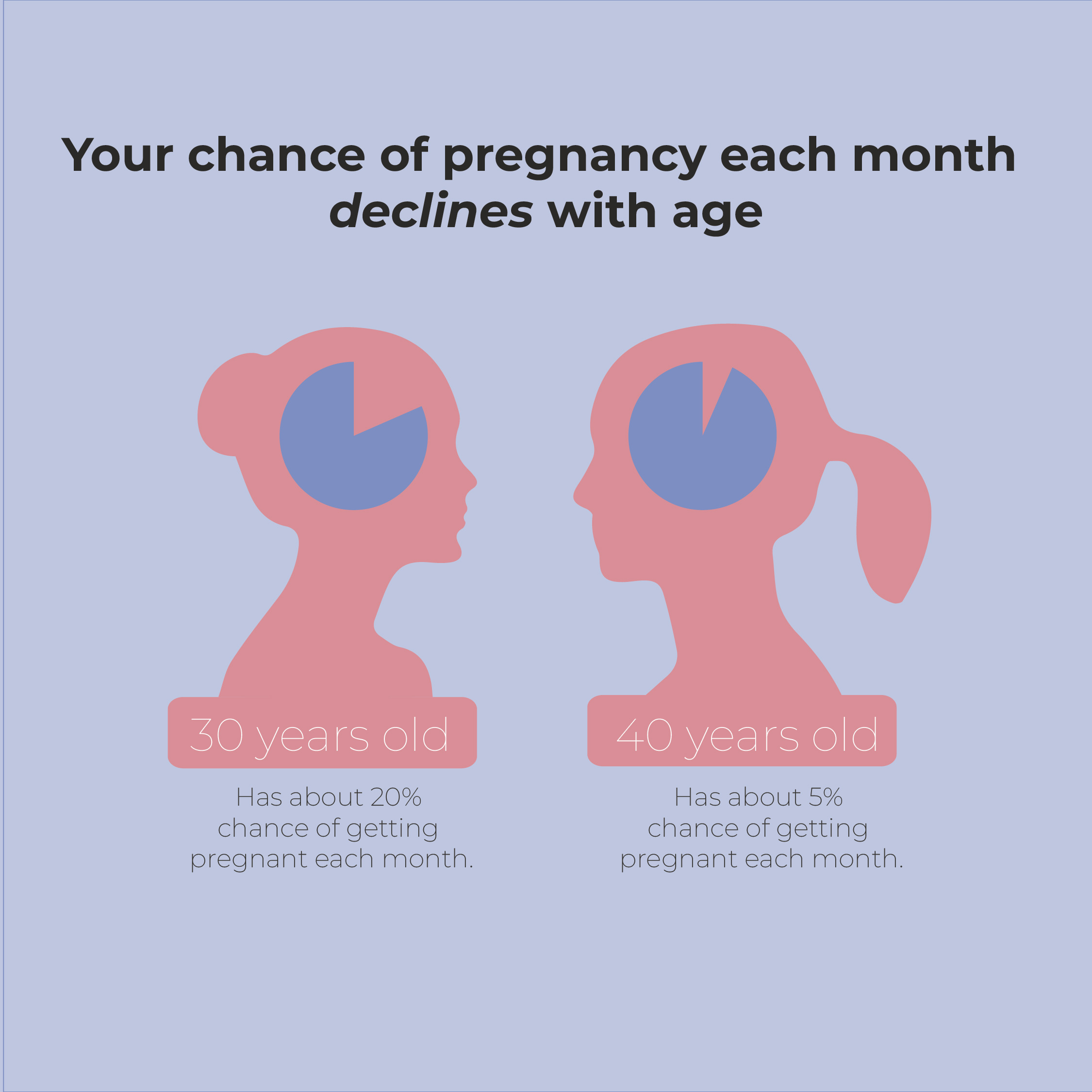
It is true that women are most fertile in their twenties and early thirties. During this time, the chances of conceiving without medical intervention are higher, and the risk of certain pregnancy complications is lower. However, the idea that all women experience a sudden decline in fertility once they reach a certain age is not entirely accurate.

While it is true that fertility gradually declines as women get older, some women may still be able to conceive naturally well into their forties. Factors such as overall health, lifestyle choices, and genetics can play a role in determining individual fertility levels.

How Age Affects Fertility

As women age, the quality and quantity of their eggs tend to decline. This decrease in egg quality can lead to a higher risk of chromosomal abnormalities, which can result in miscarriages or certain genetic disorders. Additionally, the chances of experiencing difficulties in conception, such as infertility or subfertility, increase with age.

Age also affects other aspects of reproductive health. For example, the risk of developing certain pregnancy-related complications, such as gestational diabetes, preeclampsia, or placenta previa, is higher in older mothers. Therefore, while women may still be able to have children later in life, it is essential to be aware of these potential risks.

Common Misconceptions About Female Fertility

There are several common misconceptions surrounding female fertility. One of the most prevalent misconceptions is that women can easily conceive naturally at any age. While some women may indeed have success in getting pregnant later in life, it is not a guarantee for everyone.

Another misconception is that fertility treatments can solve all fertility issues. While fertility treatments like in vitro fertilization (IVF) have helped many women achieve their dream of motherhood, they are not a guaranteed solution for everyone. It is crucial to consult with a fertility specialist to determine the best course of action.

Furthermore, it is important to recognize that fertility is not solely a female issue. Male fertility also plays a significant role in the conception process. Sperm quality and quantity can also decline with age, affecting the chances of successful fertilization. Therefore, when considering fertility, it is essential for both partners to undergo evaluation and testing to ensure a comprehensive understanding of the situation.

Additionally, it is worth noting that fertility is not solely determined by age. Various lifestyle factors can impact fertility, such as smoking, excessive alcohol consumption, poor diet, and high levels of stress. Making healthy lifestyle choices and maintaining overall well-being can positively influence fertility outcomes.

The Science Behind Reproduction

Before we delve deeper into the various aspects of female fertility, let us first understand the science behind reproduction and how it works.

Reproduction is a complex process that involves the fusion of male and female gametes to create a new life. In humans, this process begins with the release of an egg from a woman’s ovaries, which then travels through the fallopian tube, awaiting fertilization by sperm. If fertilization occurs, the egg implants itself in the uterus, leading to pregnancy.

The Role of Eggs in Reproduction

Eggs play a crucial role in reproductive health. Each month, a woman releases an egg from her ovaries during ovulation. If the egg is fertilized by sperm during this time, pregnancy occurs. However, if the egg remains unfertilized, it is shed along with the lining of the uterus during menstruation.

Understanding the journey of an egg from its release to potential fertilization provides insight into the intricate processes that govern human reproduction. The egg, also known as an ovum, is a single, large cell that carries half of the genetic material needed to create a new individual. This genetic material combines with that of the sperm to form a zygote, marking the beginning of a new life.

The Impact of Age on Egg Quality and Quantity

Age has a significant impact on both egg quality and quantity. As women age, the number of eggs decreases due to the natural aging process, known as ovarian reserve decline. Additionally, the remaining eggs may have more genetic abnormalities, making conception more difficult.

Furthermore, the chances of having a baby with certain genetic disorders, such as Down syndrome, increase with maternal age. This is because the quality of the eggs declines, making them more prone to chromosomal abnormalities.

It is essential for individuals to be aware of the effects of age on fertility and reproductive health, as it can influence the success of conception and pregnancy. Seeking medical advice and support can help navigate these challenges and explore options for assisted reproductive technologies if needed.

Risks and Complications Associated with Late Pregnancy

While many women successfully navigate pregnancy later in life, it is essential to be aware of the potential risks and complications that may arise.

Advanced maternal age, typically defined as age 35 and older, can bring about unique challenges and considerations for expectant mothers. Beyond the joy of pregnancy, older mothers may face increased health risks for themselves and their babies.

Health Risks for Older Mothers

As women age, they may be at a higher risk of developing certain health conditions during pregnancy. These conditions can include gestational diabetes, preeclampsia, placenta previa, and high blood pressure. It is essential for older mothers to receive proper prenatal care and monitoring to mitigate these risks.

Furthermore, older mothers may also encounter challenges related to fertility and conception. The likelihood of experiencing fertility issues, such as difficulty conceiving or an increased risk of miscarriage, tends to rise with age. Seeking assistance from fertility specialists or reproductive endocrinologists may be necessary for older women trying to conceive.

Risks for the Baby

Advanced maternal age is associated with an increased risk of certain birth defects and genetic disorders in babies. Additionally, the risk of stillbirth and low birth weight may also be higher for older mothers. Regular screenings and medical evaluations can help identify and manage these risks.

It is crucial for older mothers to maintain open communication with their healthcare providers throughout the pregnancy journey. By staying informed and proactive, women can take steps to safeguard their health and the well-being of their babies, ensuring a smoother and healthier pregnancy experience.

Fertility Treatments and Assisted Reproduction

For women facing fertility challenges, there are several fertility treatments and assisted reproduction options available. These advancements in medical technology have provided hope and solutions for individuals and couples struggling to conceive.

Understanding the various options can empower individuals to make informed decisions about their reproductive health, leading to more personalized and effective treatment plans.

In Vitro Fertilization (IVF)

IVF is a widely known assisted reproduction technique that involves fertilizing an egg with sperm in a laboratory setting. The resulting embryos are then transferred into the woman’s uterus. IVF has helped many couples overcome fertility issues and fulfill their dream of having a child. This complex procedure requires careful monitoring and coordination between medical professionals and patients to optimize the chances of a successful pregnancy.

Furthermore, the emotional journey of undergoing IVF can be both challenging and rewarding, as individuals navigate the physical and psychological aspects of fertility treatment.

Egg Freezing and Donation

Egg freezing allows women to preserve their fertility by retrieving and freezing their eggs for future use. This is particularly beneficial for women who may want to delay childbearing for various personal or medical reasons. Additionally, egg donation provides an alternative option for women who may not have viable eggs but still desire to experience pregnancy and childbirth.

Both egg freezing and donation have opened up new possibilities for individuals to take control of their reproductive futures, offering flexibility and choice in family planning.

The Social and Psychological Aspects of Late Motherhood

Late motherhood can bring about unique challenges and experiences that differ from becoming a mother at a younger age. Let’s delve deeper into the social and psychological aspects of this journey.

The Stigma Around Older Mothers

Despite progress in gender equality and reproductive choices, there is still a lingering stigma surrounding older mothers. Society, at times, may judge women who decide to have children later in life. However, it is important to remember that motherhood is a personal choice, and women should feel empowered to make decisions that align with their desires and circumstances.

One reason for the stigma may be the perception that older mothers may not have the same energy levels as younger mothers. However, it is essential to recognize that energy levels vary among individuals, regardless of age. Many older mothers are vibrant, active, and fully capable of providing a loving and nurturing environment for their children.

The Benefits of Having Children Later in Life

While there are risks associated with late motherhood, there are also several potential benefits. Older mothers may have more life experience, financial stability, and emotional maturity, which can positively impact their parenting. These factors can contribute to a nurturing and stable environment for the child.

Furthermore, older mothers often have established careers and financial stability, which can provide a solid foundation for their child’s future. They may have had the opportunity to travel, pursue personal goals, and gain a broader perspective on life, which can enrich their parenting style and the experiences they share with their children.

It is important to note that late motherhood can also have its challenges. Women may face increased health risks during pregnancy, and the process of conception may require additional medical interventions. However, with advancements in reproductive technology and increased awareness of fertility preservation options, the scope of possibilities for women who wish to become mothers later in life has widened.

Understanding the biological and social aspects of female fertility is vital for women and couples as they navigate their reproductive journeys. Remember, every individual’s fertility journey is unique, and it is essential to seek guidance from medical professionals and make choices that align with personal circumstances and desires.
Your subscription could not be saved. Please try again.
Your subscription has been successful.

Stay Informed

Subscribe to our newsletter to receive treatment updates

Can my OB-GYN Help Me Get Pregnant?

How Your OB-GYN Help You Get Pregnant

ob-gyn

If you’re trying to conceive, you may wonder if your OB-GYN can help you in your journey towards pregnancy. The good news is that your OB-GYN can play a vital role in your fertility journey. This article will explore the various ways in which your OB-GYN can assist you in getting pregnant.

Understanding the Role of Your OB-GYN in Fertility

Your OB-GYN, also known as an obstetrician-gynecologist, is a medical professional who specializes in women’s reproductive health. They have undergone extensive training to understand the complexities of the female reproductive system and are well-equipped to address various fertility concerns that you may have. In addition to providing prenatal care and assisting in childbirth, OB-GYNs play a crucial role in helping individuals and couples navigate the journey to conception.

When you visit your OB-GYN for fertility-related issues, they will conduct a thorough evaluation to assess your reproductive health. This may include reviewing your medical history, performing physical exams, and ordering specific tests to identify any underlying conditions that could be affecting your fertility. By taking a comprehensive approach to your care, your OB-GYN can develop a personalized treatment plan tailored to your unique needs and goals.

OB-GYNs can help you understand the biological processes involved in becoming pregnant and offer insights into optimizing your fertility. They can provide valuable information on when and how often to have intercourse, as well as offer advice on lifestyle adjustments that may enhance your chances of conception. Additionally, your OB-GYN can discuss various fertility treatments and procedures that may be available to you, such as ovulation induction or in vitro fertilization (IVF), and help you make informed decisions about your reproductive health.

Common Fertility Assessments Performed by OB-GYNs

When deciding to consult with your OB-GYN about fertility concerns, they may perform various assessments to evaluate your reproductive health. These assessments are crucial steps in understanding your fertility status and addressing any potential issues that may be hindering conception.

One of the key assessments your OB-GYN may conduct is hormone testing. This involves ordering blood tests to evaluate your hormone levels, such as follicle-stimulating hormone (FSH), luteinizing hormone (LH), estrogen, and progesterone. Hormones play a vital role in regulating the menstrual cycle and ovulation, so assessing their levels can provide valuable insights into your reproductive health.

In addition to hormone testing, your OB-GYN may recommend ovulation tracking as part of the fertility assessment process. This involves monitoring your menstrual cycle and ovulation patterns to determine the timing of ovulation and identify the most fertile days in your cycle. By tracking these patterns, your OB-GYN can help you optimize the timing of intercourse to improve your chances of conception.

Another common assessment method used by OB-GYNs is ultrasound imaging. This non-invasive imaging technique allows your OB-GYN to visualize your reproductive organs, including the uterus, fallopian tubes, and ovaries. Ultrasound imaging can help identify any structural abnormalities, such as ovarian cysts, fibroids, or polyps, that may be affecting your fertility. Additionally, it can provide valuable information about the thickness of the uterine lining and the number of developing follicles in the ovaries, which are important factors in the fertility evaluation process.

Lifestyle Changes Recommended by Your OB-GYN for Better Fertility

Your lifestyle choices can significantly impact your fertility. Your OB-GYN may recommend specific changes to improve your chances of getting pregnant. These lifestyle modifications may include:

  1. Maintaining a healthy weight: Being underweight or overweight can affect your hormonal balance and disrupt your menstrual cycle.
  2. Eating a balanced diet: Consuming a nutritious diet rich in fruits, vegetables, whole grains, and lean proteins can support your overall reproductive health.
  3. Engaging in regular exercise: Moderate physical activity can improve blood flow to reproductive organs and promote hormonal balance.
  4. Managing stress levels: High levels of stress can interfere with ovulation and menstrual regularity.
  5. Avoiding tobacco and excessive alcohol consumption: These substances can negatively impact fertility in both men and women.

By following these recommendations, you can create a favorable environment for conception and increase your chances of getting pregnant.

Furthermore, it is essential to prioritize sleep and establish a consistent sleep schedule. Quality sleep plays a crucial role in regulating hormones that are vital for fertility. Aim for 7-9 hours of uninterrupted sleep each night to support your reproductive health.

In addition to lifestyle changes, your OB-GYN may suggest tracking your menstrual cycle and ovulation to identify your most fertile days. Understanding your body’s natural rhythm can help you time intercourse effectively to maximize your chances of conception. Consider using ovulation predictor kits or fertility tracking apps to monitor your cycle and pinpoint the optimal time for conception.

The Connection Between Regular Check-Ups and Pregnancy Success

Regular check-ups with your OB-GYN are crucial for maintaining your overall reproductive health and increasing your chances of a successful pregnancy. These check-ups allow your OB-GYN to monitor your menstrual cycle, evaluate your hormonal levels, and address any concerns that may arise.

During these appointments, your OB-GYN can provide additional guidance, support, and answer any questions you may have about fertility. They can offer personalized advice based on your specific circumstances and address any potential issues that may affect your ability to conceive.

Furthermore, regular check-ups also play a vital role in early detection and prevention of any reproductive health issues that could potentially impact your pregnancy journey. Your OB-GYN will conduct screenings for conditions such as polycystic ovary syndrome (PCOS), endometriosis, or thyroid disorders, which if left untreated, could hinder your fertility.

Moreover, these check-ups are an opportunity to discuss lifestyle factors that can influence your reproductive health, such as diet, exercise, and stress management. Your OB-GYN can provide recommendations on how to optimize your

ob-gyn

What to Expect During a Fertility Consultation

When you schedule a fertility consultation with your OB-GYN, you can expect a comprehensive evaluation of your reproductive health. Your OB-GYN will discuss your medical history, assess any potential risk factors, and perform the necessary assessments mentioned earlier.

During the consultation, it’s essential to be open and honest about any concerns or questions you may have related to fertility. Your OB-GYN is there to provide support, guidance, and may refer you to a fertility specialist if needed.

Remember, every individual’s fertility journey is unique, and your OB-GYN can serve as an invaluable resource in helping you navigate this process. They can provide valuable insights, recommendations, and support to enhance your chances of conceiving and ultimately achieving your dream of becoming a parent.

It’s important to note that fertility consultations can also involve discussing lifestyle factors that may impact fertility. Your OB-GYN might inquire about your diet, exercise routine, stress levels, and overall health habits. Making positive changes in these areas can significantly improve your reproductive health and increase your chances of conception.

Furthermore, fertility consultations often include a detailed explanation of the various fertility treatment options available. Your OB-GYN can walk you through procedures such as intrauterine insemination (IUI), in vitro fertilization (IVF), or other assisted reproductive technologies. Understanding these options can empower you to make informed decisions about your fertility journey.

Should you have more questions, please book a free 15-minute session at our clinic HERE.

ob-gyn
Your subscription could not be saved. Please try again.
Your subscription has been successful.

Stay Informed

Subscribe to our newsletter to receive treatment updates

Do you really have an unexplained infertility diagnosis?

Explaining an unexplained infertility

This comprehensive guide on unexplained infertility explores its causes, diagnosis, and treatment options. We dive deep into the possible factors contributing to unexplained infertility, how to diagnose it, and the various treatment options available for couples facing this challenge.

Introduction to Unexplained Infertility

Doctors often use the term unexplained infertility when they cannot find a specific cause for a couple’s inability to conceive after they conduct standard fertility tests. It affects approximately 10-30% of couples who struggle with infertility. Here we will discuss the potential causes of unexplained infertility, how to diagnose it, and various treatment options available for couples experiencing this frustrating situation.

Potential Causes of Unexplained Infertility

While unexplained infertility can be frustrating for couples trying to conceive, there may be various factors contributing to their difficulty. Some potential causes of unexplained infertility include:

Undetected Hormonal Imbalances

Hormonal imbalances can contribute to fertility problems. Although standard fertility tests often check for hormonal imbalances, some could be difficult to detect. Subtle imbalances in thyroid hormones or insulin levels could impact fertility but we may not identify them in routine testing.

Mild Endometriosis

Endometriosis is a condition where tissue similar to the lining of the uterus grows outside the uterus, causing pain and potential fertility issues. Standard fertility tests may not detect mild endometriosis. But could still affect a woman’s ability to conceive.

Sperm Quality Issues

While we usually assess sperm count and motility in fertility tests, we may be unable to evaluate other factors such as sperm DNA fragmentation or abnormal sperm morphology. These issues can affect the sperm’s ability to fertilize an egg, leading to unexplained infertility.

Immune System Factors

In some cases, a woman’s immune system may mistakenly attack sperm or embryos, preventing conception. Additionally, inflammation caused by immune system disorders can negatively impact fertility.

Lifestyle Factors

Unhealthy lifestyle choices, such as poor diet, lack of exercise, and exposure to environmental toxins, can contribute to fertility problems. While standard fertility tests cannot directly measure these factors, they can still impact a couple’s ability to conceive.

Diagnosing Unexplained Infertility

Explaining the diagnosis of unexplained infertility is typically done by a fertility specialist after a series of standard fertility tests fail to identify a specific cause for a couple’s inability to conceive. These tests may include:

Ovulation Testing

A variety of methods can be used to confirm if a woman is ovulating regularly, including tracking basal body temperature, monitoring luteinizing hormone (LH) levels using urine-based ovulation predictor kits, or performing blood tests to measure hormone levels (e.g., progesterone, follicle-stimulating hormone).

Semen Analysis

Semen analysis evaluates a man’s sperm count, motility, and morphology. This helps in determining if there are any sperm-related issues contributing to male infertility.

Hysterosalpingography (HSG)

This imaging test involves injecting a contrast dye into the uterus and fallopian tubes. Then taking X-ray images to identify any blockages or structural abnormalities that could be affecting fertility.

Transvaginal ultrasound

Using a specialized probe inserted into the vagina, this imaging technique allows for the visualization of the ovaries, uterus, and fallopian tubes to check for any abnormalities such as cysts, fibroids, or adhesions.

Laparoscopy

A minimally invasive surgical procedure, laparoscopy involves inserting a thin, lighted tube (laparoscope) through a small incision in the abdomen. This allows the physician to visually examine the reproductive organs and identify any potential issues, such as endometriosis, adhesions, or tubal blockages.

Treating Unexplained Infertility

Treatment for unexplained infertility can vary depending on the couple’s unique situation and preferences. Some of the most common treatment options include:

Fertility medications

Drugs like clomiphene citrate (Clomid) or letrozole (Femara) are often prescribed to stimulate ovulation In women who have irregular or absent ovulation. These medications work by inducing the release of hormones that stimulate the ovaries to produce one or more mature eggs.

Intrauterine insemination (IUI)

Specially prepared sperm is inserted directly into the woman’s uterus around the time of ovulation. IUI can be performed with or without fertility medications. It helps increase the chances of conception by placing sperm closer to the egg, bypassing potential issues in the cervical mucus or sperm transportation.

In vitro fertilization (IVF)

IVF involves retrieving eggs from the woman’s ovaries, fertilizing them with sperm in a laboratory, and then transferring one or more embryos into the woman’s uterus. IVF can be an effective treatment option for unexplained infertility, as it bypasses potential issues related to fertilization, embryo implantation, or early embryo development.

Donor Eggs or Sperm

In some cases, couples may choose to use donor eggs or sperm to improve their chances of conception. This can be an option for those who have not had success with other treatments or who may have concerns about passing on genetic conditions.

Lifestyle modifications

Although not a specific treatment, making certain lifestyle changes can improve overall fertility and increase the chances of conception. These changes may include maintaining a healthy weight, adopting a balanced diet, exercising regularly, managing stress, quitting smoking, and reducing alcohol intake.

Conclusion

It is important to discuss the available treatment options with a fertility specialist to determine the best course of action based on the individual circumstances and medical history of each partner.

Your subscription could not be saved. Please try again.
Your subscription has been successful.

Stay Informed

Subscribe to our newsletter to receive treatment updates

The Mysteries of Luteinizing Hormone Unraveled

The Mysteries of Luteinizing Hormone Unraveled

Luteinizing hormone (LH) is a crucial hormone that plays a vital role in the reproductive system. It is primarily known for its impact on ovulation and the regulation of testosterone levels in both men and women. Understanding the functions and effects of LH can provide valuable insights into fertility, menstrual cycle regulation, and hormonal imbalances.

Luteinizing Hormone Deficiency: Causes and Symptoms

When the production or regulation of LH is disrupted, it leads to LH deficiency. This condition can have various causes, including hypothalamic or pituitary disorders, stress, extreme weight loss, or certain medications.

Signs and symptoms of LH deficiency can include menstrual irregularities, lack of ovulation, infertility, diminished libido, and in males, a decrease in testicular function and testosterone levels. Individuals experiencing these symptoms should consult a healthcare professional for proper evaluation and treatment.

Furthermore, LH plays a crucial role in the reproductive system by stimulating the production of sex hormones such as estrogen and testosterone. In women, a sudden increase in LH levels triggers ovulation, which is essential for fertility. In men, LH stimulates the Leydig cells in the testes to produce testosterone, crucial for sperm production and male characteristics.

It is important to note that LH deficiency can also be a result of certain genetic conditions or autoimmune disorders affecting the pituitary gland. Additionally, lifestyle factors such as excessive exercise or inadequate nutrition can disrupt the delicate balance of hormones, leading to LH deficiency.

How to measure LH levels

Measuring LH levels is crucial in evaluating fertility, diagnosing hormone imbalances, and determining the timing for fertility treatments. Different tests like blood LH test, urine tests, or saliva tests measures LH levels.

Blood tests are the most common method used to measure LH levels. We take a simple blood sample, usually on the second or third day of the menstrual cycle in females or at any time in males. Urine tests and saliva tests are also available, but they may be less reliable in certain situations.

When it comes to blood tests for LH levels, the process involves drawing blood from a vein, typically in the arm. We then send the blood sample to a laboratory for analysis. The lab tests the blood sample to determine the concentration of LH present. This measurement is important because LH plays a key role in the reproductive system, specifically in the regulation of the menstrual cycle in women and the production of testosterone in men.

Urine tests for LH levels are another option, where a urine sample is collected and analyzed for the presence of LH. However, urine LH levels can be influenced by various factors such as hydration status and the time of day the sample is collected, which may affect the accuracy of the results. Saliva tests, on the other hand, measure LH levels in saliva samples. While saliva tests are non-invasive and easy to perform, they are not as commonly used as blood tests due to concerns about their accuracy and consistency.

luteinizing hormone, LH

The Importance of Luteinizing Hormone in Fertility Treatments

Fertility treatments often rely on understanding and manipulating LH levels to improve the chances of conception. For example, in assisted reproductive technologies such as IVF, LH levels are closely monitored to determine the optimal time for egg retrieval and fertilization.

In some cases, medications like gonadotropin-releasing hormone agonists or antagonists are used to regulate high LH level and promote controlled ovarian stimulation. These treatments aim to increase the number of mature eggs available for fertilization, thereby enhancing the chances of successful pregnancy.

Moreover, LH plays a crucial role in the menstrual cycle by triggering ovulation. During the mid-cycle surge of LH, the dominant follicle in the ovary ruptures and releases the mature egg, which is then available for fertilization. This surge in LH is essential for the timing of intercourse or insemination in natural conception. It is carefully monitored and stimulated in fertility treatments.

Additionally, LH levels can provide valuable insights into the health of the reproductive system. Abnormalities in LH levels can indicate conditions such as polycystic ovary syndrome (PCOS) or hypothalamic dysfunction, which may affect fertility. By monitoring LH levels throughout the menstrual cycle, healthcare providers can assess the functioning of the ovaries and make informed decisions regarding fertility treatments.

Luteinizing Hormone and Its Role in Menstrual Cycle Regulation

In addition to triggering ovulation, LH also contributes to the regulation of the menstrual cycle. After ovulation, LH acts on the ruptured follicle to form the corpus luteum, which produces progesterone. Progesterone maintains the uterine lining, allowing it to support a potential pregnancy.

If fertilization and implantation do not occur, LH levels drop. This leads to the breakdown of the corpus luteum and a decrease in progesterone levels. This drop triggers menstruation, marking the start of a new menstrual cycle.

The Effects of Lifestyle on LH Levels

Lifestyle factors can influence LH levels, making it important to maintain a healthy lifestyle to support optimal reproductive function. Factors such as stress, obesity, excessive exercise, and certain medications can disrupt the delicate balance of LH production and regulation.

Reducing stress, maintaining a healthy weight, and engaging in moderate exercise can positively impact LH levels. It is essential to consult healthcare professionals for personalized advice on maintaining a healthy lifestyle and optimizing LH levels.

Luteinizing hormone is a vital component of the reproductive system. They play crucial roles in ovulation, testosterone production, and menstrual cycle regulation. Understanding the functions and effects of LH can provide valuable insights into fertility, hormonal imbalances, and overall reproductive health.

Your subscription could not be saved. Please try again.
Your subscription has been successful.

Stay Informed

Subscribe to our newsletter to receive treatment updates

IVF is not the last resort

Learn all about IVF, its alternatives, and whether it’s right for you or not

Introduction to IVF

In today’s modern world, many couples face the difficult decision of whether or not to pursue in vitro fertilization (IVF) when trying to conceive a child. It’s a decision that carries immense emotional, physical, and financial weight. To help you navigate this complex choice, we’ve created an introduction and a comprehensive guide to understanding IVF and factors to consider before choosing it. We’ll also explore the pros and cons of IVF and present alternative options. Lastly, we’ll discuss the importance of seeking professional advice throughout your journey. By the end of this article, you’ll have a clearer understanding of whether or not IVF is the right path for you.

should i do ivf

Understanding IVF: A Brief Overview

In today’s world, advancements in medical technology have made it possible for couples struggling with infertility to have a chance at starting a family. One such method is in vitro fertilization, commonly known as IVF. This groundbreaking procedure has brought hope to countless individuals and has revolutionized the field of reproductive medicine.

What is IVF?

IVF, or in vitro fertilization, is a medical procedure that involves fertilizing an egg with sperm outside of the body in a laboratory setting. This remarkable technique allows couples who are unable to conceive naturally to have a chance at parenthood. By combining the woman’s eggs and the man’s sperm in a controlled environment, IVF provides an opportunity for fertilization to occur.

During the IVF process, the eggs are carefully monitored and stimulated to mature through the administration of fertility medications. This ensures that multiple eggs are available for retrieval, increasing the chances of successful fertilization. Once the eggs have reached the desired stage of development, a minor surgical procedure is performed to retrieve them.

Once the eggs have been retrieved, they are brought to the laboratory, where they are combined with the sperm. This step is crucial, as it mimics the natural process of fertilization that would occur within the woman’s body. The eggs and sperm are placed together in a laboratory dish, creating an environment that promotes fertilization.

The IVF Process Explained

The IVF process consists of several steps, each carefully orchestrated to maximize the chances of a successful pregnancy. After the eggs have been fertilized, they are closely monitored for a few days to ensure proper development. During this time, the embryologists assess the quality of the embryos, looking for signs of healthy growth and development.

Once the embryos have reached the optimal stage of development, one or more are selected for transfer into the woman’s uterus. This decision is made based on various factors, including the quality of the embryos and the age of the woman. The selected embryos are delicately placed into the uterus, where they will hopefully implant and establish a pregnancy.

Following the embryo transfer, the woman enters a waiting period, during which she anxiously awaits the results of the IVF procedure. This period can be filled with a mix of emotions, ranging from excitement and hope to anxiety and uncertainty. It is a time of anticipation and longing, as couples eagerly await the news that could change their lives forever.

It is important to note that IVF is not always successful on the first attempt. In some cases, multiple cycles may be required to achieve a pregnancy. However, the advancements in IVF technology have significantly increased the success rates, giving couples a renewed sense of hope and optimism.

In conclusion, IVF is a remarkable medical procedure that has brought joy and happiness to countless couples around the world. By providing an alternative path to parenthood, it has given hope to those who thought they would never have the opportunity to experience the joys of raising a child. With ongoing advancements in reproductive medicine, the future of IVF looks promising, offering new possibilities and opportunities for couples longing to start a family.

Factors to Consider Before Choosing IVF

Assessing Your Physical Health

Prior to considering IVF, it’s essential to evaluate your overall physical health. This includes discussing any underlying medical conditions with your healthcare provider. Factors such as age, BMI, and ovarian reserve play a significant role in determining the success of IVF treatment.

When assessing your physical health, it’s important to consider not only your current state but also any potential risks or complications that may arise during the IVF process. Your healthcare provider will conduct a thorough examination and may recommend additional tests to ensure that you are in the best possible condition for IVF.

Furthermore, understanding the impact of lifestyle factors on your physical health is crucial. Factors such as smoking, excessive alcohol consumption, and poor nutrition can affect fertility and the success of IVF. Making positive changes to your lifestyle before embarking on IVF can improve your chances of a successful outcome.

Additionally, it’s important to assess the health of your reproductive system. Conditions such as blocked fallopian tubes or endometriosis may affect the suitability of IVF. Consulting with a fertility specialist can help you understand how these factors will impact your chances of success. They can provide guidance on potential treatments or interventions that may be necessary before proceeding with IVF.

Emotional Readiness for IVF

Undergoing IVF can be an emotional rollercoaster. The process is both physically and mentally demanding, requiring patience, resilience, and perseverance. It’s crucial to assess your emotional readiness and ensure you have a support system in place.

When considering your emotional readiness, it’s important to reflect on your personal coping mechanisms and how you typically handle stress. IVF can bring about a range of emotions, including hope, disappointment, and anxiety. It’s essential to have open and honest conversations with your partner, family, and friends about the potential challenges and long-term commitment that IVF entails.

Additionally, seeking professional psychological support can help you navigate the emotional aspects of IVF. A trained therapist or counselor can provide guidance and strategies to help you cope with the ups and downs of the process. They can also help you develop healthy coping mechanisms and provide a safe space to express your feelings and concerns.

Remember, emotional readiness is just as important as physical readiness when it comes to IVF. Taking the time to assess and address your emotional well-being can contribute to a more positive experience and increase your chances of success.

Financial Implications of IVF

IVF is a costly procedure. It’s essential to consider the financial implications before making a decision. While the cost of IVF varies depending on factors such as location and clinic, it’s important to research the average costs associated with IVF in your area.

When assessing the financial implications, it’s important to consider not only the upfront costs but also any potential additional expenses that may arise during the IVF process. These can include medication costs, additional tests or procedures, and potential complications that may require further medical attention.

Investigating your insurance coverage is also crucial. Some insurance plans may cover a portion of the costs associated with IVF, while others may not provide any coverage at all. Understanding your insurance benefits and limitations can help you plan and budget accordingly.

Creating a budget specifically for IVF is highly recommended. This will allow you to assess your financial situation and determine if you have the necessary funds available or if you need to explore potential financing options. Many fertility clinics offer financing programs or payment plans to help alleviate the financial burden of IVF.

Knowing the financial strain that IVF could place on your family is vital for making an informed decision. It’s important to weigh the potential costs against the potential benefits and consider alternative options if necessary. Remember, there are various paths to parenthood, and IVF may not be the right choice for everyone.

The Pros and Cons of IVF

When it comes to fertility treatments, in vitro fertilization (IVF) is a popular option for couples struggling to conceive. IVF involves the fertilization of eggs with sperm outside of the body, in a laboratory setting. While IVF has its advantages, it also comes with potential drawbacks that couples should consider.

Advantages of IVF

One of the significant advantages of IVF is its high success rate. For couples struggling with infertility, IVF offers a chance at conceiving and having a biological child. This can be a source of great joy and fulfillment for couples who have longed for a family of their own.

IVF also allows for preimplantation genetic testing, which can help identify genetic disorders and increase the chances of a healthy pregnancy. This testing can provide valuable information to couples, allowing them to make informed decisions about their reproductive journey.

Moreover, IVF provides hope and empowers couples who have exhausted other fertility treatments. After facing disappointment and frustration, IVF can be seen as a beacon of hope, offering a renewed sense of possibility.

Potential Drawbacks of IVF

IVF is not without its challenges. The process is physically demanding and invasive, involving hormone injections, regular monitoring, and potential surgical procedures. These procedures can be uncomfortable and may cause side effects such as bloating, mood swings, and fatigue.

There is also a risk of multiple pregnancies with IVF, which can increase the chance of complications. While the idea of having twins or triplets may sound exciting to some, it also brings a higher risk of premature birth, low birth weight, and other health issues for both the mother and the babies.

The emotional toll of unsuccessful cycles or pregnancy loss can be devastating. Couples invest not only their time and money but also their hopes and dreams into the IVF process. Dealing with the disappointment of failed cycles or experiencing the heartbreak of a miscarriage can take a significant emotional toll on individuals and their relationships.

Additionally, the financial strain of IVF might not be feasible for everyone. IVF can be an expensive treatment, and the costs can add up quickly. From medications to doctor’s visits to laboratory fees, the financial burden of IVF can be overwhelming for some couples.

Despite these potential drawbacks, IVF remains a viable option for many couples. It is essential for individuals to weigh the pros and cons, considering their unique circumstances and desires, before making a decision about pursuing IVF.

Alternatives to IVF

Natural Fertility Treatments

Before pursuing IVF, it’s worth exploring natural fertility treatments. These treatments focus on optimizing overall health, improving fertility, and increasing the chances of conception. Natural fertility treatments may include lifestyle changes, acupuncture, herbal remedies, and nutritional supplements. Consulting with a holistic practitioner or a healthcare professional experienced in fertility can help guide you in this direction.

Adoption and Surrogacy

For couples who are unable to conceive or carry a pregnancy, adoption and surrogacy can be alternative paths to parenthood. Adoption provides the opportunity to provide a loving home to a child in need, while surrogacy allows couples to have a biological connection to their child through a gestational carrier. Both options require careful consideration and extensive research to determine the best fit for your family.

Seeking Professional Advice

Consulting with Fertility Specialists

When faced with the decision of whether or not to pursue IVF, it’s crucial to seek professional advice. Fertility specialists are well-versed in the latest advancements and can provide personalized guidance based on your unique circumstances. They will assess your medical history, perform necessary tests, and help you understand the potential success rates and risks associated with IVF. Their expertise will empower you to make an informed decision.

Psychological Support and Counseling

The emotional journey of considering, undergoing, or not pursuing IVF can be overwhelming. During this time, it can be immensely beneficial to seek psychological support and counseling. Mental health professionals specializing in fertility can provide emotional support, coping strategies, and a safe space to express your fears and concerns. They can also help you navigate the complex emotions that accompany each stage of the IVF journey.

In conclusion, the decision of whether or not to pursue IVF is one that should be approached with careful consideration. Understanding the process, evaluating personal factors, and exploring alternative options are crucial stepping stones toward making the right choice. Remember, seeking professional advice throughout your journey and building a solid support system are vital components in making an informed decision that is best for you and your future family.

should i do ivf
Your subscription could not be saved. Please try again.
Your subscription has been successful.

Stay Informed

Subscribe to our newsletter to receive treatment updates

What is the difference between OB/GYN and REI?

Learn the key differences between OBGYNs and REIs

What is the difference between OB/GYN and REI?

When it comes to women’s healthcare, there are a variety of specialists to choose from. Two common specialties are OBGYN (Obstetrician-Gynecologist) and REI (Reproductive Endocrinology and Infertility) physicians. While both focus on women’s reproductive health, there are important differences between the two that can greatly impact your healthcare needs. In this article, we will explore the key differences in training and specialization, when to see an OBGYN for routine care and beyond, the role of REI in infertility and reproductive health, common conditions treated by OBGYNs and REIs, and how to choose the right specialist for your needs.

Key Differences in Training and Specialization

Let’s start by understanding the training and specialization differences between OBGYNs and REIs. OBGYNs are medical doctors who specialize in both obstetrics (pregnancy and childbirth) and gynecology (women’s reproductive health). After completing medical school, OBGYNs undergo a four-year residency program where they gain experience in various aspects of women’s health. They are trained to provide general care, perform surgical procedures, and manage pregnancy and childbirth. OBGYNs play a crucial role in women’s healthcare. They offer a wide range of services from annual check-ups to delivering babies via vaginal or cesarean birth.

On the other hand, REIs undergo additional training beyond OBGYN residency. They specialize in the management of infertility and reproductive endocrinology, which involves the hormonal aspects of reproductive health. REIs are highly skilled in diagnosing and treating complex reproductive disorders that may hinder a couple’s ability to conceive. They work closely with patients to explore various fertility treatment options. These include in vitro fertilization (IVF) and intrauterine insemination (IUI), to help them achieve their dream of starting a family.

REIs typically complete a three-year fellowship program in reproductive endocrinology and infertility after their OBGYN residency. During this fellowship, they gain expertise in diagnosing and treating infertility, hormonal imbalances, and conditions related to reproductive health. This additional training allows REIs to provide specialized care for women struggling with fertility issues and hormonal disorders. They also conduct research to advance the field of reproductive medicine. Thus contributing to new breakthroughs in fertility treatments and technologies that benefit patients worldwide.

obgyn or rei

When to See an OBGYN: Routine Care and Beyond

For routine care and general women’s health concerns, an OBGYN is often the first point of contact. OBGYNs provide a wide range of preventive care, including annual well-woman exams, Pap smears, and contraceptive counseling. They can also diagnose and treat common gynecological conditions such as menstrual irregularities, urinary tract infections, and vaginal infections. OBGYNs are skilled in performing various procedures. These procedures include colposcopy to examine abnormal cervical cells and endometrial biopsy to evaluate abnormal uterine bleeding.

Additionally, OBGYNs play a vital role in managing pregnancy and childbirth. They provide prenatal care, monitor fetal development, and guide women through the delivery process. OBGYNs are trained to handle both low-risk and high-risk pregnancies and can perform cesarean section deliveries if necessary. They also offer postpartum care to ensure the well-being of both mother and baby.

Furthermore, OBGYNs are also equipped to address reproductive health issues beyond pregnancy and routine care. They can assist with fertility evaluations and treatments for couples struggling with infertility. OBGYNs are knowledgeable about various contraceptive options. They can help individuals choose the most suitable method based on their health needs and preferences. Additionally, they are trained to diagnose and manage conditions such as polycystic ovary syndrome (PCOS), endometriosis, and fibroids.

Moreover, OBGYNs are advocates for women’s health and wellness, promoting regular screenings for breast and ovarian cancers. They educate patients on the importance of self-breast exams and can perform clinical breast exams to detect any abnormalities. OBGYNs stay up-to-date on the latest research and guidelines in women’s health. They provide evidence-based care and empower their patients to make informed decisions about their health.

The Role of REI in Infertility and Reproductive Health

When facing difficulties in conceiving a child or managing complex reproductive health issues, a consultation with an REI is crucial. REIs specialize in diagnosing and treating infertility in both men and women. They conduct thorough assessments to identify underlying causes of infertility and develop personalized treatment plans. REIs are skilled in various advanced reproductive technologies. These include in vitro fertilization (IVF), intrauterine insemination (IUI), and preimplantation genetic testing (PGT). These can increase the chances of pregnancy for couples struggling with infertility.

Furthermore, REIs provide comprehensive care for hormonal disorders, including polycystic ovary syndrome (PCOS), endometriosis, and premature ovarian insufficiency (POI). They offer hormonal therapies to regulate menstrual cycles, manage symptoms, and preserve fertility when necessary. REIs also play a crucial role in fertility preservation for individuals undergoing cancer treatment or other medical procedures that may compromise fertility.

It is important to note that REIs work closely with a multidisciplinary team of healthcare professionals to provide holistic care to patients. This collaborative approach ensures that individuals receive comprehensive support throughout their fertility journey. Addressing not only the physical aspects but also the emotional and psychological challenges that may arise.

Moreover, REIs stay abreast of the latest advancements in reproductive medicine through ongoing research and participation in clinical trials. This dedication to continuous learning and innovation enables REIs to offer cutting-edge treatments and technologies to their patients. This ultimately improves success rates and outcomes in assisted reproductive techniques. By combining expertise, compassion, and innovation, REIs play a vital role in helping individuals and couples achieve their dream of starting or expanding their families.

Common Conditions Treated by OBGYNs and REIs

Both OBGYNs and REIs are integral parts of women’s healthcare. They specialize in diagnosing and treating a wide range of conditions related to reproductive health. OBGYNs play a crucial role in managing conditions such as uterine fibroids, which are non-cancerous growths in the uterus that can cause heavy periods and pelvic pain. They also commonly address ovarian cysts, fluid-filled sacs that can develop on the ovaries and sometimes lead to discomfort or complications.

Moreover, OBGYNs are skilled in treating pelvic inflammatory disease (PID), an infection of the female reproductive organs often caused by sexually transmitted bacteria. This condition can result in pelvic pain, infertility, and other serious complications if left untreated. Additionally, OBGYNs assist patients dealing with urinary incontinence, a common issue among women that can significantly impact quality of life. They offer various treatment options, including lifestyle changes, pelvic floor exercises, and in some cases, surgical interventions.

On the other hand, Reproductive Endocrinologists (REIs) specialize not only in addressing infertility and hormonal disorders but also in managing complex reproductive issues. They are equipped to help patients facing recurrent pregnancy loss, a heartbreaking experience that can be caused by various factors such as genetic abnormalities, hormonal imbalances, or uterine issues. Furthermore, REIs are well-versed in genetic disorders that can impact reproductive health, offering counseling and treatment options for individuals with conditions that may affect their fertility or pregnancy outcomes.

REIs work closely with OBGYNs and other healthcare providers to deliver personalized care plans that consider each patient’s specific circumstances and goals. By collaborating with a multidisciplinary team, they ensure that individuals receive comprehensive and holistic care that addresses all aspects of their reproductive health. This collaborative approach allows for a more integrated and effective treatment strategy, ultimately leading to better outcomes for patients facing complex reproductive challenges.

How to Choose the Right Specialist for Your Needs

Choosing between an OBGYN and an REI depends on your specific healthcare needs. If you are seeking routine preventive care or are planning to start a family in the future, an OBGYN is an excellent choice. They will guide you through each stage of pregnancy and provide comprehensive gynecological care.

However, if you are experiencing fertility issues, have irregular menstrual cycles, or require specific expertise in reproductive endocrinology matters, consulting with an REI is crucial. REIs focus on diagnosing and treating complex reproductive conditions, offering a range of advanced fertility treatments.

Ultimately, the decision may also depend on personal preference and communication with potential healthcare providers. It is important to choose a specialist who not only has the necessary expertise but also makes you feel comfortable and supported throughout your healthcare journey.

Conclusion

By understanding the training, specialization, and roles of OBGYNs and REIs, women can make informed decisions about their healthcare. Whether seeking routine care or facing fertility challenges, these specialists play integral roles in women’s reproductive health. By collaborating with these experts, women can receive the personalized care they need to navigate the various phases of their reproductive journey.

When considering whether to consult with an OBGYN or an REI, it’s essential to delve deeper into the differences in their training and expertise. OBGYNs undergo extensive training in obstetrics and gynecology, focusing on women’s reproductive health, pregnancy, and childbirth. They are equipped to handle a wide range of issues, from annual exams and contraception counseling to managing high-risk pregnancies.

On the other hand, REIs are subspecialists within the field of obstetrics and gynecology who have completed additional training in reproductive endocrinology and infertility. They possess advanced knowledge in diagnosing and treating conditions that affect fertility, such as polycystic ovary syndrome (PCOS), endometriosis, and male factor infertility. REIs also offer specialized treatments like in vitro fertilization (IVF) and intrauterine insemination (IUI) to help individuals and couples overcome infertility challenges.

Your subscription could not be saved. Please try again.
Your subscription has been successful.

Stay Informed

Subscribe to our newsletter to receive treatment updates