Infertility is a condition that affects millions of couples around the world. It refers to the inability to conceive despite regular, unprotected sexual intercourse for a year or longer. While some couples are able to overcome infertility issues with medical intervention, for others, it can be a lifelong struggle.
Common Causes of Infertility in Men and Women
Infertility can be caused by various factors, both in men and women. In men, common causes include low sperm count, poor sperm motility, and abnormal sperm shape. These issues can be influenced by lifestyle factors such as smoking, excessive alcohol consumption, and exposure to environmental toxins. Additionally, certain medical conditions like diabetes, infections, and hormonal imbalances can also contribute to male infertility.
On the other hand, in women, irregular ovulation, blocked fallopian tubes, and hormonal imbalances are often the culprits. Stress, poor diet, and excessive exercise can also impact female fertility. Furthermore, age plays a significant role in a woman’s ability to conceive, as fertility declines with age due to a decrease in the number and quality of eggs.
In some cases, infertility can also be attributed to genetic disorders, certain medical conditions like endometriosis, or previous surgeries that may have affected the reproductive organs. It’s important for individuals struggling with infertility to seek medical advice and explore all possible causes in order to determine the most appropriate treatment options.
Diagnostic Tests and Procedures for Infertility
When facing infertility, both men and women can undergo a series of diagnostic tests and procedures to identify the underlying causes. These include semen analysis for men, which examines the quantity and quality of sperm, and various tests for women such as hormone level testing, ultrasound scans, and hysterosalpingography to evaluate the condition of the uterus and fallopian tubes.
Additionally, specialized fertility clinics often offer more advanced procedures like laparoscopy, which allows doctors to view and assess the reproductive organs directly.
It is important to note that in some cases, genetic testing may be recommended to identify any hereditary factors that could be contributing to infertility. This type of testing can provide valuable insights into potential genetic abnormalities that may be affecting fertility.
Furthermore, for couples undergoing fertility treatments, pre-implantation genetic testing (PGT) may be offered to screen embryos for genetic conditions before they are transferred during in vitro fertilization (IVF) procedures. This can help increase the chances of a successful pregnancy and reduce the risk of passing on genetic disorders to the offspring.
Treatment Options: From Medications to Assisted Reproductive Technologies
In recent years, advancements in medical technology have revolutionized the field of reproductive medicine, offering a plethora of treatment options for couples facing infertility challenges. These options not only provide hope but also pave the way for new possibilities in starting a family.
Medications play a crucial role in fertility treatments by helping to regulate ovulation in women, boost sperm production in men, or address any underlying hormonal imbalances that may be hindering conception. These medications are often tailored to each individual’s specific needs, ensuring a personalized approach to fertility enhancement.
Furthermore, lifestyle changes can also significantly impact fertility outcomes. Simple adjustments such as maintaining a healthy diet, engaging in regular exercise, and reducing stress levels can all contribute to improving reproductive health and increasing the chances of successful conception.
On the other end of the spectrum, advanced assisted reproductive technologies (ART) have opened up new avenues for couples seeking alternative methods of conception. Procedures like in vitro fertilization (IVF) involve a meticulous process of egg and sperm retrieval, fertilization in a controlled laboratory setting, and the transfer of resulting embryos back into the woman’s uterus. These cutting-edge techniques have offered renewed hope to many couples who previously thought parenthood was out of reach.
Despite the financial costs and emotional toll associated with these treatments, the potential rewards are immeasurable for couples who have been unable to conceive through natural means. The journey towards parenthood may be challenging, but with the support of medical advancements and a dedicated healthcare team, many couples find themselves one step closer to realizing their dream of starting a family.
The Role of Age in Fertility and Infertility
Age plays a crucial role in fertility, both for men and women. Women are born with a finite number of eggs, which gradually declines over time. As women age, the quality of their eggs decreases, making it more difficult to conceive and increasing the risk of miscarriage.
For men, advancing age can also have an impact on sperm quality, reducing the chances of successful fertilization. It is important for couples to be aware of the age-related factors and seek medical advice if they are planning to start a family at a later stage in life.
Furthermore, it is essential to understand that the impact of age on fertility is not just limited to the biological aspect. Social and economic factors also come into play. As individuals delay starting a family for various reasons such as career advancement or financial stability, they may inadvertently be reducing their chances of conceiving naturally due to age-related fertility decline.
Research has shown that women over the age of 35 may face challenges in conceiving and have a higher likelihood of requiring assisted reproductive technologies such as in vitro fertilization (IVF). Similarly, men over the age of 40 may experience a decrease in sperm motility and an increase in DNA fragmentation, affecting the overall quality of their sperm.
Lifestyle Factors That Influence Fertility
While some causes of infertility are beyond an individual’s control, certain lifestyle factors can also influence fertility. Smoking, excessive alcohol consumption, drug abuse, and obesity can all have a negative impact on reproductive health in both men and women.
Stress is another factor that can affect fertility, as it can disrupt hormone levels and menstrual cycles in women. Couples struggling with infertility are often advised to adopt a healthy lifestyle, including regular exercise, a balanced diet, and stress reduction techniques to improve their chances of conception.
In addition to these lifestyle factors, environmental influences can also play a role in fertility. Exposure to certain chemicals, pesticides, and pollutants in the environment can have detrimental effects on reproductive health. It’s important for individuals to be aware of their surroundings and take necessary precautions to minimize exposure to harmful substances.
Furthermore, age is a significant factor when it comes to fertility. Both men and women experience a decline in fertility as they get older. Women are born with a finite number of eggs, and as they age, the quality and quantity of these eggs decrease. Men also experience a decline in sperm quality and quantity as they age. Understanding the impact of age on fertility can help individuals make informed decisions about family planning and fertility treatments.
Myths and Misconceptions About Infertility
There are many myths and misconceptions surrounding infertility that can add to the emotional burden experienced by couples facing this challenge. One common misconception is that infertility is solely a female issue. In reality, infertility affects both men and women almost equally.
Another myth is that infertility is always a result of a serious underlying health issue. While some cases may be linked to health conditions, the majority of infertility cases have no identifiable cause or can be successfully treated with available interventions.
Furthermore, it is crucial to understand that age plays a significant role in fertility. While advancements in reproductive technology have provided options for older individuals, the chances of conception decrease with age, particularly for women over 35.
Additionally, stress and lifestyle factors can impact fertility. High levels of stress, poor diet, smoking, excessive alcohol consumption, and being overweight or underweight can all contribute to difficulties in conceiving.
It is important for couples to educate themselves about these myths and seek accurate information from healthcare professionals to better understand their condition and available options.
In Conclusion
Infertility is a complex and often emotional journey for couples longing to start a family. By understanding the common causes, seeking appropriate diagnostic tests, exploring treatment options, and taking proactive steps towards a healthier lifestyle, couples can navigate this challenging road with hope and support from healthcare professionals.
Your subscription could not be saved. Please try again.
Understanding Male Infertility: Diagnosis, Treatment, and Prevention
Male infertility is a condition that affects a significant number of couples trying to conceive. While it is commonly believed that infertility is primarily a female issue, studies have shown that male infertility contributes to almost half of all cases. In order to better understand this complex issue, it is important to explore the biological factors behind male infertility, debunk common myths, and understand the impact of lifestyle choices and medical conditions on male fertility. This article aims to provide a comprehensive overview of male infertility and shed light on the various diagnostic tests, treatment options, and the role of nutrition in male reproductive health. Additionally, we will delve into the less discussed psychological effects of infertility on men.
The Biological Factors Behind Male Infertility
Male infertility can be caused by various biological factors. One of the most common causes is a low sperm count, known as oligospermia. This condition can be attributed to hormonal imbalances, genetic disorders, or even certain medical treatments such as radiation or chemotherapy.
Another contributing factor is poor sperm motility, which refers to the ability of sperm to swim and reach the egg. Low sperm motility can be caused by structural abnormalities in the testicles, infections, or underlying medical conditions like diabetes or varicocele.
In addition, sperm morphology, which refers to the shape and structure of sperm, can also impact fertility. Abnormalities in sperm morphology can hinder their ability to penetrate the egg.
It is worth noting that these factors are not mutually exclusive, and many cases of male infertility involve a combination of these issues.
Furthermore, lifestyle factors such as smoking, excessive alcohol consumption, and obesity can also play a significant role in male infertility. Smoking, for example, has been linked to decreased sperm quality and quantity, while obesity can lead to hormonal imbalances that affect sperm production.
Moreover, environmental factors like exposure to pesticides, heavy metals, and radiation can have detrimental effects on sperm health. Prolonged exposure to these substances can damage sperm DNA, leading to reduced fertility.
Common Myths and Misconceptions
There are several myths and misconceptions surrounding male infertility that need to be debunked. One common myth is that infertility is solely a female problem. In reality, infertility affects both men and women almost equally.
Another prevalent misconception is that only older men experience fertility issues. While male fertility does decline with age, it is important to recognize that men of all ages can suffer from infertility.
Furthermore, the notion that male infertility is solely a result of lifestyle choices or poor habits is incorrect. While certain lifestyle factors can indeed impact fertility, there are also underlying medical conditions and genetic factors that contribute to male infertility.
It is crucial to understand that male infertility can be caused by a variety of factors beyond age and lifestyle choices. One significant factor is the presence of certain medical conditions such as diabetes, infections, hormonal imbalances, and anatomical issues. These conditions can directly affect sperm production, sperm transport, or erectile function, leading to difficulties in achieving pregnancy.
Moreover, genetic factors play a crucial role in male infertility. Genetic abnormalities, such as chromosomal defects or mutations in genes related to sperm production, can significantly impact fertility. It is essential for individuals experiencing fertility issues to undergo thorough genetic testing to identify any underlying genetic causes that may be contributing to their infertility.
Lifestyle Choices That Impact Fertility
The choices we make in our daily lives can have a profound impact on fertility. Poor diet, excessive alcohol consumption, smoking, and drug use can all negatively affect male reproductive health.
Obesity, another lifestyle factor, is also associated with male infertility. It can lead to hormonal imbalances, lower testosterone levels, and impair sperm production and quality.
On the other hand, adopting a healthy lifestyle can improve fertility. Regular exercise, a balanced diet rich in fruits and vegetables, and avoiding harmful habits can all enhance male reproductive health.
Furthermore, stress is another significant factor that can impact fertility. High levels of stress can disrupt hormonal balance in both men and women, leading to reduced fertility. Finding ways to manage stress, such as through meditation, yoga, or counseling, can be beneficial for couples trying to conceive.
Sleep is also crucial for reproductive health. Lack of sleep can disrupt hormone production and affect sperm quality. Establishing a consistent sleep routine and aiming for 7-9 hours of quality sleep per night can help optimize fertility.
Medical Conditions Linked to Male Infertility
Various medical conditions can contribute to male infertility. One example is varicocele, which refers to the enlargement of veins in the scrotum. This condition can disrupt the temperature regulation of the testicles and impair sperm production.
Hormonal imbalances, such as low testosterone levels, can also impact fertility. Testosterone, a crucial hormone for male reproductive health, plays a significant role in sperm production and maturation. When levels are too low, it can lead to decreased sperm count and quality, affecting fertility.
Infections, such as sexually transmitted infections (STIs), can have detrimental effects on male fertility. STIs like chlamydia and gonorrhea can cause inflammation and scarring in the reproductive system, leading to blockages that obstruct the normal flow of sperm. These blockages can prevent sperm from reaching the semen and being ejaculated, resulting in infertility.
Certain genetic disorders, like Klinefelter syndrome or cystic fibrosis, can also cause male infertility. Klinefelter syndrome, characterized by the presence of an extra X chromosome in males, often results in reduced testosterone production and impaired sperm development. Similarly, cystic fibrosis, a genetic disorder that affects the lungs and digestive system, can also impact male fertility by causing obstruction of the vas deferens, the tube that carries sperm from the testicles.
Diagnostic Tests: What to Expect
If you suspect male infertility, seeking a diagnosis is the first step towards finding a solution. Diagnostic tests can help identify the underlying causes of infertility and guide treatment options.
One common test is a semen analysis, which evaluates the quantity, quality, and movement of sperm. This initial test provides valuable insights into the overall fertility potential of an individual.
In some cases, additional tests may be required. Hormone tests can measure levels of key hormones involved in male fertility, such as testosterone and follicle-stimulating hormone. Imaging tests, such as ultrasound or magnetic resonance imaging (MRI), can help identify structural abnormalities or blockages in the reproductive system.
Furthermore, genetic testing may be recommended to assess for any inherited conditions that could be contributing to infertility. This type of testing can provide crucial information about genetic factors that may impact sperm production or function.
Another test that may be conducted is a post-ejaculation urinalysis. This test helps determine if sperm are traveling backward into the bladder instead of being ejaculated out of the body, a condition known as retrograde ejaculation.
Treatment Options: From Medication to Surgery
Treatment options for male infertility depend on the underlying cause. In some cases, simple lifestyle changes may be sufficient to improve fertility. For example, quitting smoking or avoiding excessive alcohol consumption can have a positive impact on sperm quality.
In cases where hormonal imbalances are present, hormone therapy can help restore fertility. This may involve the use of medications or hormone replacement therapy.
In more complex cases, surgery may be necessary. Surgery can address conditions such as varicocele, blockages, or the retrieval of sperm from the reproductive tract for assisted reproductive techniques.
It is important to note that not all cases of male infertility can be treated or resolved. In such situations, assisted reproductive technologies like in vitro fertilization (IVF) or intracytoplasmic sperm injection (ICSI) can offer alternative options for conception.
Furthermore, lifestyle modifications can play a significant role in improving male fertility. Maintaining a healthy weight through proper diet and regular exercise can positively impact sperm production and quality. Additionally, managing stress levels and getting an adequate amount of sleep can also contribute to overall reproductive health.
For cases where genetic factors are involved in male infertility, genetic testing and counseling may be recommended. Understanding the genetic basis of infertility can help in making informed decisions about treatment options and family planning.
The Role of Nutrition in Male Reproductive Health
Nutrition plays a crucial role in male reproductive health. A diet rich in essential nutrients, vitamins, and minerals is vital for optimal fertility.
Adequate intake of antioxidants, such as vitamin C, vitamin E, and selenium, can help improve sperm quality by reducing oxidative stress and DNA damage.
Omega-3 fatty acids, found in fish, nuts, and seeds, have also been linked to enhanced sperm function. These healthy fats support the structure and function of sperm cell membranes.
Addtionally, maintaining a healthy weight through proper nutrition can positively impact fertility. Obesity has been associated with hormonal imbalances and decreased sperm quality, while underweight men may experience reduced sperm motility.
In addition to antioxidants and omega-3 fatty acids, zinc is another essential nutrient for male reproductive health. Zinc plays a key role in sperm production and testosterone metabolism. Good dietary sources of zinc include oysters, red meat, poultry, and beans.
Folate, a B-vitamin, is important for DNA synthesis and repair, making it crucial for sperm health. Leafy green vegetables, citrus fruits, and whole grains are excellent sources of folate that should be included in a fertility-boosting diet.
Furthermore, staying hydrated is essential for sperm health. Dehydration can lead to a decrease in semen volume and concentration, affecting fertility. Men are advised to drink plenty of water throughout the day to maintain optimal reproductive function.
Psychological Effects of Infertility on Men
Infertility can take a significant toll on a couple’s emotional well-being, and men are no exception. The longing to become a father, coupled with the challenges and uncertainties of infertility, can lead to feelings of guilt, frustration, and even depression.
It is important for men to recognize and seek support for their emotional well-being. Counseling, support groups, and open communication with their partner can provide outlets for processing emotions and managing the psychological impact of infertility.
Additionally, healthcare professionals specializing in reproductive medicine can offer guidance and resources to help men navigate the emotional challenges associated with infertility.
Conclusion
In conclusion, male infertility is a widespread issue that deserves greater attention. Understanding the biological factors behind male infertility, debunking common myths, and acknowledging the impact of lifestyle choices and medical conditions are crucial steps toward grasping the complexity of this condition.
Diagnostic tests can help determine the underlying causes of male infertility, paving the way for tailored treatment options. Furthermore, adopting a healthy lifestyle and ensuring proper nutrition can improve male reproductive health.
Lastly, it is crucial to address the often-overlooked psychological effects of infertility on men. Guidance and support systems can help individuals and couples cope with the emotional challenges associated with infertility and foster a sense of understanding and resilience.
By increasing awareness and knowledge about male infertility, we can provide avenues for support, encourage open conversations, and ultimately strive towards improved reproductive health for all individuals and couples.
Your subscription could not be saved. Please try again.
If you and your partner have been struggling to conceive, you may be considering seeking help from a fertility specialist. Fertility specialists are medical professionals who specialize in diagnosing and treating infertility issues. In this article, we will discuss the role of fertility specialists, common fertility treatments, the importance of a comprehensive fertility evaluation, questions to ask during consultations, and when to seek help from a fertility specialist.
Understanding the Role of Fertility Specialists
When it comes to fertility issues, fertility specialists play a crucial role in helping couples achieve their dream of starting a family. These specialists have extensive knowledge and experience in diagnosing why a couple is having difficulty conceiving and developing personalized treatment plans to address these issues.
Fertility specialists perform various tests and evaluations to determine the underlying cause of infertility and develop tailored treatment options. They can help identify factors that may be affecting fertility.
Moreover, fertility specialists can address male infertility concerns such as low sperm count or motility. They can also assist women facing challenges like irregular menstrual cycles, polycystic ovary syndrome (PCOS), endometriosis, or age-related fertility decline. By understanding the specific factors contributing to infertility, fertility specialists can recommend the most appropriate treatment options.
It’s important to note that fertility specialists not only focus on diagnosing and treating infertility but also provide valuable support and guidance to couples throughout their fertility journey. They offer emotional support, counseling, and education to help individuals cope with the emotional stress that often accompanies fertility struggles. Additionally, fertility specialists stay up-to-date on the latest advancements in reproductive technology and treatment options to ensure their patients receive the best possible care.
Furthermore, fertility specialists work closely with other healthcare professionals to provide comprehensive care for their patients. This multidisciplinary approach allows for a more holistic and effective treatment plan, addressing all aspects of fertility issues. By collaborating with a team of experts, fertility specialists can offer a comprehensive range of services, including assisted reproductive technologies like in vitro fertilization (IVF), intrauterine insemination (IUI), and fertility preservation techniques.
Common Fertility Treatments Explained
There are various treatment options available to couples experiencing fertility issues. Fertility specialists will consider the specific diagnosis, medical history, age, and preferences of the individuals involved when selecting the most suitable treatment plan. Let’s take a closer look at some of the most common fertility treatments:
Common fertility treatments
Intrauterine Insemination (IUI): This procedure involves placing specially washed sperm directly into the uterus during ovulation, increasing the chances of successful fertilization. IUI is often recommended for couples with unexplained infertility or mild male factor infertility. The procedure itself is relatively simple and can be done in the fertility specialist’s office. It is a less invasive and less expensive option compared to other fertility treatments.
In Vitro Fertilization (IVF): During IVF, eggs are retrieved from the ovaries and fertilized with sperm in a laboratory. The resulting embryos are then transferred into the uterus, increasing the chances of pregnancy. IVF is a more complex and expensive procedure, but it offers higher success rates. This is especially for couples with severe male factor infertility, tubal factor infertility, or advanced maternal age. The process involves multiple steps, including ovarian stimulation, egg retrieval, fertilization, embryo culture, and embryo transfer.
Fertility Medications: Fertility specialists may prescribe medications that help regulate ovulation, stimulate egg production, or improve sperm count and quality. These medications can be taken orally or administered through injections. They are often used in conjunction with other fertility treatments to enhance the chances of pregnancy. However, it’s important to note that fertility medications may have side effects and should be used under the guidance of a fertility specialist.
Egg or Sperm Donation: In cases where the individual’s own eggs or sperm cannot be used, fertility specialists may recommend using donor eggs or sperm. This can significantly increase the chances of conceiving. Egg or sperm donation is an option for individuals or couples with severe male or female factor infertility, genetic disorders, or advanced maternal age. The process involves carefully selecting a suitable donor and undergoing the necessary procedures for egg or sperm retrieval and subsequent fertilization.
Treatment risks
It’s important to note that each treatment option has its own risks, benefits, and success rates. Your fertility specialist will provide detailed information and guide you in making an informed decision based on your unique circumstances. Remember, fertility treatments can be emotionally and physically demanding. But with the right support and guidance, many couples are able to achieve their dream of starting a family.
Furthermore advancements in fertility treatments have opened up new possibilities for individuals and couples facing infertility. These allow for the screening of embryos for genetic abnormalities before they are transferred into the uterus. This increases the chances of a successful pregnancy and reducing the risk of certain genetic disorders. Additionally, fertility preservation techniques, such as egg freezing, offer the opportunity for individuals to preserve their fertility for future use. This allows them to pursue their career or personal goals without worrying about age-related decline in fertility.
The Importance of a Comprehensive Fertility Evaluation
Prior to recommending any specific treatment, fertility specialists conduct a comprehensive fertility evaluation. This evaluation helps identify the underlying causes of infertility and informs the selection of the most appropriate treatment plan.
A comprehensive fertility evaluation is a meticulous process that involves a thorough assessment of various factors that can impact fertility. It is a crucial step in the journey towards parenthood, as it provides valuable insights into the unique circumstances of each couple.
One of the key components of a comprehensive fertility evaluation is the medical history assessment. Fertility specialists delve into the medical histories of both partners, paying close attention to past pregnancies, surgeries, or any existing medical conditions that may have an impact on fertility. This detailed analysis helps identify potential risk factors and provides a comprehensive understanding of the couple’s fertility health.
Physical Examination
In addition to the medical history assessment, a physical examination is conducted to identify any physical abnormalities or factors contributing to infertility. Fertility specialists carefully examine the reproductive organs and look for any signs of structural issues or abnormalities that may hinder conception.
Hormone testing is another vital aspect of a comprehensive fertility evaluation. Hormonal imbalances can significantly impact fertility, and blood tests play a crucial role in determining hormone levels and identifying any issues. This information helps fertility specialists develop a tailored treatment plan that addresses the specific hormonal needs of each individual.
For male partners, a semen analysis is an essential part of the evaluation process. This analysis provides valuable information about sperm count, motility, and morphology. Fertility specialists can gain insights into the male partner’s fertility potential and determine the most suitable treatment options.
Ovulation tracking is another method employed during a comprehensive fertility evaluation. Fertility specialists may track ovulation through various methods, such as blood tests or ultrasound monitoring. This allows them to pinpoint the most fertile days in a woman’s cycle and optimize the timing of treatments.
Furthermore, imaging and structural evaluations are conducted to identify any structural abnormalities in the reproductive system. Techniques like ultrasound, hysterosalpingography (HSG), or laparoscopy are utilized to visualize the reproductive organs and detect any issues that may hinder conception.
A comprehensive fertility evaluation is not only a diagnostic tool but also an opportunity for fertility specialists to provide personalized care for each couple. By gaining a comprehensive understanding of the couple’s unique circumstances, fertility specialists can tailor treatment plans that address their specific needs and increase the chances of achieving a successful pregnancy.
Questions to Ask Your Fertility Specialist During Consultations
When meeting with a fertility specialist, it’s important to ask relevant questions to gain a better understanding of your fertility issues and treatment options. Here are some important questions you may consider asking:
What are the potential causes of our infertility?
What diagnostic tests do you recommend for us?
What are the available treatment options, and their success rates?
What are the risks and side effects of the treatments?
How much will the treatments cost?
What lifestyle changes can we make to enhance our fertility?
Remember, open communication with your fertility specialist is crucial for your journey towards parenthood. Don’t hesitate to ask any additional questions or seek clarification on any concerns you may have.
When to Seek Help from a Fertility Specialist
Many couples wonder when it’s the right time to consult a fertility specialist. If you have been trying to conceive for more than a year (or six months if you’re over 35) without success, it’s recommended to seek help from a fertility specialist.
However, there are certain circumstances where it may be advisable to consult a fertility specialist sooner:
Irregular Menstrual Cycles: If you frequently experience irregular menstrual cycles, it may indicate an underlying fertility issue.
Known Reproductive Disorders: If you or your partner have been diagnosed with reproductive disorders such as PCOS or endometriosis, seeking the guidance of a fertility specialist is advisable.
Past Pelvic Surgeries or Infections: Previous surgeries or infections in the pelvic area can sometimes lead to fertility problems.
History of Miscarriages: If you’ve had multiple miscarriages, it may indicate an underlying fertility issue that a specialist can help address.
Ultimately, if you have any concerns about your fertility or if you’ve been unsuccessfully trying to conceive, it is always better to consult a fertility specialist sooner rather than later. Remember, they are there to provide support, guidance, and the best possible care tailored to your specific needs.
In conclusion, fertility specialists play a crucial role in helping couples facing fertility challenges. By understanding the role of fertility specialists, familiarizing yourself with common fertility treatments, recognizing the importance of a comprehensive fertility evaluation, and knowing when to seek help, you can take proactive steps towards realizing your dream of starting a family. Consulting a fertility specialist can provide you with the guidance and expertise you need to navigate through the complex journey of fertility and increase your chances of success.
Why you should choose a REI?
Your subscription could not be saved. Please try again.
Being diagnosed with Polycystic Ovary Syndrome (PCOS) and are trying to conceive, you may face some unique challenges. However, there are various strategies you can implement to increase your chances of getting pregnant. We will explore the different aspects of managing PCOS and enhancing fertility to help you on your journey to parenthood.
Recognizing the Symptoms of PCOS
Before anything, it is crucial to be familiar with the symptoms of this condition. PCOS is characterized by hormonal imbalances that can lead to irregular menstrual cycles, weight gain, excessive hair growth, and acne. It is important to consult with a healthcare provider to get an accurate diagnosis and discuss appropriate treatment options.
Aside from the physical symptoms mentioned above, PCOS can also manifest in other ways that may not be as immediately noticeable. For example, many women with PCOS experience insulin resistance, which can increase the risk of developing type 2 diabetes. Additionally, the hormonal imbalances associated with PCOS can impact mood and mental health, leading to symptoms of anxiety and depression in some individuals.
Furthermore, PCOS is a complex condition that can vary greatly from person to person. While some may struggle with infertility due to PCOS, others may have no issues conceiving. It is essential for individuals with PCOS to work closely with their healthcare providers to develop a personalized treatment plan that addresses their specific symptoms and concerns. By taking a comprehensive approach to managing PCOS, individuals can improve their overall health and well-being.
The Role of Diet and Nutrition in Managing PCOS
Diet and nutrition play a vital role in managing PCOS and optimizing fertility. Research has shown that following a low glycemic index (GI) diet can help regulate insulin levels and improve reproductive function. Additionally, consuming a balanced diet rich in fruits, vegetables, whole grains, and lean proteins can provide essential nutrients for reproductive health.
Furthermore, certain supplements such as inositol and omega-3 fatty acids have shown promising results in improving hormonal balance and fertility outcomes in women with PCOS. However, it is crucial to consult with a healthcare provider or nutritionist before incorporating any supplements into your routine.
It’s important to note that maintaining a healthy weight through diet and exercise is also key in managing PCOS symptoms. Excess weight can exacerbate hormonal imbalances and insulin resistance, leading to complications such as infertility and cardiovascular issues. By focusing on a well-rounded diet and engaging in regular physical activity, individuals with PCOS can better manage their condition and improve their overall quality of life.
In addition to dietary changes, stress management techniques such as mindfulness meditation and yoga can also play a significant role in PCOS management. Chronic stress can worsen symptoms of PCOS by increasing cortisol levels, which in turn can disrupt hormonal balance. Incorporating stress-reducing activities into your daily routine can help lower cortisol levels, improve mood, and enhance overall well-being for individuals with PCOS.
Lifestyle Changes to Enhance Fertility with PCOS
Alongside dietary modifications, making specific lifestyle changes can also aid in enhancing fertility with PCOS. Regular exercise has been shown to improve insulin sensitivity, regulate hormonal imbalances, and promote ovulation. Aim for at least 150 minutes of moderate-intensity aerobic activity per week, such as brisk walking or swimming.
In addition to exercise, stress management techniques and sufficient sleep are also important for optimal reproductive health. Chronic stress and sleep disturbances can negatively impact hormone production and ovulation, making it crucial to prioritize self-care and relaxation.
Furthermore, maintaining a healthy body weight is essential for managing PCOS and improving fertility outcomes. Excess body fat, especially around the abdomen, can exacerbate insulin resistance and hormonal imbalances commonly associated with PCOS. Achieving a healthy weight through a balanced diet and regular physical activity can help regulate menstrual cycles. This can increase the chances of conception.
Another key aspect to consider is the importance of regular monitoring and communication with healthcare providers. Keeping track of menstrual cycles, ovulation patterns, and any changes in symptoms can provide valuable information for healthcare professionals. This is crucial in order for them to tailor treatment plans and interventions accordingly. Open and honest communication with your healthcare team can help ensure personalized care and support throughout your fertility journey.
Medical Treatments and Options for Conceiving
If you have been trying to conceive for a while without success, medical interventions may be necessary. Fertility medications, such as clomiphene citrate, can help stimulate ovulation in women with PCOS. Your healthcare provider may also recommend medications to regulate hormone levels or improve insulin sensitivity.
In cases where medication alone is not sufficient, assisted reproductive technologies like in vitro fertilization (IVF) may be recommended. IVF involves the retrieval of eggs, fertilization in a laboratory setting, and the transfer of embryos into the uterus. However, the decision to pursue such treatments should be made after careful consideration and discussion with your healthcare provider.
It’s important to note that lifestyle factors can also play a significant role in fertility. Maintaining a healthy weight, eating a balanced diet, and managing stress levels can all positively impact your chances of conceiving. Additionally, certain complementary therapies such as acupuncture or yoga have been shown to help some individuals increase their fertility.
For individuals or couples considering fertility treatments, it’s essential to be well-informed about the procedures involved, as well as the potential risks and success rates. Consulting with a fertility specialist can provide valuable insights and guidance tailored to your specific situation. Remember, seeking support from loved ones and mental health professionals can also be beneficial as you navigate the emotional aspects of fertility treatment.
The Importance of Regular Monitoring and Check-Ups
When dealing with PCOS and trying to conceive, regular monitoring and check-ups are crucial. These appointments can help assess your hormone levels, track the progress of your menstrual cycles, and make any necessary adjustments to your treatment plan.
Furthermore, your healthcare provider may recommend additional tests, such as a hysterosalpingography (HSG) to evaluate the condition of your fallopian tubes or a transvaginal ultrasound to assess ovarian function. These tests provide valuable insights into your reproductive health and can guide further treatment decisions.
It’s important to note that regular monitoring and check-ups not only help in managing PCOS and fertility but also play a significant role in overall health and well-being. By staying proactive with your healthcare, you are not only addressing immediate concerns but also preventing potential complications in the future.
Moreover, these appointments offer a valuable opportunity to discuss any concerns or questions you may have with your healthcare provider. Open communication can lead to a better understanding of your condition and treatment options, empowering you to make informed decisions about your reproductive health.
When to Seek Help: Consulting a Fertility Specialist
If you have been actively trying to get pregnant for over a year (or six months if you are over 35) without success, it may be time to consult a fertility specialist. They can perform a comprehensive evaluation of your reproductive health, identify any underlying issues, and offer tailored treatment options based on your specific needs.
Remember, you are not alone in your journey to conceive with PCOS. There are various resources, support groups, and fertility specialists available to guide and support you through this process. By implementing lifestyle changes, considering medical interventions when necessary, and staying proactive with monitoring, you can increase your chances of getting pregnant and fulfilling your dreams of starting a family.
It is essential to approach the process of seeking help from a fertility specialist with an open mind. Fertility specialists are trained to address a wide range of reproductive health issues, including male factor infertility, ovulation disorders, and tubal factor infertility. By working closely with a fertility specialist, you can gain valuable insights into your fertility health. Thus you can develop a personalized treatment plan that aligns with your goals and preferences.
Furthermore, fertility specialists often collaborate with other healthcare professionals, such as reproductive endocrinologists, urologists, and genetic counselors. This is to ensure a comprehensive and multidisciplinary approach to fertility care. This collaborative effort can provide you with access to a diverse range of expertise and resources. This ultimately enhances your chances of achieving a successful pregnancy.
Your subscription could not be saved. Please try again.
In today’s society, there is a growing trend of women choosing to start families later in life. With advances in medicine and changing social norms. Many women are prioritizing their careers, education, and personal goals before considering pregnancy. However, it’s important to understand that fertility is closely tied to age, and as women get older, their chances of getting pregnant decrease significantly. In this article, we will delve into the topic of age and fertility, exploring the factors that affect fertility rates in different age clusters, the role of male fertility in pregnancy, medical interventions for age-related fertility issues, and the impact of lifestyle choices on fertility.
Understanding Fertility and Age
As women, we are born with a finite number of eggs stored in our ovaries. These eggs mature each month and are released during ovulation, providing an opportunity for fertilization. This is known as our fertile window, which typically occurs around the middle of our menstrual cycle. However, as we age, both the quality and quantity of our eggs begins to decline. This phenomenon is often referred to as the biological clock.
The Biological Clock: A Brief Overview
The biological clock refers to the natural decline in fertility that women experience as they age. In general, women are most fertile in their 20s and early 30s. After the age of 35, fertility starts to decline at a more rapid pace, and by the age of 40, the chances of getting pregnant naturally are significantly reduced. This happens because the number of eggs available for fertilization decreases, and the quality of the remaining eggs also diminishes. As a result, the chances of conception and successful pregnancy decrease with age.
Factors Affecting Fertility with Age
Age is not the only factor that affects fertility. Other factors that can impact a woman’s ability to conceive include underlying medical conditions. These factors include polycystic ovary syndrome (PCOS) or endometriosis, lifestyle choices, hormonal imbalances, and genetic factors. It’s important to note that while age is a significant determinant of fertility, it’s not the sole factor. Each woman has a unique reproductive system, and fertility can vary from person to person.
Aside from age and medical conditions, lifestyle choices can also play a role in fertility. Excessive alcohol consumption and poor nutrition can have a negative impact on a woman’s reproductive health. Smoking, for example, has been linked to a decrease in fertility and an increased risk of miscarriage. Similarly, excessive alcohol consumption can disrupt hormone levels and interfere with ovulation.
Hormonal imbalances can also affect fertility. Conditions such as polycystic ovary syndrome (PCOS) can disrupt the normal hormonal balance in a woman’s body. This leads to irregular periods and difficulty in ovulation. Additionally, certain genetic factors can influence fertility. Some women may inherit genetic conditions that affect their reproductive system, making it more challenging to conceive naturally.
It’s important for women to be aware of these factors and to consult with a healthcare professional if they have concerns about their fertility. While age is a significant factor, it’s not the only one, and there are often options available to help women achieve their desired family planning goals.
Fertility Rates in Different Age Clusters
Let’s take a closer look at fertility rates in different age clusters. It’s important to note that fertility is a complex and individualized aspect of reproductive health. This can be influenced by a variety of factors including genetics, lifestyle, and overall health.
Factors such as smoking, obesity, and certain medical conditions can impact fertility at any age. This highlights the importance of maintaining a healthy lifestyle and seeking medical advice if experiencing difficulties conceiving.
Fertility in Your 20s
Your 20s are commonly considered the best years for fertility. During this period, most women have a regular menstrual cycle and a high number of healthy eggs available for fertilization. The chances of conceiving within a year of trying are typically around 25-30%. However, it’s important to note that even in this age group, fertility is not 100% guaranteed.
Additionally, advancements in reproductive technology, such as egg freezing, provide women in their 20s with options to preserve their fertility for the future, allowing them more flexibility in family planning decisions.
Fertility in Your 30s
As women move into their 30s, fertility starts to decline gradually. While many women in their early 30s can still conceive naturally, the chances of getting pregnant begin to decrease. By the age of 35, the decline becomes more pronounced, with a decrease in the quality and quantity of eggs. The chances of conceiving within a year drop to around 15-20%.
It’s important for women in their 30s to be aware of their fertility status and consider consulting with a healthcare provider if they have concerns about their reproductive health. Regular check-ups and fertility assessments can provide valuable information and support for those planning to start a family.
Fertility in Your 40s and Beyond
By the time women reach their 40s, fertility rates have significantly declined. The chances of getting pregnant naturally are greatly reduced, and the likelihood of experiencing fertility issues, such as miscarriages and chromosomal abnormalities, increases. At this age, the chances of conceiving within a year drop to 5% or less.
For women in their 40s who are considering pregnancy, assisted reproductive technologies, such as in vitro fertilization (IVF), may offer viable options. These technologies can help overcome age-related fertility challenges and increase the chances of successful conception and a healthy pregnancy.
The Role of Male Fertility in Pregnancy
While much emphasis is placed on female fertility, it’s important to recognize that male fertility also plays a crucial role in the chances of successful pregnancy. Understanding the intricacies of male reproductive health is essential for couples trying to conceive.
Male fertility is a complex interplay of various factors, including sperm count, motility, morphology, and overall sperm health. Sperm count refers to the number of sperm present in a semen sample. Motility relates to the sperm’s ability to swim effectively towards the egg. Additionally, sperm morphology examines the size and shape of sperm, as abnormalities in morphology can impact the sperm’s ability to fertilize an egg.
Age and Male Fertility
Just as female fertility declines with age, male fertility also decreases over time. As men get older, the number of healthy and motile sperm decreases, and the quality of sperm deteriorates. This can lead to difficulties in achieving pregnancy and is also associated with a higher risk of certain genetic disorders in offspring. It’s crucial for men to be aware of how age can affect their fertility and to seek appropriate medical advice if planning to start a family later in life.
The Impact of Male Fertility on Pregnancy Chances
Male fertility issues can significantly impact a couple’s chances of getting pregnant. If a man has a low sperm count, poor sperm motility, or abnormal sperm morphology, it can make it more difficult for fertilization to occur. In such cases, fertility treatments, such as intrauterine insemination (IUI) or in vitro fertilization (IVF), may be recommended. Seeking the expertise of a fertility specialist can help couples navigate the complexities of male infertility and explore the most suitable treatment options tailored to their specific needs.
Medical Interventions for Age-Related Fertility Issues
For couples experiencing age-related fertility issues, there are various medical interventions available to help increase the chances of getting pregnant.
As individuals age, both men and women may experience a decline in fertility due to various factors such as decreased egg and sperm quality, hormonal changes, and underlying health conditions. This natural decline in fertility can make it challenging for couples to conceive, leading many to explore medical interventions.
Fertility Treatments and Their Success Rates
Assisted reproductive technologies, such as IVF, have revolutionized the field of fertility treatment. IVF involves the retrieval of mature eggs from the ovaries, fertilizing them in a laboratory, and then transferring the embryos into the woman’s uterus. The success rates of IVF vary depending on factors such as age, underlying fertility issues, and the quality of the eggs and sperm used.
In addition to IVF, other fertility treatments such as intrauterine insemination (IUI) and ovarian stimulation may also be recommended based on individual circumstances. These treatments aim to enhance the chances of conception by addressing specific fertility issues and optimizing the reproductive process.
Risks and Benefits of Fertility Treatments
While fertility treatments offer hope for couples struggling with age-related fertility issues, it’s essential to understand both the risks and benefits associated with these interventions. Fertility treatments may increase the chances of getting pregnant, but they also come with potential physical, emotional, and financial implications. It’s important to consult with a fertility specialist to discuss the most suitable treatment options and weigh the potential risks and benefits.
Furthermore, the emotional toll of fertility treatments should not be underestimated. The rollercoaster of hope, disappointment, and uncertainty can take a significant toll on individuals and relationships. It’s crucial for couples undergoing fertility treatments to have a strong support system in place, including counseling services and support groups, to navigate the emotional challenges that may arise throughout the process.
Lifestyle Choices and Fertility
In addition to age and medical interventions, lifestyle choices can also impact fertility.
Understanding the intricate relationship between lifestyle choices and fertility is crucial for individuals trying to conceive. Various factors such as diet, exercise, stress levels, and overall well-being play a significant role in reproductive health.
Diet, Exercise, and Fertility
A healthy lifestyle that includes a balanced diet and regular exercise can positively impact fertility. Eating a nutritious diet rich in fruits, vegetables, whole grains, and lean proteins provides the body with essential nutrients needed for reproductive health. Incorporating fertility-boosting foods like leafy greens, nuts, and seeds can further support the reproductive system. Additionally, staying hydrated and limiting processed foods can create an optimal environment for fertility.
Physical activity is also crucial for fertility. Regular exercise helps maintain a healthy weight and can improve overall hormone balance. Engaging in moderate exercises such as brisk walking, swimming, or yoga can enhance blood flow to the reproductive organs, promoting fertility. However, it’s important to avoid excessive exercise, as intense workouts can potentially disrupt menstrual cycles and ovulation.
The Impact of Stress on Fertility
Stress can have a profound impact on reproductive health. The body’s response to stress triggers the release of cortisol, a hormone that can interfere with the production of other reproductive hormones. Chronic stress can disrupt hormonal balance and affect ovulation, making it harder to conceive. Implementing stress-reducing techniques such as meditation, deep breathing exercises, or mindfulness practices can help mitigate the negative effects of stress on fertility.
Creating a supportive environment that prioritizes emotional well-being is essential for individuals navigating fertility challenges. Seeking support from loved ones, joining support groups, or seeking professional counseling can provide valuable emotional support during the fertility journey. Taking time for self-care activities, such as reading, hobbies, or spending time in nature, can also help reduce stress levels and improve overall mental health.
Conclusion
In conclusion, the chances of getting pregnant per age cluster are closely tied to a woman’s fertility, which is influenced by age, underlying medical conditions, lifestyle choices, and male fertility. Understanding the decrease in fertility rates as women age can help couples make informed decisions when planning for pregnancy. It’s important to consult with healthcare professionals and fertility specialists to discuss individual circumstances and explore the available options. While age may present challenges, advancements in medical interventions and lifestyle adjustments can help increase the chances of conceiving and achieving a successful pregnancy.
Your subscription could not be saved. Please try again.
Infertility is a play of various factors. Age, weight, alcohol, and tobacco use are the primary causes of infertility. Doctors often attempt to understand the underlying reason behind infertility before recommending treatment. In cases where infertility fails to have a cause, this is what doctors call Unexplained Infertility.
What is Unexplained Infertility?
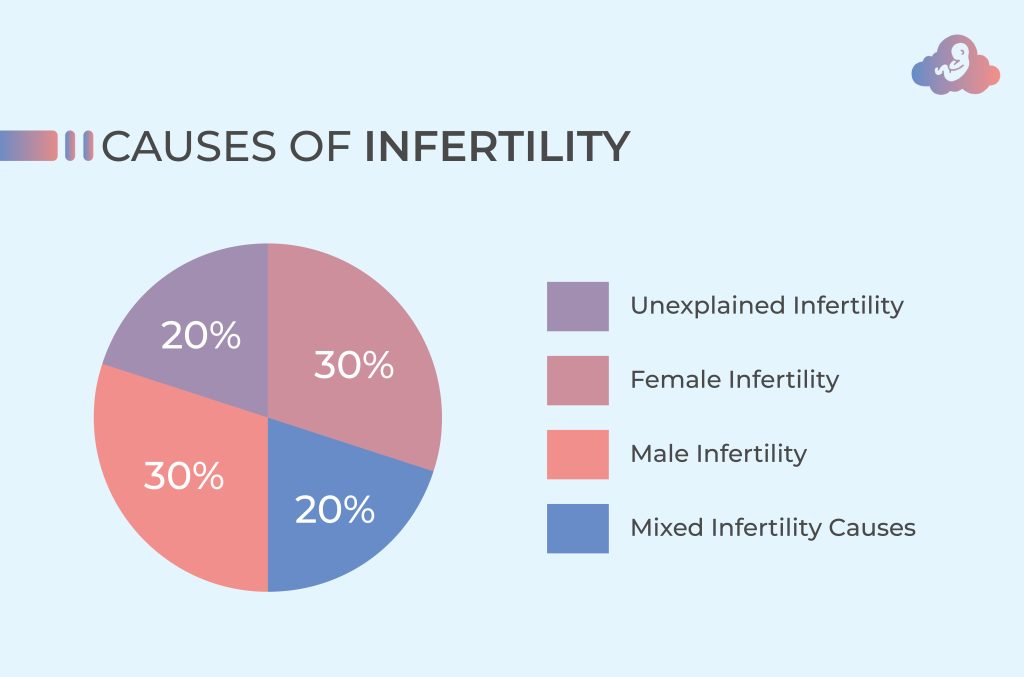
Unexplained Fertility, also known as idiopathic fertility, is an infertility case with no cause or explanation behind its occurrence. Couples who try to get pregnant for a year receive this diagnosis after standard infertility testing. Statistics show that approximately 30% of couples with infertility are diagnosed with unexplained infertility, making it one of the biggest causes of infertility.
Unexplained infertility is diagnosed after both couples are evaluated for infertility. The problem could lie with any of the partners, for instance, an obstructed fallopian tube for the female or a poor sperm count in the male. However, when nothing shows up during your standard infertility testing, then you’re most likely experiencing unexplained infertility.
The Good News
Unexplained infertility is treatable. Some doctors call it undiagnosed infertility since it is likely to get a diagnosis after further testing. Statistics show that women with unexplained infertility are likely to be diagnosed with conditions that impede pregnancy.
Possible Causes of Unexplained Infertility
While unexplained infertility has no cause, there are possible reasons for its occurrence. These are also referred to as unexplained infertility symptoms. They include the following:
Cervical Mucus Problems
Cervical mucus plays a key role during conception. The mucus thins during ovulation, acting as a medium to help the sperms swim through. A thick cervical mucus makes it harder for sperm to swim up to the egg. Moreover, your cervical mucus could further contain certain additives that impair this process.
A severe form of cervical mucus problem is known as hostile cervical mucus. This is characterized by acidic vaginal secretion or extreme vaginal dryness.
There are various reasons for having issues with your cervical mucus. In spite of that, with each menstrual cycle, your level of cervical mucus fluctuates. Furthermore, as you age, your cervical mucus levels become less abundant. Notably, some medications affect your cervical mucus causing it to dry up or decrease in quality.
Endometriosis
Endometriosis is a painful and common condition. The condition affects 2 to 10% of women between the age of 25 to 40 years. Endometriosis occurs when the tissue, similar to your uterus’ lining, grows outside the uterus leading to severely painful periods. Moreover, endometriosis can also cause infertility.
To shed more light on this, the endometrium is your uterus’ inner lining. During menstruation, this lining is what is shed off. Also, the lining gives support to the embryo during the early stages.
With endometriosis, endometrial-like tissue develops on organs and other structures in your pelvis, abdomen, or chest. Other places where you can develop endometriosis include:
Vagina
Ovaries
Fallopian tubes
Intestines
Bladder and uterus
Diaphragm
Rectum.
The abnormally implanted tissue acts as it would in the uterus during your menstrual cycle-it thickens, disintegrates, and bleeds. However, with no way of leaving your body, it becomes stuck. Besides, the endometrial tissue becomes inflamed during menstruation, leading to the onset of superficial lesions, ovarian cysts, adhesions, or scar tissue.
Mild cases of endometriosis can result in infertility. However, the good news is there are effective treatments to counteract the condition.
Poor Egg Quality
Your egg quality plays a crucial role in conception. Most women only know about egg quality once they start their TTC journey. Generally, your doctor estimates the number of eggs you have through an ultrasound. However, this test doesn’t effectively show the state of your eggs. An AMH (Anti- Mullerian Hormone) test gives a clear picture of the quality of your eggs.
A diminished ovarian reserve is the primary cause of poor egg quality. This is mainly seen in women above the age of 35. As you grow older, your ovary reserve decreases with every menstrual cycle. This further translates to poor embryo quality and chromosomal abnormalities leading to congenital disabilities.
Poor Sperm Quality
Sperm quality also plays a critical role in conception. Generally, an average sperm count ranges between 15 million to over 200 million for every milliliter of semen. A doctor evaluates your sperm quality through a sperm analysis by examining your semen under a microscope.
If your sperm count is less than 15 million semen per milliliter or fewer than 39 million total per ejaculate, you have a low sperm count. The lower the sperm count, the less your chances of getting your partner pregnant. Additionally, other problems with sperm also play a factor in unexplained infertility.
Poor Timing of Sexual Intercourse
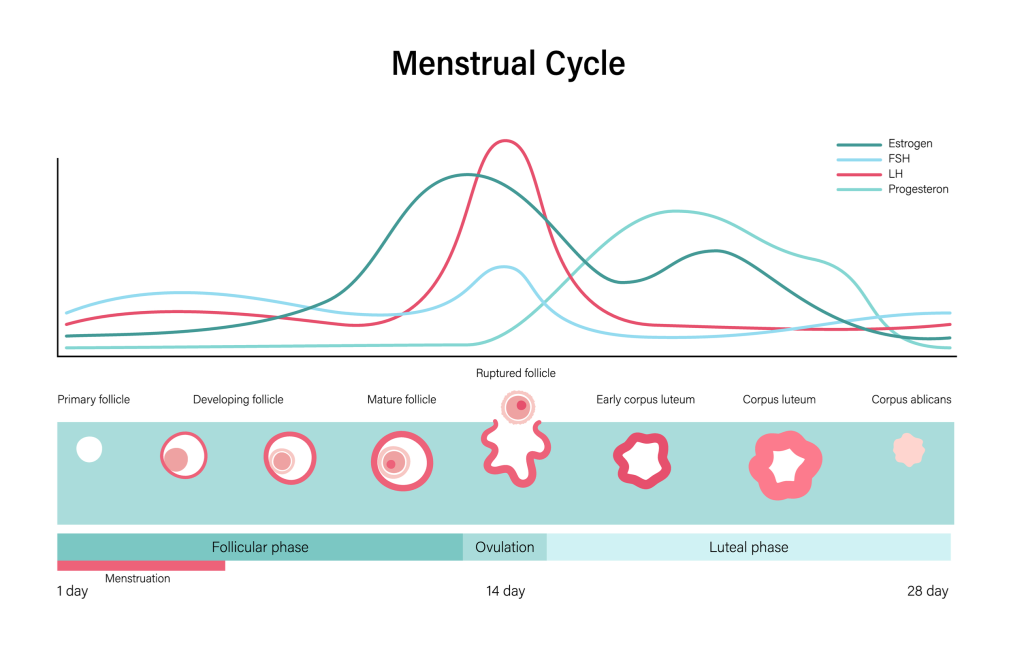
For a better chance at conception, most couples time their sexual intercourse with ovulation. If you’re trying to get pregnant, the right time to have sex is during ovulation. A woman is more fertile three days before and during ovulation. There’s little to no chance of getting pregnant after 12-24 hours of ovulation. This is because the egg has already left the fallopian tube making it impossible for fertilization to take place.
Luteal Phase Defect
Your luteal phase is the period between ovulation and menstruation. In this stage, the progesterone hormone promotes the growth of the endometrium in your uterus. As mentioned, the endometrial or uterine lining is where the embryo implants and grows during pregnancy.
Nevertheless, with a luteal phase defect, your body produces low levels of progesterone which hinders the growth of the endometrium. Consequently, this reduces your chances of getting pregnant because the embryo can’t implant. Fortunately, the luteal phase defect is treatable.
How Common is Unexplained Infertility?
Unexplained infertility statistics suggest that 15 to 30% of couples are diagnosed with unexplained infertility. Even so, this statistic varies. Other studies indicate that more than 10% of couples trying to get pregnant are diagnosed with unexplained infertility.
An underlying reason for the variation could be as a result of different definitions by providers of what they consider to be standard fertility testing. Some providers may include or exclude specific tests during a standard fertility assessment.
What Tests are Included in a Standard Fertility Test?
A standard fertility test is instrumental in providing an infertility diagnosis. The assessment is done for both couples to evaluate their likelihood of conceiving. The fertility test involves:
Pelvic examination
Blood checks to assess the hormone levels and ovarian reserve
Open fallopian tubes, free from obstructions
A normal semen analysis
Medical history evaluation that checks your menstrual cycle and ovulation.
How Do I Know If I Have Unexplained Infertility?
Since fertility is a play of many factors, only a comprehensive test can deduce whether you have unexplained infertility. A single test is not effective in ascertaining the cause of infertility.
To establish the cause, doctors perform a series of tests to get the proper diagnosis. According to the American Society of Reproductive Medicine (ASRM), the tests should include the following:
A physical exam
Semen analysis
A sexual and medical history
Ovarian reserve testing
Ovulation cycles
Blood tests
Hysterosalpingogram (HSG) or laparoscopy to assess the reproductive organs.
If none of the tests are conclusive, you are likely experiencing unexplained infertility. However, don’t throw in the towel yet; a second opinion from a different medical provider could shed some light.
Can I Get Pregnant with Unexplained Infertility?
Yes, you can. Although statistics suggest that approximately 10% of couples trying to get pregnant are diagnosed with unexplained infertility, it does not mean you can’t conceive. If you are diagnosed with unexplained fertility, the probability of you conceiving without fertility treatments is lower than couples who are fertile. However, the probability is greater than zero.
If you’re below the age of 35 and you’ve been trying to conceive for a year or above it’s advisable to visit a fertility treatment center. The doctor will conduct tests to determine the underlying cause of infertility. If the tests are not conclusive, don’t worry; you can still get fertility treatment, improving your unexplained infertility success rate.
Unexplained Infertility Treatment
Like with most fertility problems, unexplained infertility is treatable. You can still retain hopes of holding your little one after a diagnosis; it’s not the end of the road. The treatments focus on what is the likely cause of unexplained infertility. Although, the treatment calls for individualized treatment. Your doctor should assess factors such as treatment history, costs, age, infertility history, and risks before putting you on an ideal treatment plan.The treatment options include:
Intrauterine Insemination for Unexplained Infertility
Intrauterine Insemination (IUI) increases the chances of fertilization by inserting washed and concentrated sperm into a woman’s uterus. The process uses a catheter to inject healthy sperm during the ovulation period. The procedure is widely adopted since it is cheaper than in vitro fertilization (IVF) and minimally invasive.
The end game with IUI is that the healthy sperm will fertilize the egg leading to pregnancy.
Clomid for Unexplained Infertility
Clomiphene citrate (Clomid) is commonly used to treat infertility in women. The medication is administered orally and works by stimulating the production of follicle-stimulating hormone. The hormone then triggers the ovary to produce more eggs-not just one. Most specialists recommend taking Clomid before referring couples to a fertility specialist.
Combining Clomid treatment with other fertility treatments, such as intrauterine insemination (IUI), increases fertility chances. Studies suggest that the monthly success rates for women over 35 using IUI and Clomid stand at 10%. Taking Clomid alone may not significantly boost your pregnancy chances. Nonetheless, combining it with an assisted reproductive technology such as IUI increases the success rate.
Some medical providers would recommend Letrozole (Femara) for unexplained fertility treatment.
Clomid vs. Letrozole for Unexplained Infertility: Which is Better?
Both Clomid and Letrozole are fertility medications that are used to treat unexplained infertility. Clomid is the most common medication prescribed by doctors for the last five decades. On the other hand, Letrozole (Femara) was previously approved for use as a breast cancer medication by the FDA. Yet, off-label prescriptions are pretty common with fertility specialists to treat ovulatory infertility.
In 2015, a comparative study of both medications was done for women with unexplained infertility. The study compared the effects of both drugs in women who underwent scheduled IUI for four months. The study indicated that 35% of women who took Clomiphene had a positive pregnancy test, while the Letrozole group had 28%.
In another study conducted in 2019, 24% of patients who received Letrozole had a positive pregnancy test, while 23% of patients on Clomiphene reported the same.
Despite the conflicting results, medical specialists prefer Letrozole since it’s more effective in increasing pregnancy rates with unexplained infertility and inducing ovulation. Furthermore, it has fewer side effects.
Gonadotropins for Unexplained Infertility
Gonadotropin fertility medications contain hormones that regulate testicular and ovarian function. In females, gonadotropin injections are used to stimulate egg production. While in males, it treats low sperm count.
Studies suggest that combining injectable gonadotropins with IUI treatment or IVF leads to higher success rates for treating unexplained infertility.
Further, fusing injectable gonadotropins with timed sexual intercourse also improves your chances of conception by increasing fertility potential.
Gonadotropin injections are administered during the early stages of your menstrual cycle to stimulate multiple growths of eggs to a mature size. A doctor may also administer Human chorionic gonadotropin (hCG), which enables the release of the mature egg. A medical practitioner will monitor your egg growth through ultrasound for a higher success rate. This also helps in lessening any risks or side effects.
Timed Sexual Intercourse for Unexplained Infertility
As timid as it may sound, having timed sexual intercourse with your partner improves your chances of conception. Most people don’t know that the egg gets released from the fallopian tube 12 to 24 hours after ovulation. Coitus at this period has little to no chance of conception since the egg is already preparing for menstruation.
It is essential to time your sexual intercourse around your partner’s ovulation. The stipulated period for this is three days to ovulation or during ovulation.
In addition, tracking your menstrual cycle will hint at when to expect ovulation. You can use period apps or an ovulation kit to estimate the time. Still, for more accurate estimation, you can work out your ovulation date using your menstrual cycle. You need to know how long your menstrual cycle is.
To calculate this, you need to know the date of your first bleeding in your last period and the first day of bleeding in your next. For instance, say your last period started on the 1st of January, and you expect your next period to begin on the 26th of January. Subtracting the two dates gives you a menstrual cycle of 25 days. To get your approximate ovulation date, you need to remove 14 days which gives you 14. This means you should expect your ovulation date to be around or on the 14th. To be on the safer side, it is advisable to have regular sexual intercourse three days before the date and on the date.
Lifestyle Changes for Unexplained Infertility
According to statistics, 30% of women with weight extremes experience infertility, which is three times higher in obese women. This is because insulin resistance in the body impedes ovulation. Losing as little as 5% of body weight can help you improve your fertility.
Lifestyle changes are integral to increasing your chances of conception. This applies to men, too, since obesity in men affects the production of testosterone and other hormones that promote sperm count, mobility, and quality.
A healthy diet and frequent exercise are important for improving your weight and fertility. As well, lifestyle changes, such as avoiding caffeine, smoking, and alcohol, significantly promote your reproductive health. A study by Harvard showed that women reduce their risk of unexplained infertility from ovulation disorders by 80 % by adhering to a healthy diet.
Assisted Reproductive Technologies for Unexplained Infertility
Assisted Reproductive Technologies (ART) refers to a procedure where the embryo or eggs are managed as part of fertility treatment. The process involves the surgical removal of a woman’s eggs and combining them with sperm in the lab. The fertilized egg is then reintroduced into the woman’s body.
ART remarkably helps increase the chances of conception with a rate per cycle of 50% for in vitro fertilization (IVF). IVF is the most common ART procedure that helps curtail the effects of unexplained infertility. The first ever successful IVF procedure was performed in 1978. The procedure has since then developed, making its access much easier. Some doctors will perform an IVF with intracytoplasmic sperm injection (ICSI) to better your chances of conception.
Unexplained Infertility Success Stories
Now that you know a tad more about unexplained infertility, here are real-life examples of people diagnosed with unexplained infertility and later got pregnant. However, you shouldn’t treat this as medical advice. Every individual has a different experience. The success story is to inspire you that your TTC journey is possible with an unexplained infertility diagnosis.
Success Story 1: Joyce: A silver lining after all hopes were lost Age:37
The story of Joyce is interesting and inspirational too. Joyce visited the fertility cloud, having been diagnosed with unexplained infertility. She had an AMH test which showed her ovarian reserve was normal, with a level of 3.69 ng/ml AMH. Also, a hysterosalpingogram test showed her fallopian tubes were not obstructed. Joyce went further to have her partner examined, as is the case with unexplained infertility. Her partner had a normal sperm count, if not healthy swimmers. Furthermore, her partner also sired three children in his previous relationship, which ruled out any case of infertility.
Joyce explained that they’ve been trying to conceive for the past 15 months without a positive outcome. Prior to consulting us, she had received Clomid treatments combined with an IVF. But, this did not work.
After a thorough evaluation, we realized that Joyce is experiencing a luteal phase defect. Meaning her uterine lining did not develop to allow the embryo to implant. We administered a few more tests, including ovarian stimulation and progesterone support, and a treatment cycle and later; she got pregnant.
Joyce is one of the many patients who can attest that unexplained infertility is not a death sentence. Although many couples lose hope after a series of tests and unsuccessful fertility treatments, Joyce is a testimony that there is always a silver lining.
Success Story 2: Racheal: A beacon of hope Age:38
Elizabeth got married to her life-long partner at the age of 34. A year later, they embarked on their TTC journey, which proved unsuccessful after a few trials. She then sought the help of a gynecologist who did an HSG test. The test showed that her fallopian tubes were open. An Anti-Mullerian Hormone test (AMH) also showed her ovarian reserve was good. Furthermore, her menstrual cycle and ovulation were on time, aside from some mild spotting she’d experience every mid-month. It’s worth noting that during this time, her partner did not undergo a sperm analysis test.
After being diagnosed with unexplained infertility, Elizabeth paid us a visit with much despair on her face. We took her through the standard fertility tests to ascertain the underlying cause. At first, we couldn’t discern the problem and then performed a sperm count analysis that showed the husband’s sperms were in plenty and of good quality.
We advised Elizabeth to take a 50 mg dosage of Clomid two days before her menstrual cycle ended. We also encourage the couple to have timed sexual intercourse to increase their chances of conception. A few months later, Elizabeth returns to our offices with a pregnant stick and a pregnancy glow. Her exact words were, “I AM FINALLY PREGNANT.”
Elizabeth delivered her baby in August 2021, and her baby is healthier than ever.
FAQ
What Helps Unexplained Infertility?
There are many ways of going about unexplained infertility. If a doctor cannot discern the reason behind your unexplained infertility, it helps to get the opinion from a different medical practitioner. It could be the doctors missed out on a test, or a faulty test result contributes to your inconclusive fertility results. Anyhow, this shouldn’t despair you. Treatment options such as fertility medication, in vitro fertilization, intrauterine insemination, and lifestyle change significantly increase your chances of conception.
Does Unexplained Infertility Occur in Both Males and Females?
Infertility is a play of various factors, making it challenging to pinpoint the primary cause behind it. However, fertilization is only possible using the male’s sperm and the female’s eggs. This means unexplained infertility is a beam balance that holds the couple on both sides. If the couple undergoes fertility testing and there’s no apparent cause for infertility, the couple is likely experiencing multifactorial infertility.
Male factor infertility is the sole cause of infertility in approximately 30% of couples who undergo fertility testing. Further, it acts as a contributing factor in 20% to 30% of couples.
In such cases, it is prudent for both partners to undergo a thorough fertility testing evaluation. The evaluation could reveal further evidence of infertility or factors inhibiting your conception, such as obesity. As mentioned, obese males experience a low sperm count due to low progesterone levels. Furthermore, the evaluation also outlines whether you have issues with your reproductive organs, such as the fallopian tubes or uterus.
In males, the evaluation covers their history, semen analysis, and body evaluations. Crucial factors that can also help underpin infertility causes include a history of cryptorchidism, sexual dysfunction, medical and surgical history, tobacco or alcohol use, and prior paternity.
I Have Been Diagnosed with Unexplained Infertility. What Next?
An unexplained infertility diagnosis should not dwindle your hopes of getting pregnant. There are more approaches you can take to improve your chances. For starters, you need to examine your lifestyle habits and assess whether they contribute to a healthy outcome. It is prudent to avoid alcohol, caffeine, and smoking. Smoking can deter production of hormones, making it hard to conceive. Additionally, smoking can result to a damaged DNA in the sperm.
Also, switching to a healthy diet and frequent exercises helps keep your body healthy and ready for pregnancy. We understand making such lifestyle changes is not easy. Rome wasn’t built in a day, either. Setting personal goals and starting small eventually leads to long-lasting results. It also helps if you rope in your partner and embrace a healthy lifestyle together.
Over and above that, timed intercourse can significantly improve your chances. Every year, you get 12 opportunities to get pregnant. This is your ovulation period. It is imperative to have regular intercourse during and around this time for better chances at conception.
Does Acupuncture Help with Unexplained Infertility?
Acupuncture is a therapy that involves piercing your skin with thin needles at specific locations on your body. The practice is an ancient Chinese tradition believed to cure pain. Today, they use it for wellness therapy and alleviating stress.
Various studies have looked into the possibility of acupuncture curing unexplained infertility. The studies used two cohorts of women. One group had women diagnosed with unexplained infertility, and a control group of women. Both groups had been trying to conceive for five years.
The acupuncture procedure was administered to the first group in 3 menstrual cycles. In addition, they also received prescribed fertility treatments. The second group received controlled ovarian hyperstimulation treatment.
After a few cycles, the women in the acupuncture group conceived naturally without undergoing COH. The study proves that acupuncture can significantly improve unexplained infertility by reducing the number of COH cycles. Hence acupuncture alone is not enough to help with unexplained fertility, but combining it with other fertility treatments improves your chances of natural conception.
Can Myo-Inositol Help with Unexplained Pregnancy?
Extensive research into infertility and women led to the discovery of myo-inositol as a fertility medication. Myo-Inositol promotes regular ovulation and regulates hormones for women diagnosed with PCOS.
A study published in the Human Reproduction journal showed that follicular fluid with high levels of Myo-inositol led to enhanced egg maturation and quality. Moreover, a study published in the International Journal of Endocrinology showed a better success rate of medical fertility after combining melatonin and Myo-inositol. Furthermore, the medication has a long track record of effectiveness and safety.
If you’re diagnosed with unexplained infertility and struggling to conceive, speak to your doctor about the perks and risks of using Myo-inositol.
Final Thoughts
So you’ve been diagnosed with unexplained infertility. It’s not the end of the road, It is the beginning of a new journey in your pregnancy. Studies so far show positive unexplained infertility success rates with the proper fertility treatments.
If you’re having trouble conceiving, it’s prudent to seek medical counsel. The sooner you do it, the better. All the best!
Your subscription could not be saved. Please try again.