Fertility Specialist

What recommendations can help improve the production of fertile cervical mucus?

Discover expert-backed tips and lifestyle changes to enhance the production of fertile cervical mucus, a key factor in boosting fertility.

Understanding the Role of Cervical Mucus in Fertility

Cervical mucus is a vital fluid produced by the cervix. Its composition and quality are crucial indicators of a woman’s fertility. The presence and characteristics of cervical mucus change throughout the menstrual cycle, influenced by hormonal fluctuations, particularly estrogen and progesterone.

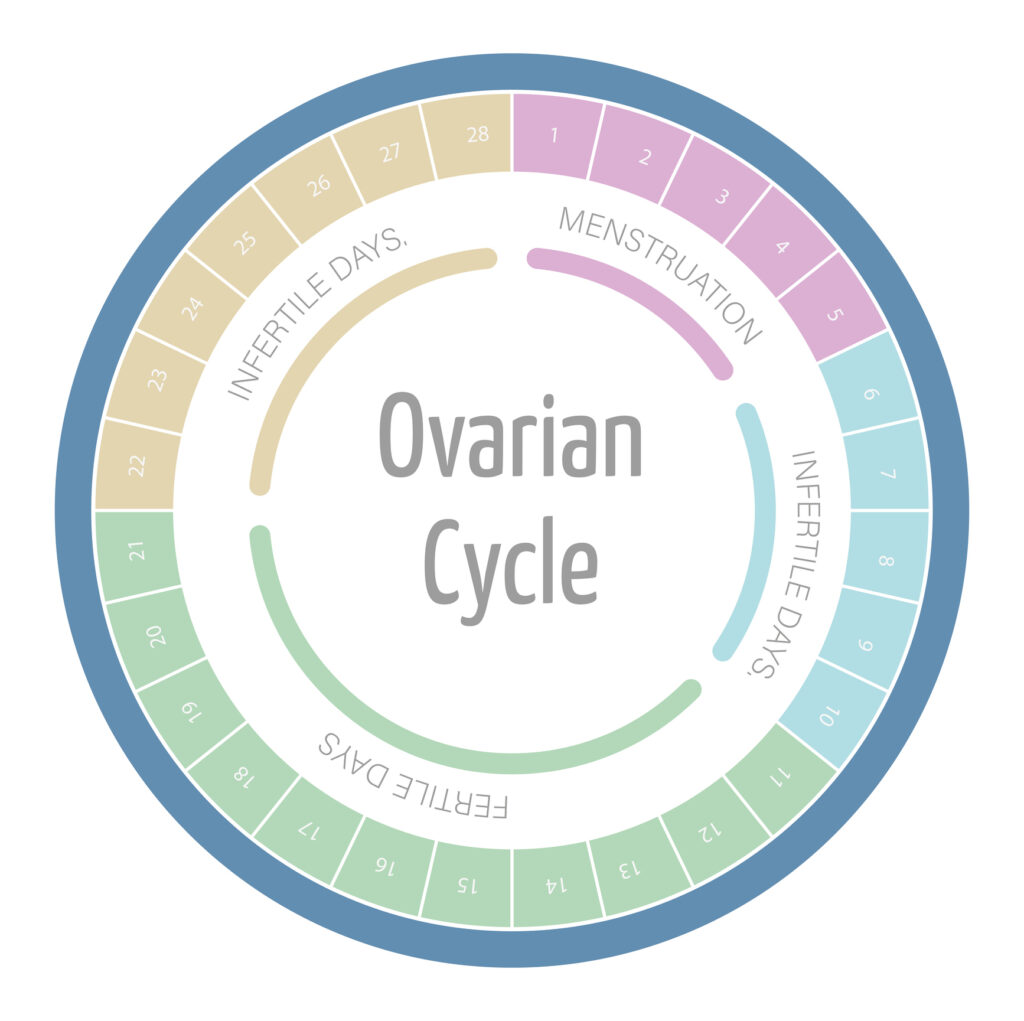
During the fertile window, which typically occurs around ovulation, cervical mucus becomes more abundant and stretchy, resembling raw egg whites. This fertile mucus plays a significant role in sperm transport, making it easier for sperm to navigate through the cervix and into the uterus for potential fertilization.

Understanding these changes is essential for women trying to conceive, as recognizing peak fertile mucus days can aid in timing intercourse for optimal chances of pregnancy.

In addition to its role in facilitating sperm movement, cervical mucus also serves as a protective barrier. During non-fertile phases, the mucus is thicker and more viscous, which helps to block harmful bacteria and pathogens from entering the uterus. This protective function is crucial for maintaining a healthy reproductive environment. Furthermore, the biochemical composition of cervical mucus can also provide insights into a woman’s overall reproductive health, as abnormalities in its consistency or volume may indicate underlying health issues that could affect fertility.

Women can track their cervical mucus changes by observing its texture and color throughout their menstrual cycle. Many find it helpful to combine this observation with other fertility awareness methods. These methods include tracking basal body temperature or using ovulation predictor kits. By doing so, they can create a comprehensive picture of their fertility patterns. This empowers them to make informed decisions about their reproductive health and family planning. This holistic approach not only enhances the chances of conception but also fosters a deeper understanding of one’s own body and its rhythms.

Dietary Changes to Enhance Cervical Mucus Production

Diet plays a crucial role in overall reproductive health, including the production of cervical mucus. A balanced diet rich in whole foods can positively impact the consistency and volume of cervical mucus.

  • Increase Fluid Intake: Staying hydrated is fundamental. Water consumption supports all bodily functions, including mucus production.
  • Include Healthy Fats: Foods rich in healthy fats help increase cervical mucus production due to their role in cellular health.
  • Consume Whole Grains: Whole grains are high in fiber, which can improve hormonal balance and promote a healthy menstrual cycle.

Additionally, incorporating fruits and vegetables high in vitamins and antioxidants can help ensure your body has the nutrients it needs to support optimal reproductive functions. For instance, berries, citrus fruits, and leafy greens are excellent choices that not only provide essential vitamins but also help combat oxidative stress, which can negatively affect reproductive health. Moreover, foods rich in vitamin E, such as almonds and spinach, are known to enhance hormone production and may play a role in improving cervical mucus quality.

Furthermore, it’s important to consider the impact of certain lifestyle choices on cervical mucus production. Reducing processed foods and sugars can help stabilize blood sugar levels and hormonal balance. Which are vital for maintaining healthy mucus production. Additionally, incorporating regular physical activity can enhance circulation and support overall reproductive health. Activities such as yoga or moderate aerobic exercise can also help reduce stress. This is known to negatively affect hormonal balance and, consequently, cervical mucus production.

The Impact of Hydration on Mucus Quality

Hydration is key to maintaining the quality of cervical mucus. When the body is adequately hydrated, mucus becomes more elastic and conducive for sperm movement. Dehydration, on the other hand, can lead to thicker, less responsive cervical mucus, which may hinder fertility.

Experts recommend drinking plenty of water throughout the day, especially during the days leading up to ovulation. Herbal teas and other fluids can also contribute to overall hydration levels. But it’s essential to avoid excessive caffeine or alcohol intake, as these can dehydrate the body.

An easy way to gauge hydration levels is by monitoring the color of your urine. Pale straw-colored urine typically indicates adequate hydration, while darker urine may suggest a need for increased fluid intake.

In addition to water, certain foods can also enhance hydration and contribute positively to mucus quality. Fruits and vegetables with high water content, such as cucumbers, watermelon, and oranges, not only provide hydration but also deliver essential vitamins and minerals that support reproductive health. Incorporating these foods into your diet can be a delicious way to boost your fluid intake. This ensures your body has the nutrients it needs to produce healthy cervical mucus.

Moreover, the timing of hydration can play a significant role in its effectiveness. Drinking fluids consistently throughout the day rather than consuming large amounts at once can help maintain steady hydration levels. This is particularly important for women tracking their menstrual cycles. This is because optimal hydration can enhance the quality of cervical mucus during the fertile window. Understanding your body’s hydration needs and adjusting your intake accordingly can be a vital step in supporting reproductive health.

Supplements That May Boost Fertile Mucus

For those looking to enhance cervical mucus production, certain supplements may offer benefits. These supplements can help support hormonal balance and overall reproductive function. Adequate cervical mucus is crucial for fertility. It creates a conducive environment for sperm to travel through the cervix and into the uterus.

  • Omega-3 Fatty Acids: Found in fish oil, these can promote overall reproductive health and may enhance the quality of cervical mucus. Omega-3s are also known to reduce inflammation in the body, which can further support a healthy reproductive system.
  • Vitamin E: This vitamin is known for its antioxidant properties and its role in reproductive health, potentially improving mucus production. Vitamin E may also help improve blood circulation to the reproductive organs, which can enhance overall fertility.
  • B Vitamins: Especially B6 and B12, these vitamins support hormone regulation and can positively impact cervical mucus consistency. B vitamins are also essential for energy production and can help reduce stress, which is beneficial for those trying to conceive.

Consulting with a healthcare provider before starting any supplements is advisable to ensure they are appropriate for your individual health needs. Additionally, lifestyle factors such as diet, hydration, and stress management play significant roles in cervical mucus production and overall fertility. Incorporating a balanced diet rich in fruits, vegetables, whole grains, and lean proteins can provide the necessary nutrients that support hormonal health. Staying well-hydrated is equally important, as adequate fluid intake can help maintain optimal mucus consistency.

Lifestyle Modifications for Optimal Cervical Health

Adopting a healthy lifestyle is critical for improving cervical health and enhancing mucus production. Regular exercise, stress management, and maintaining a healthy weight can significantly impact hormonal balance and reproductive function.

fertile cervical mucus

Engaging in regular physical activity helps improve blood circulation, including to the reproductive organs, which can enhance mucus production. Stress management techniques such as yoga, meditation, and deep-breathing exercises can also help balance hormones and improve overall health. These practices not only promote relaxation but also encourage mindfulness, allowing individuals to connect with their bodies and recognize the signs of hormonal changes more effectively.

Additionally, avoiding smoking and reducing exposure to environmental toxins can help maintain healthy hormone levels and cervical health, further supporting the production of fertile cervical mucus. It’s also beneficial to incorporate a diet rich in antioxidants, vitamins, and minerals, as these nutrients play a vital role in supporting reproductive health. Foods such as leafy greens, berries, nuts, and fatty fish can provide essential nutrients that help regulate hormonal levels and promote optimal cervical function.

The Importance of Hormonal Balance in Mucus Production

Maintaining hormonal balance is crucial for the production of quality cervical mucus. Fluctuations in hormones can lead to changes in mucus consistency, affecting its fertility-facilitating properties. Estrogen, in particular, plays a significant role in increasing the volume and elasticity of cervical mucus, which is essential for sperm mobility and survival. When estrogen levels are optimal, the mucus becomes more conducive to conception, creating a fertile environment that supports the journey of sperm toward the egg.

Monitoring your menstrual cycle and being aware of your body’s signals can help identify any hormonal imbalances. If you notice significant changes in cervical mucus or experience irregular cycles, it might be helpful to consult a healthcare provider for an evaluation. Tracking your cycle through methods like basal body temperature charting or using ovulation predictor kits can provide valuable insights into your hormonal fluctuations and overall reproductive health.

Natural methods to support hormonal balance include ensuring adequate sleep, managing stress, and considering dietary adjustments that promote hormonal health, such as incorporating more phytoestrogen-rich foods like flaxseeds and soy products. Additionally, regular physical activity can enhance hormonal regulation by improving insulin sensitivity and reducing stress levels. Engaging in activities like yoga or meditation can also be beneficial, as they help to lower cortisol levels, which can otherwise disrupt hormonal equilibrium.

Furthermore, it’s essential to stay hydrated, as proper hydration can influence mucus production. Drinking adequate amounts of water supports overall bodily functions, including the production of cervical mucus. Herbal teas, such as red clover or raspberry leaf, may also provide additional benefits by promoting hormonal balance and supporting reproductive health. By adopting a holistic approach that includes lifestyle changes, dietary considerations, and mindfulness practices, individuals can foster a more balanced hormonal environment conducive to optimal mucus production and fertility.

Timing and Techniques for Monitoring Cervical Mucus

Effective monitoring of cervical mucus can help pinpoint the most fertile days within your cycle. Observing changes in mucus can provide valuable insights into ovulation timing, which is essential for couples trying to conceive.

There are several techniques for tracking cervical mucus:

  1. Daily Observations: Each day, check the mucus by wiping the vaginal area with toilet paper or using a finger to assess its texture and appearance.
  2. Charting: Keep a calendar or a fertility tracking app to chart the changes in mucus consistency throughout the cycle.
  3. Combining Methods: Consider coupling mucus monitoring with basal body temperature tracking for a more comprehensive view of your fertile window.

By understanding and tracking cervical mucus changes, women can optimize their chances of conception by aligning intercourse with their most fertile days.

In conclusion, improving the production of fertile cervical mucus involves a multifaceted approach encompassing diet, hydration, supplementation, lifestyle choices, hormonal balance, and effective monitoring techniques. By paying attention to these aspects, women can enhance their fertility and take proactive steps toward conception.

Your subscription could not be saved. Please try again.
Your subscription has been successful.

Stay Informed

Subscribe to our newsletter to receive treatment updates

When are Letrozole and Clomid prescribed together?

Explore the combined use of Letrozole and Clomid in fertility treatments.

Understanding Letrozole and Clomid: Mechanisms of Action

Letrozole and Clomid are two medications commonly used in the treatment of infertility, particularly in women who experience ovulatory dysfunction. Letrozole is an aromatase inhibitor that works by blocking estrogen production in the ovaries. This decrease in estrogen can lead to an increase in pituitary hormones such as follicle-stimulating hormone (FSH) and luteinizing hormone (LH), which in turn stimulate the ovaries to produce eggs. The use of Letrozole has gained popularity not only for its effectiveness but also for its relatively favorable side effect profile compared to other fertility treatments. Clinical studies have shown that Letrozole can be particularly beneficial for women with polycystic ovary syndrome (PCOS). PCOS is a condition often associated with irregular ovulation and infertility.

Clomid, on the other hand, is a selective estrogen receptor modulator (SERM). It functions by binding to estrogen receptors in the hypothalamus, leading to a perceived decrease in estrogen levels. This triggers the release of FSH and LH from the pituitary gland, promoting follicular development and ovulation. Clomid has been a cornerstone in fertility treatment for decades, and its ease of use as an oral medication makes it a preferred choice for many women. However, it is essential to monitor its use, as prolonged treatment can lead to ovarian hyperstimulation syndrome (OHSS) or multiple pregnancies. Both medications have distinct mechanisms but ultimately aim to enhance fertility by addressing hormonal imbalances. Moreover, the choice between Letrozole and Clomid often depends on individual patient profiles, including age, underlying health conditions, and previous responses to fertility medications, making personalized treatment plans crucial for optimizing outcomes.

Indications for Combined Use of Letrozole and Clomid

The combined use of Letrozole and Clomid is typically indicated for women diagnosed with ovulatory disorders, including polycystic ovary syndrome (PCOS). This combination may be particularly beneficial for those who have not responded to one treatment alone. By utilizing both medications, clinicians can leverage the distinct mechanisms of action, potentially improving the chances of ovulation and conception.

Additionally, fertility specialists may recommend this combination therapy for women who have experienced recurrent pregnancy loss or those over the age of 35, where time is of essence in achieving pregnancy. Each case is assessed individually, taking into consideration the woman’s overall health, fertility history, and specific needs.

Letrozole, an aromatase inhibitor, works by reducing estrogen production, which can stimulate the ovaries to produce eggs. Clomid, on the other hand, is a selective estrogen receptor modulator (SERM) that encourages the pituitary gland to release hormones necessary for ovulation. When used together, these medications can create a synergistic effect that may enhance ovarian response and improve the likelihood of successful ovulation. This dual approach can be particularly advantageous for women with complex fertility issues, as it addresses multiple hormonal pathways simultaneously.

Moreover, the combined therapy is often monitored closely through ultrasound and hormone level assessments. This allows healthcare providers to tailor the treatment to the patient’s specific response. This personalized approach not only maximizes the chances of conception but also minimizes the risk of potential side effects associated with higher doses of either medication alone. As research continues to evolve, the understanding of how these medications can be optimally combined is likely to improve. Offering hope to many women seeking to expand their families.

The Role of Letrozole in Ovulation Induction

Letrozole has gained popularity as a first-line therapy for ovulation induction. This is largely due to its favorable side effect profile and effectiveness. It is typically administered in the early part of the menstrual cycle. This can lead to the development of multiple mature follicles. The medication is especially effective in women with PCOS. It helps regulate hormonal levels that are often disrupted in this condition.

Clinical studies suggest that Letrozole not only increases the chances of ovulation but also improves the quality of the ovulated eggs. This helps in increasing the likelihood of successful conception when combined with timed intercourse or other assisted reproductive techniques. The simplicity of the oral administration of Letrozole also makes it a convenient choice for many women seeking to conceive.

Letrozole for IVF

In addition to its primary role in ovulation induction, Letrozole has also been studied for its potential benefits in women undergoing in vitro fertilization (IVF). Research indicates that using Letrozole as part of a controlled ovarian stimulation protocol may lead to a more favorable response in terms of egg retrieval rates and embryo quality. This can be particularly advantageous for women who have previously experienced poor ovarian response to traditional stimulation methods. Furthermore, the use of Letrozole in IVF cycles may help reduce the risk of ovarian hyperstimulation syndrome (OHSS), a serious complication that can arise from aggressive fertility treatments.

Moreover, Letrozole’s mechanism of action as an aromatase inhibitor not only aids in promoting follicular development but also plays a crucial role in balancing estrogen levels. This is particularly beneficial for women who may have elevated estrogen levels due to conditions like endometriosis or obesity. By lowering estrogen production, Letrozole helps create a more favorable hormonal environment for ovulation and conception. As a result, many healthcare providers are increasingly considering Letrozole as a versatile option in the fertility treatment arsenal. Expanding its use beyond just ovulation induction to encompass broader reproductive health strategies.

How Clomid Complements Letrozole in Fertility Treatments

Clomid enhances the effects of Letrozole by further stimulating the hypothalamus and pituitary gland, which can lead to a more significant increase in FSH and LH levels. This is particularly beneficial in cases where the use of either medication alone has proven insufficient for inducing ovulation. By working synergistically, Letrozole and Clomid can promote more robust follicular development.

Moreover, women who have previously used Clomid but have not achieved pregnancy may find success with the Letrozole-Clomid combination. The differing pathways through which these medications operate can help overcome certain challenges associated with fertility treatments. Fertility specialists often tailor treatment plans based on individual responses, thus maximizing the potential for success.

In addition to their combined effects on hormone levels, Clomid and Letrozole also have distinct mechanisms that can be advantageous in various clinical scenarios. Clomid, a selective estrogen receptor modulator, can block estrogen receptors in the hypothalamus, leading to an increase in gonadotropin release. On the other hand, Letrozole, an aromatase inhibitor, reduces estrogen production. This can be particularly useful in women with conditions like polycystic ovary syndrome (PCOS). This complementary action can create a more favorable hormonal environment for ovulation. This makes it a strategic choice for many fertility patients.

Furthermore, the combination of these two medications can also help in managing side effects. While Clomid is known for its potential to cause mood swings and other estrogen-related symptoms, Letrozole tends to have a milder side effect profile. By using them together, patients may experience a more balanced hormonal response. This can lead to improved overall well-being during treatment. This holistic approach not only addresses the physiological aspects of fertility but also considers the emotional and psychological factors that can accompany the journey to conception.

Potential Benefits of Using Letrozole and Clomid Together

One of the primary advantages of using Letrozole and Clomid in tandem is the improved ovulation rates observed in clinical studies. For women who are unresponsive to one medication alone, the combination offers a second chance at inducing ovulation. Further, for those undergoing in vitro fertilization (IVF), this dual approach can increase the number of viable eggs available for retrieval. Studies have shown that this combination can lead to a higher likelihood of achieving successful pregnancies, particularly in women with polycystic ovary syndrome (PCOS), where ovulation issues are common.

  • Increased chances of ovulation
  • Greater number of mature follicles
  • Enhanced egg quality
  • Improved pregnancy rates
  • Shortened time to conception

Additionally, the combination therapy presents a good safety profile, making it an appealing option for many women attempting to conceive. It allows for a more targeted and effective approach to fertility treatment. This can greatly reduce the emotional and physical toll that infertility often presents. The synergistic effect of Letrozole, an aromatase inhibitor, and Clomid, a selective estrogen receptor modulator, can optimize hormonal balance and create a more conducive environment for ovulation. This is particularly beneficial for women who may have experienced side effects or limited success with other fertility medications.

Moreover, the use of Letrozole and Clomid together can also provide a more personalized treatment plan. Healthcare providers can tailor dosages and timing based on individual responses, which may lead to better outcomes. Many women report feeling more empowered and involved in their fertility journey when they have options like this available. Additionally, this combination can be a less invasive alternative to more aggressive treatments, such as injectable hormones or surgical interventions. This makes it a preferable choice for those looking to conceive naturally while still receiving effective medical support.

Dosage Guidelines for Letrozole and Clomid Combination Therapy

The specific dosage of Letrozole and Clomid in combination therapy can vary based on individual patient factors and treatment protocols. Generally, Clomid is prescribed at 50 mg per day for five days, starting around day 3 to day 5 of the menstrual cycle. Letrozole is frequently administered at a dosage of 2.5 mg to 5 mg daily for a similar duration.

It is crucial for patients to adhere to the prescribed dosages, as adjustments may be necessary depending on their response. Monitoring ovulation through ultrasound or ovulation predictor kits is often recommended during treatment. This is to determine the appropriate time for intercourse or further intervention.

Monitoring and Managing Side Effects of Combined Treatment

While the combination of Letrozole and Clomid is typically well-tolerated, monitoring for side effects is an essential component of treatment. Common side effects may include hot flashes, mood swings, headaches, and abdominal discomfort. Rare but more severe side effects, such as ovarian hyperstimulation syndrome (OHSS), require immediate medical attention.

Health care providers will often schedule follow-up appointments to evaluate the patient’s response and adjust treatment as necessary. Education regarding the signs of side effects and how to manage them is vital. This ensures that any adverse reactions are promptly addressed, leading to a safer treatment pathway.

Research Insights: Efficacy of Letrozole and Clomid Combination

Recent studies have highlighted the efficacy of combining Letrozole and Clomid. This shows promising outcomes in terms of ovulation and pregnancy rates. Research indicates that the dual therapy approach can be more effective than using either medication alone, particularly for women with PCOS.

Clinical trials have suggested that the combined use of these drugs not only improves ovulation rates but may also lead to higher live birth rates. This makes it an attractive option for couples struggling with infertility. Analysis of long-term outcomes also indicates that this strategy can result in suitable safety profiles. This allows more women to explore their fertility options.

Risks and Side Effects of Using Letrozole and Clomid Together

While the combination of Letrozole and Clomid offers several benefits, it is essential to be aware of potential risks. The likelihood of developing OHSS is a concern, albeit rare, particularly if higher doses are utilized or if there is an underlying susceptibility.

Additionally, some women may experience psychological side effects. These include anxiety or mood swings, due to the hormonal fluctuations induced by the medication. Medical consultation is crucial if such symptoms arise to ensure an appropriate and individualized approach to treatment.

In conclusion, while Letrozole and Clomid can be used effectively in tandem for ovulation induction and fertility enhancement, ongoing research and personalized treatment plans are essential in optimizing outcomes and minimizing risks for patients.

Your subscription could not be saved. Please try again.
Your subscription has been successful.

Stay Informed

Subscribe to our newsletter to receive treatment updates

What does estrogen dominance mean and how it affects success rate or potential for pregnancy?

Explore the concept of estrogen dominance and its impact on fertility.

Estrogen dominance is a condition where there is an imbalance between estrogen and progesterone in the body. This often results in higher-than-normal levels of estrogen relative to progesterone. This condition can have profound implications on a woman’s reproductive health and overall well-being. Understanding how estrogen dominance impacts pregnancy potential and success rates is crucial for women who are trying to conceive.

Understanding Estrogen Dominance: A Comprehensive Overview

Estrogen is a group of hormones that play a vital role in the development and regulation of the female reproductive system and secondary sexual characteristics. In a healthy menstrual cycle, estrogen levels rise and fall in harmony with progesterone. However, various factors can disrupt this balance.

estrogen dominance

Estrogen dominance can occur due to a variety of reasons. These include hormonal imbalances, external sources of estrogen (like some medications or dietary factors), and stress. This condition may lead to various health issues. Issues like weight gain and mood swings to more serious problems like infertility.

One of the significant contributors to estrogen dominance is the modern lifestyle, which often includes exposure to xenoestrogens. Xenoestrogens are synthetic compounds that mimic estrogen and are found in many everyday products, such as plastics, personal care items, and pesticides. These substances can accumulate in the body over time, further skewing the delicate balance of hormones. Additionally, the rise in processed foods and the decline in organic produce consumption can exacerbate the situation. This is because many processed foods contain additives that may disrupt hormonal balance.

Moreover, stress plays a pivotal role in hormonal health. When the body is under stress, it produces cortisol. This can interfere with the production and regulation of other hormones, including progesterone. This imbalance can lead to a cycle where elevated estrogen levels are not adequately countered by progesterone. Thus resulting in a state of estrogen dominance. Lifestyle changes such as incorporating stress-reducing activities like yoga, meditation, and regular exercise can be beneficial in restoring hormonal balance and alleviating the symptoms associated with this condition.

The Role of Estrogen in Reproductive Health

Estrogen is essential for various reproductive functions. It helps regulate the menstrual cycle, controls ovulation, and prepares the uterus for a fertilized egg. A balanced level of estrogen promotes healthy egg development and supports implantation should fertilization occur. Additionally, estrogen plays a crucial role in the development of secondary sexual characteristics during puberty, such as breast development and the widening of hips, which are vital for reproductive capability. The hormone also influences other bodily systems, including bone density and cardiovascular health, highlighting its importance beyond just reproduction.

When estrogen levels are too high, the normal functions of the reproductive system can become distorted. This may lead to issues such as irregular cycles, heavy periods, or even anovulation, where no ovulation occurs, drastically affecting the chances of conception. Conversely, low estrogen levels can also pose significant challenges. This can potentially lead to conditions like osteoporosis and increased risk of cardiovascular disease. Women experiencing menopause often face a natural decline in estrogen. This results in symptoms such as hot flashes, mood swings, and vaginal dryness, underscoring the hormone’s multifaceted role in maintaining overall health.

Symptoms and Signs of Estrogen Dominance

Recognizing the symptoms of estrogen dominance can be essential for women seeking to understand their hormonal health. Some common signs include:

  • Irregular menstrual cycles
  • Heavy or painful periods
  • Mood swings and irritability
  • Weight gain, particularly around the hips and abdomen
  • Breast tenderness
  • Fatigue and sleep disturbances
  • Acne or skin changes
  • Increased PMS symptoms

These symptoms can vary in intensity and may be more pronounced during certain stages of the menstrual cycle. Identifying these indicators can empower women to seek appropriate medical advice and treatment if necessary. Additionally, it’s important to note that lifestyle factor. Factors such as diet, stress levels, and exposure to environmental toxins can significantly influence estrogen levels in the body. For instance, a diet high in processed foods and low in fiber may exacerbate hormonal imbalances. While regular exercise and a balanced diet rich in whole foods can help mitigate some of the symptoms associated with estrogen dominance.

Moreover, understanding the underlying causes of estrogen dominance is crucial. Factors such as hormonal contraceptives, certain medications, and conditions like polycystic ovary syndrome (PCOS) can contribute to elevated estrogen levels. Women experiencing these symptoms should consider keeping a symptom diary to track patterns and triggers, which can be invaluable during consultations with healthcare providers. This proactive approach not only aids in diagnosis but also helps in tailoring a treatment plan that addresses both the symptoms and the root causes of hormonal imbalance.

How Estrogen Dominance Impacts Fertility

Estrogen dominance can significantly affect fertility in multiple ways. High levels of estrogen may disrupt the hormonal signals necessary for ovulation, preventing the release of a mature egg and thereby diminishing the chances for conception.

Furthermore, an excess of estrogen can lead to conditions such as endometriosis and uterine fibroids, which can create additional challenges for a woman trying to conceive. These conditions can cause pain, discomfort, and complications during pregnancy. The resulting physical and hormonal challenges often hinder the chances of achieving a successful pregnancy.

In addition to the direct impacts on ovulation and reproductive health, estrogen dominance can also influence the quality of cervical mucus, which plays a crucial role in facilitating sperm transport to the egg. When estrogen levels are unbalanced, the cervical mucus may become less hospitable, making it more difficult for sperm to survive and reach the egg. This can further complicate the conception process, as optimal cervical mucus is essential for fertility.

Moreover, lifestyle factors such as diet, stress, and exposure to environmental toxins can exacerbate estrogen dominance. For instance, a diet high in processed foods and low in fiber can lead to an accumulation of estrogen in the body. Similarly, chronic stress can disrupt the balance of hormones, leading to elevated estrogen levels. Understanding these contributing factors is vital for women who are looking to optimize their fertility and take proactive steps toward achieving a healthy hormonal balance.

The Connection Between Hormonal Balance and Pregnancy Success

The interplay between hormonal balance and pregnancy success is intricate. A healthy balance of hormones—including estrogen, progesterone, and others—is essential for creating an environment conducive to conception and maintaining a pregnancy.

Progesterone, often referred to as the “pregnancy hormone,” works to maintain the uterine lining after ovulation. When estrogen levels outweigh progesterone, it can lead to an inadequate uterine lining that may not support a fertilized egg effectively. This imbalance makes it crucial for women to achieve hormonal harmony for optimal reproductive health.

In addition to progesterone and estrogen, other hormones such as luteinizing hormone (LH) and follicle-stimulating hormone (FSH) play vital roles in the menstrual cycle and ovulation. LH triggers ovulation, while FSH is responsible for the maturation of ovarian follicles. Any disruption in the levels of these hormones can lead to irregular cycles, affecting the timing of ovulation and, consequently, the chances of conception. Furthermore, thyroid hormones also contribute to reproductive health; an underactive or overactive thyroid can lead to menstrual irregularities and complications during pregnancy, emphasizing the need for a holistic approach to hormonal health.

Moreover, lifestyle factors such as stress, diet, and exercise can significantly impact hormonal balance. Chronic stress can elevate cortisol levels, which may inhibit the production of reproductive hormones. Similarly, a diet lacking in essential nutrients can hinder hormone synthesis, while regular physical activity can promote hormonal balance by reducing stress and improving overall health. Understanding these connections highlights the importance of a comprehensive approach to fertility, where emotional, physical, and nutritional well-being work together to foster a supportive environment for pregnancy.

Lifestyle Factors That Influence Estrogen Levels

Numerous lifestyle factors can impact estrogen levels, and awareness of these is key for managing estrogen dominance. Some of the most significant factors include:

  • Diet: Consuming a diet rich in processed foods, sugar, and unhealthy fats can contribute to hormone imbalances. Opting for organic fruits and vegetables, whole grains, and healthy fats can help regulate estrogen levels. Additionally, incorporating phytoestrogen-rich foods, such as flaxseeds, soy products, and legumes, may provide a natural way to balance estrogen levels, as they can mimic the hormone in a beneficial manner.
  • Physical Activity: Regular exercise can support hormonal balance. However, excessive exercise without adequate recovery can also disrupt hormone levels, so moderation is key. Engaging in a mix of cardiovascular, strength training, and flexibility exercises can promote overall well-being and hormonal health, while also improving mood and reducing anxiety.
  • Stress Management: Chronic stress elevates cortisol levels, which may influence the balance of reproductive hormones. Techniques such as yoga, meditation, and deep breathing can help mitigate stress. Additionally, spending time in nature and cultivating hobbies can further enhance mental health, providing a holistic approach to stress reduction.
  • Exposure to Endocrine Disruptors: Chemicals found in plastics and personal care products can mimic estrogen and contribute to higher levels of this hormone in the body. Being mindful of product choices can help reduce exposure. Choosing glass or stainless steel containers for food storage and opting for natural beauty products can significantly lower the risk of endocrine disruption.

Medical Treatments for Hormonal Imbalance

If lifestyle changes are insufficient to rebalance hormones, various medical treatments may be considered. Practitioners can conduct hormone tests to diagnose estrogen dominance accurately, after which they can recommend appropriate treatment options. Some common treatments include:

  • Hormonal Therapy: Birth control pills that contain a combination of estrogen and progesterone can sometimes help regulate menstrual cycles and restore balance.
  • Natural Progesterone Supplements: These can help counteract the effects of excess estrogen and support a more balanced hormonal profile.
  • Medications for Underlying Conditions: If estrogen dominance is linked to other medical issues like endometriosis or fibroids, specific treatments targeting these underlying conditions can also be beneficial.
  • Dietary Supplements: Some vitamins and minerals, like Vitamin B6, magnesium, and zinc, have been shown to aid in hormone balance.

Consulting healthcare professionals is vital for determining the best course of treatment tailored to individual needs. This ensures that any interventions taken will effectively address estrogen dominance and boost fertility prospects.

In conclusion, understanding estrogen dominance and its effects on fertility is important for women seeking to conceive. By recognizing the importance of hormonal balance, monitoring symptoms, and making informed lifestyle choices, women can create a more favorable environment for pregnancy success.

Your subscription could not be saved. Please try again.
Your subscription has been successful.

Stay Informed

Subscribe to our newsletter to receive treatment updates

How should I take progesterone supplements: vaginally or orally?

Discover the best method for taking progesterone supplements with our comprehensive guide.

Progesterone plays a crucial role in various bodily functions, especially in the reproductive system. For those needing supplementation, the method of administration can influence the effectiveness and side effects of the treatment. This article will explore the different ways to take progesterone supplements, examining the options of vaginal versus oral administration.

Understanding Progesterone: What You Need to Know

Progesterone is a hormone produced primarily by the ovaries. It is vital for regulating many processes in the body, including the menstrual cycle and pregnancy. It helps prepare the uterus for pregnancy and maintains it if conception occurs. The hormone also plays a role in the development of breast tissue and influences the health of the cardiovascular system.

For individuals with low progesterone levels, supplementation can help alleviate symptoms such as irregular menstrual cycles, mood swings, and sleep disturbances. Various forms of progesterone supplements are available, allowing for tailored treatment to meet individual needs.

Understanding how progesterone affects your body is essential before deciding on the method of supplementation. Different forms of administration can have distinct impacts on absorption rates, effectiveness, and potential side effects.

Progesterone levels naturally fluctuate throughout the menstrual cycle, peaking during the luteal phase, which occurs after ovulation. This fluctuation is crucial for the timing of menstruation and the overall reproductive health of individuals. In addition to its reproductive functions, progesterone also influences mood and cognitive function. Some studies suggest that adequate levels of progesterone can have a calming effect, potentially reducing anxiety and improving sleep quality. This is particularly important for those who experience premenstrual syndrome (PMS), where hormonal imbalances can lead to heightened emotional responses and physical discomfort.

Moreover, progesterone’s role extends beyond reproductive health; it also interacts with other hormones in the body, such as estrogen, to maintain hormonal balance. This interplay is vital for overall health and can affect everything from bone density to metabolic processes. Lifestyle factors, including diet, exercise, and stress management, can also influence progesterone levels. For instance, maintaining a balanced diet rich in healthy fats and vitamins can support hormone production. Chronic stress may lead to hormonal imbalances that could exacerbate symptoms associated with low progesterone. Understanding these connections can empower individuals to make informed choices about their health and wellness.

The Benefits of Oral Progesterone Supplements

Oral progesterone supplements are typically taken in pill form and are one of the most common methods of supplementation. One significant benefit of oral progesterone is its ease of use. Most people are familiar with taking pills, and this method typically does not require any special preparation or technique.

Another advantage of oral progesterone is its wide availability. Many healthcare providers prescribe it, and patients can easily obtain it through pharmacies. Additionally, studies have shown that oral progesterone can effectively raise hormone levels in the bloodstream, providing the necessary support for conditions related to low progesterone.

Moreover, oral administration can be more convenient, especially for those who travel frequently or have a busy lifestyle. The relatively straightforward dosing schedule allows for easier integration into daily routines, making it a practical choice for many.

In addition to convenience, oral progesterone supplements can also help alleviate symptoms associated with hormonal imbalances. Symptoms such as mood swings, anxiety, and sleep disturbances. By stabilizing hormone levels, these supplements may contribute to improved emotional well-being and overall quality of life. Many users report a more balanced mood and better sleep patterns after incorporating oral progesterone into their regimen. This can be particularly beneficial for women experiencing premenstrual syndrome (PMS) or perimenopause.

Furthermore, oral progesterone has been studied for its potential protective effects on the endometrium, the lining of the uterus. For women who are at risk of endometrial hyperplasia or those undergoing hormone replacement therapy, oral progesterone can play a crucial role in maintaining uterine health. By counteracting the effects of estrogen, it helps to ensure a balanced hormonal environment, which is essential for reproductive health. This aspect of oral progesterone supplementation makes it an important consideration for women navigating various stages of their reproductive lives.

Exploring Vaginal Progesterone: Advantages and Disadvantages

Vaginal progesterone is administered through suppositories or creams, providing an alternative route for hormone supplementation. This method has specific advantages that make it appealing to some individuals. For instance, vaginal administration can result in higher local concentrations of the hormone where it is needed most, particularly during pregnancy. This localized effect can be particularly beneficial in supporting the uterine lining, which is crucial for maintaining a healthy pregnancy, especially in women undergoing fertility treatments or those with a history of recurrent miscarriages.

Moreover, vaginal progesterone might lead to fewer systemic side effects compared to oral supplements. Because it bypasses the liver during metabolism, some patients experience less gastrointestinal discomfort or mood changes, making this method favorable for those who are sensitive to oral medications. In addition, the absorption rate of vaginal progesterone can be more consistent, providing a steadier hormone level in the bloodstream, which can be advantageous for those requiring precise hormone regulation.

However, vaginal progesterone can present its own challenges. Some individuals may find the application process less convenient or slightly uncomfortable. The need for regular application can be a barrier for some, especially if they have a busy lifestyle or experience difficulty with self-administration. Additionally, it may not be suitable for those who are less comfortable with applying substances vaginally. In some cases, patients may also experience mild irritation or discharge, which can be concerning for those unfamiliar with these side effects.

Thus, considering the advantages and disadvantages of vaginal administration is crucial in deciding which method is best suited for your situation. It’s essential to have open discussions with healthcare providers about personal preferences and any concerns regarding the use of vaginal progesterone. This collaborative approach can help ensure that individuals make informed choices that align with their health needs and lifestyle, ultimately leading to better adherence to treatment and improved health outcomes.

How to Choose the Right Method for You

Choosing the right method of progesterone supplementation involves considering various factors, including personal comfort, lifestyle, and specific health needs. Each individual may respond differently to the different forms of progesterone.

Start by evaluating your health history and current symptoms. If you have experienced adverse effects with oral medications in the past, discussing alternative options like vaginal progesterone with a healthcare provider may be beneficial. It’s also important to consider the timing of your supplementation; for instance, some women may find that taking progesterone at night helps mitigate side effects like drowsiness, while others may prefer morning doses to align with their daily routines.

Your primary care physician or a specialist in hormone therapy can provide insights into which method might be more effective based on your unique hormonal profile. They can guide you through the decision-making process and help establish a treatment plan tailored to your needs. Additionally, they may recommend monitoring your hormone levels periodically to assess how well the chosen method is working, allowing for adjustments as necessary to optimize your health outcomes.

Financial considerations also play a role. Oral progesterone may be more affordable, while certain vaginal formulations may be more costly. Checking with insurance providers regarding coverage for specific methods can inform your decision as well. Furthermore, it’s wise to explore patient assistance programs or discount cards that some pharmaceutical companies offer, which can help alleviate the financial burden of more expensive treatments. Understanding the long-term costs associated with each method, including potential follow-up appointments and additional tests, can also help you make a more informed choice.

Potential Side Effects of Each Administration Route

Understanding the potential side effects associated with each administration route is critical when considering progesterone supplementation. Oral progesterone may cause a range of side effects, including dizziness, fatigue, nausea, and mood changes. Some individuals may experience a residue effect as the medication enters the bloodstream. This can sometimes lead to a feeling of grogginess or a lack of mental clarity, particularly if taken in higher doses or close to bedtime. Additionally, the metabolism of oral progesterone can vary significantly among individuals, influenced by factors such as age, weight, and overall health, which can further complicate the side effect profile.

On the other hand, vaginal progesterone can lead to distinct side effects, such as irritation or discomfort at the application site. Some may experience discharge or leakage, which can be inconvenient for daily activities. However, systemic side effects may be less pronounced when using this method compared to oral supplementation. This route is often preferred for those who have experienced adverse reactions to oral forms, as it allows for more localized effects with potentially fewer systemic implications. Nevertheless, users should be aware that some may still experience mild abdominal cramping or changes in menstrual flow, which can be concerning for those monitoring their reproductive health.

It is essential to monitor any side effects closely after beginning progesterone therapy. Keeping a journal of your symptoms can help you and your healthcare provider make informed adjustments to your treatment plan. If side effects are intolerable or impact your quality of life, alternatives should be explored. Additionally, discussing the timing of administration can be crucial; for example, taking oral progesterone at night may mitigate some daytime fatigue, while vaginal administration might be timed to coincide with periods of lower activity to minimize discomfort. Engaging in open communication with a healthcare professional about these experiences can lead to better management strategies and a more tailored approach to hormone therapy.

Consulting Your Healthcare Provider: Key Questions to Ask

Before starting progesterone supplementation, it is critical to have an open dialogue with your healthcare provider. Preparing a list of questions can facilitate this communication and ensure that you receive the necessary information for informed decision-making.

  • What are my specific progesterone needs, and how will supplementation help me?
  • What are the potential benefits and risks associated with oral versus vaginal administration?
  • How will each method affect my existing medications or health conditions?
  • What side effects should I be aware of, and how can I manage them?
  • How long should I expect to be on progesterone supplementation, and what are the follow-up protocols?

Taking the time to ask these questions can provide clarity on your treatment options and establish a partnership with your healthcare provider in managing your health. Always remember that your comfort and well-being should be prioritized when selecting a method of supplementation.

In conclusion, both oral and vaginal progesterone supplements offer distinct advantages and disadvantages. Assessing your individual circumstances, preferences, and medical advice will help you make the most informed choice for your health needs. By staying informed and proactive in discussions with your healthcare provider, you can navigate your path toward effective hormone management and enhanced well-being.

Your subscription could not be saved. Please try again.
Your subscription has been successful.

Stay Informed

Subscribe to our newsletter to receive treatment updates

Do I need to stop breastfeeding while I’m trying to conceive again?

Explore the considerations and expert advice on breastfeeding while trying to conceive.

Understanding the Impact of Breastfeeding on Fertility

When considering conception while breastfeeding, many women have questions about how lactation may affect their fertility. Breastfeeding is a natural part of parenting; however, it does have physiological effects that can interfere with a woman’s ability to conceive. The relationship between breastfeeding and fertility is complex and varies from mother to mother.

During breastfeeding, the body produces hormones such as prolactin, which plays a crucial role in milk production. Elevated levels of prolactin can inhibit the secretion of hormones needed for ovulation, effectively delaying a woman’s return to fertility. This hormonal interplay often leads to a longer time frame for the menstrual cycle to resume postpartum.

Although many breastfeeding mothers can successfully conceive without ceasing breastfeeding, it’s vital to understand that each woman’s experience is unique. Factors such as the frequency of breastfeeding, the age of the child, and individual hormonal levels can all influence fertility outcomes. For instance, exclusive breastfeeding, which involves feeding the baby only breast milk without any supplemental food or formula, can significantly prolong the period of lactational amenorrhea, the time during which menstruation is absent. This can be particularly true in the early months after childbirth when demand for milk is highest.

Moreover, the emotional and physical aspects of breastfeeding can also play a role in a woman’s fertility journey. The bond created during breastfeeding can be profound, and some mothers may find it challenging to wean their child, even when they desire to conceive again. Additionally, stress and fatigue associated with caring for a newborn can further complicate hormonal balance and fertility. Understanding these dynamics is crucial for women who are navigating both breastfeeding and family planning, as it allows for informed decisions that align with their personal goals and circumstances.

The Science Behind Lactation and Ovulation

It’s essential to delve into the science of how lactation influences ovulation. Prolactin, the hormone responsible for milk production, also serves to suppress reproductive hormones like estrogen and progesterone. Due to this suppression, many breastfeeding mothers experience delayed ovulation and subsequent infertility.

Section Image

Research indicates that exclusive breastfeeding can lead to a phenomenon known as lactational amenorrhea, a period of missed menstrual cycles. In some cases, this can last for several months, significantly affecting the ability to conceive. However, as the child begins to consume solid foods and breastfeed less frequently, hormone levels can gradually return to baseline, allowing ovulation to resume.

Additionally, systematic studies suggest that mothers who combine breastfeeding with other forms of feeding, such as formula, may experience a quicker return to fertility. Understanding these dynamics can empower breastfeeding mothers to make informed decisions based on their goals for family planning.

Moreover, the interplay between lactation and ovulation is not just a matter of hormonal balance; it also involves the intricate feedback mechanisms of the body. During breastfeeding, the act of suckling stimulates nerve endings in the nipple, which in turn signals the brain to release more prolactin. This process creates a natural spacing between pregnancies, which can be beneficial for both mother and child. The body, in its wisdom, prioritizes nurturing the current infant while allowing time for recovery and preparation for future pregnancies.

Furthermore, the duration and exclusivity of breastfeeding play a significant role in this hormonal dance. Studies have shown that mothers who breastfeed exclusively for the first six months may experience a more prolonged delay in the return of ovulation compared to those who introduce other foods or formulas earlier. This can lead to a natural birth control effect, which some families may find advantageous. However, it is crucial for mothers to recognize that individual experiences can vary widely, influenced by factors such as genetics, overall health, and lifestyle choices, making it essential to consult healthcare providers for personalized advice.

When to Consider Weaning: Signs and Recommendations

Determining when to start weaning can be a personal and emotional decision for many mothers. However, recognizing specific signs can help guide this process. Key indicators may include diminished milk supply, signs of frustration from the child during feedings, or the child’s natural inclination to wean themselves. It’s important to remember that every child is unique, and their readiness for weaning can vary widely. Some children may show interest in solid foods or begin to refuse breastfeeding sessions, while others may cling to the routine longer, finding comfort in the familiar bond of nursing.

Health professionals often recommend considering weaning if a mother is experiencing significant difficulty conceiving and has been breastfeeding for more than six months. This recommendation can be particularly crucial if a woman is older or has had challenges related to fertility in the past. Additionally, mothers should be aware of their own health and emotional well-being during this time. The physical demands of breastfeeding can sometimes lead to exhaustion, and prioritizing self-care is essential. Open discussions with partners and family members about the weaning process can also foster a supportive environment, making the transition smoother for everyone involved.

When considering weaning, it’s also important to approach the process gently, both for the mother and the child. Gradually reducing nursing sessions while introducing supplementary feeds can facilitate a smoother transition. This might include offering a variety of nutritious foods that appeal to the child’s taste buds, ensuring they receive adequate nutrition during this period of change. Consulting a healthcare provider can also provide tailored advice and support throughout this journey. They can help assess the child’s readiness for weaning and suggest strategies that align with both the child’s developmental needs and the mother’s personal circumstances. Additionally, support groups or online communities can offer valuable insights and shared experiences, helping mothers feel less isolated during this significant life transition.

Nutritional Needs for Breastfeeding Mothers Trying to Conceive

Nutrition plays a vital role in both breastfeeding and conception, making it essential for mothers to focus on their dietary intake during this period. Maintaining a balanced diet that includes a variety of nutrients is incredibly important for overall health, energy levels, and reproductive function.

  • Caloric Intake: Breastfeeding mothers require additional calories to support milk production. It is recommended that they consume about 500 extra calories daily.
  • Hydration: Staying well-hydrated is critical. Water, herbal teas, and other non-caffeinated beverages can support lactation and improve overall health.
  • Micronutrients: Focus on foods rich in iron, calcium, omega-3 fatty acids, and vitamins like folate and B12 to help maintain energy levels and support fertility.

Incorporating whole grains, lean proteins, healthy fats, and a diverse array of fruits and vegetables can help ensure that both breastfeeding and fertility needs are met. Working with a nutritionist can provide mothers with a personalized meal plan that aligns with their goals.

Additionally, it is important for breastfeeding mothers to consider the timing of their meals and snacks. Regularly spaced meals can help maintain stable blood sugar levels, which is crucial for energy and mood stability. Including snacks that combine protein and healthy fats, such as nut butter on whole-grain toast or Greek yogurt with fruit, can provide sustained energy and support both lactation and reproductive health. Furthermore, certain foods, like leafy greens and legumes, are not only nutrient-dense but also play a role in hormonal balance, which is essential for those trying to conceive.

Moreover, the psychological aspect of nutrition should not be overlooked. The journey of breastfeeding and trying to conceive can be emotionally taxing, and maintaining a healthy relationship with food is vital. Mindful eating practices, such as savoring meals and listening to hunger cues, can foster a positive mindset. Engaging in meal preparation with loved ones can also create a supportive environment, making healthy eating a communal activity that strengthens bonds while promoting well-being.

Emotional Considerations: Balancing Breastfeeding and Family Planning

Balancing breastfeeding while trying to conceive can lead to a range of emotions—from excitement to anxiety. The desire to expand one’s family can be overshadowed by the commitment to an existing nursing relationship. Acknowledging these feelings is essential for maintaining emotional well-being. It’s not uncommon for mothers to feel torn between the joy of nurturing their current child and the longing for another. This internal conflict can manifest in various ways, including stress and uncertainty about the future, making it crucial to address these emotions head-on.

Many mothers may experience guilt about the potential decision to wean their child. It’s important to remember that children can thrive on different forms of nourishment and that emotional bonds can continue to grow outside of breastfeeding. Engaging with supportive communities, such as parenting groups, can provide comfort and reassurance during this transitional phase. These communities often share valuable insights and personal stories that can help normalize the experience, reminding mothers that they are not alone in their journey. Additionally, exploring alternative nurturing methods, such as increased skin-to-skin contact or extended cuddle time, can help maintain that deep connection with their child even as breastfeeding may come to an end.

Additionally, establishing open communication with a partner can help unify the family planning process. Discussing each other’s expectations, desires, and concerns allows for a shared understanding, making it easier to navigate the relationship between breastfeeding and conception. It can be beneficial to set aside regular time for these discussions, ensuring that both partners feel heard and valued. This collaborative approach not only strengthens the partnership but also fosters a sense of teamwork as they embark on the journey of expanding their family. Furthermore, seeking guidance from healthcare professionals can provide additional insights into how breastfeeding may affect fertility, helping couples make informed decisions that align with their family goals.

FAQs: Common Concerns About Breastfeeding and Fertility

As mothers consider their options, several common questions often arise about the intersection of breastfeeding and fertility.

  • Can I get pregnant while breastfeeding? Yes, it is possible to conceive while breastfeeding, although the likelihood may be reduced depending on hormonal factors.
  • How long should I breastfeed before trying to conceive again? There is no one-size-fits-all answer; many women choose to wean when they feel ready, while others may continue to breastfeed through the early stages of a new pregnancy.
  • Will breastfeeding affect my pregnancy? Most women can continue breastfeeding during pregnancy without complications, but it is important to monitor for any discomfort and discuss this with a healthcare provider.

Ultimately, understanding the nuances of breastfeeding and fertility can help mothers make informed choices that align with their unique circumstances and family goals. Many women find that their bodies respond differently to breastfeeding in terms of fertility, and factors such as the frequency of breastfeeding sessions and the age of the child can play significant roles. For instance, exclusive breastfeeding, especially in the early months, can lead to a natural form of contraception known as lactational amenorrhea, which temporarily suppresses ovulation.

Additionally, it’s essential to consider the emotional and physical aspects of transitioning between breastfeeding and trying to conceive again. Some mothers may experience mixed feelings about weaning, especially if they have developed a strong bond with their child through breastfeeding. It’s also worth noting that the nutritional needs of both mother and child should be taken into account during this time. A balanced diet rich in vitamins and minerals can support overall health and may help ease the transition as families grow. Engaging in open conversations with healthcare providers can provide valuable insights and reassurance as mothers navigate these important decisions.


Your subscription could not be saved. Please try again.


Your subscription has been successful.

Stay Informed

Subscribe to our newsletter to receive treatment updates


Clomid vs Letrozole as infertility medicine

Explore the differences between Clomid and Letrozole, two leading infertility medications.

Many couples around the world face infertility. Fortunately, advancements in medical science have provided various treatment options. Two of the most frequently prescribed medications for inducing ovulation are Clomid (clomiphene citrate) and Letrozole. So what is a better choice Clomid vs Letrozole? Both have their unique mechanisms, usage guidelines, and implications for success rates. In this article, we will explore the differences and similarities between these two medications to help you make informed decisions regarding fertility treatments.

Understanding Clomid: Mechanism of Action and Usage

Clomid, also known as clomiphene citrate, is a selective estrogen receptor modulator. It primarily works by blocking estrogen receptors in the hypothalamus, which tricks the body into thinking that estrogen levels are lower than they are. This signaling prompts the pituitary gland to release higher amounts of two key hormones: follicle-stimulating hormone (FSH) and luteinizing hormone (LH). By increasing these hormones, Clomid stimulates the ovaries to produce and release eggs, thus facilitating ovulation.

Typically, Clomid is administered in cycles, with patients taking the medication for five consecutive days, usually starting on the third to fifth day of their menstrual cycle. Depending on the response and ovulation status, a healthcare provider may adjust dosages or suggest additional cycles. Clomid is often considered the first-line treatment for women with ovulatory dysfunction, particularly those with polycystic ovary syndrome (PCOS).

In addition to its primary use in inducing ovulation, Clomid has garnered attention for its potential applications in other areas of reproductive health. For instance, some studies suggest that Clomid may also be beneficial for men experiencing certain types of infertility, as it can help to increase testosterone levels and improve sperm production. This off-label use highlights the versatility of Clomid as a medication, although it is essential for patients to consult with their healthcare providers to determine the most appropriate treatment plan for their specific circumstances.

The effectiveness of Clomid can be influenced by various factors. This includes the patient’s age, body weight, and the underlying cause of infertility. Research indicates women under 35 years tend to have higher success rates with Clomid compared to older women. Additionally, lifestyle factors such as diet, exercise, and stress management can also play a significant role in enhancing fertility outcomes. Therefore, many healthcare professionals recommend a holistic approach to fertility treatment, integrating Clomid with lifestyle modifications and other supportive therapies to optimize the chances of conception.

Letrozole: How It Works and Its Role in Fertility Treatment

Letrozole, marketed under the brand name Femara, is an aromatase inhibitor primarily used in the treatment of hormone receptor-positive breast cancer. However, its application in fertility treatments has gained recognition in recent years. Letrozole operates by inhibiting the aromatase enzyme, which is responsible for converting androgens into estrogens. This results in a decrease in estrogen levels, which in turn promotes the release of FSH and LH from the pituitary gland and stimulates ovarian function.

Letrozole is generally prescribed for women who may not respond well to Clomid or for those who prefer a different therapeutic approach. The medication is taken for five days at the beginning of the menstrual cycle, similar to Clomid. It is particularly favored among women with PCOS or those who have experienced ovulatory failure while on Clomid, as studies suggest it can lead to increased ovulation rates and improved fertility outcomes.

In addition to its effectiveness in stimulating ovulation, Letrozole has been shown to have a favorable safety profile compared to other fertility medications. Many women report fewer side effects, such as hot flashes and mood swings, which are commonly associated with Clomid. This can make the treatment experience more tolerable, allowing women to focus on their journey toward conception. Furthermore, Letrozole’s mechanism of action can also lead to a more natural hormonal environment, which may enhance the quality of the eggs produced during the treatment cycle.

Moreover, recent research has indicated that Letrozole may be beneficial for women undergoing assisted reproductive technologies, such as in vitro fertilization (IVF). When used in conjunction with IVF protocols, Letrozole has been associated with improved outcomes, including higher rates of successful embryo implantation and pregnancy. This dual role in both ovulation induction and IVF highlights Letrozole’s versatility as a fertility treatment option, making it a valuable tool for reproductive endocrinologists and their patients alike.

Comparing Effectiveness: Clomid vs Letrozole

When weighing the effectiveness of Clomid and Letrozole, it’s essential to consider several factors, including individual patient profiles, underlying causes of infertility, and previous treatment responses. While both medications aim to induce ovulation, research shows that Letrozole may have a slight edge, especially in women with PCOS.

Clinical studies reveal that Letrozole leads to higher ovulation rates and potentially higher live birth rates compared to Clomid. For instance, a randomized controlled trial indicated that about 27% of women achieved live births with Letrozole, compared to 19% with Clomid. Moreover, Letrozole has demonstrated a lower risk of multiple pregnancies, making it a safer choice for many patients.

In addition to efficacy, the side effect profiles of these two medications are also worth noting. Clomid, while effective, can lead to a range of side effects including hot flashes, mood swings, and visual disturbances. Some women report feeling emotionally volatile or experiencing discomfort due to ovarian overstimulation. On the other hand, Letrozole is often better tolerated, with fewer reports of such side effects. This difference can significantly impact a patient’s quality of life during treatment, making Letrozole a more appealing option for some.

Furthermore, the choice between Clomid and Letrozole can also hinge on the specific fertility challenges a patient faces. For example, women with anovulation due to hypothalamic dysfunction may respond better to Clomid, while those with polycystic ovary syndrome (PCOS) often find Letrozole to be more effective. The decision-making process is further complicated by the potential need for additional interventions, such as intrauterine insemination (IUI), which can enhance the chances of conception when used in conjunction with these medications. Understanding the nuances of each treatment option is crucial for both patients and healthcare providers in developing a tailored approach to fertility management.

Side Effects and Risks: What to Expect from Each Medication (Clomid vs Letrozole)

Both Clomid and Letrozole come with their own set of potential side effects. Understanding these can help you manage expectations and facilitate discussions with your healthcare provider.

  • Clomid: Common side effects include hot flashes, bloating, breast tenderness, and mood swings. Some women may experience visual disturbances, headaches, or nausea. In rare cases, Clomid may cause ovarian hyperstimulation syndrome (OHSS), a serious condition characterized by swollen, painful ovaries.
  • Letrozole: The side effects of Letrozole are generally milder and can include fatigue, dizziness, hot flashes, and joint pain. It is less likely to cause OHSS, which makes it a preferred option for women who may be at risk for this condition.

While both medications show promising results, it’s essential to discuss potential side effects and risks with a healthcare provider to determine the most suitable option based on your medical history and fertility goals. Additionally, it’s important to consider that individual responses to these medications can vary widely. Some women may find that they tolerate one medication better than the other, which can influence their treatment experience. Keeping a detailed diary of any side effects experienced can be a valuable tool for discussions with your healthcare provider, allowing for adjustments to be made as necessary.

Moreover, lifestyle factors can also play a significant role in how one experiences these medications. Maintaining a balanced diet, engaging in regular physical activity, and managing stress levels can potentially mitigate some side effects. Women are encouraged to explore complementary therapies, such as acupuncture or yoga, which may help in alleviating symptoms like anxiety or mood swings associated with fertility treatments. Ultimately, a holistic approach that encompasses both medical and lifestyle considerations can enhance the overall fertility journey.

Success Rates: Clomid vs Letrozole

Success rates are an essential aspect to consider when comparing Clomid and Letrozole. While both medications can improve the chances of conception, their success rates can vary based on several factors, including age, underlying infertility causes, and previous responses to treatment.

Clomid has historically been the more widely used fertility medication with a success rate of approximately 15-20% per cycle in women with ovulatory dysfunction. However, its efficacy may decline in women with uterine anomalies or advanced age. Additionally, Clomid works by stimulating the pituitary gland to release hormones that promote ovulation, which can sometimes lead to multiple follicles developing. This can increase the chances of conceiving multiples, but it also raises the stakes for potential complications during pregnancy.

Letrozole, on the other hand, has shown comparable or even higher success rates in recent studies. For women with PCOS, the odds of achieving ovulation and pregnancy improve significantly. In fact, research suggests that Letrozole might provide a 20-30% success rate per cycle, making it a compelling alternative. Letrozole functions as an aromatase inhibitor, effectively lowering estrogen levels and prompting the ovaries to produce more follicles. This mechanism can be particularly beneficial for women who have not responded well to Clomid, as it may offer a different approach to inducing ovulation.

Moreover, the side effects associated with Letrozole tend to be milder compared to those of Clomid. While Clomid can cause hot flashes, mood swings, and even visual disturbances in some cases, Letrozole is generally better tolerated, with fewer reports of adverse reactions. This aspect is crucial for many women who are already navigating the emotional and physical challenges of infertility treatments. Furthermore, studies have indicated that Letrozole may have a lower risk of ovarian hyperstimulation syndrome (OHSS), a serious condition that can arise from fertility medications, making it a safer option for many patients. So Clomid vs Letrozole is something to be taken seriously! 

Treatment Protocols: Dosage and Administration of Clomid vs Letrozole

Understanding the treatment protocols for Clomid and Letrozole is crucial in optimizing your chances of success. The dosage and administration vary based on individual circumstances and medical guidelines.

Clomid Treatment Protocol

Clomid is usually initiated at a starting dose of 50 mg per day for five days. Depending on individual responses, physicians may increase the dosage in subsequent cycles, often to 100 mg or even 150 mg. Monitoring through blood tests and ultrasound may be required to confirm ovulation and assess follicle development.

Letrozole Treatment Protocol

The typical dose of Letrozole for infertility purposes ranges from 2.5 mg to 7.5 mg per day for five days. Similar to Clomid, the starting dose can be adjusted based on the patient’s response. Regular monitoring is also conducted during treatment to ensure optimal ovarian stimulation and successful ovulation.

It is crucial to work closely with a healthcare provider to monitor progress, adjust dosages as necessary, and ensure that the chosen treatment aligns with your specific health needs and fertility goals.

In conclusion, both Clomid and Letrozole are valuable tools in the quest for motherhood. Understanding their mechanisms, effectiveness, potential side effects, and success rates empowers couples to make informed decisions about Clomid vs Letrozole with their healthcare providers . With the right approach and guidance, many couples can navigate their infertility journey successfully.

Your subscription could not be saved. Please try again.
Your subscription has been successful.

Stay Informed

Subscribe to our newsletter to receive treatment updates