Learn about natural treatments for boosting fertility
A Herbal Boost to Fertility: Unlocking Nature’s Potential
In today’s fast-paced world, many couples face challenges in their quest to start a family. Infertility issues are on the rise, and it’s no wonder that more and more people are turning to alternative treatments to boost their chances of conception. One such natural solution is the use of fertility herbs. In this comprehensive guide, we’ll explore the fascinating world of these potent plants, their uses, and how they can make a difference in your fertility journey. So, buckle up and let’s dive into the miraculous world of fertility herbs.
Fertility Herbs: Nature’s Gift to Couples
The Wonders of Herbal Medicine
For centuries, humans have relied on the healing powers of plants to treat various ailments. Traditional medicine systems like Ayurveda and Traditional Chinese Medicine have long recognized the importance of herbs in promoting overall health and well-being. Fertility herbs have been used for generations to enhance reproductive health and improve the chances of conception.
The Science Behind Fertility Herbs
Modern science has also begun to explore the potential of these fertility herbs, and several studies have confirmed their effectiveness. Some of these herbs are known to balance hormone levels, improve the menstrual cycle, and enhance overall reproductive health.
Recognizing Ovulation Symptoms
In order to fully understand the impact of fertility herbs on conception, it’s crucial to be familiar with ovulation symptoms. Ovulation is the release of an egg from the ovary and is essential for conception to occur. Some common ovulation symptoms include:
Knowing these symptoms can help you identify your fertile window and maximize your chances of conception.
Top Fertility Herbs to Boost Your Chances
1. Chaste Tree Berry (Vitex agnus-castus)
Balancing Hormones
Chaste tree berry, also known as Vitex, is a popular fertility herb known for its ability to balance hormonal levels. This powerful herb has been found to regulate the menstrual cycle, increase progesterone levels, and improve overall reproductive health.
2. Red Raspberry Leaf (Rubus idaeus)
Strengthening the Uterus
Red raspberry leaf is a nutrient-rich herb that helps to tone the uterine muscles, improve blood flow to the reproductive organs, and decrease menstrual cramps. It’s often consumed as a tea and is a popular choice among women trying to conceive.
3. Maca (Lepidium meyenii)
Enhancing Libido and Fertility
Maca, a root native to the Andes mountains, has been used for centuries to improve libido and enhance fertility. Rich in essential nutrients, maca can help balance hormonal levels, support egg health, and increase sperm count in men.
4. Black Cohosh (Actaea racemosa)
Regulating Menstrual Cycles
Black cohosh is another powerful fertility herb that has been used to regulate menstrual cycles and reduce the symptoms of premenstrual syndrome (PMS). It may also have a positive effect on estrogen levels, making it an excellent choice for women with hormonal imbalances.
Combining Fertility Herbs and Lifestyle Changes
The Power of a Holistic Approach
While fertility herbs can provide a significant boost to your reproductive health, it’s essential to combine them with a healthy lifestyle to maximize their benefits. Eating a balanced diet, exercising regularly, managing stress, and getting enough sleep are all crucial factors in supporting fertility.
Mindfulness and Meditation
Practicing mindfulness and meditation can also help you navigate the emotional rollercoaster that often comes with trying to conceive. Developing a healthy mindset and staying positive can work wonders on your fertility journey.
Consulting a Professional
The Importance of Expert Guidance
Before incorporating them into your routine, it’s essential to consult with a qualified healthcare professional or herbalist. They can guide you in choosing the right herbs, determining the correct dosages, and ensuring that they don’t interact with any medications you’re currently taking.
Monitoring Ovulation Symptoms
Working with a healthcare professional can also help you monitor your ovulation symptoms and determine the best time to conceive. They may suggest using ovulation predictor kits, tracking basal body temperature, or charting cervical mucus changes to pinpoint your fertile window.
Fertility Herbs for Men
Boosting Male Fertility
Fertility herbs can be just as beneficial for men as they are for women. Some herbs, like maca, can improve sperm count and motility, while others, such as ashwagandha, can help manage stress and support overall reproductive health.
FAQs About Fertility Herbs
Are fertility herbs safe to use? They are generally considered safe when used as directed and under the guidance of a qualified healthcare professional. However, it’s essential to consult with an expert before starting any herbal treatment, as some herbs may interact with medications or have potential side effects.
How long does it take for fertility herbs to work? The effectiveness of fertility herbs can vary from person to person. Some individuals may notice improvements within a few weeks, while others may require several months of consistent use. Patience and persistence are key when using fertility herbs. You can also try with pre and probiotics foods.
Can I use fertility herbs alongside conventional fertility treatments? It’s crucial to consult with your healthcare provider before combining them with conventional treatments, as some herbs may interact with medications or affect treatment outcomes.
What is the best way to consume fertility herbs? Fertility herbs can be consumed in various forms, such as teas, capsules, tinctures, or powders. The best method for you will depend on your personal preferences and the recommendations of your healthcare professional.
Can fertility herbs help with conditions like polycystic ovary syndrome (PCOS) or endometriosis? Some of them, such as Vitex or black cohosh, may help alleviate symptoms and improve fertility in individuals with PCOS or endometriosis. However, it’s essential to consult with a healthcare professional before using herbs to address these conditions.
Can I use fertility herbs during pregnancy? Some fertility herbs may not be safe to use during pregnancy. It’s crucial to consult with your healthcare provider before using any herbs or supplements during pregnancy.
Conclusion
Fertility herbs offer a natural and effective way to boost your chances of conception. By understanding ovulation symptoms, incorporating the right herbs into your routine, and making essential lifestyle changes, you can optimize your reproductive health and increase your likelihood of starting a family. Remember to consult with a qualified healthcare professional before embarking on your herbal fertility journey, and stay positive as you navigate the exciting world of fertility herbs.
To speak with our fertility specialist from the convenience of your home
Your subscription could not be saved. Please try again.
What are the chances of getting pregnant after 40? Interestingly, more women above the age of 40 are having babies. The Centres for Disease Control and Prevention (CDC) estimates that the rate of above 40 pregnancies has increased since the 1970s. Between 1990 and 2012, the number of first-time births in women aged above 40 has more than doubled.
The notion that life begins after 40 could be true for some.
However, for women, turning 40 their chances of getting pregnant reduces with age. The likely reason for this is as you age, your ovary count declines. Women in the 20 to 30 age range have a high likelihood of getting pregnant in every menstrual cycle. Unfortunately, this probability reduces with increased age.
If you’re reading this and you’re in your 40’s, wondering what your odds are at getting pregnant, worry not; there is a silver lining. You can still get pregnant at 40 and have a healthy baby. A few years back, this was different although statistics showed an increase in the birth rate for women aged 40-44.
Thanks to advances in modern medicine, fertility treatments are significantly improving women’s reproductive health. To understand more about your chance of getting pregnant at 40, we’ve detailed all the fundamentals to guide you through a healthy pregnancy. Let’s dive in.
Getting Pregnant at 40
The Centers for Disease Control and Prevention (CDC) estimates that 30% of women aged 40-45 are infertile. As alarming as the statistic may be, a woman is most fertile between her late teens and 20s. Once you hit 30, your fertility starts to decline. The decline becomes more rapid by your mid-30s. By the age of 40, your fertility becomes low and natural conception becomes difficult.
However, women above the age of 40 are getting pregnant using fertility treatments such as Assisted Reproductive Technology (ART). ART is a method for treating infertility where the sperm and eggs are mixed outside the body and later introduced into the woman’s body. An example of such a treatment is In Vitro Fertilization.
While ART may produce significant results that lead to conception, our recommendation is to opt for ART after prescribed fertility medication fails to yield positive results. For starters, the technique is expensive and is barely covered by insurance. You may run up a bill of $10,000 or more for ART treatments. In comparison, fertility drugs are more affordable and can similarly lead to conception. Depending on your doctor, the medical treatments will cost you less than $1,500.
While getting pregnant at 40 is possible, it has its fair share of risks. It is fundamental to understand what these risks are and how to go about them.
Advantages of Getting Pregnant After 40
Getting pregnant at 40 has plenty of benefits to it. Don’t let our biological clock fool you; you can still have a beautiful family at your prime age. Most women opt to get pregnant at an older age for valid reasons. Here are some of the benefits to it:
Well-Established Life
Raising a child requires financial preparedness. As such, people opt for having kids after achieving a better financial status. This allows them to cater for the child’s needs fully. A child’s medical care can run up your bill, especially if you’re partying out-of-pocket. By the age of 40, most women have worked, saved, and invested enough not to feel the overwhelming financial burden of raising a kid.
More Time for Family
By the age of 40, it is assumed that you’ve checked off items on your bucket list. The road trip with your friends; done and dusted. A reckless expedition in an unknown town; done. You probably feel it’s the right time to settle and have a family. With the other activities out of the way, you can spend more time nurturing your child and growing your family.
It is also the pinnacle of experience, having lived close to half a decade. You’re more experienced and mature to handle the responsibility of bringing up a child.
Longer Lifespan and Better Cognitive Abilities
Studies suggest that children born to older women tend to have a higher IQ demonstrated by high graduation rates and test scores. Besides, children can promote a longer life span in their parents and reduce mental decline as they age.
You Are Certain About Your Path
Statistics suggest that 45% of early marriages often lead to divorce. Although there are other underlying reasons, we often don’t end up spending forever with partners we met in our 20s. At 40, you are certain of your life choices and the path you are on. Evidently, this is the right time to have a child. You are also certain of the partner you met, reducing the chances of divorce or separation that affects the child’s welfare and upbringing.
Healthier Lifestyle
An older mindset comes with better decisions. We can’t deny that our teens and 20s were filled with impulsive decisions with less regard for our health. At age 40, your choices matter, and most people advance towards a healthy lifestyle. This means by 40; your body is in a healthy position to support a pregnancy.
Chances of Getting Pregnant at 42 Naturally
Many women wonder about their chances of getting pregnant at 42 naturally. While fertility does decline with age, it is still possible to conceive in your 40s. Here’s what you need to know about your chances of getting pregnant at 42.
Fertility at 42
By the age of 42, a woman’s fertility has significantly decreased. The number and quality of eggs decline, making it more difficult to conceive. Additionally, the risk of miscarriage and chromosomal abnormalities increases. However, every woman is different, and some may still have a good chance of getting pregnant at 42.
Factors that can affect fertility at 42 include:
Overall health and lifestyle
Previous pregnancies and reproductive history
Genetic factors
Increasing Your Chances
While the chances of getting pregnant naturally at 42 may be lower, there are steps you can take to improve your fertility:
Seeking medical advice and fertility testing
Healthy lifestyle changes, such as maintaining a healthy weight and avoiding smoking and excessive alcohol consumption
Considering assisted reproductive technologies, such as IVF
It’s important to discuss your options with a healthcare provider to determine the best course of action for your individual situation.
Chances of Getting Pregnant at 40 During Ovulation
Many women wonder about their chances of getting pregnant at 40, especially during ovulation. Here’s what you need to know about fertility and conceiving at this age.
Age and Fertility
As women age, their fertility naturally decreases. By the age of 40, the chances of getting pregnant each month are lower compared to when they were in their 20s or early 30s. This is due to a decline in the number and quality of eggs in the ovaries.
However, it’s important to note that every woman is different, and some may still have a good chance of conceiving naturally at 40.
Ovulation and Pregnancy
Ovulation is the best time to try to conceive, as this is when the egg is released from the ovary and is available for fertilization. At 40, ovulation may become irregular, making it more challenging to predict the most fertile days.
Using ovulation predictor kits or tracking basal body temperature can help pinpoint ovulation and increase the chances of getting pregnant.
What Is the Fastest Way to Get Pregnant at 40?
Due to the declining number and quality of eggs in women above 40, the chances of getting pregnant at age 40 and above become slimmer. Despite most women appearing quite young and youthful in their 40s, their biological clock is ticking away.
Based on statistics, at age 40, you have a 5% chance of conceiving during your menstrual cycle. However, this should not alarm you. There are steps you can take to improve your fertility and likelihood of getting pregnant at 40 and above. Here’s how:
Get Pre-conception Advice
To get the best out of your pregnancy journey, it’s best to walk it with your doctor. Seeking an obstetrician and gynecologist (OB/GYN’s)counsel before Pregnancy helps you understand your body and its preparedness for Pregnancy.
Additionally, it’s also essential to outline any underlying conditions that would complicate your Pregnancy. Prevention is often better than cure, and for a woman in your prime age, preconception counseling will aid you in planning your Pregnancy while watching out for risks. The planning journey could constitute fertility treatments or medication to balance your hormones.
Take up Healthy Habits
At age 40, it’s the right time to double back on unhealthy living and take up dieting and exercise. In your 20s, an unhealthy lifestyle wouldn’t hinder you from getting pregnant. However, at 40 and above, your system is slowing down, and the best way to keep it active is with healthy habits. Eating a nutrient-rich diet and exercising helps keep you in impeccable shape. Not to say that your body’s shape is a prerequisite to getting pregnant; however, having a healthy weight is prudent.
What’s more, it is advisable to steer clear of caffeine and alcohol. Some doctors would prescribe eating a high-fat diet. No, this doesn’t mean consuming loads of junk but fats in ketogenic diets. Fats, such as cholesterol, play a crucial role in producing reproductive hormones such as Progesterone, Estrogen, and Testosterone.
Consider Taking Supplements
The CDC advises all women embracing the trying to conceive (TTC) journey to take 400 micrograms (400 mcg) of folic acid daily. Folic acid is vital in preventing the development of congenital disabilities known as Neural Tube Defects (NTDs).
In addition to taking folic acid, adding coenzyme Q10 (CoQ10) to your daily supplement is advisable. CoQ10 is an antioxidant that is found in the human body’s cells. The enzyme exists in the form of ubiquinone, an oxidized state, and ubiquinol, an active and reduced state. CoQ10 plays an active role in energy production. The enzyme supports various metabolic functions and protects cells from free radical damage. However, we’ll focus on its role in Pregnancy.
Taking CoQ10 helps improve your egg quality and promotes successful IVF outcomes. As you may know by now, aging causes a natural decline in your fertility and egg quality. With CoQ10, you can counter the effects of ovarian aging by revitalizing the energy and mitochondrial production roles. In turn, this promotes the development of a quality embryo, increasing your chances of a healthy above-40 pregnancy.
Evidently, every human faces a stressful situation. Being pregnant is no different. It comes with an overwhelming sensation of stress and mixed emotions. Some of it stems from the body changes or hormones that induce mood changes. As a woman over 40 looking to get pregnant, you should avoid stress at all costs. Stress causes several health problems, especially during pregnancy. It can cause high blood pressure and heart complications.
Taking up practices such as tai chi or yoga will help balance the stress levels in your body, promoting blood supply in your uterus. The pressure of getting a child may get to you as you hit 40, but be wary. Stressing about it may counter your efforts to get pregnant.
Track Your Menstrual Cycle
Women who hit 40 often ovulate earlier than usual. Women in their 20s to 30s stand a chance of getting pregnant between the 12th to the 14th day if they’re on a 28-day menstrual cycle. Therefore, if you’re trying to get pregnant, it’s best to understand the right time to have sex. In most cases, you may ovulate on day nine or day 10.
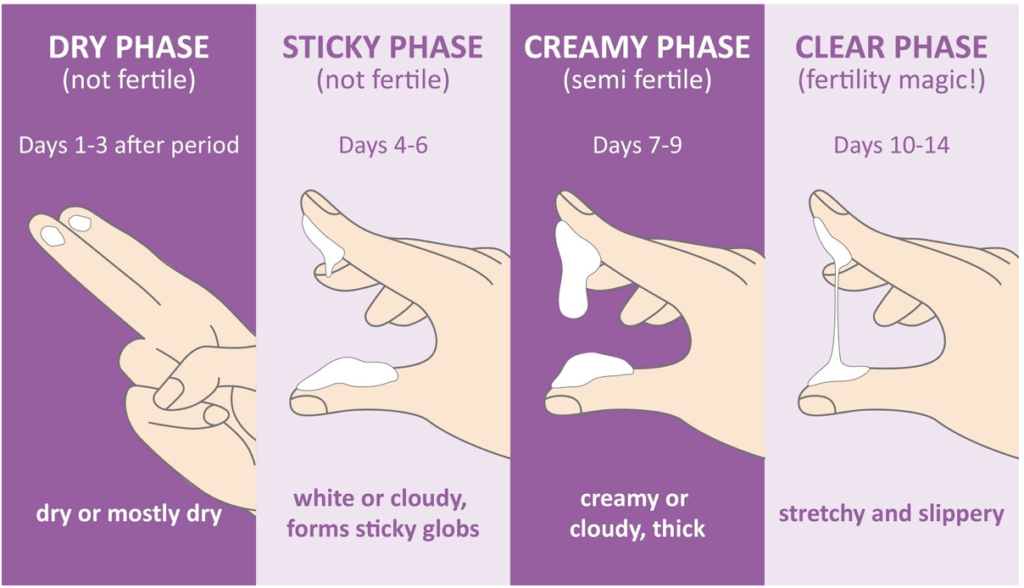
The ideal way to know the right time is through tracking your menstrual cycle. Ovulation happens a fortnight before your next scheduled period. With a period tracker app, you can time your next ovulation. You can also use an ovulation kit and check for cervical mucus. Timing your ovulation increases your chances of getting pregnant. It is advisable to have coitus with your partner before, after, and during ovulation. This is because the eggs and sperm stay in the body for a few days before absorption.
Consider an Egg Donor
Sadly, most women above the age of 45 cannot conceive with their eggs because the quality of eggs is quite low to support a healthy pregnancy. However, that doesn’t mean you can’t carry a child.
A suitable alternative for an over-40 pregnancy is donor eggs. With donor eggs, you can still have a biological child. Your partner’s sperm will fertilize the egg while your blood will nourish the fetus. Moreover, it is an affordable option compared to other fertility treatments.
If you’re planning to have a baby later in life, you should consider the following methods and discuss them with your doctor.
Oocyte Preservation
Also known as egg freezing, oocyte preservation is a medical procedure that preserves a woman’s eggs. Women use this technique to postpone their Pregnancy to a later date. The doctor extracts some eggs from your ovaries and freezes them for later use in an IVF procedure.
The procedure is common in women who are yet to start radiotherapy or chemotherapy and those undergoing Assisted Reproductive Technologies who don’t wish to freeze their embryos. Over and above that, if you’re thinking of a later pregnancy and your family has a history of early menopause, it’s advisable to preserve a few viable eggs.
Intro Vitro Fertilization (IVF)
IVF is a popular assisted reproductive technology (ART) that involves complex steps and procedures to combat infertility and genetic complications. When planning a pregnancy above 40, IVF is a common procedure that doctors recommend.
It involves collecting eggs from your ovaries and fertilizing them with sperm in the lab. As mentioned, IVF also gives you a chance to raise your biological child since you get to use your partner’s sperm and your eggs. After fertilization, the egg(s) are injected into the uterus for implantation. An IVF cycle takes three weeks or longer.
In other cases, you can also have a surrogate carry the baby. This procedure will still involve your eggs and your partner’s sperm. However, the surrogate will take your baby to term. The surrogate option is ideal if you’re experiencing medical problems with your uterus or have a condition that makes Pregnancy a huge risk for you.
Fertility Medications
An inexpensive fertility treatment option is fertility medications. If you have trouble conceiving, your doctor will perform several tests to ascertain the root cause. Some of these tests include ovulation testing, ovarian reserve testing, hysterosalpingography, imaging, and hormone testing.
The treatment you receive depends on the reason for infertility, age, personal preferences, and length of infertility. Fertility drugs invoke ovulation as your body’s hormones would. Sometimes the treatment would trigger ovulation or simulate the ovary to produce a better egg. Notably, since fertility is a complex process, fertility medication requires financial, physical, and psychological commitments.
Intrauterine Insemination (IUI)
IUI is a form of artificial insemination where concentrated sperm is directly inserted into your uterus. The procedure involves using a small catheter and a speculum to place the sperm in your uterus during ovulation.
It is a common method used by women who wish to become pregnant by donor sperm. It’s also a to-go-to procedure for unexplained infertility as the first treatment option.
By the time you hit 40, you have a 5% chance of conceiving during ovulation. Although your fertility declines with age, it is still possible to get pregnant. The only drawback is that it’s harder to conceive naturally in your 40s compared to previous years.
While there are many underlying reasons for this aspect, a significant factor is the deterioration of your egg’s quality which can lead to the onset of genetic abnormalities in the infant. Furthermore, your ovarian reserve dwindles with age. This means by the time you hit 40; you have fewer eggs in store than you did probably 15 years back.
FAQ
What Risks Are Associated With Getting Pregnant After 40?
Generally, women may face pregnancy complications at any age. However, at 40 and above, the likelihood of these complications occurring is more. Besides, getting pregnant may also be an uphill task because of menopause. Menopause is a normal biological process women over 40 go through. An indication of menopause is not having your periods. Some women may think they’re pregnant, but it is a sign their body is no longer ovulating.
Some women experience menopause in their 40s to 50s. Nonetheless, in the United States, the average menopause age is 51. You may beat the odds and get pregnant at this age. However, there are significant risks to it, such as;
Birth Defects
Birth defects in infants can occur with Pregnancy at any age. However, an over 40 pregnancy has a high probability of birth defects for the baby. A liable cause is the genetic abnormalities found in the eggs of mothers above 40. As you age, your eggs become more chromosomally absorbed.
There are many attributions to these abnormalities, such as the stress cumulation in the egg’s DNA strands or reduced levels of normal oocytes. According to the U.S National Birth Defects Prevention Study, women above the age of 40 are highly likely to deliver babies with birth defects that affect the lungs, heart, esophagus, skull, and genitals. The most common birth abnormality in infants is Down Syndrome. The chance of having a baby with down syndrome at age 40 increases to 1/70 compared to age 33, which stands at 1/400.
Preeclampsia
Being pregnant causes various changes in your body. Aside from putting a strain on your heart, it also causes the release of the progesterone hormone that raises your cholesterol and blood levels. This increase potentially leads to the onset of preeclampsia, especially for women with high blood pressure. Moreover, giving birth at age 40 and above raises your risk of preeclampsia by 3.1%.
Preeclampsia, also known as toxemia, manifests symptoms of kidney damage due to high protein levels in urine as well as other signs of organ malfunction. If not treated, preeclampsia can prove to be fatal or lead to severe complications for the baby and mother. Preeclampsia can lead to the development of eclampsia, a condition that causes seizures.
In most cases, as a proactive measure, doctors recommend early delivery of the baby. However, this depends on the condition’s severity and how far along you’re pregnant.
Low Birth Weight
Women above the age of 40 are likely to deliver babies with low birth weights. Infant low birth weight (LBI) refers to a baby born weighing less than 5 pounds, eight ounces. Babies with LBW are smaller with minimal body fat. Also, they have large heads that are disproportionate to their body.
The primary cause of LBW is growth restrictions by the fetus and premature birth (before 37 weeks). Growth restrictions occur if your baby is not getting adequate nutrition to gain weight during Pregnancy. An above-40 -Pregnancy comes with complications that can induce premature delivery of the baby leading to low birth weight. Infants born with low birth weight often spend time in the neonatal intensive care unit before getting discharged from the hospital.
Miscarriages
A woman above the age of 40 runs the risk of miscarriage. This risk increases with age, where 1 in every two pregnancies by women above the age of 45 results in a miscarriage. Fetal abnormalities cause miscarriages during gestation. The abnormalities are mostly genetic, and studies estimate that nearly half of all miscarriages occur due to missing or extra chromosomes.
As a woman ages, her egg quality declines, leading to a high risk of fetal genetic abnormalities. Therefore, the abnormalities are not inherited; rather, they occur during the splitting of cells during Pregnancy.
Still Birth
Going past your due date is risky. Although sometimes it may not be alarming, for women above 40, it could be a sign of stillbirth. After 40 weeks of gestation, the risk of a stillbirth heightens. It is crucial to monitor your baby’s movements and report any incidents to your doctor if you feel your baby moving less.
Large Baby
As an older mom, you pose the risk of having a large baby, a condition known as Macrosomia. This is when you deliver a baby over 4.5 kg or 10lb. Medical practitioners attribute this condition to gestational diabetes, which is prevalent in women above the age of 40.
Gestational Diabetes
Gestational diabetes is a type of diabetes that develops in pregnant women. The conditions affect how your body absorbs sugar (glucose). It tends to cause high blood sugar, complicating your Pregnancy and affecting your baby’s health. Women above 40 have a higher chance of developing gestational diabetes than women between the ages of 20 to 30.
The good news is you can control it. Eating healthy meals, doing light exercises, and taking medication help to regulate sugar levels. Keeping your blood sugar levels in check is ideal to ensure safe delivery and keep your baby healthy.
Gestational Hypertension
As mentioned earlier, being pregnant puts a strain on your organs, including your heart. Older women have a high risk of gestational hypertension, a condition where you develop high blood pressure during Pregnancy. You may confuse it with preeclampsia. Yet, the two are medically different.
Gestational hypertension often arises after 20 weeks of Pregnancy. In most cases, it goes away after delivery, but some women who get diagnosed have a high likelihood of developing chronic hypertension.
Cesarean Delivery
As you age, your uterine muscles become less effective. As a result, an above-40 pregnancy will likely lead to a cesarean delivery. Moreover, your doctor may advise having a cesarean delivery due to the risk of having a large baby.
Ectopic Pregnancy
The risk of an ectopic pregnancy rises with age; hence women over 40 tend to develop this type of Pregnancy. Ectopic Pregnancy refers to the implantation of the fertilized egg in the fallopian tube. In a normal pregnancy, the egg is fertilized in the fallopian tube and is expected to travel down to the uterus for implantation. If an ectopic pregnancy occurs, the embryo needs to be removed since there is less room for growth. In worst cases, the pregnancy could lead to a rapture of the fallopian tubes, which is fatal for the mother. Other symptoms of ectopic pregnancy include sharp abdominal pains and severe uterine bleeding.
Do Abnormal Eggs Ovulate?
As indicated, the quality of your eggs goes down with age. It is not unusual for a sperm to fertilize an egg that is deemed to be abnormal. However, your body can tell that the egg is abnormal, resulting in the embryo not implanting in the uterus.
In the rare case where implantation takes place, a miscarriage may ensue since the embryo will fail to develop.
Final Thoughts
Despite people’s opinion, getting pregnant at 40 and above is possible. There is never a defined time to start your family, so take your time and don’t succumb to the pressure. When you’re ready to have a child at 40, talk to your doctor about the risks and ways to mitigate them in order to achieve a successful pregnancy. All the best!
Your subscription could not be saved. Please try again.
How Quitting Smoking Boosts Fertility and Increases Pregnancy Chances
Smoking has long been associated with various health risks, but did you know that it can also have a significant impact on female fertility? From affecting ovarian function to causing hormonal imbalances, smoking can potentially hinder a woman’s chances of conceiving. In this article, we will explore the science behind smoking and reproductive health, shedding light on the potential connections between smoking and infertility.
The Science Behind Smoking and Reproductive Health
When a woman smokes, the toxic chemicals present in cigarette smoke can travel through her bloodstream and directly affect her reproductive system. This can lead to a range of reproductive health issues, including difficulties in conceiving and an increased risk of miscarriage.
Research has shown that smoking can affect not only the woman’s fertility but also the quality of her eggs, making it harder for fertilization to occur successfully. Moreover, exposure to secondhand smoke can also pose risks to female fertility, making it crucial for nonsmoking women to be aware of their surroundings.
Furthermore, smoking during pregnancy can have detrimental effects on the developing fetus. The chemicals in cigarettes, such as nicotine and carbon monoxide, can restrict the oxygen and nutrients that the baby receives, leading to potential growth issues and an increased risk of premature birth. It is essential for expectant mothers to quit smoking to ensure the best possible outcomes for both themselves and their babies.
Additionally, smoking can impact male reproductive health as well. Men who smoke may experience a decrease in sperm count and motility, reducing the chances of successful fertilization. Furthermore, smoking has been linked to erectile dysfunction, which can further complicate matters for couples trying to conceive. Quitting smoking is not only beneficial for overall health but also plays a significant role in improving fertility and reproductive outcomes for both men and women.
How Smoking Affects Ovarian Function
Smoking has been found to have a negative impact on ovarian function. It can lead to an earlier onset of menopause, causing the ovaries to age more rapidly. This means that women who smoke may experience a decline in their ovarian reserve, the number and quality of the eggs they have available for fertilization.
Additionally, smoking can disrupt the delicate balance of hormones in the body, leading to irregular menstrual cycles and making it more challenging for ovulation to occur. As a result, the chances of getting pregnant naturally decrease significantly.
Furthermore, research has shown that smoking can also increase the risk of developing ovarian cancer. The harmful chemicals in cigarette smoke can damage the DNA in ovarian cells, potentially leading to the formation of cancerous tumors. This risk is further compounded by the fact that smoking weakens the immune system, making it less effective at detecting and fighting off cancerous cells in the body.
Moreover, the impact of smoking on ovarian function extends beyond fertility and cancer risk. Studies have indicated that women who smoke may experience more severe symptoms of conditions such as polycystic ovary syndrome (PCOS) and endometriosis. These gynecological disorders can be exacerbated by the inflammatory effects of smoking, leading to increased pain, irregular bleeding, and potential complications in managing these conditions.
The Impact of Cigarette Chemicals on Egg Quality
Cigarette smoke contains numerous harmful chemicals, such as nicotine and carbon monoxide, which can directly affect the quality of a woman’s eggs. These chemicals can cause oxidative stress and damage the DNA of the eggs, making them less viable for successful fertilization.
Furthermore, the toxins present in cigarette smoke can impair the blood flow to the ovaries, reducing their ability to nourish the developing eggs properly. This can further compromise the quality and maturation of the eggs, diminishing the chances of a healthy pregnancy.
Studies have shown that cigarette smoke can also disrupt the hormonal balance in women, leading to irregular menstrual cycles and ovulation. This hormonal interference can impact the timing of egg release, reducing the window of opportunity for conception.
Moreover, the impact of cigarette chemicals on egg quality is not only limited to natural conception but can also affect the success rates of assisted reproductive technologies, such as in vitro fertilization (IVF). Research indicates that women who smoke may have lower success rates with IVF procedures due to the detrimental effects of cigarette toxins on egg quality.
Smoking and Hormonal Imbalances: What You Need to Know
Smoking cigarettes can disrupt the delicate balance of hormones in a woman’s body. Nicotine, one of the addictive substances found in cigarettes, can interfere with the production and function of hormones crucial for reproductive health.
Specifically, smoking has been shown to increase levels of follicle-stimulating hormone (FSH) and decrease levels of estradiol, a form of estrogen. This hormonal imbalance can disrupt the regular menstrual cycle and impair the normal functioning of the reproductive system, negatively impacting fertility.
Additionally, smoking can also affect the receptivity of the uterus to an embryo, further reducing the chances of successful implantation and pregnancy.
Furthermore, smoking not only affects female hormones but also impacts male reproductive health. Studies have shown that smoking can lead to decreased sperm quality, lower sperm count, and impaired sperm motility. This can significantly reduce the chances of conception and increase the risk of infertility in couples where one or both partners smoke.
It is important to note that the harmful effects of smoking on hormonal balance and reproductive health are not limited to natural conception. Assisted reproductive technologies, such as in vitro fertilization (IVF), may also be less successful in women who smoke due to the negative impact of smoking on egg quality and uterine receptivity.
Secondhand Smoke: Risks for Female Fertility
While the harmful effects of smoking on fertility have primarily been associated with active smokers, it’s essential not to overlook the risks of secondhand smoke. Nonsmoking women who are regularly exposed to secondhand smoke may experience similar reproductive health issues as active smokers.
Studies have indicated that exposure to secondhand smoke can lead to a decrease in ovarian reserve, increased risk of miscarriage, and difficulties in conceiving. Therefore, it’s crucial for nonsmoking women to minimize their exposure to smoke and create a smoke-free environment for optimal reproductive health.
Furthermore, the impact of secondhand smoke on female fertility extends beyond just conception difficulties. Research has shown that exposure to secondhand smoke can also disrupt hormone levels in women, affecting the menstrual cycle and overall reproductive function. This hormonal imbalance caused by secondhand smoke can not only hinder fertility but also lead to other health complications.
Moreover, it’s important to recognize that the effects of secondhand smoke on female fertility are not limited to just the reproductive system. Studies have suggested a potential link between secondhand smoke exposure and an increased risk of developing gynecological conditions such as endometriosis and polycystic ovary syndrome (PCOS). These conditions can further exacerbate fertility issues and have long-term implications on a woman’s reproductive health.
Age, Smoking, and Fertility: Understanding the Connection
As women age, their fertility naturally declines. However, smoking can exacerbate this decline and have an even more significant impact on a woman’s reproductive potential. The combination of smoking and advancing age can lead to a substantial reduction in fertility, making it increasingly challenging to achieve pregnancy.
Research has shown that women who smoke may experience a higher risk of infertility compared to nonsmoking women of the same age. Moreover, even if a smoking woman does conceive, she may face increased risks of complications during pregnancy, such as ectopic pregnancy and preterm delivery.
It is essential to understand the mechanisms through which smoking affects fertility. Smoking can damage the ovaries and eggs, leading to decreased ovarian reserve and quality. This damage can accelerate the natural decline in fertility that occurs with age, making it more difficult for women to conceive as they get older. Additionally, smoking has been linked to hormonal imbalances that can further disrupt the delicate reproductive processes in the female body.
Furthermore, the harmful chemicals in cigarettes, such as nicotine and carbon monoxide, can have a detrimental impact on the developing fetus if a woman smokes during pregnancy. These substances can restrict the flow of oxygen and nutrients to the baby, increasing the risk of growth restrictions and developmental issues. Therefore, quitting smoking is not only beneficial for a woman’s fertility but also crucial for ensuring a healthy pregnancy and the well-being of the unborn child.
Success Stories: Overcoming Infertility After Quitting Smoking
While the effects of smoking on female fertility may seem discouraging, there is hope. Many women have successfully overcome infertility by making the decision to quit smoking.
Quitting smoking can improve the overall health of the reproductive system, enhance the quality of eggs, and restore hormonal balance. By taking this significant step, women can increase their chances of conceiving naturally and experience a healthier pregnancy.
There are various resources and support systems available to assist women in quitting smoking, such as smoking cessation programs, nicotine replacement therapies, and counseling. Seeking professional help and adopting a smoke-free lifestyle can be transformative for both fertility and overall well-being.
It’s important to note that smoking not only affects female fertility but also male fertility. Men who smoke have lower sperm count, decreased sperm motility, and increased DNA damage in sperm, all of which can contribute to infertility. Quitting smoking can improve sperm quality and increase the chances of successful conception.
Furthermore, smoking during pregnancy can have detrimental effects on both the mother and the developing fetus. It increases the risk of pregnancy complications such as miscarriage, preterm birth, low birth weight, and birth defects. By quitting smoking before conception, mothers can significantly reduce these risks and ensure a healthier environment for their baby to grow and develop.
Tips for Women: Reducing Fertility Risks Associated with Smoking
If you are a woman who smokes and are considering starting a family or trying to conceive, taking steps to reduce your fertility risks is crucial.
Here are some tips to help you on your journey:
Quit smoking: The most effective way to minimize the negative impact of smoking on fertility is to quit altogether. Seek professional help and support to increase your chances of success.
Seek medical advice: Consult with a healthcare provider specialized in reproductive health. They can provide personalized guidance and recommend appropriate fertility treatments if needed.
Adopt a healthy lifestyle: Maintain a balanced diet, engage in regular exercise, and manage stress effectively. These lifestyle factors can positively influence fertility and increase your chances of conception.
Minimize exposure to secondhand smoke: Avoid environments where smoking is prevalent, especially during the critical preconception period.
Consider fertility preservation: If you are not yet ready to conceive but plan to in the future, considering fertility preservation options, such as freezing eggs, may be beneficial.
While the journey to overcoming smoking-related fertility risks may present challenges, remember that each step you take brings you closer to a healthier future and the possibility of starting or expanding your family.
Conclusion
Smoking can indeed cause infertility in females. The scientific evidence highlights the detrimental effects of smoking on ovarian function, egg quality, hormonal balance, and overall reproductive health. By understanding these connections and making the decision to quit smoking, women can significantly improve their fertility outcomes and enhance their chances of conceiving naturally. Prioritizing a smoke-free lifestyle and seeking professional support are vital steps towards a healthier reproductive journey.
Your subscription could not be saved. Please try again.
Uncover the truths about Marijuana’s affects on fertility
CBD vs. Marijuana’s Effects on Fertility: A Comprehensive Analysis
As the legalization of marijuana and the popularity of CBD products continue to grow. Many people have questions about CBD Effects on Fertility. In this article, we will dive deep into the differences between CBD and marijuana, and how they impact both male and female fertility. This comprehensive analysis will provide you with valuable insights, allowing you to make informed decisions for your reproductive health.
Understanding CBD and Marijuana
To understand the effects of CBD and marijuana on fertility, it is essential to clarify the differences between them:
What is CBD?
Cannabidiol (CBD) is a non-psychoactive compound found in the Cannabis sativa plant. Unlike THC, the main psychoactive compound in marijuana, CBD does not produce a “high.” CBD is often extracted from hemp plants and used in various products, including oils, tinctures, edibles, and topical creams.
What is Marijuana?
Marijuana, also known as cannabis, is a plant that contains both CBD and THC. The primary difference between marijuana and hemp is the concentration of THC. Marijuana contains higher levels of THC, which is responsible for the psychoactive effects or “high” associated with its use.
Cannabis marijuana leaf closeup dark background. leaves of a marijuana
Effects of CBD on Fertility
Limited current research on CBD’s impact on fertility exists; nevertheless, some studies indicate that it might offer potential benefits:
Potential Benefits for Male Fertility
Reduced Testicular Inflammation: CBD has been shown to possess anti-inflammatory properties, which may help reduce inflammation in the testicles and improve sperm production.
Improved Sperm Quality: Some studies suggest that CBD might enhance sperm quality by reducing oxidative stress and promoting healthy sperm function.
Potential Benefits for Female Fertility
Regulation of the Endocannabinoid System: CBD may interact with the endocannabinoid system. Which plays a critical role in female fertility by regulating ovulation and embryo implantation.
Despite the potential benefits, researchers need to conduct further studies to fully understand the impact of CBD on fertility.
Effects of Marijuana on Fertility
In contrast to CBD, marijuana’s effects on fertility have been more extensively studied, with several concerns identified:
Negative Effects on Male Fertility
Reduced Sperm Count and Motility: Marijuana use has been linked to lower sperm count and decreased sperm motility, which can hinder conception.
Altered Sperm Morphology: Studies have found that marijuana users may have a higher percentage of abnormal sperm, further reducing the chances of fertilization.
Negative Effects on Female Fertility
Disruption of Ovulation: THC can interfere with the menstrual cycle and disrupt ovulation, making it difficult for women to conceive.
Impaired Implantation: Marijuana use may negatively affect the endocannabinoid system, which is crucial for successful embryo implantation.
Comparing CBD and Marijuana on Fertility
Now that we have explored the individual effects of CBD and marijuana on fertility, let’s compare their impact:
CBD vs. Marijuana: Male Fertility
While CBD may potentially benefit male fertility by reducing testicular inflammation and improving sperm quality. It is worth noting that marijuana has links to detrimental effects, such as reducing sperm count, motility, and causing abnormal morphology. As a result, men trying to conceive should be cautious about using marijuana, while CBD may be a safer alternative.
CBD vs. Marijuana: Female Fertility
Similarly, for women, CBD may have a more favorable impact on fertility than marijuana. CBD’s interaction with the endocannabinoid system could potentially support fertility. Marijuana’s high THC content can disrupt ovulation and impair implantation. Consequently, women trying to conceive should avoid marijuana and consider CBD as an alternative, if necessary.
Recommendations for Couples Trying to Conceive
Considering the potential risks and benefits associated with CBD and marijuana use, here are some recommendations for couples attempting to conceive:
Avoid Marijuana Use: Due to the negative impact of marijuana on both male and female fertility, it is best to abstain from using it while trying to conceive.
Consult a Healthcare Professional: Before using CBD or any other supplement, it is essential to consult a healthcare professional who can provide personalized advice based on your unique circumstances.
Focus on a Healthy Lifestyle: Maintain a balanced diet, exercise regularly, and manage stress to optimize your overall health and improve your chances of conception.
Conclusion
In summary, the effects of CBD and marijuana on fertility differ significantly. CBD may offer some benefits, while using marijuana is linked to negative consequences. Couples trying to conceive should avoid marijuana and consult a healthcare professional before using CBD or any other supplements. By prioritizing a healthy lifestyle and making informed decisions, you can optimize your fertility and increase your chances of starting or expanding your family.
Your subscription could not be saved. Please try again.
In today’s society, women have more choices than ever before when it comes to starting a family. With advancements in reproductive technology and changing societal norms, the question of whether women can have children at any age has become a hot topic of discussion. In this article, we will explore the various factors that influence female fertility, the science behind reproduction, the risks and complications associated with late pregnancy, and the available fertility treatments and assisted reproduction options. Additionally, we will delve into the social and psychological aspects of late motherhood. So, let’s dive in and explore the world of female fertility!
Understanding Female Fertility
Female fertility is a complex and fascinating subject. While women are born with all the eggs they will ever have, the quality and quantity of those eggs change as they age. This is where the concept of the “biological clock” comes into play. But is it fact or fiction?
The Biological Clock: Fact or Fiction?
It is true that women are most fertile in their twenties and early thirties. During this time, the chances of conceiving without medical intervention are higher, and the risk of certain pregnancy complications is lower. However, the idea that all women experience a sudden decline in fertility once they reach a certain age is not entirely accurate.
While it is true that fertility gradually declines as women get older, some women may still be able to conceive naturally well into their forties. Factors such as overall health, lifestyle choices, and genetics can play a role in determining individual fertility levels.
How Age Affects Fertility
As women age, the quality and quantity of their eggs tend to decline. This decrease in egg quality can lead to a higher risk of chromosomal abnormalities, which can result in miscarriages or certain genetic disorders. Additionally, the chances of experiencing difficulties in conception, such as infertility or subfertility, increase with age.
Age also affects other aspects of reproductive health. For example, the risk of developing certain pregnancy-related complications, such as gestational diabetes, preeclampsia, or placenta previa, is higher in older mothers. Therefore, while women may still be able to have children later in life, it is essential to be aware of these potential risks.
Common Misconceptions About Female Fertility
There are several common misconceptions surrounding female fertility. One of the most prevalent misconceptions is that women can easily conceive naturally at any age. While some women may indeed have success in getting pregnant later in life, it is not a guarantee for everyone.
Another misconception is that fertility treatments can solve all fertility issues. While fertility treatments like in vitro fertilization (IVF) have helped many women achieve their dream of motherhood, they are not a guaranteed solution for everyone. It is crucial to consult with a fertility specialist to determine the best course of action.
Furthermore, it is important to recognize that fertility is not solely a female issue. Male fertility also plays a significant role in the conception process. Sperm quality and quantity can also decline with age, affecting the chances of successful fertilization. Therefore, when considering fertility, it is essential for both partners to undergo evaluation and testing to ensure a comprehensive understanding of the situation.
Additionally, it is worth noting that fertility is not solely determined by age. Various lifestyle factors can impact fertility, such as smoking, excessive alcohol consumption, poor diet, and high levels of stress. Making healthy lifestyle choices and maintaining overall well-being can positively influence fertility outcomes.
The Science Behind Reproduction
Before we delve deeper into the various aspects of female fertility, let us first understand the science behind reproduction and how it works.
Reproduction is a complex process that involves the fusion of male and female gametes to create a new life. In humans, this process begins with the release of an egg from a woman’s ovaries, which then travels through the fallopian tube, awaiting fertilization by sperm. If fertilization occurs, the egg implants itself in the uterus, leading to pregnancy.
The Role of Eggs in Reproduction
Eggs play a crucial role in reproductive health. Each month, a woman releases an egg from her ovaries during ovulation. If the egg is fertilized by sperm during this time, pregnancy occurs. However, if the egg remains unfertilized, it is shed along with the lining of the uterus during menstruation.
Understanding the journey of an egg from its release to potential fertilization provides insight into the intricate processes that govern human reproduction. The egg, also known as an ovum, is a single, large cell that carries half of the genetic material needed to create a new individual. This genetic material combines with that of the sperm to form a zygote, marking the beginning of a new life.
The Impact of Age on Egg Quality and Quantity
Age has a significant impact on both egg quality and quantity. As women age, the number of eggs decreases due to the natural aging process, known as ovarian reserve decline. Additionally, the remaining eggs may have more genetic abnormalities, making conception more difficult.
Furthermore, the chances of having a baby with certain genetic disorders, such as Down syndrome, increase with maternal age. This is because the quality of the eggs declines, making them more prone to chromosomal abnormalities.
It is essential for individuals to be aware of the effects of age on fertility and reproductive health, as it can influence the success of conception and pregnancy. Seeking medical advice and support can help navigate these challenges and explore options for assisted reproductive technologies if needed.
Risks and Complications Associated with Late Pregnancy
While many women successfully navigate pregnancy later in life, it is essential to be aware of the potential risks and complications that may arise.
Advanced maternal age, typically defined as age 35 and older, can bring about unique challenges and considerations for expectant mothers. Beyond the joy of pregnancy, older mothers may face increased health risks for themselves and their babies.
Health Risks for Older Mothers
As women age, they may be at a higher risk of developing certain health conditions during pregnancy. These conditions can include gestational diabetes, preeclampsia, placenta previa, and high blood pressure. It is essential for older mothers to receive proper prenatal care and monitoring to mitigate these risks.
Furthermore, older mothers may also encounter challenges related to fertility and conception. The likelihood of experiencing fertility issues, such as difficulty conceiving or an increased risk of miscarriage, tends to rise with age. Seeking assistance from fertility specialists or reproductive endocrinologists may be necessary for older women trying to conceive.
Risks for the Baby
Advanced maternal age is associated with an increased risk of certain birth defects and genetic disorders in babies. Additionally, the risk of stillbirth and low birth weight may also be higher for older mothers. Regular screenings and medical evaluations can help identify and manage these risks.
It is crucial for older mothers to maintain open communication with their healthcare providers throughout the pregnancy journey. By staying informed and proactive, women can take steps to safeguard their health and the well-being of their babies, ensuring a smoother and healthier pregnancy experience.
Fertility Treatments and Assisted Reproduction
For women facing fertility challenges, there are several fertility treatments and assisted reproduction options available. These advancements in medical technology have provided hope and solutions for individuals and couples struggling to conceive.
Understanding the various options can empower individuals to make informed decisions about their reproductive health, leading to more personalized and effective treatment plans.
In Vitro Fertilization (IVF)
IVF is a widely known assisted reproduction technique that involves fertilizing an egg with sperm in a laboratory setting. The resulting embryos are then transferred into the woman’s uterus. IVF has helped many couples overcome fertility issues and fulfill their dream of having a child. This complex procedure requires careful monitoring and coordination between medical professionals and patients to optimize the chances of a successful pregnancy.
Furthermore, the emotional journey of undergoing IVF can be both challenging and rewarding, as individuals navigate the physical and psychological aspects of fertility treatment.
Egg Freezing and Donation
Egg freezing allows women to preserve their fertility by retrieving and freezing their eggs for future use. This is particularly beneficial for women who may want to delay childbearing for various personal or medical reasons. Additionally, egg donation provides an alternative option for women who may not have viable eggs but still desire to experience pregnancy and childbirth.
Both egg freezing and donation have opened up new possibilities for individuals to take control of their reproductive futures, offering flexibility and choice in family planning.
The Social and Psychological Aspects of Late Motherhood
Late motherhood can bring about unique challenges and experiences that differ from becoming a mother at a younger age. Let’s delve deeper into the social and psychological aspects of this journey.
The Stigma Around Older Mothers
Despite progress in gender equality and reproductive choices, there is still a lingering stigma surrounding older mothers. Society, at times, may judge women who decide to have children later in life. However, it is important to remember that motherhood is a personal choice, and women should feel empowered to make decisions that align with their desires and circumstances.
One reason for the stigma may be the perception that older mothers may not have the same energy levels as younger mothers. However, it is essential to recognize that energy levels vary among individuals, regardless of age. Many older mothers are vibrant, active, and fully capable of providing a loving and nurturing environment for their children.
The Benefits of Having Children Later in Life
While there are risks associated with late motherhood, there are also several potential benefits. Older mothers may have more life experience, financial stability, and emotional maturity, which can positively impact their parenting. These factors can contribute to a nurturing and stable environment for the child.
Furthermore, older mothers often have established careers and financial stability, which can provide a solid foundation for their child’s future. They may have had the opportunity to travel, pursue personal goals, and gain a broader perspective on life, which can enrich their parenting style and the experiences they share with their children.
It is important to note that late motherhood can also have its challenges. Women may face increased health risks during pregnancy, and the process of conception may require additional medical interventions. However, with advancements in reproductive technology and increased awareness of fertility preservation options, the scope of possibilities for women who wish to become mothers later in life has widened.
Understanding the biological and social aspects of female fertility is vital for women and couples as they navigate their reproductive journeys. Remember, every individual’s fertility journey is unique, and it is essential to seek guidance from medical professionals and make choices that align with personal circumstances and desires.
Your subscription could not be saved. Please try again.
Polycystic ovary syndrome (PCOS) is a common endocrine disorder that affects many women of reproductive age. It is characterized by hormonal imbalances and symptoms such as irregular periods, excessive hair growth, and acne. Diagnosing PCOS can be complex, as its symptoms can vary widely among individuals. In this article, we will explore the various methods used to diagnose PCOS and the importance of a comprehensive medical history in determining the condition.
Understanding the Symptoms of PCOS
PCOS presents with a range of symptoms that can differ from person to person. Some of the most common signs of PCOS include irregular menstrual cycles, excess hair growth (hirsutism), acne, and weight gain. Additionally, women with PCOS may experience difficulty getting pregnant due to irregular ovulation or absence of ovulation altogether. Identifying these symptoms is the first step in diagnosing PCOS.
It is important to note that PCOS is a complex endocrine disorder that not only affects reproductive health but also has metabolic implications. Women with PCOS are at an increased risk of developing type 2 diabetes, high blood pressure, and high cholesterol levels. These metabolic disturbances are often linked to insulin resistance, a common feature of PCOS. Therefore, managing PCOS goes beyond addressing the visible symptoms and requires a holistic approach that includes lifestyle modifications, such as a balanced diet and regular exercise, to reduce the risk of long-term health complications.
Furthermore, the psychological impact of PCOS should not be overlooked. Many women with PCOS experience emotional challenges such as anxiety, depression, and poor self-esteem due to the visible symptoms of the condition. Seeking support from healthcare professionals, mental health providers, and support groups can play a crucial role in managing the emotional well-being of individuals with PCOS. By addressing the physical, metabolic, and emotional aspects of PCOS, individuals can work towards improving their overall quality of life and well-being.
The Role of Hormonal Imbalances in PCOS Diagnosis
Hormonal imbalances play a crucial role in PCOS and can help healthcare providers in making a diagnosis. The two primary hormones affected in PCOS are insulin and androgens. Insulin resistance, which is common in PCOS, leads to higher insulin levels in the blood. Androgens, such as testosterone, can also be elevated in women with PCOS.
Furthermore, another hormone that is often impacted in PCOS is luteinizing hormone (LH). In women with PCOS, there is an imbalance in the ratio of LH to follicle-stimulating hormone (FSH), with LH levels being higher. This hormonal imbalance can contribute to the characteristic symptoms of PCOS, such as irregular menstrual cycles and ovarian cysts.
It is important to note that hormonal imbalances in PCOS can vary from one individual to another. Some women may have elevated levels of all three hormones – insulin, androgens, and LH, while others may only have abnormalities in one or two of these hormones. Understanding the specific hormonal profile of each patient is essential for accurate diagnosis and personalized treatment of PCOS.
Key Tests and Procedures for Diagnosing PCOS
To diagnose PCOS, healthcare providers may conduct various tests and procedures. These include:
Blood tests: Measuring hormone levels, including testosterone, estrogen, prolactin, and thyroid hormones.
Pelvic ultrasound: Assessing the ovaries for the presence of multiple cysts. However, it’s worth noting that not all women with PCOS have visible cysts on ultrasound.
Physical examination: Evaluating symptoms such as excessive hair growth and acne.
Furthermore, in some cases, healthcare providers may also recommend additional tests to rule out other conditions that may present with similar symptoms to PCOS. These tests may include:
Glucose tolerance test: This test helps assess how your body processes sugar and can help identify insulin resistance, which is common in women with PCOS.
Lipid profile: Checking your cholesterol levels can provide insights into your risk of heart disease, as women with PCOS are at a higher risk of developing cardiovascular issues.
It’s important to note that the diagnosis of PCOS is not solely based on one test result but rather a combination of clinical symptoms, physical examination findings, and test results. Healthcare providers take a comprehensive approach to ensure an accurate diagnosis and appropriate management plan tailored to each individual’s unique needs.
In addition to gathering information about menstrual cycles and symptoms, healthcare providers may also inquire about lifestyle factors such as diet, exercise habits, and stress levels. These factors can play a significant role in the development and management of PCOS. For example, a high-sugar diet and sedentary lifestyle can exacerbate symptoms of insulin resistance, a common feature of PCOS.Furthermore, a detailed medical history can provide valuable insights into the potential underlying causes of PCOS. For instance, a history of irregular menstrual cycles or hormonal imbalances may indicate disruptions in the endocrine system, which can contribute to the development of PCOS. By understanding the patient’s medical background comprehensively, healthcare providers can tailor treatment plans to address the specific needs and concerns of individuals with PCOS.
Differentiating PCOS from Other Conditions
PCOS shares similarities with other conditions such as thyroid disorders and adrenal gland abnormalities. To differentiate PCOS from these conditions, additional tests, such as thyroid function tests and adrenal hormone testing, may be necessary. This is why a comprehensive approach is essential in diagnosing PCOS accurately.
Thyroid disorders, including hypothyroidism and hyperthyroidism, can present with symptoms that overlap with those of PCOS, such as irregular menstrual cycles and weight gain. However, thyroid function tests can help in ruling out or confirming the presence of thyroid abnormalities. Similarly, adrenal gland abnormalities, such as Cushing’s syndrome or adrenal hyperplasia, can manifest with symptoms like hirsutism and acne, which are also common in PCOS. Adrenal hormone testing, including cortisol levels and adrenal imaging studies, can aid in differentiating between PCOS and adrenal disorders.
Moreover, it is crucial to consider the impact of lifestyle factors, such as diet and exercise, in the diagnosis of PCOS. Women with PCOS often have insulin resistance, which can be exacerbated by poor dietary choices and sedentary habits. Therefore, assessing insulin levels and recommending lifestyle modifications, including a balanced diet and regular physical activity, are integral components of managing PCOS effectively. By addressing these multifaceted aspects, healthcare providers can offer personalized treatment plans tailored to the individual needs of patients with PCOS.
The Impact of Lifestyle Factors on Diagnosis
Lifestyle factors, such as diet and exercise, can significantly impact the symptoms of Polycystic Ovary Syndrome (PCOS). PCOS is a common hormonal disorder that affects reproductive-age women, characterized by irregular periods, high levels of male hormones (androgens), and cysts in the ovaries. Research has shown that lifestyle modifications play a crucial role in the management of PCOS symptoms.
Weight gain and insulin resistance are closely linked to PCOS. Excess weight can exacerbate hormonal imbalances and insulin resistance, leading to increased production of androgens. This can further disrupt ovulation and contribute to the development of cysts in the ovaries. By adopting a balanced diet and engaging in regular physical activity, individuals with PCOS can improve insulin sensitivity, regulate hormone levels, and potentially restore ovulation.
Interpreting Lab Results: What They Mean for PCOS
After conducting various tests and procedures, healthcare providers will interpret the lab results to reach a PCOS diagnosis. Elevated levels of androgens, such as testosterone, along with irregular menstrual cycles and visible cysts on ultrasound, are strong indicators of PCOS. However, it’s important to remember that the diagnosis of PCOS is made based on a combination of symptoms, physical examination findings, and lab results.
Diagnosing PCOS can be complex, but with a thorough investigation of symptoms, hormone levels, and medical history, healthcare providers can accurately identify this common condition. If you suspect you may have PCOS, it is essential to consult with a healthcare professional who can guide you through the diagnostic process and provide proper treatment options.
When interpreting lab results for PCOS, healthcare providers pay close attention to the levels of other hormones besides androgens, such as insulin and thyroid hormones. Imbalances in these hormones can also contribute to the symptoms of PCOS, including weight gain, irregular periods, and difficulty conceiving. Understanding the interplay of these different hormones is crucial in developing a comprehensive treatment plan tailored to each individual’s needs.
Furthermore, in addition to blood tests and ultrasounds, healthcare providers may recommend additional imaging studies or specialized tests to rule out other conditions that can mimic PCOS symptoms. These may include adrenal or ovarian tumors, thyroid disorders, or rare genetic conditions. By conducting a thorough and systematic evaluation, healthcare professionals can ensure an accurate diagnosis and provide appropriate management strategies for individuals with PCOS.
Your subscription could not be saved. Please try again.