Currently Viewing Posts Tagged fertility

How can I improve my chance to get pregnant naturally?

How can I improve my chance to get pregnant naturally

Trying to conceive can be an exciting and emotional journey for couples. For those who are hoping to get pregnant naturally, understanding your menstrual cycle is a crucial first step. By familiarizing yourself with the different phases of your cycle, you can maximize your chances of conceiving.

Getting pregnant naturally

Understanding Your Menstrual Cycle

Every woman’s menstrual cycle is unique, but on average, it lasts about 28 days. The menstrual cycle consists of four main phases: menstruation, the follicular phase, ovulation, and the luteal phase. During menstruation, the lining of the uterus sheds, resulting in bleeding that usually lasts for several days. Following menstruation, the follicular phase begins, during which an egg in the ovary starts to mature.

Mid-cycle, ovulation occurs when the egg is released from the ovary. This is the most fertile time of the menstrual cycle, as the egg can be fertilized by sperm within 12-24 hours of being released. Finally, during the luteal phase, the uterine lining thickens in preparation for potential implantation of a fertilized egg. If implantation does not occur, the cycle starts anew with menstruation.

It’s important to note that various factors can influence the length and regularity of a woman’s menstrual cycle. Stress, diet, exercise, and underlying health conditions can all play a role in affecting the timing of ovulation and the overall duration of the cycle. Keeping track of your menstrual cycle through methods such as charting basal body temperature or using ovulation predictor kits can help you better understand your unique patterns and increase your chances of conception if you are trying to get pregnant.

Additionally, hormonal birth control methods, such as the pill or intrauterine devices, work by manipulating hormone levels to prevent ovulation and alter the uterine lining, thereby affecting the menstrual cycle. These methods can be helpful for women looking to regulate their cycles, manage symptoms like heavy bleeding or cramping, or prevent pregnancy. It’s essential to consult with a healthcare provider to determine the most suitable birth control option based on individual health needs and preferences.

The Role of Nutrition in Fertility

Eating a well-balanced diet is not only crucial for maintaining overall health but also plays a significant role in fertility. When it comes to conception, the importance of nutrition cannot be overstated. A diet that is rich in essential nutrients can have a positive impact on reproductive health and increase the likelihood of successful conception.

One key aspect of nutrition in fertility is maintaining a healthy weight. Both being underweight and overweight can have adverse effects on fertility. For example, excess body fat can disrupt hormone levels and menstrual cycles, while being underweight can lead to irregular ovulation. Therefore, achieving and maintaining a healthy weight through a balanced diet and regular exercise is essential for optimizing fertility.

Foods rich in antioxidants, such as colorful fruits and vegetables, are particularly beneficial for reproductive health. Antioxidants help protect the eggs and sperm from oxidative stress caused by free radicals, thus preserving their quality and viability. In addition, omega-3 fatty acids, abundant in fatty fish like salmon and sardines, play a crucial role in hormone regulation and can improve egg quality. Furthermore, folic acid, a B vitamin found in leafy greens and fortified grains, is essential for preventing neural tube defects in the developing fetus. By incorporating a diverse range of nutrient-dense foods into your diet, you can support your reproductive system and enhance your chances of conceiving naturally.

Lifestyle Changes to Boost Reproductive Health

Aside from nutrition, certain lifestyle factors can also impact fertility. Making positive changes in these areas can help improve your chances of conceiving naturally. Smoking, for example, has been shown to decrease fertility in both men and women. Quitting smoking is not only important for overall health but can also greatly improve reproductive outcomes.

Reducing alcohol consumption is also advisable, as excessive alcohol can disrupt hormone levels and interfere with ovulation. It’s also important to limit caffeine intake, as high levels of caffeine have been associated with decreased fertility. Finally, avoiding exposure to environmental toxins, such as certain chemicals or radiation, can help safeguard your reproductive health.

Engaging in regular physical activity is another key lifestyle factor that can positively impact reproductive health. Exercise helps maintain a healthy weight, which is important for fertility. However, it’s essential to strike a balance, as excessive exercise can actually have a negative effect on fertility by disrupting hormone levels. Aim for moderate and consistent physical activity to support your reproductive goals.

Additionally, managing stress levels is crucial for optimizing fertility. High levels of stress can interfere with hormone production and menstrual cycles, affecting ovulation and overall reproductive health. Incorporating stress-reducing practices such as mindfulness, yoga, or meditation into your daily routine can help support a healthy reproductive system. Prioritizing self-care and relaxation can make a significant difference in your fertility journey.

The Importance of Regular Exercise

Incorporating regular exercise into your routine can have a positive impact on fertility. Exercise can help regulate hormone levels, improve blood flow to reproductive organs, and reduce stress, all of which can increase your chances of getting pregnant naturally. However, it’s important to strike a balance, as excessive exercise or intense training can negatively impact fertility. Aim for moderate exercise, such as brisk walking, swimming, or yoga, for optimal reproductive health.

Moreover, engaging in regular physical activity not only benefits your reproductive system but also plays a crucial role in maintaining overall health and well-being. Exercise is known to boost cardiovascular health, strengthen muscles and bones, and improve mental health by releasing endorphins, the “feel-good” hormones. By incorporating a variety of exercises into your routine, you can enhance your physical fitness levels and reduce the risk of chronic diseases such as heart disease, diabetes, and obesity.

When it comes to fertility, the positive effects of exercise extend beyond just physical health. Regular exercise can also help improve your sleep quality, enhance your mood, and boost your self-esteem, all of which are important factors in promoting a healthy reproductive system. Additionally, participating in group exercise classes or outdoor activities can provide social benefits by connecting you with like-minded individuals, creating a support system that can further contribute to your overall well-being and fertility journey.

Stress Management Techniques for Couples

Stress can be a significant factor that impacts fertility. High levels of stress can disrupt hormone levels and interfere with ovulation and implantation. While trying to conceive, it’s crucial to implement effective stress management techniques to promote overall well-being and maximize your chances of conceiving naturally.

Explore different stress reduction techniques, such as meditation, deep breathing exercises, or engaging in activities you enjoy. Couples may also find it helpful to communicate openly about their feelings and concerns, seek support from friends and family, or even consider professional counseling to cope with the emotional toll of fertility challenges.

Moreover, incorporating regular physical activity into your routine can also be beneficial in managing stress levels. Exercise not only helps release endorphins, the body’s natural stress relievers, but it also improves blood circulation, which can positively impact reproductive health. Whether it’s going for a brisk walk together, practicing yoga, or hitting the gym, finding an exercise regimen that suits both partners can strengthen the bond between you and provide a healthy outlet for stress.

Additionally, maintaining a balanced and nutritious diet plays a crucial role in stress management and fertility. Consuming foods rich in antioxidants, vitamins, and minerals can help combat the negative effects of stress on the body and support reproductive function. Consider incorporating more leafy greens, fruits, lean proteins, and whole grains into your meals to nourish your bodies and enhance your fertility journey. Remember, a holistic approach to stress management, encompassing physical, emotional, and nutritional aspects, can significantly improve your overall well-being and fertility outcomes.

Natural Supplements That May Enhance Fertility

In addition to a healthy diet and lifestyle, certain natural supplements may have potential benefits for fertility. However, it’s important to consult with a healthcare professional before starting any new supplements to ensure they are safe and appropriate for you.

Some supplements that may enhance fertility include folic acid, vitamin D, omega-3 fatty acids, and Coenzyme Q10. These supplements can support reproductive health and overall fertility, but they are not a substitute for a healthy lifestyle and medical advice.

Folic acid, also known as folate, is a B vitamin that is crucial for cell division and growth. It plays a vital role in preventing neural tube defects in developing fetuses. Vitamin D, often referred to as the “sunshine vitamin,” is essential for hormone regulation and may help improve fertility by supporting reproductive hormone levels. Omega-3 fatty acids, found in fish oil and flaxseed, have anti-inflammatory properties that can help reduce inflammation in the body, potentially benefiting fertility.

Coenzyme Q10, a powerful antioxidant produced by the body, plays a key role in energy production within cells. It has been suggested that Coenzyme Q10 supplementation may improve egg quality in women and sperm quality in men, thus enhancing fertility. While these natural supplements show promise in supporting fertility, individual results may vary, and it’s crucial to seek guidance from a healthcare provider to determine the most suitable options for your specific needs.

Timing Intercourse for Optimal Chances

Understanding the timing of intercourse is crucial when trying to get pregnant naturally. As mentioned earlier, ovulation is the most fertile time of the menstrual cycle. To increase your chances of conceiving, having intercourse every 1-2 days during your fertile window is recommended.

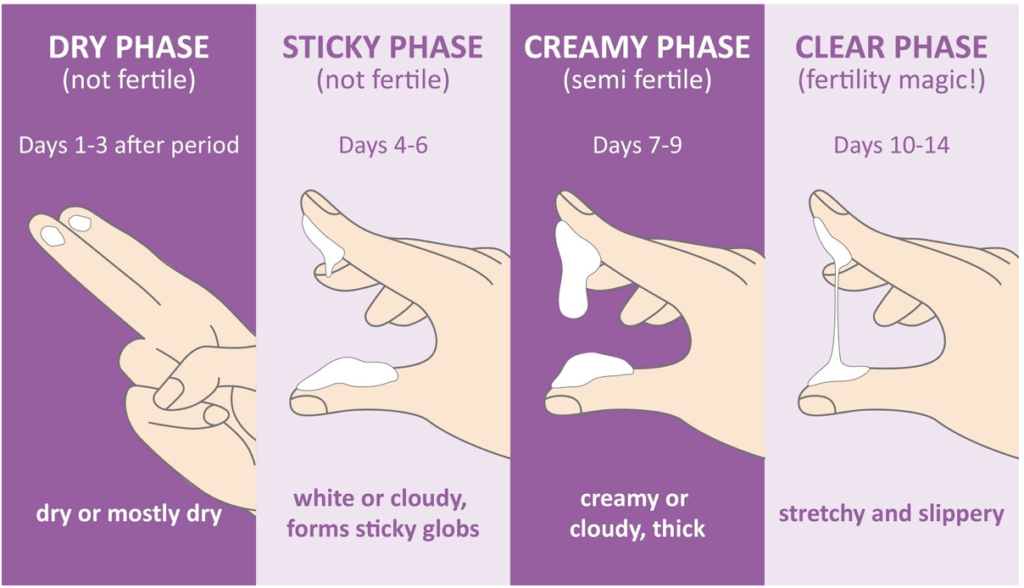
There are several methods to determine when you are ovulating, such as tracking your basal body temperature, monitoring changes in cervical mucus, or using ovulation predictor kits. These methods can help you identify your fertile days and time intercourse accordingly, increasing the likelihood of successful conception.

Common Myths About Natural Conception

When it comes to conception, there are numerous myths and misconceptions that can lead to unnecessary stress or disappointment. It’s essential to separate fact from fiction to better understand your fertility journey.

One common myth is that a woman can only get pregnant on her ovulation day. In reality, sperm can survive for several days inside the female reproductive system, so having intercourse in the days leading up to ovulation can still result in pregnancy. Additionally, age can also impact fertility, with a gradual decline in fertility occurring as a woman gets older.

By staying informed and aware of these myths, you can navigate your fertility journey with realistic expectations and take appropriate steps to improve your chances of getting pregnant naturally.

Improving your chances of getting pregnant naturally involves a multifaceted approach that includes understanding your menstrual cycle, making healthy lifestyle choices, managing stress, and utilizing various tools, such as supplements or fertility awareness methods. By taking these steps, you can optimize your reproductive health and increase your chances of conceiving a baby naturally.

Your subscription could not be saved. Please try again.
Your subscription has been successful.

Stay Informed

Subscribe to our newsletter to receive treatment updates

How likely is it to get pregnant with PCOS?

How likely is it to get pregnant with PCOS?

An Introduction to Polycystic ovary syndrome

While probability of childbirth is similar between groups, women with PCOS need longer time to get pregnant.  Earlier diagnosis and intervention can shorten the time to get pregnant with PCOS and improve the chances for live birth. You need to educate yourself and seek care from fertility specialists. It is also important that you start as early as possible. Let’s take a deeper look at the introduction to PCOS.

Getting pregnant with PCOS, but what is it?

PCOS, as the name implies, is a syndrome, a collection of symptoms. These symptoms vary between individuals.  Your reproductive endocrinologist specialist (REI) will conduct a thorough health history review and order hormone analysis that can help with a diagnosis.  

The three features of PCOS are:

  1. High levels of “male” sex hormones, such as testosterone
  2. A large number of immature ovarian follicles (fluid-filled sacs that develop and release eggs)
  3. Irregular menstrual cycles (typically less than 10 per year)

If you have two out of three, yes you do have PCOS. Later we will explain how to find out.

How likely is it to get pregnant with PCOS

How many people suffer from PCOS?

Millions. 1 in 10 women. Moreover, 70% of people with PCOS are either misdiagnosed or undiagnosed. So you may suspect you have PCOS, but still not know for sure. Get checked.

What causes PCOS?

Although we do not currently know the exact underlying cause of PCOS, we think it is due to abnormal hormone secretion in the brain along with abnormal insulin sensitivity in the muscles, and here is how it works:

1. Your cells are not responding normally to insulin which leads to its high levels of insulin. It’s called insulin resistance. Insulin controls how food is changed into energy. As a result of resistance, your insulin blood levels become higher.

2. Insulin resistance can also lead to high levels of androgens (male hormones) can prevent the ovaries from releasing an egg during each menstrual cycle, also causing extra hair growth and acne.

Chances of Getting Pregnant with PCOS

Polycystic Ovary Syndrome (PCOS) is a common condition that affects a woman’s hormone levels, menstrual cycle, and ability to conceive. Many women with PCOS wonder about their chances of getting pregnant. Let’s take a closer look at the factors that can impact fertility in women with PCOS.

Factors Affecting Fertility in Women with PCOS

There are several factors that can affect the chances of getting pregnant with PCOS:

  • Irregular menstrual cycles: Women with PCOS often have irregular periods, which can make it difficult to predict ovulation and conceive.
  • Insulin resistance: Many women with PCOS have insulin resistance, which can lead to high levels of insulin in the body. This can disrupt the normal balance of reproductive hormones and affect fertility.
  • High levels of androgens: Women with PCOS may have higher than normal levels of androgens, which can interfere with the development and release of eggs from the ovaries.

Improving Fertility with PCOS

While getting pregnant with PCOS may present some challenges, there are steps that women can take to improve their chances of conceiving:

  • Healthy lifestyle: Maintaining a healthy weight, eating a balanced diet, and getting regular exercise can help improve fertility in women with PCOS.
  • Medication: Fertility medications such as clomiphene citrate or letrozole may be prescribed to help induce ovulation in women with PCOS.
  • Assisted reproductive technologies: In some cases, procedures such as in vitro fertilization (IVF) may be recommended to help women with PCOS conceive.

PCOS and Pregnancy Rate

Women with Polycystic Ovary Syndrome (PCOS) often face challenges when trying to conceive. However, it is important to note that pregnancy is still possible for women with PCOS, and there are various factors that can influence the pregnancy rate.

Effect of Weight

One of the key factors that can impact the pregnancy rate for women with PCOS is weight. Research has shown that 5-10% of body weight loss can significantly improve the chances of conceiving for women with PCOS. This is because excess weight can disrupt hormone levels and ovulation, making it harder to get pregnant.

It is important for women with PCOS to maintain a healthy weight through a balanced diet and regular exercise to improve their chances of conceiving.

Role of Hormonal Imbalance

Another factor that can affect the pregnancy rate for women with PCOS is hormonal imbalance. Women with PCOS often have higher levels of androgens, which can interfere with the regularity of their menstrual cycles and ovulation. This can make it more difficult to get pregnant.

Managing hormonal imbalance through medication and lifestyle changes can help regulate menstrual cycles and improve the chances of conceiving for women with PCOS.

How do I know I have PCOS?

Help us to help you:

  1. Track your menstrual cycles. How frequently they occur and how long they last ( and how painful or heavy they are). Report if your cycles are greater than 45 days apart or less than 10 per year
  2. Complete the work up recommended by your REI: get bloodwork done or order home test kits to check certain hormone levels
  3. Confirm polycystic ovaries using an ultrasound

Remember! PCOS is a spectrum and will have variable presentation and symptoms. The diagnosis is made when two of the three criteria are present.

Chances of Getting Pregnant with PCOS Naturally

Many women with Polycystic Ovary Syndrome (PCOS) wonder about their chances of getting pregnant without medical intervention. While PCOS can make it more difficult to conceive, it is still possible to get pregnant naturally with PCOS.

Understanding PCOS and Fertility

PCOS is a hormonal disorder that can cause irregular periods, high levels of androgens (male hormones), and cysts on the ovaries. These factors can make it harder for women with PCOS to ovulate regularly, which can affect their fertility and introduce fertility problems.

However, it’s important to note that not all women with PCOS have difficulty getting pregnant. Some women with PCOS are able to conceive without any issues, while others may need medical assistance.

PCOS and Pregnancy Success Rate Naturally

Many women with Polycystic Ovary Syndrome (PCOS) struggle with infertility, but there are natural methods that can help improve the chances of getting pregnant.

Healthy Diet and Exercise

Eating a balanced diet and maintaining a healthy weight can help regulate hormones and improve fertility in women with PCOS. Incorporating regular exercise into your routine can also help manage symptoms of PCOS and increase the likelihood of conceiving naturally.

Consider adding more fruits, vegetables, and whole grains to your diet while reducing processed foods and sugary treats. Aim for at least 30 minutes of moderate exercise most days of the week.

Stress Management

High levels of stress can negatively impact fertility, so finding ways to manage stress is crucial for women with PCOS who are trying to conceive naturally. Consider practicing yoga, meditation, or deep breathing exercises to help reduce stress levels.

Additionally, getting enough sleep and taking time for self-care can also contribute to overall well-being and improve the chances of getting pregnant.

Is it possible to get pregnant with PCOS quickly?

Is it hard to conceive with PCOS? Yes. However, getting pregnant in general is not a quick process. While a completely healthy young couple has a 25% chance of getting pregnant during a single cycle, chances of “absolutely healthy” individuals reduce with aging. PCOS makes it even more complicated. A few of our patients have conceived on their first cycle using standard medicated treatment. Although this is a rare case, Charity W from Oklahoma decided to share her experience with you:

Can I get pregnant with PCOS and no periods?

Is it impossible to conceive with PCOS without having periods? No. As you’ve seen in the testimonial above, Charity didn’t have periods at all and she got pregnant during her first cycle of treatment. Although medical miracles are rare, women with PCOS have one of the best prognosis when undergoing fertility treatment and most of them will eventually become pregnant. Even if they didn’t have periods before the treatment.

How to get pregnant with PCOS?

The good news is that with treatment, most patients would get pregnant. If the initial lifestyle changes like losing weight are not successful in initiating regular menses or you are not able to delay treatment, we recommend you start acting immediately, especially if you are over 35 years old, as the chances of pregnancy begin to decline. Also, there are some medical disorders that can mimic PCOS, so we strongly recommend you visit a Reproductive Endocrinologist with experience in evaluating and managing women with PCOS. Please, do not wait and do not lose your precious time.

There are two types of medicines used in fertility treatments for patients with PCOS:

Clomiphene or Letrozole

are usually the first medication type recommended for women with PCOS who are trying to get pregnant. Both medicines induce ovulation by encouraging recruitment, growth, and the monthly release of an egg from the ovaries (ovulation).

Metformin

Makes the body more sensitive to ovulation inducing medications if Clomiphene or Letrozole are unsuccessful in encouraging ovulation.

We can also recommend as appropriate supplements  from Theralogix™ that have been proven to help with fertility.  They include CoQ10, Inositol, and prenatal vitamins.  There are also supplements available for men to improve sperm quality.

Metformin is often used to treat type 2 diabetes, but it can also lower insulin and blood sugar levels in women with PCOS. As well as stimulating ovulation, encouraging regular monthly periods, and lowering the risk of miscarriage, metformin can also have other long-term health benefits, such as making cholesterol levels lower.

Are there any real success stories of getting pregnant with PCOS?

There are millions of stories like this, including our own patients. The following one is also real and very complicated at the same time. Keep in mind that you should not take it as treatment advice. Every case can be individualized.

Tiffany came to Fertility Cloud after three cycles of Clomid and two cycles of Letrozole ovulation induction. She was a 28-year old woman who had not been pregnant previously, diagnosed with PCOS at age twenty-one and has been on birth control until she started trying to get pregnant.

Testing confirmed the diagnosis of PCOS. Unfortunately, she did not ovulate on clomiphene and her initial trial of letrozole. Our approach was to make her ovaries more sensitive to ovulation induction. We started her on metformin and a small dose of dexamethasone. Then we increased her dose of letrozole. She ovulated in the first month and became pregnant after three cycles. 

So, what does it mean for me?

Although while it is hard to get pregnant with PCOS, the good news is that women with PCOS typically have some of the best forecast when undergoing fertility treatment. Most of them will eventually become pregnant. Treatment has improved significantly and has become more effective as well. The general rule in fertility treatments is the sooner you begin, the more likely you are to succeed. And it’s smart to choose an experienced doctor with an understanding of PCOS.  Don’t delay!  A consultation with a qualified REI can clear up any confusion or concerns you may have about getting pregnant with PCOS.


How likely is it to get pregnant with PCOS
Your subscription could not be saved. Please try again.
Your subscription has been successful.

Stay Informed

Subscribe to our newsletter to receive treatment updates

Getting Pregnant after 30, 35 or even 40

Uncover all the information you need about getting pregnant at a late age

The relevance of age

According to research over the last 40 years, a healthy 30 year old woman has about a 20% chance of getting pregnant each month. A healthy, ovulatory 40-year-old woman’s chance per month is 5% (1,6). The decline is slow and steady up until the age of about 35. After that the decline becomes steeper. These ranges and time frames have been established through multiple studies and have been consistent for the last 30+ years. Getting pregnant after 40 the decline in fertility is attributed to depletion of ovarian oocyte (eggs) reserve and is determined by genetic, environmental, and lifestyle factors.(2).

how to get pregnant after 40
How likely is to get pregnant at certain age

What makes it hard to get pregnant after 35 or 40?

Although your changes of getting pregnant after 35 or 40 are decreasing, there are good news. Age at conception does have bearing on time to pregnancy in a healthy, ovulatory woman. In general, fecundity (a woman’s physiological ability to have a child) is reported as age ranges because it is difficult to correlate a specific age to a specific chance of success. There are also factors that can affect reproductive aging. These include other medical conditions that can have an effect such as endometriosis, fibroids, genetic conditions (errors in number of chromosomes), environmental influences, obesity, smoking, thyroid gland dysfunction, history of sexually transmitted diseases (STDs), and ovulatory dysfunction, to name a few (2,3).

PCOS stands for Polycystic Ovarian Syndrome, it is the most common form of ovulatory ovarian dysfunction.  The pathology of PCOS makes ovulation irregular and unpredictable, making the timing of intercourse for conception difficult and mostly trying to get pregnant after 40.

There could also be issues with male fertility such as erectile dysfunction and sperm quality issues. Male evaluation initially consists of a semen analysis and potentially other endocrine blood testing to evaluate any severe sperm abnormality.

How can fertility specialist can help to conceive after 35 or 40?

Most of the factors other than extreme reproductive age are usually treatable. When you start you journey to get pregnant after 40, the first step is a comprehensive evaluation of both you and your partner (if applicable). We test your ovarian reserve to gauge likelihood of adequate number of eggs produced per cycle, prolactin levels since the elevated levels can affect regularity of ovulation, and PCOS testing. If there are any positive findings, we can offer prescription medications or supplements beneficial for conception (5).

There are supplements that both partners can take that have been shown to be beneficial for conception and getting pregnant after 40.  Lifestyle modification and diet changes (such as following the Mediterranean diet) can also positively impact your chances to get pregnant after 40. Controlling your stress and regular moderate exercise also confer benefits (3,4).

The journey

Getting pregnant after 40 years old, especially in the face of infertility challenges, is a complex and emotional journey that many individuals and couples find themselves navigating. The desire for parenthood does not diminish with age, and the longing to conceive and welcome a child into one’s life remains strong. While fertility may decline with age, it’s essential to acknowledge that getting pregnant after 40 is not impossible, and there are various avenues to explore on this remarkable path.

In the midst of infertility concerns, it is crucial to seek expert guidance and remain informed about the available options. Fertility treatments, such as in vitro fertilization (IVF) and the use of donor eggs, have proven to be successful for many individuals in their 40s, offering renewed hope and possibilities. Additionally, maintaining a healthy lifestyle, including a balanced diet, regular exercise, and stress management, can positively impact fertility, no matter one’s age.

Moreover, the relevance of emotional support cannot be overstated. The emotional toll of facing infertility and the challenges of getting pregnant after 40 can be overwhelming. Finding a support network, whether through friends, family, or support groups, is crucial in navigating the ups and downs of this journey.

Conclusion

In conclusion, while getting pregnant after 40 may present unique challenges, it is a goal within reach for many. Infertility should not be a deterrent, but rather a call to explore the many available options and seek professional advice. With perseverance, emotional support, and the right approach, individuals can overcome obstacles and realize their dreams of parenthood even at an age when conventional wisdom might suggest otherwise.

Please click the link below for a consultation with an experienced Reproductive Endocrinologist. You can also follow us on Facebook or return to our website for updated information about your fertility journey.

how to get pregnant after 40
Your subscription could not be saved. Please try again.
Your subscription has been successful.

Stay Informed

Subscribe to our newsletter to receive treatment updates

Mental Health on Your Fertility Journey

Mental Health on Your Fertility Journey

Dealing with infertility can be an emotionally challenging journey. The desire to start a family and the inability to conceive can lead to feelings of sadness, frustration, and even hopelessness. It’s important to recognize that these emotions are normal and that taking care of your mental health is just as crucial as addressing the physical aspects of infertility. In this article, we will discuss the emotional impact of infertility and explore coping strategies, support networks, mindfulness techniques, when to seek therapy, and self-care practices to enhance your emotional well-being on your fertility journey.

Mental Health on Your Fertility Journey

Understanding the Emotional Impact of Infertility

Infertility can have a profound impact on your emotional well-being. The disappointment and grief that come with unsuccessful attempts to conceive can often lead to feelings of sadness, anger, and frustration. It’s important to give yourself permission to feel these emotions and to know that they are valid. Recognizing and acknowledging your emotions is an essential first step in taking care of your mental health.

Additionally, fertility treatments can be physically and emotionally demanding. The hormonal fluctuations, medical procedures, and regular monitoring can add to the stress and anxiety you may already be experiencing. It’s essential to be aware of these potential emotional challenges and to seek support when needed.

Moreover, the societal pressure and stigma surrounding infertility can exacerbate the emotional toll it takes on individuals and couples. The constant questioning from well-meaning friends and family, coupled with the pervasive cultural expectation of parenthood, can further intensify feelings of inadequacy and isolation. Finding a supportive community or therapist who understands the unique challenges of infertility can provide a safe space to process these complex emotions.

Furthermore, the financial strain of fertility treatments can add another layer of stress to an already emotionally charged situation. The high costs of procedures such as in vitro fertilization (IVF) or surrogacy can create additional anxiety and feelings of uncertainty about the future. It’s important to explore all available resources, such as insurance coverage or financial assistance programs, to alleviate some of the financial burdens associated with fertility treatments.

Coping Strategies for Stress and Anxiety

When facing the stress and anxiety that come with infertility, it can be helpful to develop coping strategies that work for you. One effective approach is to practice stress reduction techniques such as deep breathing, meditation, or yoga. These practices can help calm the mind and cultivate a sense of relaxation.

Engaging in regular physical exercise can also be beneficial for managing stress. Exercise releases endorphins, which are natural mood boosters. Find an activity you enjoy and make it a part of your routine.

It’s essential to communicate openly with your partner about your feelings and to support each other through the ups and downs of the fertility journey. Attending therapy sessions or support groups together can provide a safe space to express your emotions and navigate the challenges together.

Furthermore, incorporating mindfulness techniques into your daily routine can help you stay present and reduce anxiety. Mindfulness involves focusing on the present moment without judgment, which can be particularly helpful when dealing with the uncertainties of infertility.

Exploring creative outlets such as art, music, or writing can also serve as a form of self-expression and stress relief. Engaging in activities that allow you to express your emotions can be cathartic and empowering during difficult times.

Remember to prioritize self-care and make time for activities that bring you joy and relaxation. Whether it’s taking a warm bath, going for a nature walk, or simply enjoying a cup of tea, finding moments of peace and tranquility can help replenish your emotional reserves.

The Role of Support Networks in Fertility

Building a strong support network is essential when dealing with infertility. Surrounding yourself with understanding and empathetic individuals can make a significant difference in your emotional well-being. Seek out friends, family members, or support groups who have gone through similar experiences.

Online communities and forums can also be a valuable source of support. Connecting with others who are on a similar journey can provide comfort, validation, and practical advice. Remember, you are not alone in this experience.

Furthermore, support networks can play a crucial role in providing not just emotional support, but also practical assistance. For example, friends or family members may offer to help with household chores, provide transportation to medical appointments, or simply lend a listening ear when needed. These small acts of kindness can make a big difference in alleviating some of the stress and burden associated with fertility treatments.

In addition to seeking support from those close to you, consider exploring professional support services such as counseling or therapy. A trained therapist can help you navigate the complex emotions that often accompany infertility, offering coping strategies and a safe space to express your feelings. Remember, it’s important to prioritize your mental health and well-being throughout this journey.

Mindfulness Techniques to Enhance Your Journey

Mindfulness is a practice that involves being fully present in the moment, observing your thoughts and feelings without judgment. It can be a powerful tool for managing stress and cultivating a sense of calm on your fertility journey.

Engaging in mindfulness exercises such as meditation or guided imagery can help you develop a greater sense of self-awareness and reduce anxiety. Taking a few minutes each day to focus on your breath or visualize a peaceful scene can help ground you in the present moment and alleviate stress.

Furthermore, incorporating mindfulness into your daily routine can also improve your overall well-being. Studies have shown that regular mindfulness practice can enhance emotional regulation, boost self-compassion, and even strengthen immune function. By honing your ability to stay present and nonjudgmental, you may find yourself better equipped to navigate the ups and downs of the fertility journey with resilience and grace.

Another beneficial aspect of mindfulness is its ability to foster a deeper connection with your body. By tuning into physical sensations and being attuned to the signals your body is sending, you can develop a greater understanding of your own needs and boundaries. This heightened awareness can not only support your emotional well-being but also aid in making informed decisions regarding your fertility treatment options.

Professional Help: When to Seek Therapy

While coping strategies and support networks are beneficial, there may come a time when seeking professional help becomes necessary. If you find that your feelings of sadness, anxiety, or hopelessness persist or intensify, it may be helpful to consult a therapist who specializes in infertility-related issues.

A therapist can provide a safe and non-judgmental space for you to explore your emotions and develop coping strategies. They can also offer guidance on how to navigate the complex emotions that accompany fertility treatments and help you develop resilience and a sense of hope.

Furthermore, therapy can assist in identifying and addressing any underlying issues that may be contributing to your emotional distress. By delving into past experiences, beliefs, and patterns of behavior, a therapist can help you gain insight into the root causes of your struggles and work towards healing and growth.

Therapists often utilize various techniques such as cognitive-behavioral therapy, mindfulness practices, and somatic experiencing to help individuals process their emotions and build psychological resilience. Through these evidence-based approaches, you can learn to manage stress more effectively, cultivate self-compassion, and enhance your overall well-being.

The Connection Between Mental and Physical Health

It’s important to recognize that mental and physical health are interconnected. Taking care of your emotional well-being can positively impact your physical health and enhance your fertility journey. Stress, anxiety, and depression can affect hormone levels and reproductive function, making it more challenging to conceive.

By prioritizing self-care and addressing your mental health, you can create a positive environment for fertility. Engage in activities that bring you joy and relaxation, practice good sleep hygiene, and nourish your body with a balanced diet.

Furthermore, studies have shown that the mind-body connection plays a crucial role in overall health. When you are stressed or anxious, your body releases cortisol, also known as the stress hormone. High levels of cortisol can lead to inflammation in the body, which can negatively impact fertility. Therefore, finding ways to manage stress, such as through mindfulness meditation or yoga, can not only benefit your mental health but also improve your chances of conceiving.

In addition to lifestyle changes, seeking support from a mental health professional can be beneficial for individuals struggling with emotional challenges during their fertility journey. Therapy can provide a safe space to explore and address underlying issues that may be contributing to stress or anxiety. It can also equip individuals with coping strategies to better manage their emotions and improve their overall well-being.

Self-Care Practices for Emotional Well-Being

Self-care is an essential aspect of maintaining emotional well-being on your fertility journey. Take time to engage in activities that promote relaxation and self-nurturing. This can include things like reading a book, taking a bath, practicing a hobby, or spending time in nature.

Setting boundaries and knowing when to take breaks is also crucial. Allow yourself space to grieve, to process emotions, and to take a step back from the constant focus on fertility. Taking care of your mental health in this way can provide a sense of balance and renewed energy for the journey ahead.

It’s important to remember that self-care looks different for everyone. Some may find solace in journaling their thoughts and feelings, while others may prefer engaging in physical activities like yoga or going for a walk. Experiment with various self-care practices to discover what resonates best with you and brings you the most comfort.

Additionally, incorporating mindfulness techniques into your daily routine can help you stay present and manage stress more effectively. Mindfulness practices such as deep breathing exercises, meditation, or body scans can assist in grounding you during moments of anxiety or uncertainty. By cultivating a sense of mindfulness, you can enhance your emotional resilience and navigate the challenges of your fertility journey with greater ease.

Your subscription could not be saved. Please try again.
Your subscription has been successful.

Stay Informed

Subscribe to our newsletter to receive treatment updates

Partner support through miscarriage

Partner support through miscarriage

Miscarriage is a devastating loss that affects not only the person who experienced it but also their partner. The emotional impact of a miscarriage can be overwhelming, leaving partners feeling lost, confused, and unsure of how to support each other. In this article, we will explore the various aspects of partner support through miscarriage and provide practical ways to navigate this difficult journey together.

Understanding the Emotional Impact on Partners

When a miscarriage occurs, partners may experience a wide range of emotions, including grief, sadness, anger, guilt, and even relief. It is essential to recognize and validate these emotions, understanding that everyone copes differently. One partner may want to talk openly about their feelings, while the other may prefer to process emotions privately. These differences are normal and should be respected.

Communication is key during this time. Both partners should feel comfortable expressing their emotions and needs openly and honestly. Listening and offering support without judgment can help create a safe space for healing.

Moreover, it is important to acknowledge that the emotional impact of a miscarriage can extend beyond the immediate aftermath. Partners may experience waves of emotions at unexpected times, triggered by anniversaries, pregnancy announcements, or other reminders. This ongoing grief process is unique to each individual and may require patience and understanding.

In addition to emotional support, practical considerations should also be addressed. Partners may need to navigate medical appointments, make decisions about future family planning, and handle logistical aspects of the miscarriage. Sharing responsibilities and discussing these practical matters openly can help alleviate some of the burdens during this challenging time.

Effective Communication Strategies During Grief

Grief can often strain communication between partners. It is important to establish open lines of communication and maintain patience and understanding. Acknowledge that grieving takes time and that emotions may fluctuate unexpectedly.

During times of grief, it’s common for individuals to experience a range of emotions, from sadness to anger to confusion. These emotions can manifest in different ways, impacting how individuals communicate with each other. It’s crucial to recognize that everyone grieves differently and at their own pace, which can lead to varying communication styles within a relationship.

Some effective communication strategies include using “I” statements to express feelings instead of blaming or accusing one another. For example, saying “I feel overwhelmed” instead of “You are not doing enough.” These statements can help prevent misunderstandings and defensiveness.

Furthermore, creating a safe space for open dialogue is essential during times of grief. Encouraging each other to express their thoughts and emotions without fear of judgment can foster a deeper connection and understanding. By actively listening to your partner’s concerns and providing validation, you are showing them that their feelings are heard and respected.

Additionally, active listening is crucial in supporting a grieving partner. Give your full attention, show empathy, and refrain from offering unsolicited advice. Sometimes, providing a shoulder to lean on or a listening ear is the most valuable form of support.

Navigating the Stages of Grief Together

Grief is a highly individual process, and partners may find themselves experiencing different stages at different times. It is essential to understand these stages and support each other accordingly.

The stages of grief often include denial, anger, bargaining, depression, and acceptance. Partners should allow each other the space to navigate these stages in their own way and refrain from judgment. Remind yourselves that healing is not linear, and it is natural to have good and bad days along the journey.

Denial is often the first stage of grief, where individuals may struggle to accept the reality of their loss. This can manifest as a sense of shock or numbness, as the mind tries to process the overwhelming emotions. It’s important for partners to be patient with each other during this phase, offering reassurance and understanding.

Anger is another common stage of grief, where individuals may feel a range of intense emotions such as frustration, resentment, or even rage. This anger is a natural response to feeling out of control and helpless in the face of loss. Partners can support each other by providing a safe space to express these emotions without fear of judgment or criticism.

The Importance of Acknowledging Loss

One of the most crucial aspects of partner support through miscarriage is acknowledging the loss. Miscarriage can sometimes be minimized or overlooked by society, making it even more essential for partners to validate each other’s feelings and experiences.

Share your grief openly and without shame, both privately and with trusted loved ones. Acknowledging the loss not only helps in the healing process but also allows partners to come together and find solace in their shared experience.

It is important to recognize that grief is a complex and individual process. Each partner may experience and express their emotions differently, and that is completely normal. By acknowledging and respecting each other’s unique grieving styles, partners can create a supportive environment that fosters understanding and compassion.

In addition to verbal acknowledgment, partners can also find comfort in creating tangible reminders of their loss. This could include planting a tree in memory of the unborn child, creating a scrapbook of mementos, or participating in a charity event in honor of their baby. These physical manifestations of remembrance can provide a sense of closure and allow partners to channel their grief into meaningful actions.

Practical Ways to Support Each Other

Support can be expressed in various tangible and emotional ways. Here are some practical ways to support each other through a miscarriage:

  • Be patient and understanding
  • Offer physical comfort, such as hugs and cuddling
  • Share household responsibilities
  • Express love and reassurance
  • Engage in activities that bring joy and distraction
  • Do small gestures of kindness, like cooking a favorite meal or leaving a thoughtful note

Remember, support is ongoing and may be needed even after the initial shock has passed. Be attentive to each other’s needs and be proactive in showing love and care.

Additionally, creating a safe space for open communication is crucial during this challenging time. Encourage each other to express feelings and thoughts without judgment, allowing for a deeper emotional connection and understanding.

It’s important to acknowledge that everyone grieves differently, so respecting each other’s unique coping mechanisms is essential. Some may find solace in talking about their emotions, while others may prefer quiet reflection or engaging in solitary activities.

Seeking Professional Help: When and How

While partners can provide significant support to one another, sometimes the grief may become overwhelming, and professional help may be necessary. The decision to seek therapy or counseling should be made jointly, respecting each other’s comfort levels.

A therapist experienced in perinatal loss can guide partners through the healing process and help navigate complex emotions. They can also assist in strengthening the couple’s communication and resilience, providing tools for coping with grief in a healthy manner.

It is essential to remember that seeking professional help is not a sign of weakness but rather a proactive step towards healing and growth. Therapy can offer a safe space for partners to express their feelings openly and without judgment, fostering a deeper understanding of each other’s perspectives.

Furthermore, therapy can help partners develop coping strategies tailored to their unique needs and circumstances. By learning effective communication techniques and emotional regulation skills, couples can foster a stronger bond and navigate future challenges together with resilience and empathy.

Coping with Different Grieving Styles

It is not uncommon for partners to have different grieving styles. Some individuals may be more expressive and openly emotional, while others may grieve more privately. These differences are normal and should be acknowledged and respected.

Partners can discuss their individual preferences, finding a balance that allows each person to grieve in their own way while still offering support and understanding to one another. Remember that there is no right or wrong way to grieve and that acceptance of these differences is crucial to maintaining a strong bond.

When navigating different grieving styles, it is important to communicate openly and honestly with your partner. Share with each other how you prefer to cope with grief and what kind of support you find most helpful. By having these conversations, you can better understand each other’s needs and provide the necessary comfort during difficult times.

Additionally, practicing empathy and patience is key when dealing with varying grieving styles. Recognize that everyone processes emotions differently and that it is okay to grieve at your own pace. By showing compassion and understanding towards your partner’s unique way of mourning, you can strengthen your relationship and create a safe space for both of you to heal.

In Conclusion

Partner support through miscarriage is essential in navigating the complex emotions and stages of grief that follow such a loss. Open and honest communication, empathy, and patience are keystones of this support. Remember to be kind to yourselves and each other as you embark on this healing journey together. Seek out the support of loved ones and professionals when needed, and know that with time, healing is possible.

Your subscription could not be saved. Please try again.
Your subscription has been successful.

Stay Informed

Subscribe to our newsletter to receive treatment updates

​​Financing Your Fertility Journey: Options, Insights, and Solutions

Introduction

Infertility affects millions of people worldwide, and for those looking to grow their families, the financial burden can be overwhelming. The process of fertility treatments is often expensive, however there are options to help alleviate the cost. In this article, we’ll explore the costs associated with fertility treatments, insurance coverage, financial assistance programs, alternative financing options, and saving strategies to help you navigate the financial aspects of your fertility journey.

The Cost of Fertility Treatments

Factors Affecting the Cost

The cost of fertility treatments can vary significantly depending on several factors, including the type of treatment, the clinic’s location, and the individual’s specific needs. It’s essential to research and compare prices at different clinics to get an accurate idea of the costs involved.

Types of Fertility Treatments

Fertility treatments range from relatively inexpensive options, like fertility medications and intrauterine insemination (IUI), to more advanced procedures like in vitro fertilization (IVF) and intracytoplasmic sperm injection (ICSI). The costs for these treatments can range from a few hundred dollars to tens of thousands of dollars.

Insurance Coverage for Fertility Treatments

Understanding Your Policy

Insurance coverage for fertility treatments varies widely depending on your provider and plan. Some insurance policies cover diagnostic testing and basic treatments, while others may provide more comprehensive coverage for advanced procedures like IVF. It’s crucial to review your policy and discuss coverage with your insurance provider.

Tips for Navigating Insurance

Navigating insurance coverage for fertility treatments can be challenging. Be persistent and advocate for yourself – don’t hesitate to ask questions or seek clarification. Keep detailed records of your communications with your insurance provider, as well as any medical documentation related to your fertility journey.

Financial Assistance Programs

Grants and Scholarships

There are various grants and scholarships available to help cover the costs of fertility treatments. Some organizations offer financial aid based on factors like income, location, and specific fertility challenges. Research and apply for grants and scholarships to increase your chances of receiving assistance.

Clinical Trials

Participating in a clinical trial may provide access to fertility treatments at a reduced cost or even for free. Moreover, clinical trials are carefully regulated and can offer cutting-edge treatments, but there may be risks involved. Discuss the possibility of participating in a clinical trial with your fertility specialist to determine if it’s a suitable option for you.

Alternative Financing Options

Personal Loans

Personal loans are another option to help finance fertility treatments. While taking on debt may not be ideal, personal loans typically offer lower interest rates than credit cards and may provide the necessary funds to cover treatment costs. Shop around for the best rates and terms to minimize the financial impact.

Crowdfunding

Crowdfunding platforms like GoFundMe and Kickstarter allow you to raise money from friends, family, and even strangers to help finance your fertility journey. Create a compelling campaign, share your story, and leverage your social networks to help spread the word and generate support.

Saving Strategies for Fertility Treatments

Flexible Spending Accounts

A flexible spending account (FSA) is a pre-tax savings account that allows you to set aside money for qualified medical expenses, including fertility treatments. FSAs can help reduce your overall tax burden and provide a dedicated savings account for your fertility journey.

Budgeting and Lifestyle Changes

Making lifestyle changes and adopting a strict budget can help you save for fertility treatments. Identify areas where you can cut expenses, like dining out or subscription services, and put the savings towards your fertility fund. Consider taking on additional work or selling items to generate extra income.

Conclusion

Financing your fertility journey can be a daunting task, but understanding your options and being proactive in seeking assistance can make the process more manageable. Explore insurance coverage, financial assistance programs, alternative financing options, and saving strategies to help alleviate the financial burden and focus on what matters most – growing your family.

FAQs

Do all insurance policies cover fertility treatments?

  1. No, insurance coverage for fertility treatments varies widely depending on the provider and plan. Review your policy and discuss coverage with your insurance provider.

Are there any grants or scholarships available for fertility treatments?

  1. Yes, various organizations offer grants and scholarships to help cover the costs of fertility treatments. Research and apply for these opportunities to increase your chances of receiving assistance.

Is participating in a clinical trial a good option for financing fertility treatments?

  1. Participating in a clinical trial may provide access to fertility treatments at a reduced cost or for free, but there may be risks involved. Discuss this option with your fertility specialist to determine if it’s suitable for you.

What are some alternative financing options for fertility treatments?

  1. Personal loans and crowdfunding campaigns are alternative financing options that can help cover the costs of fertility treatments.

How can I save for fertility treatments?

  1. Consider using flexible spending accounts, adopting a strict budget, making lifestyle changes, and seeking additional income sources to save for fertility treatments.
Your subscription could not be saved. Please try again.
Your subscription has been successful.

Stay Informed

Subscribe to our newsletter to receive treatment updates