
Currently Viewing Posts in Educational

What is the best age to get pregnant with PCOS?

Polycystic ovarian syndrome (PCOS) is a common hormonal disorder affecting 1 in 10 women during their reproductive years. It can affect their fertility and overall health. The exact cause of PCOS is not entirely understood but could be due to a combination of genetic and environmental factors. For women with PCOS, deciding the best age and time to start a family can be complex. 

Understanding PCOS and fertility

PCOS affects the ovaries. It causes them to develop small cysts and disrupts the regular release of eggs. This hormonal imbalance can lead to irregular periods, reduced fertility and an increased risk of complications during pregnancy. Many women who have PCOS may wonder what the best age to get pregnant with PCOS can be. Considering their biological clock and the challenge posed by this condition can influence this timing. 

Fertility challenges that PCOS can cause in women

PCOS can cause a variety of challenges in women who suffer from this condition including:

  • Irregular menstrual cycles — PCOS can cause irregular or absent menstrual cycles. Irregular or absent periods can make it difficult to predict ovulation. Ovulation is crucial for conception, and timing can help improve chances.
  • Anovulation — Women with PCOS can experience anovulation. This means they do not release eggs regularly. Without regularity, it can cause further complications in the journey to conceive.
  • Insulin resistance — PCOS is often associated with insulin resistance. Insulin resistance, a condition that can affect the body’s ability to regulate its blood sugar levels, can affect fertility.
  • Increased miscarriage risk — Women with PCOS can have a higher risk of miscarriage. This increased risk emphasizes the need for careful planning and having medical support during pregnancy. 

The impact of age on fertility

When it comes to the best age to get pregnant with PCOS, there isn’t a specific answer. It can vary based on each individual’s circumstances. However, age is a critical factor in fertility for all women. This factor is critical in women with and without PCOS. It can present challenges including:

  • Declining egg quality — As women age, the quality of their eggs declines. This decline can potentially lead to difficulties in achieving and maintaining a healthy pregnancy. 
  • Increased risk of complications — Advanced maternal age can be associated with a higher risk of pregnancy complications. These complications can include gestational diabetes, high blood pressure and preterm birth.
  • Decreased egg count — As women age, the quantity of their viable eggs decreases. This is further complicated by PCOS as this condition can further impact the number of viable eggs available for fertilization. 

When considering the best age to get pregnant with PCOS, many health care professionals suggest that a woman’s early 20s to early 40s may be the best time to start trying to conceive if they are ready for a family. A woman’s fertility is generally higher during this period. It is important to note that this time frame isn’t always feasible for everyone due to a variety of reasons, which may include:

  • Personal factors — Every woman’s body and situation is unique. Some women with PCOS may have a regular menstrual cycle and may not face as many significant challenges. Others may require medical interventions regardless of their age. Women with PCOS should consult with a health care provider, even a fertility specialist, to help assess their fertility status and determine their best options. 
  • Lifestyle and health factors — Besides age and PCOS, other lifestyle factors can play a role in fertility. These factors can include maintaining a healthy weight or managing insulin resistance. Women are encouraged to have a healthy lifestyle that includes regular exercise, a balanced diet and stress management techniques. These can help boost their reproductive health. 
  • Emotional readiness — Starting a family is a big and life-changing decision. Emotional readiness, stability in relationships, and support systems are important considerations when planning on having a child. 

Treatment options that can help boost PCOS fertility

Some women with PCOS have minimal symptoms that influence their fertility and can get pregnant with minimal issues. However, in other women, PCOS can lead to the need for medical interventions to help achieve a healthy pregnancy including:

  • Medications — Hormonal medications, like clomiphene citrate, can help stimulate ovulation in women with PCOS. These medications are used under medical supervision. 
  • In vitro fertilization (IVF) — IVF is an assisted reproductive technology that can be used for women with PCOS. IVF is a process where an egg is fertilized with sperm outside of the body, and then the embryo is implanted into the uterus. IVF can bypass the ovulation challenges that can accompany PCOS.
  • Ovulation induction — This process uses medications like gonadotropins to help stimulate the ovaries to induce ovulation. It can be used in conjunction with timed intercourse or intrauterine insemination (IUI) procedures.
  • Ovarian drilling — Ovarian drilling is a surgical procedure that can help reduce androgen levels and can restore regular ovulation. 

PCOS can present unique challenges to fertility, and there isn’t a perfect age to get pregnant with this condition. However, you can successfully become pregnant with the right support, planning and potential medical interventions. Regardless of your age, it can be possible to navigate the journey to motherhood successfully. 

Every woman’s journey to motherhood is unique, and Fertility Cloud can help you with yours

Fertility Cloud understands the unique challenges PCOS can create on your path to motherhood. We can help provide you with essential information about getting pregnant with PCOS and support you with any medical assistance you may need. Our team has a wealth of knowledge and the right tools to help you achieve your dream of growing your family. 

Contact our team by phone today for more information or book an initial appointment online with a fertility specialist.
Your subscription could not be saved. Please try again.
Your subscription has been successful.

Stay Informed

Subscribe to our newsletter to receive treatment updates

Why can’t I get pregnant? 5 common reasons for infertility and what to do about it

Nearly 11% of women in the United States struggle with getting pregnant. Many don’t know exactly why they’re experiencing infertility. Are you one of the many who find that they’re struggling to conceive? You might be interested in learning more about likely causes and how they can be helped.

What are some of the most likely reasons why you can’t get pregnant?

Are you struggling to understand why you haven’t been able to get pregnant? Some possible causes include:

  • EndometriosisEndometriosis is a condition that involves abnormal uterine tissue growth outside of the uterus. This tissue growth can cause significant pain when it sheds during a woman’s menstrual period. In some cases, it can even cause infertility. Not every person with endometriosis will experience infertility, however. It usually occurs in women who have tissue growth or scar tissue buildup on the outside of their reproductive organs.
  • Polycystic ovary syndrome (PCOS) — PCOS is a condition in which small cysts develop on the ovaries. This condition usually occurs when too many hormones called androgens are present. Women with PCOS often report symptoms like excess facial hair, irregular periods, acne and infertility. The cysts that develop alongside the ovaries hold immature eggs that aren’t released consistently. They may even cause the ovaries to become enlarged. People with PCOS and infertility typically have hormonal imbalances that interfere with ovulation.
  • Thyroid disorder — Thyroid disorders, like hypothyroidism and hyperthyroidism, can potentially affect ovulatory phases and menstruation. A woman with a thyroid disorder may release eggs slower than normal during ovulation or not even release any eggs at all.
  • Unexplained infertility — When there isn’t a clear cause behind infertility, this is called unexplained infertility. Unexplained infertility may be more of a challenge to treat but can generally be improved with extensive treatment from an infertility specialist.
  • Male infertility — Male infertility is behind around 9% of all cases of infertility. When you compare it with the 11% of infertile women, men and women seem to have around the same infertility rates. Male infertility is often caused by low sperm count, abnormal hormones, decreased sex drive, duct blockages, and infection.

Why might a virtual infertility specialist be a good resource to help you get pregnant?

Not sure why you can’t get pregnant? Here’s why a virtual infertility specialist may be a good idea for you:

  • Providing at-home testing kits — A virtual infertility specialist can help you understand why you aren’t getting pregnant by sending you an at-home testing kit. Your infertility specialist can request that you complete tests to determine if female infertility, male infertility, thyroid disorders and/or PCOS may be behind your condition.
  • Helping determine the root of your infertility — An infertility specialist can determine the most likely cause of your infertility. Whether by at-home testing, blood tests or listening to your symptoms, your specialist will help you get to the root of your problem. Understanding the most likely cause is the first step in helping you learn why you haven’t been able to get pregnant as of yet. 
  • Devising a treatment plan to address your fertility — Another reason why you should visit an infertility specialist is that they can craft a personalized treatment plan to address your condition and increase your chances of getting pregnant. A specialist can use treatments like ovulation induction, ovarian stimulation, trigger shots, home insemination, thyroid management and IVF to help you.
  • Continually monitoring your fertility — Not only can a specialist address why you haven’t been able to get pregnant and treat it, but they can also monitor you over the course of your treatment.

Fertility Cloud can provide you with the information and treatment you need to get pregnant

At Fertility Cloud, we value shared experiences. We want to help you navigate your struggles and celebrate your victories. Our team of experienced medical providers is dedicated to providing you with compassionate and professional care. Through every step of the way, we’ll do our very best to ensure your comfort and help you reach your goal of becoming pregnant.

At Fertility Cloud, everything is done remotely. Whether you’re speaking with your doctor or undergoing a test for fertility, each part of the process can be done over the internet. Appointments are conducted virtually via live videoconferencing. All you require is a computer, smartphone or tablet to join the call. 

We understand that getting in touch with a reputable and professional infertility treatment center can be a challenge. That’s why we’ve selected some of the best reproductive endocrinology specialists. Our team can provide you with easily accessible digital services. Each one of our doctors is board-certified and state licensed.

Are you looking for more information about why you can’t get pregnant? Maybe you want to know how you and your partner can benefit from virtual infertility treatment. We can provide you with all the information you want. Our team of infertility specialists is well equipped to provide our patients with answers to any questions or concerns they may have. We’ll do our best to help you and your partner become pregnant and work through the source of your infertility. Let Fertility Cloud be the provider to help you.

Contact our team by phone today for more information or book an initial appointment online with a fertility specialist.
Your subscription could not be saved. Please try again.
Your subscription has been successful.

Stay Informed

Subscribe to our newsletter to receive treatment updates

Trigger shot and IVF: What you should know

trigger shot ivf

The emotions that stem from struggling with conception are already difficult to deal with. It can be even more overwhelming when you’re trying to process the emotions at the same time as trying to explore the many treatment options that may help. We’re here to make it just a little bit easier so that you can focus on the excitement of starting your fertility journey.

When you’re researching potential infertility treatments, there are probably a few words that keep popping up. For instance, you’ve likely seen the terms “trigger shot” and “IVF” come up several times. While both options can boost your chance of conception, it’s important to know about each one so that you can see how they compare and which may be a better option for you.

We’re going to discuss the basics of both trigger shots and IVF. Then we’ll talk about how you can decide between the two for your fertility journey.

The basics of trigger shots

Let’s start off with the basics. A trigger shot refers to a fertility treatment that involves the injection of a hormone called human chorionic gonadotropin, or HCG. The goal of the hormone is to help the ovaries release mature eggs during ovulation. HCG often goes by particular brand names, such as Novarel and Ovidrel.

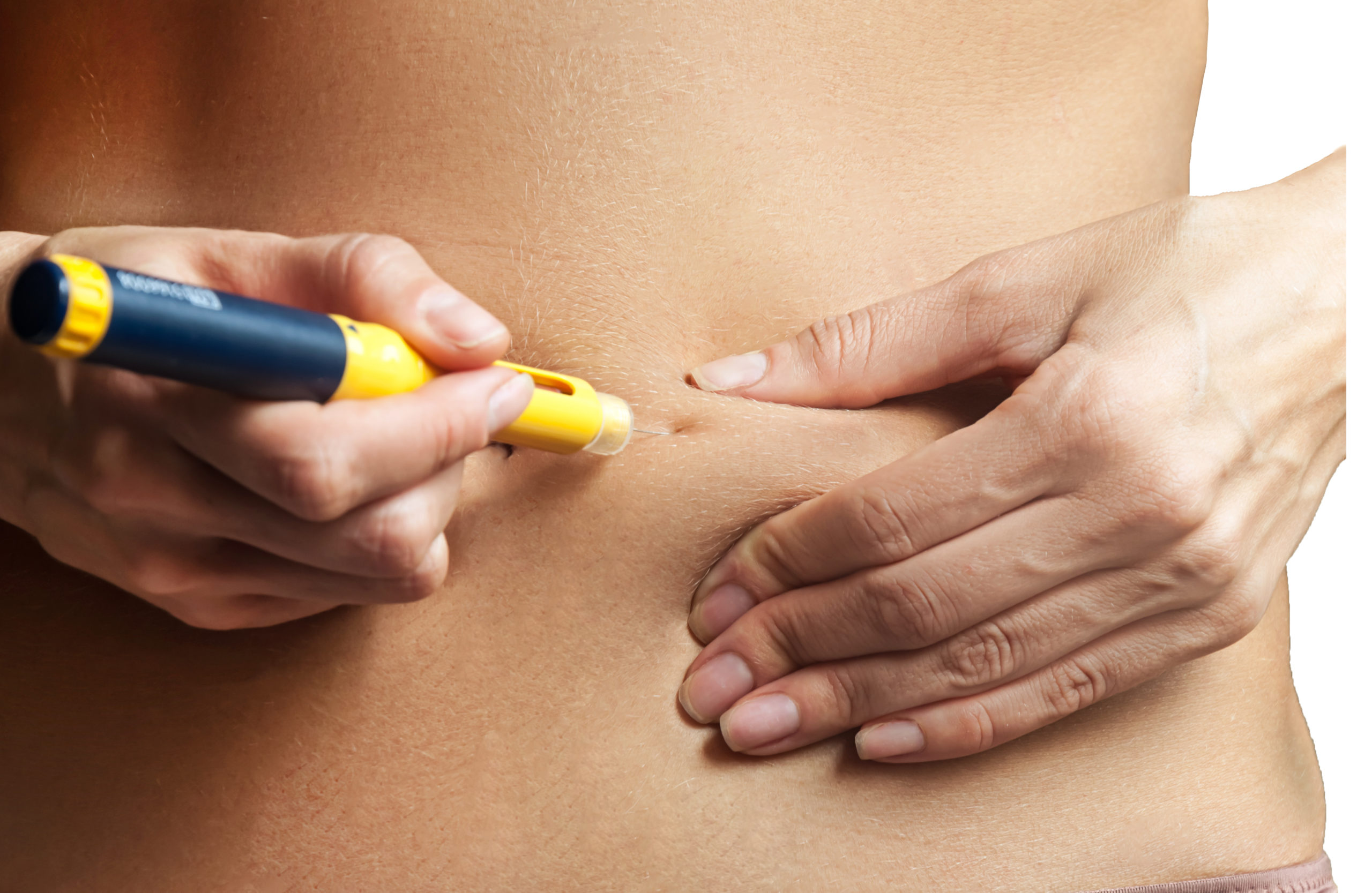
A trigger shot is administered before each ovulation cycle. It can be self-administered under the skin or into the muscle. There are a few potential side effects, such as bloating, pelvic pain and tenderness surrounding the injection site.

A trigger shot is always coupled with ovulation stimulation, which is clomiphene citrate or letrozole oral tablets taken to increase the number of ovulated eggs that are released. Your specialist will also recommend timed intercourse to correspond with ovulation, which is about 36 to 40 hours after the shot is administered.

The basics of IVF

Time to move on to the basics of IVF, or in vitro fertilization. IVF is the process of removing eggs from the ovaries and fertilizing them with sperm in a lab. Either a single sperm is injected directly into the egg or they are mixed together in a petri dish. Then, the fertilized egg, known as an embryo, is transferred into the uterus.

Similar to a trigger shot, IVF still requires ovarian stimulation as one of the first steps in the process.

IVF can be done using the infertile couple’s sperm and egg, but it’s also often completed using the eggs, sperm or embryos from a donor. 

Choosing trigger shot or IVF

While you may have an idea of which option will work better for you in your fertility journey, the very first step should be a consultation with a fertility specialist. They will determine which course of action is more likely to achieve a successful childbirth based on your medical history and test results of your fertility hormones, fallopian tubes and sperm count.

Trigger shots are often a preferable course of action for people struggling with ovulation. It’s part of gonadotropin therapy, which focuses on stimulating the ovaries. Your fertility specialist might recommend a trigger shot as a treatment if you:

  • Have no ovulation
  • Have ovulation that’s considered “weak”
  • Want to control ovulation as part of other procedures

Your fertility specialist may recommend IVF if you’ve tried other treatment options and they haven’t shown results. Even though it has a high success rate for patients with unexplained infertility, it’s not often used as one of the primary courses of action. IVF requires multiple procedures and isn’t an affordable option for everyone. 

It’s important to remember that trigger shots and IVF aren’t the only courses of action. Your fertility specialist may recommend other options, such as intrauterine insemination. 

Fertility Cloud can tell you what you need to know about trigger shots and IVF 

Trying to choose an infertility treatment can cause you to feel overwhelmed by information. At Fertility Cloud, we walk you through all the potential courses of action, such as trigger shots and IVF, so you’re able to make a decision that you’re confident in. We make sure that you have all the knowledge required so that after you make an informed, collaborative decision with your specialist, you can focus on being excited about potential conception.
When you’re ready to see whether trigger shots or IVF is the best option for you, be sure to contact our team by phone today for more information or book an initial appointment online with a fertility specialist.

Your subscription could not be saved. Please try again.
Your subscription has been successful.

Stay Informed

Subscribe to our newsletter to receive treatment updates

How long after a trigger shot do you ovulate?

how long after trigger shot do you ovulate

Learn all about trigger shots and how long they take effect

How long after a trigger shot do you ovulate?

When you decide that you’re ready to have a baby, you want to see immediate results. It would be wonderful to see a positive sign on the pregnancy test as soon as you start trying. While trying to conceive is a process that can take weeks or months for some people or couples, others may have to go through an even longer process if they’re dealing with infertility.

The fertility journey can be a long one, but it’s important to stay optimistic and take the steps needed to grow your family. A diagnosis of infertility can open the doors to many treatment options, such as a trigger shot. Nearly every step of this option is time sensitive, so it’s important to know about the time frame of each one. For instance, ovulation will start less than two days after it’s administered. Learn how the shot works and how it coincides with your ovulation cycle.

We’ll talk about what a trigger shot is, how long it takes after the shot to ovulate and how it works alongside other treatment options.

The basics of trigger shots

Let’s start off by discussing what a trigger shot is. A trigger shot refers to an injection of HCG, or human chorionic gonadotropin. This hormone is used as a fertility treatment because it can help the ovaries release mature eggs during ovulation. It’s often referred to by the brand names Ovidrel, Novarel and Pregnyl. Trigger shots are part of gonadotropin therapy, which focuses on stimulating the ovaries.

A trigger shot is usually self-administered into the muscle or under the skin in the abdomen.

It’s always important to be aware of potential side effects so that you can be prepared. Possible side effects of trigger shots include:

A trigger shot is often recommended for individuals or couples who have undiagnosed infertility. Females may benefit from a trigger shot if they have:

  • Anovulation (the body doesn’t ovulate).
  • “Weak” ovulation.
  • Had other procedures and want to control their ovulation.

When to expect ovulation after a trigger shot

Timing is everything when it comes to a trigger shot. Your fertility specialist will determine the best time to administer the trigger shot based on the size of your follicles either in the middle of your menstruation cycle or as your ovulation is getting closer.

The specialist will use an ultrasound to look at the size of your follicles and the thickness of your uterine lining. They’ll instruct you to do the trigger shot when the follicles are 15 to 20 millimeters and the lining (endometrium) is 7 to 8 millimeters thick. 

Your ovulation will start approximately 36 to 40 hours after the trigger shot is administered. Your specialist will also recommend timed intercourse to correspond with ovulation, approximately 24 to 36 hours after the shot.

It’s important to wait at least two weeks before taking a pregnancy test to reduce the risk of false positive results. It can take up to 14 days for the HCG to leave your system.

Treatments that can be supplemented with a trigger shot

A trigger shot is an effective infertility treatment option, but it’s never used as the one and only course of action. HCG is meant to be supplemented by other options, including ovulation stimulation and intrauterine insemination.

A trigger shot is always coupled with ovulation stimulation, which involves a prescription of clomiphene citrate or letrozole oral tablets to increase the number of ovulated eggs that are released. 

Intrauterine insemination, or IUI, is the process of implanting the sperm directly inside the uterus. Research has shown that the efficacy of IUI cycles can be boosted with a trigger shot. A 2017 study resulted in a 18.2% pregnancy rate when IUI cycles were coupled with a trigger shot, which is a notable jump from the 5.8% rate without the shot.

Fertility Cloud can answer your questions about trigger shots

When you start a fertility treatment, you probably keep having new questions popping into your head. That’s OK. At Fertility Cloud, we’re here to make sure that you’re as informed as possible about an option like trigger shots so that you can be confident in your choice. From potential side effects to how quickly you ovulate after a trigger shot, you’ll learn about it all. That way you can focus solely on the excitement of potential conception.
We’re here to answer all your questions about fertility treatment options like trigger shots. Contact our team by phone today for more information or book an initial appointment online with a fertility specialist.

Your subscription could not be saved. Please try again.
Your subscription has been successful.

Stay Informed

Subscribe to our newsletter to receive treatment updates

Herbs for infertility in females: Do they work?

herbs for infertility in females

Learn about the natural way herbs helps with infertility

Herbs for infertility in females: Do they work?

When it comes to improving your health and wellness, there are many approaches that you can take. While health care professionals will always recommend conventional modern medicine treatments, many people prefer to explore treatments that involve self-care and medicines with ingredients that can be found in nature as opposed to being man made.

It’s important to remember that modern medicine is rooted in research and rigorous testing. That’s why it should always be the first course of action. Natural medicine, or alternative medicine, isn’t regulated and may not have enough data to back it up. The good news is that there have been studies into how herbs can help infertility in females. While herbs can’t “cure” infertility, they can help reduce potential issues that may lead to it. 

We’ll discuss the basics about herbs for infertility before diving into how different herbs may work to reduce infertility in females. Then we’ll discuss other options that can treat infertility that may be coupled with the herbs.

How herbs can help infertility in females

Herbs are one of the most common aspects of alternative medicine. The use of medicinal plants dates back centuries ago to about 3000 B.C. There are many types of natural remedies for ailments that have been used for years. Some are more backed up by evidence than others; for example, people often use ginger for nausea and honey for coughs.

When it comes to infertility, herbs are sometimes used to enhance the female body’s ability to conceive. They may also reduce the chance of issues that may interfere with fertility.

Herbs can help female infertility by:

  • Providing essential micronutrients for reproductive health.
  • Improving hormonal balance.
  • Regulating menstrual cycle.
  • Treating reproductive disorder symptoms.

Herbs that can help infertility in females

When you look up natural ways to help treat infertility, you’ll probably see an overwhelming amount of options and information. While there are many herbs that have been claimed to treat infertility in females, we’ll only discuss the most researched options.

It’s essential that you discuss any herbs with your health care provider or fertility specialist before trying them. They will let you know of the efficacy, potential side effects and if they pose a potential issue for current health concerns.

Here are a few herbs that may help infertility in females:

  • Fennel — This herb comes from the carrot family. Research has shown that it may increase your level of sex hormones, such as estrogen and progesterone. Fennel can also work to regulate your menstrual cycle. It contains many vitamins that are vital to your fertility, such as vitamin C.
  • Vitex agnus-castus — Also known as chasteberry, this herb has been known to help a variety of reproductive problems for women, including alleviating premenstrual syndrome symptoms. It may help treat infertility by improving your hormonal balance levels. It can also help to decrease high prolactin levels, which has been linked to infertility. This protein is responsible for breast development and milk production.
  • Asparagus racemosusStudies have shown that this herb, also known as shatavari, can decrease infertility in females in more than one way. It can help lower oxidative stress levels, which refers to an imbalance between free radicals and antioxidants. High oxidative stress levels have been linked to female infertility. It can also help improve hormonal balance as well as stimulate follicular growth and development.

Infertility treatments to explore alongside herbs for females


Since herbs aren’t regulated as an infertility treatment, it’s important that they are taken alongside other treatments that have been known to have significant success rates for conception. If you’ve been diagnosed with unexplained fertility, your health care provider or fertility specialist will likely recommend ovarian stimulation or intrauterine insemination to go alongside the herbs.

Ovarian stimulation, or OS, works to increase the number of ovulated eggs that are released during ovulation. It involves a prescription of clomiphene citrate or letrozole oral tablets. Along with OS, you may also explore the option of intrauterine insemination, which is the process of inserting the sperm directly inside the uterus.

Fertility Cloud can recommend infertility treatments alongside herbs 

While there has been extended research on the potential impact that herbs can have on infertility in women, it’s best to get the insight of a fertility specialist. They will determine if herbs can help you along your fertility journey and recommend other treatment options to boost your chances of conception. 
Contact our team by phone today for more information or book an initial appointment online with a fertility specialist.

While we work diligently to provide the most accurate and up-to-date information available, it’s important to remember that every individual’s fertility journey is unique. The advice and content on this blog are intended for general informational purposes only and may not apply to your specific situation. Fertility-related concerns should always be addressed by a licensed healthcare provider who can assess your personal health history and offer tailored advice. It is crucial to seek professional medical guidance to ensure that any treatments or recommendations align with your individual needs. Please consult with your doctor or a fertility specialist for a more personalized and thorough evaluation.

Your subscription could not be saved. Please try again.
Your subscription has been successful.

Stay Informed

Subscribe to our newsletter to receive treatment updates

When to schedule a male infertility test

infertility test male

Many people believe that the ability to have a baby always falls onto the female, but both males and females can experience infertility. In fact, male infertility is a contributing factor to around 30% of infertility cases, while being the sole cause of approximately one-fifth of the cases. 

Conception can take months for many couples, so it’s easy to brush off the possibility of infertility at the beginning of a couple’s pregnancy journey. But it’s important to be aware of possible male infertility so that you can be proactive about treatment options if needed. But when is the best time to schedule a male infertility test? That’s what we’re here to discuss.

We’ll talk about what male infertility means, when to schedule a male infertility test and the possible treatments that you can explore following positive test results.

The basics of male infertility

A person or individual can be diagnosed with infertility if they haven’t achieved conception after having intercourse for at least one year without birth control. For males specifically, infertility refers to the inability to impregnate a fertile female.

Male infertility is often chalked up to unexplained infertility, but it can also stem from issues with the quality or number of sperm as well as ejaculation.

Low sperm count, sperm abnormalities or ejaculation issues can come from many causes or risk factors, including:

  • Inflamed testicles.
  • Swollen scrotum veins.
  • Hormone disorders.
  • Genetic conditions.
  • Infections, such as STDs.
  • Exposure to chemicals or radiation.
  • Substance use.
  • Obesity.

For males, there are several symptoms of male infertility to be aware of, including:

  • Decreased amount of ejaculate.
  • Reduced sexual desire.
  • Erectile dysfunction.
  • Recurrent respiratory infections.
  • Swelling or pain in or around the testicles.
  • Gynecomastia (breast growth).
  • Reduced facial or body hair.

When to schedule a male infertility test

When you’re trying to determine the cause of potential infertility, low sperm count is often one of the first conclusions that you may jump to. Low sperm count, meaning fewer than 15 million sperm per milliliter of semen, is a common reason for male infertility. 

The good news is that you don’t need to wait until you’re struggling to conceive before getting a sperm analysis to learn your sperm count. Getting a sperm analysis as soon as possible can shed a light on potential male infertility before even trying to conceive with a partner.

Besides a sperm analysis, there are other tests for male infertility that can be run after at least one year of intercourse without conception. The goal is to determine a possible cause behind the lack of pregnancy. 

It’s suggested that you talk to a health care provider earlier than one year if you have any of the risk factors that were listed earlier, such as substance use or medical conditions.

The male infertility tests that your health care provider may run include:

  • Testicular biopsy — Removing a small piece of tissue from the testicles to be examined under a microscope.
  • Hormone testing — Checks for hormone imbalances that could impact sperm production.
  • Imaging testing — Looks for reproductive system abnormalities.
  • Genetic testing — Checks for any genetic abnormalities that could impact fertility.

Potential treatment options following male infertility test

While it may be nerve-wracking to take a male infertility test, there can be relief in having answers. Once you learn those answers, it’s time to explore your fertility options. For male infertility, your fertility specialist will discuss the potential courses of action that can boost your chances of conceiving with your partner. 

If your tests and sperm analysis have shown a low sperm count or hormone imbalances, there are treatments that may help to boost that number and/or balance your hormones.

Your fertility specialist may also recommend in vitro fertilization (IVF) using intracytoplasmic sperm injection (ICSI). In vitro fertilization involves removing the eggs from the female’s ovaries so that they can be taken to a lab to be fertilized by a sperm. ICSI is the process that’s used during IVF to inject a live sperm directly into the egg.

You can schedule a male infertility test with Fertility Cloud

Whether you want to check your sperm count or you want to see the potential causes behind your conception issues, Fertility Cloud can help when you’re ready to schedule a male infertility test. The best part is that you can do many of the tests from the comfort of your own home.

We’ll be with you every step of the way so that you and your partner have the support you need following the results as you continue on your fertility journey.
Contact our team by phone today for more information or book an initial appointment online with a fertility specialist.

Your subscription could not be saved. Please try again.
Your subscription has been successful.

Stay Informed

Subscribe to our newsletter to receive treatment updates