Currently Viewing Posts in Educational

The Best Time to Take Clomid for Men

Discover the optimal timing for men to take Clomid with our comprehensive guide.

Introduction to Clomid for Men

If you’re a man considering Clomid as a treatment option, you may be wondering about the best time to take this medication. Timing plays a crucial role in maximizing the efficacy of Clomid and minimizing potential side effects. In this article, we will provide a comprehensive guide to help you determine the optimal time to take Clomid.

Understanding Clomid: A Brief Overview

Before learning about the timing aspect of Clomid, it’s essential to have a basic understanding of what Clomid is and how it works in men.
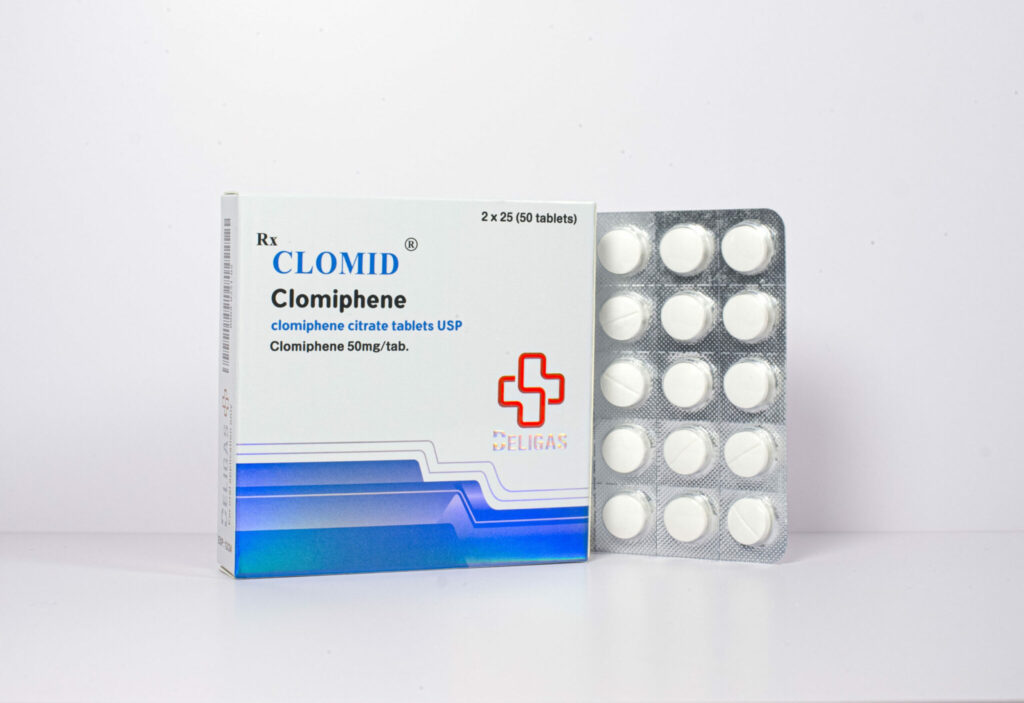
Best Time to Take Clomid

Clomid, a commonly prescribed medication, plays a crucial role in reproductive health for both men and women. While it is widely recognized for its effectiveness in stimulating ovulation in women, Clomid, also known as clomiphene citrate, has shown promising results in addressing hormonal imbalances in men as well. This versatile medication belongs to a class of medications called selective estrogen receptor modulators (SERMs). This makes it a valuable tool in the realm of fertility treatments and hormone regulation.

What is Clomid?

Clomid, also known as clomiphene citrate, is a medication primarily used to stimulate ovulation in women. However, it is also prescribed off-label for men with low testosterone levels. It belongs to a class of medications called selective estrogen receptor modulators (SERMs).

When it comes to women, Clomid is often the first line of treatment for those struggling with infertility. By promoting the release of eggs from the ovaries, Clomid increases the chances of conception. In men, Clomid’s mechanism of action differs slightly but is equally significant in addressing hormonal deficiencies.

How Does Clomid Work in Men?

Clomid works by blocking the action of estrogen in the body. This leads to an increase in the production of follicle-stimulating hormone (FSH) and luteinizing hormone (LH). This boost in FSH and LH prompts the testes to produce more testosterone, hence improving testosterone levels in men.

By modulating the hormonal environment in men, Clomid can help restore testosterone levels, which is crucial for various aspects of male health, including fertility, muscle mass, and overall well-being. The intricate interplay between Clomid and the endocrine system underscores its significance beyond its conventional use, highlighting its potential to address a spectrum of health concerns related to hormonal balance.

The Importance of Timing in Taking Clomid

Timing is crucial when it comes to taking Clomid. It can significantly impact the effectiveness of the medication as well as the potential side effects experienced.

Role of Timing in Medication Efficacy

The success of Clomid treatment in men relies on taking the medication at the right time. The timing should be based on a thorough understanding of the body’s natural testosterone production cycle. Your healthcare provider will take into account factors such as your age, overall health, and testosterone levels to determine the most effective timing for you.

Understanding the body’s hormonal fluctuations is key in determining the optimal timing for Clomid intake. Testosterone levels typically follow a circadian rhythm, with peak production occurring in the early morning. By aligning Clomid administration with this natural peak, you can potentially enhance its efficacy in stimulating testosterone production.

Impact of Timing on Side Effects

By carefully timing your Clomid intake, you can potentially reduce the risk of experiencing side effects. It’s important to remember that timing alone cannot eliminate side effects entirely, but it can help mitigate their severity.

Moreover, the timing of Clomid intake can also influence the body’s response to the medication. Taking Clomid at specific times of the day may help regulate hormone levels more effectively, leading to a smoother treatment experience with fewer fluctuations.

Consult with your healthcare provider to find the optimal timing that balances maximizing Clomid’s effectiveness while minimizing possible side effects.

Determining the Best Time to Take Clomid

Finding the best time to take Clomid involves considering various factors that influence its effectiveness and your individual circumstances.

Clomid, a commonly prescribed medication for men dealing with low testosterone levels, plays a crucial role in boosting testosterone production and enhancing fertility. Understanding the optimal timing for taking Clomid can significantly impact its effectiveness and your overall treatment outcome.

Factors Influencing the Ideal Time

There are several factors that can influence the ideal timing for taking Clomid. These include your testosterone levels, your body’s natural testosterone production cycle, and any underlying medical conditions. Your healthcare provider will assess these factors to determine the most appropriate timing for you.

It’s essential to consider your daily routine and lifestyle when determining the best time to take Clomid. Some men may find it more convenient to take the medication in the morning, while others may prefer taking it in the evening. Consistency in timing is key to ensuring the medication’s effectiveness.

Consulting Your Healthcare Provider

Consulting with a knowledgeable healthcare provider experienced in treating men with Clomid is crucial. They will be able to assess your specific needs, evaluate your medical history, and guide you on the best time to take Clomid. They can also monitor your progress and adjust the timing if necessary.

Best Time to Take Clomid

Additionally, discussing any potential side effects or concerns with your healthcare provider can help mitigate any issues that may arise during your Clomid treatment. Open communication and regular follow-ups are essential for optimizing the benefits of Clomid therapy.

Common Misconceptions About Taking Clomid

When it comes to Clomid, there are several misconceptions that need to be addressed. Let’s debunk some of these myths to provide you with accurate information.

Clomid, also known by its generic name clomiphene citrate, is a medication commonly associated with female fertility treatments. However, its benefits extend beyond just women. In men, Clomid can be prescribed off-label to address conditions like hypogonadism, where the body doesn’t produce enough testosterone. By stimulating the release of certain hormones in the brain, Clomid can help boost testosterone levels in men, potentially improving symptoms like low libido and fatigue.

Debunking Clomid Myths

One common myth is that taking Clomid will result in significant muscle gain. While Clomid can help increase testosterone levels, it is not a magic pill for muscle growth. Its effects on muscle mass are typically modest.

It’s important to note that Clomid should only be used under the supervision of a healthcare provider, as improper use can lead to potential side effects such as vision disturbances, mood swings, and hot flashes. Dosage and monitoring are crucial to ensure the safe and effective use of this medication.

Facts vs Fiction: Clomid Use in Men

Another misconception is that Clomid is exclusively used for fertility purposes in women. In reality, Clomid can be a valuable treatment option for men with low testosterone levels. It is important to differentiate between the primary and off-label uses of the medication.

When considering Clomid, it’s essential to have a thorough discussion with a healthcare provider to understand the potential benefits and risks. Monitoring hormone levels and overall health throughout the treatment process is key to optimizing outcomes and minimizing adverse effects.

Potential Side Effects and Risks of Clomid

Understanding the potential side effects and risks associated with Clomid is crucial for making an informed decision about its use.

Clomid, also known as clomiphene citrate, is commonly prescribed to women to stimulate ovulation. However, it is also used off-label in men to treat infertility. While Clomid can be effective in boosting testosterone levels and sperm production, it is important to be aware of the potential side effects and risks that may accompany its use.

Understanding the Side Effects

Common side effects of Clomid in men may include hot flashes, mood swings, changes in libido, and visual disturbances. However, it’s important to note that not everyone will experience these side effects, and they are generally temporary and reversible.

Less common side effects of Clomid may include abdominal discomfort, nausea, and headaches. In rare cases, severe side effects such as chest pain, shortness of breath, or sudden vision changes may occur, requiring immediate medical attention. It is important to report any unusual symptoms to your healthcare provider promptly.

Managing Potential Risks

Your healthcare provider will closely monitor your response to Clomid treatment and adjust the dosage or timing if necessary. Regular check-ups and communication are key to managing any potential risks and ensuring your well-being throughout the treatment process.

It is essential to discuss any pre-existing medical conditions, medications, or concerns with your healthcare provider before starting Clomid treatment. Certain conditions, such as a history of liver disease or hormone-sensitive tumors, may warrant caution or alternative treatment options.

In conclusion, determining the best time to take Clomid involves careful consideration of various factors and consulting with a knowledgeable healthcare provider. By understanding Clomid’s mechanism of action and the importance of timing, you can optimize its effectiveness while minimizing potential side effects. Remember, personalized guidance from a healthcare professional is essential for a safe and successful Clomid treatment journey.


Your subscription could not be saved. Please try again.
Your subscription has been successful.

Stay Informed

Subscribe to our newsletter to receive treatment updates

The Benefits of Pregnyl for Males: A Comprehensive Guide

Discover the comprehensive guide to the benefits of Pregnyl for males.

The Benefits of Pregnyl for Males: A Comprehensive Guide

Pregnyl is a medication that has gained attention for its various benefits for males. In this comprehensive guide, we will explore its significant advantages and shed light on its composition, functioning, and potential side effects. Furthermore, we will provide essential information on how to use it safely and effectively for optimum results.

Understanding Pregnyl: What is it?

Benefits of Pregnyl for Males

Pregnyl is a brand name for human chorionic gonadotropin (hCG), a hormone naturally produced during pregnancy. While its primary role is to support the development of the embryo and placenta, Human Chorionic Gonadotropin has proven to offer significant benefits for males as well. Let’s delve deeper into its composition and functioning.

The Composition of Pregnyl

Pregnyl consists of purified hCG extracted from the urine of pregnant women. The resulting substance is then processed into a sterile powder form for administration. This composition ensures the potency and effectiveness of Pregnyl when used in male health scenarios.

Moreover, the extraction process of hCG for Pregnyl involves stringent purification techniques to guarantee the highest quality and purity of the hormone. This attention to detail in the manufacturing process underscores the commitment to producing a reliable and safe product for medical use.

How Pregnyl Works in the Body

When administered, Human Chorionic Gonadotropin mimics the activity of luteinizing hormone (LH) in the body. LH plays a vital role in stimulating the production of testosterone in males. By acting as a substitute for LH, Human Chorionic Gonadotropin triggers the production of testosterone and supports its maintenance at optimal levels.

Furthermore, the mechanism of action of Human Chorionic Gonadotropin extends beyond testosterone regulation. Studies have shown that Human Chorionic Gonadotropin can also have a positive impact on other aspects of male reproductive health, such as improving sperm quality and motility. This multifaceted approach highlights the versatility of hCG in addressing various male fertility issues.

Additionally, Human Chorionic Gonadotropin can encourage the production and release of sperm, supporting male fertility and reproductive health. Let’s explore these aspects in more detail.

The Role of Pregnyl in Male Health

Human Chorionic Gonadotropin has shown promising potential when it comes to maintaining testosterone levels and positively impacting male health. Understanding the connection between hCG and testosterone levels is key to grasping its overall benefits.

hCG is commonly used in the medical field to address various health issues in males. Its ability to influence testosterone levels has garnered significant attention due to the hormone’s crucial role in male well-being.

Pregnyl and Testosterone Levels

Testosterone is a vital hormone for males, responsible for various aspects of their health, including muscle growth, energy levels, and sexual function. Human Chorionic Gonadotropin plays a crucial role in stimulating the production of testosterone, ensuring its normal levels are maintained within the body.

By using hCG, individuals with low testosterone levels may experience an increase in energy and vigor, improved mood, and enhanced sexual performance.

Furthermore, hCG’s impact extends beyond testosterone regulation. The hormone hCG, not only aids in testosterone production but also contributes to overall reproductive health in males.

Pregnyl’s Impact on Fertility

hCG can also be beneficial for males experiencing fertility issues. The hormone hCG, found in Pregnyl, can stimulate the production and release of sperm, enhancing male fertility. This factor makes hCG a valuable tool for couples struggling to conceive.

Moreover, hCG is sometimes prescribed in combination with other fertility treatments to optimize the chances of successful conception.

As research continues to explore the multifaceted benefits of Human Chorionic Gonadotropin in male health, its role in enhancing testosterone levels and fertility remains a topic of interest and potential breakthroughs in medical treatment.

The Benefits of Pregnyl for Males

Now that we have delved into the role of hCG in male health, let’s explore its specific benefits and the positive impact it can have on various aspects of life.

Understanding the multifaceted advantages of hCG is essential in comprehending its potential impact on male well-being. Beyond its primary functions, hCG has been found to play a crucial role in enhancing overall vitality and quality of life.

Enhancing Athletic Performance

Benefits of Pregnyl for Males

For athletes and fitness enthusiasts, hCG has gained attention for its potential to boost performance. By maintaining optimal testosterone levels, hCG can support muscle growth, increased endurance, and improved recovery after intense workouts.

Moreover, the impact of hCG on athletic performance extends beyond physical attributes. It can also enhance mental focus and drive, enabling individuals to push their limits and achieve peak performance levels.

However, it is crucial to note that the use of hCG for athletic purposes must align with relevant sporting regulations and medical guidance.

Boosting Fertility and Reproductive Health

As previously mentioned, hCG offers a significant advantage to individuals facing fertility challenges. By stimulating sperm production and release, hCG increases the chances of successful conception. This benefit can bring hope to couples striving to start or expand their family.

Furthermore, the positive impact of hCG on reproductive health goes beyond fertility. It can also improve overall reproductive function, leading to enhanced sexual health and well-being.

Pregnyl and Weight Loss

Studies have suggested that hCG can contribute to weight loss when used in conjunction with a low-calorie diet. By maintaining testosterone levels, hCG helps preserve muscle mass during calorie restriction, preventing the loss of lean tissue.

Additionally, adequate testosterone levels can support metabolism, making it easier to achieve weight loss goals. This dual effect of preserving muscle mass and boosting metabolism highlights the potential of hCG in promoting sustainable and effective weight management strategies.

The Potential Side Effects of Pregnyl

While hCG offers various benefits, it is essential to be aware of the potential side effects associated with its use. Being informed allows individuals to make well-rounded decisions regarding their health.

Pregnyl, a medication commonly used in fertility treatments, contains human chorionic gonadotropin (hCG) hormone. This hormone plays a crucial role in the development of eggs in women and sperm in men, making it a vital component in certain fertility procedures.

Common Side Effects

Some common side effects of hCG may include headache, fatigue, irritability, and tenderness at the injection site. These side effects are generally mild and temporary, subsiding on their own over time.

It is important to note that individual responses to hCG can vary, and not everyone will experience these common side effects. Factors such as dosage, frequency of use, and personal health conditions can influence the likelihood and severity of these symptoms.

However, it is crucial to consult a healthcare professional if any side effects persist or become concerning.

Serious Side Effects

Although rare, hCG can potentially cause more serious side effects in some individuals. These may include severe allergic reactions, blood clots, and an increase in certain hormone levels. It is crucial to seek immediate medical attention if any unusual symptoms occur.

Patients undergoing fertility treatments with hCG should be closely monitored by their healthcare providers to ensure early detection of any serious side effects. Regular check-ups and open communication about any changes or discomfort experienced during treatment can help mitigate risks and ensure the best possible outcomes.

How to Use Pregnyl Safely

When using hCG, it is essential to follow the recommended guidelines to ensure safety and maximize benefits. Let’s explore crucial factors to consider when using hCG.

First and foremost, let’s delve into the dosage and administration of hCG. This medication is typically administered via injection into a muscle, either subcutaneously or intramuscularly. The dosage and frequency of administration vary depending on the specific medical condition being treated. It is important to note that the dosage should be strictly adhered to as prescribed by your healthcare professional. Seeking guidance from a healthcare professional regarding the administration process is also highly recommended to ensure accurate and safe usage.

Now, let’s discuss some precautions and contraindications associated with hCG. While hCG offers significant benefits, it is not suitable for everyone. Individuals with a history of hormone-related cancers, allergic reactions to hCG, or severe kidney disease should avoid using hCG. It is crucial to inform healthcare professionals about any existing medical conditions or medications before beginning hCG treatment to ensure its safe use. This will allow them to assess whether hCG is the right choice for you and to provide appropriate guidance throughout your treatment journey.

Expanding on the topic of safety, it is important to be aware of potential side effects that may occur while using hCG. These side effects can include headache, irritability, restlessness, fatigue, and swelling or pain at the injection site. It is crucial to monitor your body’s response to the medication and report any unusual or severe symptoms to your healthcare professional promptly. They will be able to provide you with the necessary guidance and support to manage any potential side effects effectively.

In conclusion, Pregnyl holds several benefits for males, including the maintenance of testosterone levels, support for fertility, enhanced athletic performance, and potential weight loss or weight gain assistance. However, it is crucial to be aware of potential side effects and to use hCG safely by following proper administration guidelines and seeking appropriate medical advice. With its various advantages, hCG can contribute positively to male health and overall well-being.

Your subscription could not be saved. Please try again.
Your subscription has been successful.

Stay Informed

Subscribe to our newsletter to receive treatment updates

Clomid for Low Testosterone: What You Need to Know

Discover the essentials about using Clomid for low testosterone in this comprehensive guide.

Understanding Low Testosterone

Low testosterone, also known as hypogonadism, is a condition that occurs when the body fails to produce enough testosterone. Testosterone is a hormone responsible for many important functions in the male body, including the development of muscle mass, bone density, and sexual characteristics. It is also essential for maintaining energy levels, libido, and mood.

Low testosterone can have a significant impact on a man’s overall health and well-being. In addition to the physical effects, such as decreased muscle mass and bone density, low testosterone levels can also lead to emotional changes, including depression and irritability. Understanding the causes and symptoms of low testosterone is crucial for proper diagnosis and treatment.

Causes of Low Testosterone

There are several factors that can contribute to low testosterone levels. Aging is one of the main causes, as testosterone production naturally decreases as men get older. Other causes include chronic illnesses, such as diabetes or liver disease, obesity, hormonal disorders, and certain medications.

In some cases, low testosterone levels may be the result of a genetic condition or a problem with the testes or pituitary gland. It is important to consult with a healthcare provider to determine the underlying cause of low testosterone and develop an appropriate treatment plan.

Symptoms and Diagnosis of Low Testosterone

The symptoms of low testosterone can vary from person to person, but commonly include fatigue, decreased libido, erectile dysfunction, mood swings, and decreased muscle mass. If you are experiencing these symptoms, it is recommended to see a healthcare professional for a blood test to determine your testosterone levels.

Diagnosing low testosterone involves a comprehensive evaluation of symptoms, medical history, and laboratory tests. A healthcare provider will assess the patient’s overall health and lifestyle factors that may contribute to low testosterone levels. Treatment options may include hormone replacement therapy, lifestyle modifications, and medications to address specific symptoms.

An Overview of Clomid

Clomid, also known by its generic name Clomiphene citrate, is a medication primarily used to treat infertility in women. However, it has also been found to be effective in stimulating testosterone production in men with low testosterone levels.

Clomid is classified as a selective estrogen receptor modulator (SERM), which means it has both estrogenic and anti-estrogenic properties depending on the target tissue. This dual nature of Clomid allows it to effectively regulate hormone levels in the body, making it a versatile treatment option for various hormonal imbalances.

What is Clomid?

Clomid works by blocking the action of estrogen in the body, which leads to increased production of follicle-stimulating hormone (FSH) and luteinizing hormone (LH). These hormones play a crucial role in stimulating testosterone production in the testicles.

Side Effects of Clomid for Men

It is important to note that Clomid should only be used under the supervision of a healthcare provider, as improper use or dosage can lead to potential side effects such as hot flashes, mood swings, and visual disturbances. Monitoring hormone levels and adjusting the treatment plan accordingly is essential to ensure the safe and effective use of Clomid.

How Does Clomid Work?

Clomid works by binding to estrogen receptors in the hypothalamus and pituitary gland. This prevents estrogen from binding to these receptors, which in turn stimulates the release of gonadotropin-releasing hormone (GnRH). GnRH then signals the pituitary gland to release more FSH and LH, which subsequently stimulate the production of testosterone.

Additionally, Clomid has been studied for its potential off-label uses in the treatment of certain types of male infertility, hypogonadism, and even as a post-cycle therapy for athletes using anabolic steroids. The versatility of Clomid in addressing various hormonal issues highlights its significance in the field of reproductive medicine and endocrinology.

Clomid as a Treatment for Low Testosterone

Clomid has shown promising results as a treatment for low testosterone in men. It offers an alternative to testosterone replacement therapy (TRT), which involves injecting testosterone into the body.

Low testosterone, also known as hypogonadism, can have various causes such as aging, certain medical conditions, or lifestyle factors. Symptoms of low testosterone can include fatigue, decreased libido, and reduced muscle mass. Clomid, also known by its generic name clomiphene citrate, is commonly used in the treatment of female infertility but has gained attention for its off-label use in men with low testosterone.

The Role of Clomid in Testosterone Production

Clomid acts as a stimulant for the body’s own testosterone production. By increasing FSH and LH levels, Clomid helps to kickstart the testicles’ ability to produce testosterone naturally. This is particularly beneficial for men who wish to maintain their fertility or avoid the potential side effects of exogenous testosterone therapy.

FSH (follicle-stimulating hormone) and LH (luteinizing hormone) are crucial for the production of testosterone in the testes. Clomid works by blocking estrogen receptors in the hypothalamus, leading to an increase in GnRH (gonadotropin-releasing hormone) secretion. This, in turn, stimulates the pituitary gland to release more FSH and LH, which then signal the testes to produce more testosterone.

Effectiveness of Clomid for Low Testosterone

Studies have shown that Clomid can help raise testosterone levels in men with low testosterone. However, it is important to note that the effectiveness of Clomid may vary from person to person. Some men may experience a significant increase in testosterone levels, while others may only see a modest improvement. It is crucial to work closely with a healthcare professional to monitor hormone levels and adjust the dosage if necessary.

It is essential for individuals considering Clomid as a treatment for low testosterone to undergo thorough evaluation and monitoring. Blood tests to measure testosterone levels, along with potential side effects such as mood changes, hot flashes, or vision disturbances, should be closely monitored during treatment. Additionally, lifestyle modifications such as regular exercise, adequate sleep, and a balanced diet can complement the effects of Clomid in managing low testosterone.

Potential Side Effects of Clomid

Like any medication, Clomid carries the risk of side effects. However, these side effects are generally mild and reversible.

Clomid, also known as clomiphene citrate, is a commonly prescribed fertility medication that is used to stimulate ovulation in women who have trouble conceiving. It works by blocking estrogen receptors in the brain, which in turn triggers the release of hormones necessary for ovulation.

Common Side Effects

Common side effects of Clomid may include hot flashes, mood swings, headaches, nausea, and blurred vision. These side effects typically subside as the body adjusts to the medication, but if they persist or worsen, it is important to consult a healthcare professional.

Hot flashes, a sudden feeling of warmth or heat in the face and upper body, are a common side effect of Clomid. They are caused by the hormonal changes induced by the medication and are usually temporary. Mood swings and irritability are also common, as the hormonal fluctuations can affect neurotransmitters in the brain.

Serious Side Effects

Although rare, Clomid may cause more serious side effects. These can include allergic reactions, chest pain, shortness of breath, and visual disturbances. If any of these symptoms occur, it is vital to seek immediate medical attention.

Allergic reactions to Clomid can manifest as hives, itching, swelling of the face or throat, and difficulty breathing. In severe cases, anaphylaxis, a life-threatening allergic reaction, can occur and requires immediate emergency treatment. Chest pain and shortness of breath are symptoms that should never be ignored, as they could indicate a potentially serious cardiovascular issue. Visual disturbances, such as blurred vision or seeing spots or flashes of light, may be a sign of a rare but serious side effect of Clomid affecting the eyes.

Alternatives to Clomid for Low Testosterone Treatment

While Clomid can be an effective option for some men with low testosterone, it may not be suitable for everyone. Fortunately, there are alternative treatments available.

Testosterone Replacement Therapy

Testosterone replacement therapy (TRT) involves the administration of synthetic testosterone to increase testosterone levels in the body. TRT comes in various forms, including injections, gels, patches, and implants. It can be a highly effective option for men with low testosterone, particularly those who do not wish to pursue fertility or who have not experienced satisfactory results with Clomid.

When considering TRT, it is important to work closely with a healthcare professional who specializes in hormone therapy. They will assess your individual needs and determine the most appropriate form of TRT for you. Regular monitoring of hormone levels and potential side effects is crucial to ensure the therapy’s effectiveness and safety.

Lifestyle Changes and Natural Remedies

In addition to medical treatments, certain lifestyle changes and natural remedies may also help improve testosterone levels. These can include maintaining a healthy weight, exercising regularly, managing stress levels, and ensuring adequate sleep.

Regular exercise, such as resistance training and high-intensity interval training (HIIT), has been shown to increase testosterone levels in men. Engaging in physical activity not only helps boost testosterone production but also improves overall health and well-being.

Furthermore, managing stress levels is essential for hormone balance. Chronic stress can lead to increased cortisol production, which can negatively impact testosterone levels. Incorporating stress-reducing activities into your daily routine, such as meditation, yoga, or spending time in nature, can help support healthy testosterone levels.

In addition to lifestyle changes, some natural supplements have been found to support testosterone production. Zinc is an essential mineral that plays a crucial role in testosterone synthesis. Adequate zinc intake through diet or supplementation may help optimize testosterone levels. Similarly, vitamin D deficiency has been linked to low testosterone levels, so ensuring sufficient sun exposure or taking vitamin D supplements can be beneficial.

However, it is important to consult a healthcare professional before starting any natural remedies to ensure they are appropriate for your specific situation. They can provide personalized guidance and monitor your progress to ensure the interventions are safe and effective.

In conclusion, Clomid can be a viable option for men with low testosterone, offering a potential alternative to testosterone replacement therapy. By stimulating the body’s natural testosterone production, Clomid may help improve symptoms and restore hormone balance. However, it is crucial to work closely with a healthcare professional to determine the best treatment approach and monitor hormone levels effectively.

Whether choosing Clomid, testosterone replacement therapy, or exploring other options, addressing low testosterone can significantly improve quality of life and overall well-being. With the right treatment plan and support, men can regain vitality and vitality and enjoy a healthier, more fulfilling life.

Your subscription could not be saved. Please try again.
Your subscription has been successful.

Stay Informed

Subscribe to our newsletter to receive treatment updates

Clomid Side Effects for Men

Explore the potential side effects of Clomid for men in this comprehensive article.

Clomid Side Effects for Men

Clomid, also known as clomiphene citrate, is a medication commonly used in the treatment of female infertility. However, it can also be prescribed to men who are struggling with fertility issues. While Clomid can bring positive results for some men, it is important to understand the potential side effects that can occur. In this article, we will discuss the various clomid side effects and how to manage them effectively.

Understanding Clomid: A Brief Overview

Before delving into the side effects, let’s take a moment to understand what Clomid is and how it works in men. Clomid is a selective estrogen receptor modulator (SERM) that acts by increasing the release of follicle stimulating hormone (FSH) from the pituitary gland. FSH then stimulates the testicles to produce more testosterone, ultimately leading to improved sperm production and fertility in men.

Side Effects of Clomid for Men

Clomid is a medication that has been widely used in the field of reproductive medicine for both men and women. It has shown promising results in helping individuals overcome fertility issues and hormonal imbalances. The mechanism of action of Clomid involves its ability to modulate estrogen receptors, which in turn affects the production of key hormones involved in the reproductive process.

What is Clomid?

Clomid is a prescription medication primarily used for treating female infertility. It is taken orally and works by blocking estrogen receptors in the hypothalamus, a part of the brain that plays a crucial role in regulating hormone production.

Aside from its role in female infertility, Clomid has also been prescribed off-label for various other conditions such as polycystic ovary syndrome (PCOS) and unexplained infertility. The versatility of Clomid in addressing different reproductive issues highlights its importance in the realm of fertility treatments.

How Does Clomid Work in Men?

In men, Clomid works by stimulating the release of FSH, which in turn stimulates the testicles to produce more testosterone. This increase in testosterone levels can help improve sperm production and overall fertility.

Men experiencing hypogonadism, a condition characterized by low testosterone levels, may benefit from Clomid therapy to boost their hormone levels and enhance fertility. By targeting the hormonal pathways involved in sperm production, Clomid offers a potential solution for men struggling with infertility issues.

Potential Side Effects of Clomid in Men

While Clomid can be an effective treatment option for men, it is essential to be aware of the potential side effects that may occur during its use.

Clomid, also known as clomiphene citrate, is a medication commonly used to treat infertility in women. However, it has also been prescribed off-label for men to help increase testosterone levels and improve fertility. When used in men, Clomid works by stimulating the production of hormones that are essential for sperm production.

Physical Side Effects

Some men may experience physical side effects while taking Clomid. These can include headaches, hot flashes, nausea, fatigue, and changes in vision. It is crucial to monitor these symptoms and consult with a healthcare professional if they become severe or persistent.

In addition to these common physical side effects, some men may also experience gastrointestinal issues such as abdominal discomfort, bloating, or diarrhea. These symptoms are usually mild and tend to improve as the body adjusts to the medication.

Emotional and Psychological Side Effects

Clomid use in men can sometimes lead to emotional and psychological side effects. Mood swings, irritability, and changes in libido have been reported by some individuals. It is important to communicate any emotional changes with a healthcare provider to discuss possible adjustments to the treatment plan.

Furthermore, some men may also experience psychological side effects such as anxiety, depression, or difficulty concentrating. These symptoms should not be ignored and should be addressed with a healthcare provider to ensure proper support and management.

Long-Term Effects of Clomid Use in Men

When considering the use of Clomid, it is essential to understand the potential long-term effects that may arise.

Clomid, a medication commonly used in the treatment of infertility in men, works by stimulating the production of hormones that support the growth and release of mature eggs. While it is often effective in improving sperm production and fertility in the short term, there are concerns about its long-term impact on male reproductive health.

Impact on Fertility

While Clomid can initially improve sperm production and fertility, its long-term effects on fertility are not fully understood. Some studies suggest that prolonged use of Clomid may eventually decrease sperm quality and quantity. It is crucial to discuss the duration of treatment with a healthcare provider to assess the potential risks and benefits.

Side Effects of Clomid for Men

Furthermore, there is ongoing research to investigate the potential link between long-term Clomid use and an increased risk of certain reproductive disorders. Men considering extended Clomid treatment should be aware of these studies and discuss any concerns with their healthcare provider.

Effects on Overall Health

Clomid is generally well-tolerated by most men. However, it may have an impact on overall health. Minor side effects such as acne, weight gain, and breast enlargement have been reported. Regular follow-ups with a healthcare provider are essential to monitor any changes in health during Clomid treatment.

In addition to these common side effects, there is ongoing research into the potential impact of Clomid on other aspects of men’s health, such as cardiovascular health and hormone regulation. Men using Clomid for an extended period should stay informed about these developments and consult with their healthcare provider about any emerging concerns.

Weighing the Benefits and Risks of Clomid Use

When considering Clomid treatment, it is important to carefully weigh the benefits against the potential risks. Clomid, also known as clomiphene citrate, is a commonly prescribed medication for women dealing with infertility issues. It works by stimulating ovulation in women who have difficulty conceiving due to ovulation problems. However, like any medication, Clomid comes with its own set of benefits and risks that should be thoroughly discussed with a healthcare provider.

One of the key benefits of Clomid is its relatively low cost compared to other fertility treatments. This makes it a more accessible option for individuals who may not be able to afford more expensive interventions. Additionally, Clomid is taken orally, making it a convenient and non-invasive treatment option for women trying to conceive.

When is Clomid Recommended for Men?

Clomid is typically recommended for men who have been diagnosed with low sperm count or poor sperm quality. It may also be prescribed to men with hormonal imbalances affecting fertility. It is crucial to consult with a fertility specialist to determine if Clomid is the right treatment option for individual circumstances. While Clomid is more commonly associated with female fertility treatments, its use in men has shown promising results in improving sperm parameters and overall fertility.

Alternatives to Clomid for Men

In some cases, Clomid may not be the most suitable choice for improving male fertility. In such instances, alternative treatment options such as hormonal therapy or assisted reproductive technologies (ART) may be considered. A thorough evaluation by a fertility specialist will help determine the best course of action. Hormonal therapy, such as testosterone replacement therapy, may be recommended for men with hormonal imbalances impacting fertility. ART procedures like in vitro fertilization (IVF) or intracytoplasmic sperm injection (ICSI) may also be viable options for couples facing male infertility issues.

Managing Side Effects of Clomid in Men

If men experience any side effects while using Clomid, there are several strategies that can help manage them effectively.

Clomid, a medication commonly used to treat infertility in women, is also prescribed off-label for men with certain fertility issues. While Clomid can be beneficial in stimulating sperm production and improving fertility outcomes, it may come with some side effects that need to be addressed.

Tips for Coping with Physical Side Effects

To alleviate physical side effects such as headaches or hot flashes, it is recommended to stay well-hydrated, maintain a cool environment, and rest when needed. Adequate hydration can help flush out any toxins from the body, while a cool environment can provide relief from hot flashes. Resting and avoiding strenuous activities can also help the body recover and cope better with the side effects. If symptoms persist or worsen, it is essential to consult with a healthcare provider for further guidance.

Additionally, incorporating a balanced diet rich in nutrients and vitamins can support overall health and potentially minimize the occurrence of physical side effects. Foods high in antioxidants, such as fruits and vegetables, can help reduce inflammation and support the body’s natural detoxification processes.

Strategies for Handling Emotional Side Effects

Emotional side effects can be challenging to manage but discussing them with a trusted healthcare professional or counselor can offer valuable support. Open communication with loved ones and engaging in stress-reducing activities such as exercise or mindfulness techniques may also help alleviate emotional distress.

Furthermore, joining support groups or online forums where individuals share their experiences with Clomid can provide a sense of community and reassurance. Knowing that others are going through similar challenges can help reduce feelings of isolation and anxiety related to the treatment.

In conclusion, Clomid can be an effective treatment option for men with fertility issues. However, it is crucial to be aware of the potential side effects that can occur. By monitoring symptoms, consulting with healthcare providers, and managing side effects effectively, men can optimize their experience with Clomid and increase their chances of achieving successful fertility outcomes.

Your subscription could not be saved. Please try again.
Your subscription has been successful.

Stay Informed

Subscribe to our newsletter to receive treatment updates

The Role of HCG Hormone in Men’s Health

Discover the impact of HCG hormone on men’s health in this insightful article.

The HCG hormone, also known as human chorionic gonadotropin, plays a crucial role in men’s health. In this article, we will explore the various aspects of this hormone and its impact on male reproductive function, testosterone levels, and overall well-being. Understanding the HCG hormone is key to comprehending its potential benefits and risks in men’s health.

Understanding the HCG Hormone

The HCG hormone is a glycoprotein that is naturally produced in both men and women. It is primarily associated with pregnancy in women, as it is produced by the placenta to support fetal development. However, HCG also has essential functions in the male body, particularly concerning reproductive health and hormone regulation.

What is the HCG Hormone?

Role of HCG in Men's Health

The HCG hormone is composed of two subunits: alpha and beta. The beta subunit is specific to HCG and is used to detect its presence in blood and urine tests. Higher levels of HCG are typically found in pregnant women, but men also produce smaller amounts of this hormone in their bodies.

The Production and Function of HCG Hormone

In men, HCG is produced by the cells in the pituitary gland and the placenta during fetal development. The primary function of HCG in male physiology is regulating the production of other hormones, such as testosterone. It also plays a role in supporting sperm production and fertility.

Furthermore, beyond its role in reproduction, HCG has gained popularity in weight loss treatments. Some weight loss clinics offer HCG injections along with a very low-calorie diet plan, claiming that HCG can help suppress appetite and promote fat loss. However, the effectiveness of HCG for weight loss is a topic of debate among healthcare professionals, with some studies suggesting that any weight loss observed is likely due to the restrictive diet rather than the hormone itself.

Research is ongoing to explore the potential therapeutic uses of HCG beyond its traditional roles in fertility and pregnancy. Scientists are investigating its impact on conditions such as obesity, hypogonadism, and even certain types of cancer. By understanding the multifaceted functions of the HCG hormone, medical professionals aim to uncover new treatment avenues and improve patient outcomes in various health conditions.

HCG Hormone and Male Fertility

Male fertility is greatly influenced by the levels of HCG in the body. The impact of HCG on sperm production and fertility has been the subject of extensive research. Understanding how HCG affects sperm production can provide insights into potential treatments for male infertility.

When delving deeper into the role of HCG in male fertility, it is important to highlight the intricate relationship between HCG and the hypothalamus-pituitary-gonadal (HPG) axis. HCG mimics the action of luteinizing hormone (LH) in the body, which plays a crucial role in stimulating testosterone production by the Leydig cells in the testes. This increase in testosterone levels is essential for the process of spermatogenesis, where sperm cells are produced and matured.

The Impact of HCG on Sperm Production

Studies have shown that HCG stimulates Leydig cells in the testes to produce testosterone, which is essential for sperm production. Higher levels of testosterone, induced by HCG, can lead to increased sperm production and improved sperm quality. This makes HCG a potential treatment option for men with low sperm count or poor sperm motility.

Moreover, the effects of HCG on sperm production extend beyond just quantity and quality. Research has indicated that HCG may also play a role in enhancing the maturation process of sperm cells, leading to a higher percentage of motile and morphologically normal sperm. This comprehensive impact on various aspects of sperm health underscores the significance of HCG in male fertility.

HCG Treatment for Male Infertility

In cases of male infertility, where low testosterone levels or inadequate sperm production are identified, HCG can be used as a therapeutic option. HCG therapy aims to stimulate testosterone production, which, in turn, enhances sperm production and improves fertility. However, it is crucial to consult with a medical professional for proper evaluation and guidance before considering HCG treatment for male infertility.

It is important to note that while HCG shows promise as a treatment for male infertility, individual responses to therapy may vary. Factors such as the underlying cause of infertility, overall health status, and genetic predispositions can influence the effectiveness of HCG treatment. Therefore, personalized treatment plans tailored to each individual’s specific needs and circumstances are essential for optimizing the outcomes of HCG therapy in male fertility.

HCG Hormone and Testosterone Levels

Testosterone is a vital hormone in men’s health, contributing to muscle mass, bone density, libido, and overall well-being. The relationship between HCG and testosterone has garnered interest among researchers and healthcare professionals alike.

The Relationship Between HCG and Testosterone

HCG acts as a luteinizing hormone (LH) analogue, meaning it has similar effects on the body as LH. LH stimulates the Leydig cells in the testes to produce testosterone. By mimicking LH, HCG can help maintain or elevate testosterone levels in men, making it potentially useful for addressing low testosterone or hormonal imbalances.

HCG as a Treatment for Low Testosterone

HCG therapy has been explored as an alternative treatment for low testosterone levels in men. By stimulating natural testosterone production, HCG can potentially restore hormonal balance and alleviate symptoms of low testosterone, such as fatigue, decreased libido, and mood changes. However, the use of HCG for testosterone replacement therapy should be carefully monitored by healthcare professionals.

It is important to note that while HCG can be beneficial in boosting testosterone levels, it is not without potential risks and side effects. Like any hormone therapy, HCG treatment may lead to unwanted outcomes if not administered correctly or if dosages are not carefully monitored. Some of the side effects associated with HCG therapy include acne, fluid retention, and breast tenderness.

Furthermore, the use of HCG for testosterone enhancement is a topic of ongoing research and debate within the medical community. Some experts argue that the long-term effects of HCG on testosterone production and overall health are not yet fully understood, emphasizing the need for more comprehensive studies to determine its efficacy and safety as a treatment for low testosterone.

The Side Effects and Risks of HCG Use in Men

Like any hormonal treatment, HCG use carries potential side effects and risks. Understanding these risks is essential for making informed decisions regarding the use of HCG in men’s health.

When delving into the realm of human chorionic gonadotropin (HCG) use in men, it is crucial to explore not only the immediate effects but also the potential long-term consequences. While HCG is commonly utilized for various health purposes, including fertility treatments and hormone regulation, its impact on male physiology can be multifaceted and nuanced.

Potential Side Effects of HCG

Common side effects of HCG include acne, mood swings, fluid retention, and injection site reactions. These side effects are generally mild and temporary, but it is important to consult with healthcare professionals if they become persistent or severe.

Moreover, it is imperative to recognize that individual responses to HCG can vary significantly. Factors such as dosage, frequency of administration, and underlying health conditions can influence the manifestation and severity of these side effects. Monitoring and adjusting HCG therapy under the guidance of a knowledgeable healthcare provider can help mitigate these potential challenges.

Long-Term Risks of HCG Use

Long-term use of HCG may have unknown risks and implications for overall health. The impact of prolonged HCG therapy on fertility, cardiovascular health, and prostate health requires further research and investigation.

As research continues to evolve in the field of male hormonal therapy, the exploration of HCG’s long-term risks remains a critical area of interest. Understanding the interplay between HCG supplementation and male reproductive health, cardiovascular function, and prostate function is essential for optimizing the safety and efficacy of HCG use in men.

The Future of HCG in Men’s Health

The potential applications of HCG in men’s health extend beyond fertility and testosterone regulation. Ongoing research and scientific advancements continue to shed light on new uses and benefits of the HCG hormone.

Ongoing Research into HCG and Men’s Health

Researchers are exploring the role of HCG in various conditions, such as hypogonadism, male contraception, and age-related hormone decline. As scientific knowledge and understanding of HCG expand, new treatment options and approaches may emerge.

One area of particular interest is the potential link between HCG and weight loss in men. Some studies suggest that HCG may play a role in promoting fat loss and preserving muscle mass when used in conjunction with a low-calorie diet. While more research is needed to fully understand the mechanisms behind these effects, the findings open up new possibilities for utilizing HCG in men’s health beyond traditional applications.

Potential New Uses for HCG in Men’s Health Treatment

Studies have suggested potential applications of HCG in areas such as muscle growth and athletic performance enhancement. While these findings are preliminary, they highlight the ongoing exploration of HCG’s role and potential benefits in enhancing men’s health and well-being.

Furthermore, emerging research is investigating the role of HCG in addressing metabolic disorders and improving insulin sensitivity in men. The hormone’s influence on various metabolic pathways could offer new avenues for managing conditions like diabetes and obesity, providing a holistic approach to men’s health beyond conventional treatments.

In conclusion, the HCG hormone plays a vital role in men’s health, impacting fertility, testosterone levels, and overall well-being. Its ability to regulate hormone production and stimulate testosterone synthesis makes it a potential treatment option for male infertility and low testosterone. However, like any medical intervention, it is crucial to consult with healthcare professionals to fully understand the benefits, risks, and appropriate use of HCG in men’s health. Ongoing research into HCG and novel applications in men’s health treatment holds promise for the future.

Your subscription could not be saved. Please try again.
Your subscription has been successful.

Stay Informed

Subscribe to our newsletter to receive treatment updates

Taking Charge of Your Fertility: Women Empowerment

Empower yourself with our comprehensive guide to taking charge of your fertility.

Taking Charge of Your Fertility: A Comprehensive Guide for Empowering Women

taking charge of your fertility

In today’s modern world, women have more options than ever when it comes to their reproductive health. However, with so much information available, it can be overwhelming to navigate the complexities of fertility. That’s why taking charge of your fertility and empowering yourself with knowledge is important. This comprehensive guide will provide you with the tools you need to understand your fertility, explore fertility awareness methods, consider lifestyle factors that impact fertility, and learn about medical interventions for fertility.

Understanding Your Fertility

When it comes to understanding your fertility, there are a few key concepts to grasp. The first is the basics of female fertility. It’s essential to understand how your body works and what factors contribute to fertility. From the menstrual cycle to ovulation, knowing the ins and outs of your reproductive system can help you make informed decisions about your fertility.

The menstrual cycle, which typically lasts around 28 days, is a complex process that involves the release of hormones and the shedding of the uterine lining. Understanding the different phases of the menstrual cycle, including menstruation, follicular phase, ovulation, and luteal phase, can provide valuable insights into your fertility. Each phase plays a crucial role in the overall reproductive process.

Ovulation, in particular, is a significant event in the menstrual cycle. It is the release of a mature egg from the ovary, ready to be fertilized by sperm. Ovulation usually occurs around the middle of the menstrual cycle, but it can vary from woman to woman. Tracking your ovulation can help you identify your most fertile days and increase your chances of conception.

Another important aspect of understanding your fertility is recognizing the impact of age. As women age, their fertility naturally declines. It’s crucial to be aware of this fact and plan accordingly if you want to conceive in the future. The decline in fertility is primarily due to a decrease in the number and quality of eggs in the ovaries. By the age of 35, a woman’s fertility starts to decline more rapidly, making it harder to conceive.

Being armed with this knowledge allows you to make proactive choices to preserve your fertility, such as considering fertility preservation options. Freezing your eggs, for example, can be an effective way to preserve your fertility and increase your chances of conceiving later in life. This option is particularly beneficial for women who may want to delay starting a family due to career or personal reasons.

Understanding your fertility also involves being aware of the various factors that can affect it. Lifestyle choices, such as smoking, excessive alcohol consumption, and poor diet, can have a negative impact on fertility. Maintaining a healthy lifestyle, including regular exercise, a balanced diet, and managing stress, can help optimize your fertility.

Furthermore, certain medical conditions, such as polycystic ovary syndrome (PCOS) or endometriosis, can affect fertility. It’s important to consult with a healthcare professional if you have any concerns about your fertility or if you have been trying to conceive without success. They can provide guidance, perform necessary tests, and recommend appropriate treatments or interventions.

In conclusion, understanding your fertility is a multifaceted process that involves knowledge of your reproductive system, awareness of the impact of age, consideration of fertility preservation options, and attention to lifestyle and medical factors. By expanding your understanding of fertility, you can make informed decisions and take proactive steps to optimize your chances of conceiving when the time is right.

Fertility Awareness Methods

Fertility awareness methods are a natural and non-invasive way to track your menstrual cycle and increase your chances of conception. By understanding the different markers that determine fertility, you can gain valuable insights into your reproductive health.

One of the most common fertility awareness methods is tracking your menstrual cycle. This involves keeping a record of the length and regularity of your cycles, allowing you to identify patterns and predict when you’re most fertile. By understanding your cycle, you can optimize your chances of conceiving or effectively avoid pregnancy.

However, tracking your cycle is just the beginning. There are other factors that can provide valuable information about your fertility. One such factor is monitoring your basal body temperature. Your basal body temperature subtly fluctuates throughout your menstrual cycle, and a slight increase can indicate that ovulation has occurred. By tracking these temperature changes, you can pinpoint your most fertile days with greater accuracy.

Another important factor to consider when tracking your fertility is cervical mucus. The consistency and appearance of your cervical mucus change throughout your cycle, and these changes can help you determine your fertile window. During the fertile period, the mucus becomes clear, slippery, and stretchy, resembling raw egg whites. By paying attention to these changes, you can identify the optimal time for conception.

It’s worth noting that fertility awareness methods are not foolproof and may not be suitable for everyone. They require dedication, consistency, and a thorough understanding of your body. It’s always advisable to consult with a healthcare professional or fertility specialist to ensure you’re using these methods correctly and effectively.

In addition to tracking your menstrual cycle, basal body temperature, and cervical mucus, there are other supplementary methods that can enhance your fertility awareness. These include monitoring changes in your cervix position and texture, using ovulation predictor kits, and even incorporating lifestyle factors such as diet and exercise. The more information you gather and analyze, the better equipped you’ll be to make informed decisions about your reproductive health.

Ultimately, fertility awareness methods empower individuals to take an active role in their reproductive journey. By understanding the intricacies of their menstrual cycle and fertility, they can optimize their chances of conception or effectively prevent pregnancy. It’s an empowering and natural approach that allows individuals to connect with their bodies on a deeper level.

Lifestyle Factors and Fertility

Understanding your fertility and utilizing fertility awareness methods are crucial steps in your journey towards parenthood. However, it’s important to recognize that there are other factors at play that can impact your reproductive health. Lifestyle choices, such as nutrition, exercise, and stress management, can all have a significant influence on your fertility.

Let’s start with nutrition. The food you consume plays a vital role in supporting healthy hormone levels and promoting optimal fertility. A well-balanced diet that includes essential nutrients can provide your body with the fuel it needs to function at its best. Incorporating fertility-boosting foods into your meals can be particularly beneficial. For example, leafy greens like spinach and kale are rich in folate, a nutrient that has been linked to improved fertility. Whole grains, such as quinoa and brown rice, can provide a steady release of energy and help regulate blood sugar levels, which is important for reproductive health. Additionally, lean proteins like chicken, fish, and tofu are excellent sources of amino acids, which are the building blocks of hormones.

Exercise is another lifestyle factor that can impact fertility. Regular physical activity is generally recommended for overall health, but it’s important to find a balance that works for you. Intense or excessive workouts can put stress on your body, potentially disrupting your menstrual cycle and affecting ovulation. It’s crucial to listen to your body and know your limits. Engaging in moderate exercise, such as brisk walking, swimming, or yoga, can be a great way to stay active without putting excessive strain on your reproductive system.

Stress management is also crucial when it comes to optimizing fertility. Stress can have a profound impact on your hormonal balance and interfere with ovulation. Finding effective stress management techniques is essential for creating an environment that is conducive to conception. Meditation and deep breathing exercises can help calm your mind and reduce stress levels. Yoga, with its combination of gentle movement and mindfulness, can also be a valuable tool in managing stress. Additionally, seeking support through counseling or joining a support group can provide you with the emotional guidance and coping strategies needed during your fertility journey.

Remember, understanding and addressing lifestyle factors that can impact your fertility is just as important as tracking your menstrual cycle and timing intercourse. By nourishing your body with fertility-boosting foods, engaging in moderate exercise, and managing stress effectively, you can create an environment that supports optimal reproductive health.

Medical Interventions for Fertility

In some cases, medical interventions may be necessary to address fertility challenges. Before pursuing any medical interventions, it’s essential to undergo fertility testing. This includes various tests that can help identify potential causes of infertility.

During fertility testing, you may undergo a series of examinations and screenings to assess your reproductive health. These tests can include blood work to check hormone levels, ultrasound scans to evaluate the condition of your ovaries and uterus, and semen analysis to assess sperm quality. Additionally, your doctor may recommend a hysterosalpingogram, a procedure that uses dye and X-rays to examine the fallopian tubes and uterus for any blockages or abnormalities.

Once the cause of infertility is determined, fertility treatment options can be explored. Fertility medications, such as Clomiphene citrate or Letrozole, may be prescribed to stimulate ovulation in women with irregular menstrual cycles or hormonal imbalances. These medications work by regulating hormone levels and promoting the development of mature eggs.

If medication alone is not sufficient, assisted reproductive technologies (ART) can be considered. One of the most well-known ART procedures is in vitro fertilization (IVF). IVF involves the retrieval of eggs from the ovaries, fertilizing them with sperm in a laboratory, and transferring the resulting embryos into the uterus. This procedure can be particularly helpful for individuals or couples with severe male factor infertility, blocked fallopian tubes, or unexplained infertility.

Aside from IVF, there are other ART procedures available, such as intracytoplasmic sperm injection (ICSI), where a single sperm is injected directly into an egg, and intrauterine insemination (IUI), where washed and concentrated sperm is placed directly into the uterus during ovulation.

It’s important to note that medical interventions for fertility can be both physically and emotionally demanding. The process of undergoing fertility treatments can involve frequent doctor visits, hormone injections, and monitoring of hormone levels and follicle development through ultrasound scans. These procedures can sometimes cause side effects, including bloating, mood swings, and fatigue.

Moreover, the emotional toll of fertility treatments should not be underestimated. The journey towards parenthood can be filled with hope, anticipation, and occasional disappointment. It’s crucial to have a strong support system in place, whether it’s through counseling, support groups, or leaning on loved ones who understand the challenges you may face.

Understanding the process, potential side effects, and success rates of different treatments is crucial when making informed decisions about your fertility journey. Your healthcare provider will guide you through the available options, discussing the benefits and risks associated with each treatment. They will also take into consideration your personal circumstances, medical history, and preferences to tailor a treatment plan that suits your needs.

It’s time to take charge of your fertility and empower yourself with knowledge. Understanding your fertility, exploring fertility awareness methods, considering lifestyle factors, and learning about medical interventions for fertility can give you the tools you need to make informed decisions and take control of your reproductive health. With this comprehensive guide, you can approach your fertility journey with confidence and embark on a path towards empowerment.

Your subscription could not be saved. Please try again.
Your subscription has been successful.

Stay Informed

Subscribe to our newsletter to receive treatment updates