Currently Viewing Posts Tagged ovulation

Can my OB-GYN Help Me Get Pregnant?

How Your OB-GYN Help You Get Pregnant

ob-gyn

If you’re trying to conceive, you may wonder if your OB-GYN can help you in your journey towards pregnancy. The good news is that your OB-GYN can play a vital role in your fertility journey. This article will explore the various ways in which your OB-GYN can assist you in getting pregnant.

Understanding the Role of Your OB-GYN in Fertility

Your OB-GYN, also known as an obstetrician-gynecologist, is a medical professional who specializes in women’s reproductive health. They have undergone extensive training to understand the complexities of the female reproductive system and are well-equipped to address various fertility concerns that you may have. In addition to providing prenatal care and assisting in childbirth, OB-GYNs play a crucial role in helping individuals and couples navigate the journey to conception.

When you visit your OB-GYN for fertility-related issues, they will conduct a thorough evaluation to assess your reproductive health. This may include reviewing your medical history, performing physical exams, and ordering specific tests to identify any underlying conditions that could be affecting your fertility. By taking a comprehensive approach to your care, your OB-GYN can develop a personalized treatment plan tailored to your unique needs and goals.

OB-GYNs can help you understand the biological processes involved in becoming pregnant and offer insights into optimizing your fertility. They can provide valuable information on when and how often to have intercourse, as well as offer advice on lifestyle adjustments that may enhance your chances of conception. Additionally, your OB-GYN can discuss various fertility treatments and procedures that may be available to you, such as ovulation induction or in vitro fertilization (IVF), and help you make informed decisions about your reproductive health.

Common Fertility Assessments Performed by OB-GYNs

When deciding to consult with your OB-GYN about fertility concerns, they may perform various assessments to evaluate your reproductive health. These assessments are crucial steps in understanding your fertility status and addressing any potential issues that may be hindering conception.

One of the key assessments your OB-GYN may conduct is hormone testing. This involves ordering blood tests to evaluate your hormone levels, such as follicle-stimulating hormone (FSH), luteinizing hormone (LH), estrogen, and progesterone. Hormones play a vital role in regulating the menstrual cycle and ovulation, so assessing their levels can provide valuable insights into your reproductive health.

In addition to hormone testing, your OB-GYN may recommend ovulation tracking as part of the fertility assessment process. This involves monitoring your menstrual cycle and ovulation patterns to determine the timing of ovulation and identify the most fertile days in your cycle. By tracking these patterns, your OB-GYN can help you optimize the timing of intercourse to improve your chances of conception.

Another common assessment method used by OB-GYNs is ultrasound imaging. This non-invasive imaging technique allows your OB-GYN to visualize your reproductive organs, including the uterus, fallopian tubes, and ovaries. Ultrasound imaging can help identify any structural abnormalities, such as ovarian cysts, fibroids, or polyps, that may be affecting your fertility. Additionally, it can provide valuable information about the thickness of the uterine lining and the number of developing follicles in the ovaries, which are important factors in the fertility evaluation process.

Lifestyle Changes Recommended by Your OB-GYN for Better Fertility

Your lifestyle choices can significantly impact your fertility. Your OB-GYN may recommend specific changes to improve your chances of getting pregnant. These lifestyle modifications may include:

  1. Maintaining a healthy weight: Being underweight or overweight can affect your hormonal balance and disrupt your menstrual cycle.
  2. Eating a balanced diet: Consuming a nutritious diet rich in fruits, vegetables, whole grains, and lean proteins can support your overall reproductive health.
  3. Engaging in regular exercise: Moderate physical activity can improve blood flow to reproductive organs and promote hormonal balance.
  4. Managing stress levels: High levels of stress can interfere with ovulation and menstrual regularity.
  5. Avoiding tobacco and excessive alcohol consumption: These substances can negatively impact fertility in both men and women.

By following these recommendations, you can create a favorable environment for conception and increase your chances of getting pregnant.

Furthermore, it is essential to prioritize sleep and establish a consistent sleep schedule. Quality sleep plays a crucial role in regulating hormones that are vital for fertility. Aim for 7-9 hours of uninterrupted sleep each night to support your reproductive health.

In addition to lifestyle changes, your OB-GYN may suggest tracking your menstrual cycle and ovulation to identify your most fertile days. Understanding your body’s natural rhythm can help you time intercourse effectively to maximize your chances of conception. Consider using ovulation predictor kits or fertility tracking apps to monitor your cycle and pinpoint the optimal time for conception.

The Connection Between Regular Check-Ups and Pregnancy Success

Regular check-ups with your OB-GYN are crucial for maintaining your overall reproductive health and increasing your chances of a successful pregnancy. These check-ups allow your OB-GYN to monitor your menstrual cycle, evaluate your hormonal levels, and address any concerns that may arise.

During these appointments, your OB-GYN can provide additional guidance, support, and answer any questions you may have about fertility. They can offer personalized advice based on your specific circumstances and address any potential issues that may affect your ability to conceive.

Furthermore, regular check-ups also play a vital role in early detection and prevention of any reproductive health issues that could potentially impact your pregnancy journey. Your OB-GYN will conduct screenings for conditions such as polycystic ovary syndrome (PCOS), endometriosis, or thyroid disorders, which if left untreated, could hinder your fertility.

Moreover, these check-ups are an opportunity to discuss lifestyle factors that can influence your reproductive health, such as diet, exercise, and stress management. Your OB-GYN can provide recommendations on how to optimize your

ob-gyn

What to Expect During a Fertility Consultation

When you schedule a fertility consultation with your OB-GYN, you can expect a comprehensive evaluation of your reproductive health. Your OB-GYN will discuss your medical history, assess any potential risk factors, and perform the necessary assessments mentioned earlier.

During the consultation, it’s essential to be open and honest about any concerns or questions you may have related to fertility. Your OB-GYN is there to provide support, guidance, and may refer you to a fertility specialist if needed.

Remember, every individual’s fertility journey is unique, and your OB-GYN can serve as an invaluable resource in helping you navigate this process. They can provide valuable insights, recommendations, and support to enhance your chances of conceiving and ultimately achieving your dream of becoming a parent.

It’s important to note that fertility consultations can also involve discussing lifestyle factors that may impact fertility. Your OB-GYN might inquire about your diet, exercise routine, stress levels, and overall health habits. Making positive changes in these areas can significantly improve your reproductive health and increase your chances of conception.

Furthermore, fertility consultations often include a detailed explanation of the various fertility treatment options available. Your OB-GYN can walk you through procedures such as intrauterine insemination (IUI), in vitro fertilization (IVF), or other assisted reproductive technologies. Understanding these options can empower you to make informed decisions about your fertility journey.

Should you have more questions, please book a free 15-minute session at our clinic HERE.

ob-gyn

Tired of Sex When Trying to Get Pregnant? Discover Effective Solutions

Learn about the alternatives for conception when sexual intercourse doesn’t work.

Tired of Sex When Trying to Get Pregnant? Discover Effective Solutions

Are you tired of conception sex? You’re not alone. The pressure of conception can take an emotional and physical toll on couples. However, there are effective solutions to overcome these challenges and increase your chances of conceiving. In this article, we will discuss the pressure of conception, debunk common misconceptions, navigate through different strategies to reduce sexual fatigue, and highlight the importance of enhancing sexual desire and pleasure. We will also touch on when it might be necessary to seek professional help. Let’s dive in!

Understanding the Pressure of Conception and Sex

The path to conception can be an emotionally exhausting journey. The longing for a child coupled with the fear of infertility can create a tremendous amount of stress for couples. Many women in this situation find themselves constantly analyzing their bodies, looking for signs of pregnancy. This emotional rollercoaster can lead to feelings of frustration, disappointment, and even depression.

On top of the emotional strain, frequent conception sex can take a toll on the physical well-being of both partners. Let’s explore the physical exhaustion of trying to conceive and how it can impact your journey to parenthood.

The Emotional Toll of Trying to Conceive

The emotional toll of trying to conceive is often underestimated. As the months go by without success, couples may feel a sense of hopelessness and begin to question their ability to have a child. This can lead to strained relationships and increased stress levels.

It’s essential for couples to communicate openly about their emotions and seek support from each other, family, and friends. Joining support groups or seeking professional counseling can also provide valuable guidance and reassurance during this challenging time.

Furthermore, the emotional toll of trying to conceive can extend beyond the couple themselves. Family members and friends may unknowingly add to the pressure by constantly asking about their progress or offering unsolicited advice. This can further intensify the emotional strain and create a sense of isolation for the couple.

Conception sex

It’s important for couples to set boundaries and communicate their needs to their loved ones. Educating friends and family about the sensitive nature of the topic can help them understand and provide the necessary support without adding additional pressure.

The Physical Exhaustion of Frequent Conception Sex

One of the most common challenges when trying to conceive is the physical exhaustion that comes with frequent sex. Couples often feel pressured to engage in sexual intercourse on specific days of the woman’s menstrual cycle, which can become repetitive and draining over time.

However, it’s important to remember that quality should always be valued over quantity when it comes to intimacy. It’s not necessary to have sex every day to maximize your chances of conception. Instead, focus on maintaining a healthy and enjoyable sex life with your partner.

Additionally, the physical exhaustion of frequent sex can extend beyond the act itself. Lack of sleep, due to late-night attempts to conceive or stress-induced insomnia, can further contribute to the physical fatigue experienced by couples. This can have a negative impact on their overall well-being and ability to cope with the emotional challenges of trying to conceive.

It’s crucial for couples to prioritize self-care and ensure they are getting enough rest and relaxation. Engaging in activities that promote stress reduction, such as exercise, meditation, or hobbies, can help alleviate physical exhaustion and improve overall well-being.

In conclusion, the pressure of sex conception goes beyond the emotional strain and physical exhaustion. It encompasses a wide range of challenges that couples face on their journey to parenthood. Understanding and addressing these challenges can help couples in navigating this difficult time with resilience and hope.

Breaking Down the Myths of Conception Sex

There are several myths and misconceptions surrounding conception that can contribute to the fatigue and frustration experienced by couples attempting to conceive. Let’s debunk these myths and provide you with accurate information to help you on your journey.

When it comes to sex conception, understanding the intricacies of the female reproductive system is crucial. One common misconception is that women can get pregnant at any time during their menstrual cycle. However, the truth is that a woman is most fertile during her ovulation period, which typically occurs around 12-16 days before her next expected period. This is when the ovary releases an egg, and it travels down the fallopian tube, waiting to be fertilized by sperm. Understanding your ovulation cycle can help you time intercourse more effectively, reducing the need for frequent sex throughout the month.

Debunking another misconception, contrary to popular belief, having sex multiple times a day or every day does not necessarily increase your chances of getting pregnant. It’s not a case of “more is better.” In fact, sperm can survive in the female reproductive system for up to five days. This means that having sex every other day during your fertile window can be just as effective in increasing your chances of conception.

Tips and Factors

It’s important to focus on enjoying intimacy with your partner rather than feeling pressured to have sex excessively. The journey towards conception can be emotionally and physically draining, and it’s crucial to prioritize your well-being and maintain a healthy balance in your relationship. By understanding these misconceptions, you can alleviate some of the fatigue associated with frequent intercourse.

Another aspect to consider is the impact of lifestyle factors on fertility. Stress, poor diet, smoking, excessive alcohol consumption, and certain medications can all affect your chances of conceiving. Taking steps to reduce stress levels, adopting a healthy diet, and avoiding harmful substances can improve your overall fertility and increase the likelihood of successful conception.

Furthermore, it’s important to remember that conception is a complex process that involves the interaction of various factors. Both partners’ reproductive health plays a significant role in the ability to conceive. It’s not solely the responsibility of the woman; men’s sperm quality and quantity also contribute to successful fertilization. Seeking medical advice and undergoing fertility tests can help identify any underlying issues and guide you towards appropriate treatments or lifestyle changes.

While the journey to conception may not always be straightforward, understanding the facts and debunking the myths can empower you and your partner. By arming yourself with accurate information, you can navigate the challenges with confidence and increase your chances of achieving your dream of starting a family.

Conception Sex: Strategies to Reduce Sexual Fatigue

Sexual fatigue is a common concern for couples trying to conceive. The good news is that there are strategies you can implement to reduce this fatigue and make your journey more enjoyable.

When it comes to trying to conceive, it’s easy to get caught up in the pressure of having sex on specific days. However, it’s important to remember that quality is just as important as quantity. Instead of feeling obligated to have sex on certain days, consider focusing on quality over quantity. Scheduling intimate moments when you both feel relaxed and connected can enhance the experience and alleviate some of the pressure associated with sex conception.

By taking a more relaxed approach and embracing spontaneity, you can reduce the physical and emotional exhaustion often associated with frequent sex. Allow yourselves to be in the moment and enjoy each other’s company without the added stress of trying to conceive.

Incorporating Rest Days into Your Routine

It’s essential to listen to your body and not push yourselves beyond your limits. Incorporating rest days into your routine can help you recharge and maintain a healthy balance in your relationship. Just like any other physical activity, too much of a good thing can lead to fatigue and burnout.

Remember that it’s not just about the frequency of intercourse but also the overall well-being of both partners. By prioritizing rest and self-care, you can optimize your chances of conceiving while also nurturing your physical and emotional health.

On your rest days, take the time to engage in activities that bring you joy and relaxation. Whether it’s going for a walk in nature, practicing mindfulness and meditation. Indulging in a hobby you love, these activities can help reduce stress and rejuvenate your mind and body.

Furthermore, communication is key in any relationship, especially when it comes to dealing with sexual fatigue. Talk openly with your partner about your needs and concerns. By sharing your thoughts and feelings, you can work together to find a balance that works for both of you.

Additionally, consider exploring other forms of intimacy that don’t necessarily involve intercourse. Cuddling, kissing, and engaging in sensual activities can help maintain a strong emotional connection and intimacy while giving your bodies a break from the physical demands of sex.

Lastly, don’t forget to seek support when needed. Dealing with sexual fatigue can be challenging, both physically and emotionally. Reach out to trusted friends, family, or even a therapist who can provide guidance and understanding during this journey.

Conception Sex: Enhancing Sexual Desire and Pleasure

When trying to conceive, it’s crucial to prioritize pleasure and maintain a healthy sexual desire. By exploring new sexual activities and focusing on foreplay and afterplay. You can enhance your sexual experiences and increase intimacy with your partner.

Exploring New Sexual Activities

Trying new sexual activities can bring excitement and variety into your sex life. Experiment with different positions, locations, or even introduce toys or other sensual aids. By keeping things fresh and exploring your desires together, you can alleviate some of the physical and emotional exhaustion associated with sex conception.

The Role of Foreplay and Afterplay

Foreplay and afterplay are important aspects of sexual intimacy that should not be overlooked. Engaging in extended foreplay can help both partners relax and enjoy the experience, making intercourse more pleasurable. Afterplay, on the other hand, allows you to connect on a deeper emotional level and reaffirm your bond as a couple.

By incorporating these elements into your sexual routine, you can increase both the enjoyment and quality of your intimate moments.

Seeking Professional Help

In some cases, despite your best efforts, you may still experience difficulties in conceiving. If you’ve been trying to conceive for a year without success, or six months if you’re 35 or older, it may be time to seek professional help.

When to Consult a Fertility Specialist

A fertility specialist can provide valuable insights, conduct necessary tests, and suggest fertility treatments or procedures if needed. They will work closely with you to understand any underlying issues and develop a personalized plan to help you achieve pregnancy.

The Benefits of Couples Therapy

Embarking on a fertility journey can put a strain on even the strongest relationships. Couples therapy can help you navigate through the challenges and strengthen your bond as partners. A therapist can provide guidance, facilitate communication, and help you cope with the emotional and physical exhaustion that comes with trying to conceive.

In conclusion, if you’re tired of sex when trying to get pregnant, there are effective solutions available. Understanding the pressure of sex conception, debunking myths, reducing sexual fatigue. Enhancing sexual desire and pleasure can all contribute to a more enjoyable and successful journey to parenthood. Remember to seek professional help when necessary and prioritize self-care throughout this process. Good luck!

Conception sex

Endometriosis & Pregnancy: Comprehensive Guide to Risks, Symptoms, and Management

Endometriosis & Pregnancy: Comprehensive Guide to Risks, Symptoms, and Management

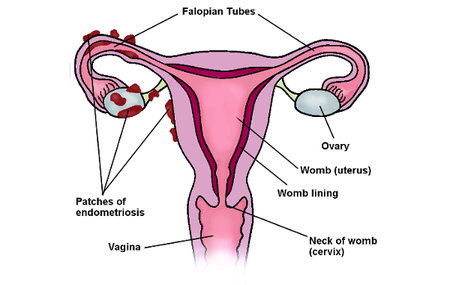
Endometriosis is a prevalent gynecological condition that affects millions of women worldwide. It occurs when the endometrial tissue, which typically lines the uterus, starts growing outside the uterus. This abnormal growth can lead to severe pain, inflammation, and in some cases, fertility issues. This article delves into the complex relationship between endometriosis and pregnancy, exploring the symptoms, treatment options, and strategies to improve fertility for women living with endometriosis.

Endometriosis

Symptoms and Diagnosis: Identifying Endometriosis in Women

The symptoms of endometriosis can vary significantly among women. Some common signs include:

  1. Painful periods (dysmenorrhea)
  2. Heavy bleeding during menstruation
  3. Pain during intercourse (dyspareunia)
  4. Lower back and pelvic pain
  5. Fatigue and gastrointestinal issues

Diagnosing endometriosis can be challenging, as its symptoms often overlap with other conditions. In most cases, doctors rely on a combination of physical examinations, medical history, and imaging tests such as ultrasounds or MRIs. However, the gold standard for endometriosis diagnosis remains laparoscopy. It is a minimally invasive surgical procedure that allows direct visualization of the endometrial lesions.

Endometriosis and Pregnancy: Exploring the Connection

Approximately 30-50% of women with endometriosis experience fertility issues. The connection between endometriosis and fertility is multifaceted, with several factors contributing to the problem:

  1. Inflammation and scarring: Endometriosis can cause inflammation and scarring in the pelvic region. This can interfere with the normal function of reproductive organs such as the fallopian tubes and ovaries.
  2. Altered hormonal environment: Hormonal imbalances related to endometriosis can affect the menstrual cycle and impair ovulation. This makes it difficult for women to conceive.
  3. Immune system dysfunction: Research suggests that endometriosis may be linked to immune system abnormalities. This could hinder the body’s ability to support a healthy pregnancy.

Effective Treatment Strategies to Get Pregnant with Endometriosis

To address fertility concerns in women with endometriosis, healthcare providers employ a range of treatments tailored to the individual’s specific needs:

  1. Medications:
    Hormonal therapies, such as birth control pills, progestins, and gonadotropin-releasing hormone (GnRH) agonists, can help manage endometriosis symptoms.
  2. Surgical interventions:
    Laparoscopic surgery can remove endometrial lesions and scar tissue, potentially improving fertility by restoring normal pelvic anatomy and function.
  3. Assisted reproductive technologies (ART):
    In vitro fertilization (IVF) and intrauterine insemination (IUI) are common ART methods that can help women with endometriosis.

Lifestyle Changes and Self-Care for Pregnancy with Endometriosis

In addition to medical treatments, women with endometriosis can benefit from adopting certain lifestyle changes and self-care practices to support fertility:

  1. Maintain a healthy diet: Consuming a balanced diet rich in fruits, vegetables, whole grains, and lean proteins can help manage inflammation and support overall reproductive health.
  2. Exercise regularly: Moderate physical activity can help regulate hormones, alleviate endometriosis symptoms, and improve fertility.
  3. Manage stress: Stress reduction techniques such as yoga, meditation, or mindfulness can help improve overall well-being and fertility.

Conclusion

Living with endometriosis can be challenging, particularly when it affects fertility. However, with the right support and treatment plan, many women with endometriosis can successfully achieve pregnancy and build the family they desire.

It is essential for women with endometriosis to work closely with their healthcare providers, including primary care physicians, gynecologists, and fertility specialists. This collaborative approach ensures that each patient receives comprehensive, personalized care tailored to their unique circumstances.

Early diagnosis and intervention are crucial to improving fertility outcomes for women with endometriosis. If you suspect you have endometriosis don’t hesitate to discuss your concerns with your healthcare provider. They can help you develop an effective treatment plan, provide guidance on lifestyle changes, and explore assisted reproductive technologies if necessary.

In conclusion, the journey to parenthood for women with endometriosis may be challenging, but it is not impossible. By staying informed, working closely with your healthcare team, and adopting a proactive approach to managing your condition, you can improve your chances of achieving a healthy pregnancy and welcoming a new life into your family.

While we work diligently to provide the most accurate and up-to-date information available, it’s important to remember that every individual’s fertility journey is unique. The advice and content on this blog are intended for general informational purposes only and may not apply to your specific situation. Fertility-related concerns should always be addressed by a licensed healthcare provider. It is crucial to seek professional medical guidance to ensure that any treatments or recommendations align with your individual needs. Please consult with your doctor or a fertility specialist for a more personalized and thorough evaluation.

Fertility Myths

Uncovering Fertility Myths

In today’s society, there are countless misconceptions and myths surrounding fertility. Many individuals are often misinformed, leading to unnecessary worry and confusion. It is essential to debunk these fertility myths and provide accurate information to help individuals make informed decisions. In this article, we will be uncovering the truth behind age and fertility, myths about diet and its impact on reproductive health, understanding male fertility, the role of stress in fertility, the influence of weight on fertility, natural remedies for fertility, and the impact of birth control on future fertility.

The Truth Behind Age and Fertility

One of the most prevalent fertility myths is the belief that women can conceive at any age without any difficulty. However, the truth is that a woman’s fertility gradually declines after her mid-20s and significantly decreases in her late 30s and 40s. While it is still possible to get pregnant at an older age, the chances of success decrease, and the risk of complications, such as miscarriage and birth defects, increases.

Additionally, men’s fertility also declines with age, although not as steeply as women’s. Advanced paternal age can lead to a higher risk of genetic abnormalities and certain health conditions in offspring. It is important for individuals to understand the impact of age on fertility when planning for a family.

It’s important to note that there are various factors that can affect fertility besides age. Lifestyle choices, such as smoking, excessive alcohol consumption, and poor diet, can also have a significant impact on fertility for both men and women. Maintaining a healthy lifestyle, including regular exercise and a balanced diet, can help improve fertility outcomes.

Furthermore, seeking guidance from a fertility specialist can provide valuable insights into individual fertility health. Fertility tests can help assess reproductive potential and identify any underlying issues that may affect conception. By being proactive and informed about fertility, individuals can make empowered decisions when planning for their future family.

Myths About Diet and Its Impact on Reproductive Health

There are several myths surrounding diet and its impact on fertility. One common myth is that consuming certain foods or supplements can significantly boost fertility. While a healthy diet is important for overall reproductive health, there is no magical food or supplement that can guarantee pregnancy.

However, maintaining a balanced diet, rich in fruits, vegetables, whole grains, and lean proteins, can support reproductive health and increase the chances of conception. It is important to consult with a healthcare professional or a fertility specialist to understand any specific dietary recommendations for fertility.

Another misconception is that weight has a direct correlation with fertility. While being underweight or overweight can impact fertility, it is not solely determined by weight. Factors such as hormone levels, stress, and underlying medical conditions also play a crucial role in reproductive health.

Furthermore, certain lifestyle habits like smoking, excessive alcohol consumption, and lack of physical activity can negatively affect fertility. It is essential to adopt a healthy lifestyle that includes regular exercise, adequate sleep, and stress management techniques to optimize reproductive health.

Understanding Male Fertility: What You Need to Know

Fertility discussions often focus primarily on women, but it is essential to understand male fertility as well. Many myths surround male fertility, including the belief that men are fertile indefinitely. However, men also experience a decline in fertility as they age.

Other factors, such as lifestyle choices, stress, and exposure to toxins, can also impact male fertility. Understanding the basics of male reproductive health, including factors that can affect sperm quality and quantity, is crucial for couples trying to conceive.

One crucial aspect of male fertility that is often overlooked is the role of temperature. The testes, where sperm production occurs, are located outside the body in the scrotum because sperm production requires a slightly lower temperature than the body’s core. Tight clothing, hot tubs, and laptops placed directly on the lap can all increase scrotal temperature, potentially impacting sperm quality.

Furthermore, it’s important to note that certain medical conditions and medications can also affect male fertility. Conditions such as varicoceles (enlarged veins within the scrotum) or hormonal imbalances can interfere with sperm production. Additionally, some medications, including anabolic steroids and certain antidepressants, have been linked to decreased sperm production or quality.

The Role of Stress in Fertility: Separating Fact from Fiction

Stress has long been associated with infertility, leading to the belief that relaxation alone can enhance fertility. While excessive stress can disrupt hormonal balance and the menstrual cycle, the relationship between stress and fertility is complex.

While reducing stress is beneficial for overall well-being, it is unlikely to be a stand-alone solution for fertility issues. It is important to investigate other potential factors and consult with medical professionals to address any fertility concerns.

Research has shown that stress can impact both male and female fertility. In women, high levels of stress can lead to irregular menstrual cycles, making it difficult to predict ovulation. For men, stress can affect sperm quality and quantity, potentially reducing the chances of conception.

Moreover, the connection between stress and fertility is not solely biological. Psychological factors, such as anxiety and depression, can also play a role in fertility outcomes. Stress management techniques, such as mindfulness meditation and yoga, may help individuals cope with the emotional toll of infertility, improving overall mental health.

The Influence of Weight on Fertility: What Science Says

Another common fertility myth revolves around weight and its impact on fertility. Some individuals believe that being underweight or overweight can hinder the ability to conceive. While weight does play a role in fertility, it is not the sole determining factor.

Being significantly underweight or overweight can disrupt hormone balance and menstrual cycles, making it more difficult to conceive. Achieving a healthy weight through balanced nutrition and regular exercise can improve fertility outcomes.

Research has shown that women who are underweight may have irregular periods or stop ovulating altogether, which can reduce their chances of getting pregnant. On the other hand, obesity can lead to insulin resistance and hormonal imbalances, affecting the quality of eggs and sperm. These issues can make it harder for couples to conceive naturally.

It’s important to remember that weight is just one piece of the puzzle when it comes to fertility. Factors such as age, overall health, and genetics also play significant roles in determining a person’s reproductive health. Seeking guidance from a healthcare provider or fertility specialist can help individuals understand how weight may be impacting their fertility and what steps they can take to improve their chances of conceiving.

Natural Remedies for Fertility: What Works and What Doesn’t

With the increasing popularity of natural remedies, many individuals turn to alternative therapies to boost fertility. However, it is crucial to differentiate between evidence-based interventions and unsupported claims.

Some natural remedies, such as acupuncture and certain herbal supplements, may have a positive impact on fertility when used in conjunction with conventional treatments. However, it is essential to consult with a fertility specialist before incorporating any natural remedies into a fertility journey.

Acupuncture, an ancient Chinese practice, is believed to help regulate the body’s energy flow, known as Qi, which can in turn improve reproductive health. By stimulating specific points on the body with thin needles, acupuncture aims to promote blood flow to the reproductive organs and balance hormone levels. While research on acupuncture’s effectiveness in enhancing fertility is ongoing, many individuals have reported increased relaxation and reduced stress levels after acupuncture sessions.

In addition to acupuncture, certain herbal supplements like chasteberry, maca root, and evening primrose oil are often touted for their potential fertility-boosting properties. Chasteberry, for example, is thought to help regulate menstrual cycles and balance hormones, while maca root is believed to support overall reproductive health. Evening primrose oil, rich in omega-6 fatty acids, is said to promote cervical mucus production, which can aid in conception. It is important to note, however, that the efficacy of these herbal supplements varies from person to person, and consulting a healthcare provider is recommended to ensure they are safe and appropriate for individual needs.

The Impact of Birth Control on Future Fertility

There is a widespread misconception that using birth control methods, such as the pill or IUD, can permanently damage future fertility. However, the truth is that the effects of birth control on fertility are temporary.

Once a person stops using birth control methods, such as hormonal contraceptives, fertility typically returns to its previous state. While some individuals may experience a brief delay in conceiving after discontinuing birth control, it does not cause long-term infertility.

It is important to understand the facts surrounding birth control methods to make informed decisions about family planning.

Furthermore, it is worth noting that certain types of birth control, such as the copper IUD, do not contain hormones and therefore do not have any impact on future fertility once removed. This non-hormonal option provides a safe and effective contraceptive method for individuals concerned about hormonal influences on their bodies.

Additionally, consulting with a healthcare provider can help individuals explore the wide range of birth control options available and find the one that best suits their needs and future fertility goals. By understanding the mechanisms of different birth control methods and their effects on fertility, individuals can make empowered choices regarding their reproductive health.

Conclusion

Dispelling fertility myths is essential in empowering individuals to make educated choices about their reproductive health. By understanding the truth behind age and fertility, the impact of diet, male fertility, stress, weight, natural remedies, and birth control on fertility, individuals can navigate their fertility journey with confidence.

Remember, consulting with a healthcare professional or a fertility specialist is key to obtaining personalized guidance and support throughout the process. By debunking myths and embracing accurate information, individuals can make informed decisions and take actions that increase their chances of building the family they desire.

What is PCOS?

Unpacking What is PCOS?

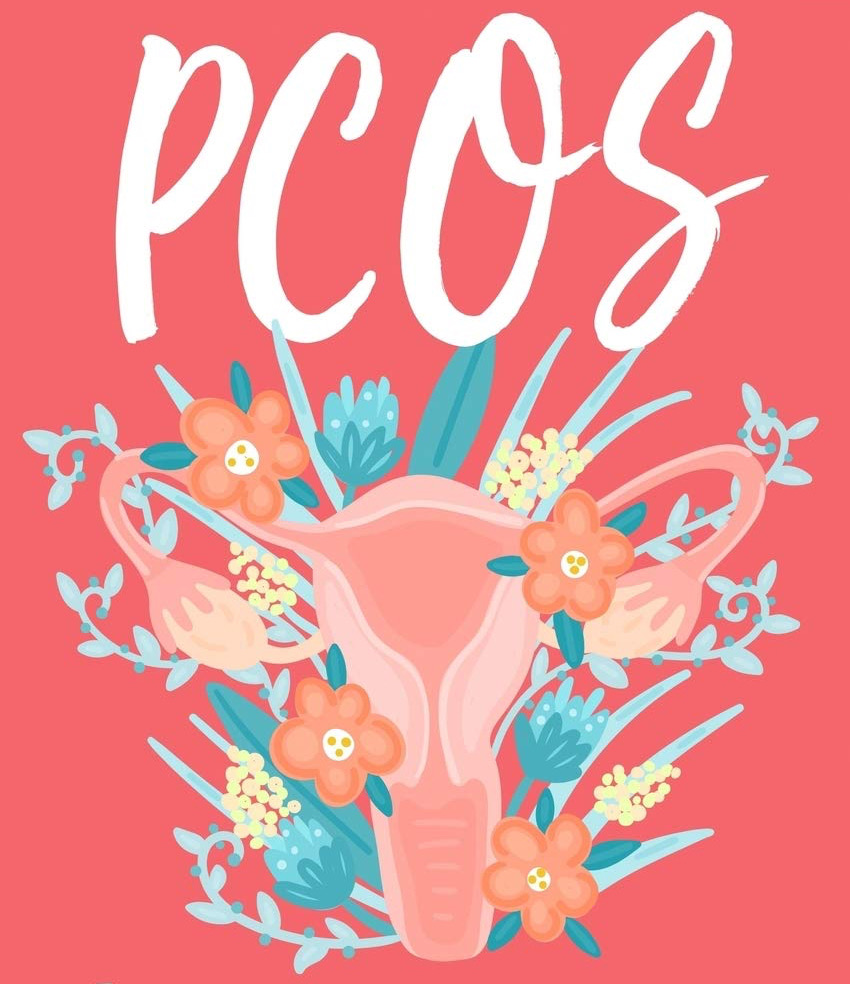
Polycystic Ovary Syndrome (PCOS) is a common hormonal disorder that affects many women of reproductive age. While the exact cause of PCOS remains unknown, there are several key factors that contribute to its development. This article aims to shed light on what PCOS is, its causes, its impact on women’s health, treatment options, lifestyle changes, fertility considerations, and available support and resources.

Understanding the Basics: What is PCOS?

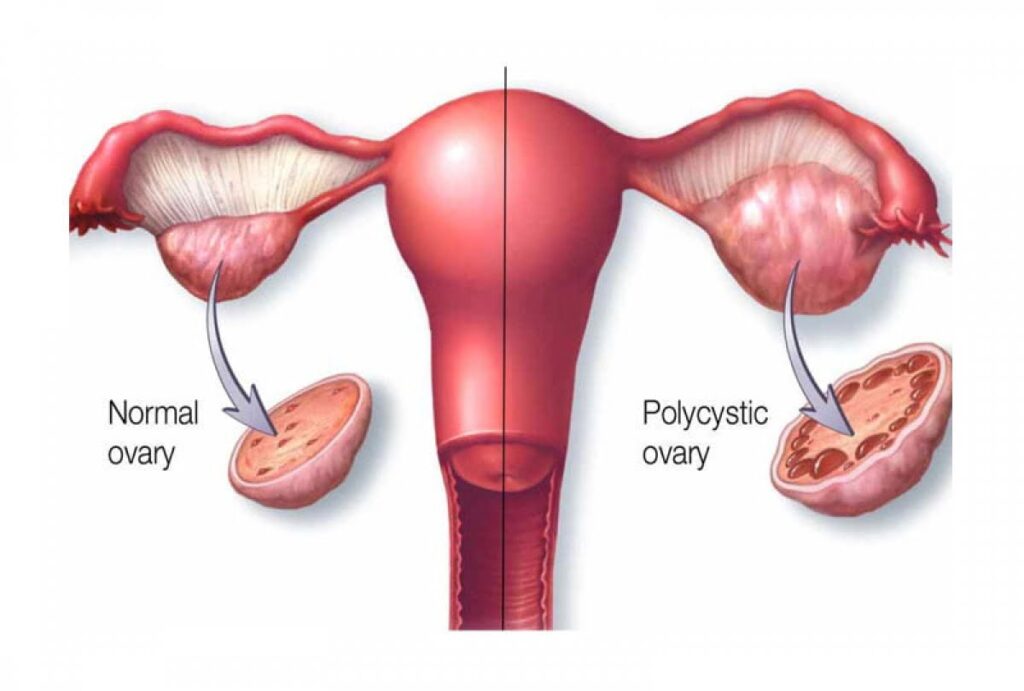
PCOS is a complex condition characterized by hormonal imbalances, irregular menstrual cycles, and the presence of cysts on the ovaries. It is estimated to affect 1 in 10 women worldwide and often begins during the teenage years or early adulthood.

What is PCOS?

PCOS is commonly associated with symptoms such as excess hair growth, acne, weight gain, and difficulties with fertility. However, the symptoms and severity can vary greatly from woman to woman.

Diagnosing PCOS involves evaluating a combination of clinical signs and hormonal imbalances.

It is important to note that PCOS is not just a reproductive disorder. It is a complex endocrine and metabolic condition that can have far-reaching effects on a woman’s overall health. Women with PCOS are at an increased risk of developing other health issues, including type 2 diabetes, high blood pressure, and cardiovascular disease.

Managing PCOS often involves a multidisciplinary approach. This includes lifestyle modifications as well as medical interventions to address specific symptoms. For some women, hormonal contraceptives may be prescribed to help regulate menstrual cycles and reduce androgen levels.

The Causes of PCOS: What We Know So Far

Although the precise cause of PCOS remains unknown, researchers believe that both genetic and environmental factors play a role in its development. In particular, certain gene variants have been associated with an increased risk of developing PCOS.

Hormonal imbalances, such as elevated levels of insulin and androgens, also contribute to the development of PCOS. Insulin resistance, a condition in which the body becomes less responsive to insulin, is often observed in women with PCOS. This can lead to increased insulin production, which in turn stimulates the ovaries to produce more androgens.

Furthermore, lifestyle and dietary factors, such as poor nutrition and a lack of physical activity, can exacerbate the symptoms of PCOS. These factors may contribute to insulin resistance and weight gain, further aggravating the hormonal imbalances associated with PCOS.

Recent studies have also suggested a potential link between environmental toxins and the development of PCOS. Exposure to endocrine-disrupting chemicals found in plastics, pesticides, and personal care products may interfere with hormone regulation in the body, potentially contributing to the hormonal imbalances seen in PCOS. Research in this area is ongoing, with scientists investigating the impact of these environmental factors on the prevalence and severity of PCOS.

In addition to genetic predispositions and environmental influences, stress and mental health can also play a role in the manifestation of PCOS symptoms. Chronic stress can disrupt the delicate balance of hormones in the body, leading to irregular menstrual cycles, weight fluctuations, and other common symptoms of PCOS. Addressing stress through mindfulness practices, therapy, and lifestyle modifications may help manage the symptoms of PCOS and improve overall well-being.

The Impact of PCOS on Women’s Health

PCOS can have wide-ranging effects on a woman’s health, both physically and emotionally. Women with PCOS are at an increased risk of developing other health conditions, including type 2 diabetes, high blood pressure, and cardiovascular disease.

The hormonal imbalances in PCOS can also lead to difficulties with weight management, resulting in obesity or difficulty losing weight. Obesity, in turn, can worsen the symptoms of PCOS and increase the risk of complications.

Additionally, PCOS can have a significant impact on a woman’s emotional well-being. The physical symptoms, such as excess hair growth and acne, can cause distress and negatively affect self-esteem and body image. The challenges of fertility can also take an emotional toll on women with PCOS.

Moreover, the impact of PCOS extends beyond the physical and emotional realms, affecting various aspects of a woman’s life. Women with PCOS may experience disruptions in their menstrual cycles, leading to irregular periods or even infertility. These challenges can not only affect a woman’s reproductive health but also her overall quality of life.

Furthermore, the hormonal imbalances associated with PCOS can manifest in other ways, such as skin discoloration or skin tags. These dermatological symptoms can add to the already complex set of issues that women with PCOS may face, impacting their confidence and sense of well-being.

Treatment Options: Managing PCOS Effectively

While there is no cure for PCOS, there are various treatment options available to manage its symptoms and reduce the risk of complications. The approach to treatment often depends on the individual’s specific symptoms, goals, and reproductive plans.

For some women, hormonal birth control pills may be prescribed to regulate menstrual cycles and reduce androgen levels. In cases where fertility is a concern, medications such as clomiphene citrate or assisted reproductive technologies may be recommended.

Lifestyle changes, including a healthy diet and regular exercise, are also crucial components of PCOS management. A balanced diet that focuses on whole foods, adequate nutrient intake, and weight management can help improve insulin sensitivity and regulate hormone levels.

Furthermore, stress management techniques such as yoga, meditation, or counseling can be beneficial for women with PCOS. Stress can exacerbate symptoms and hormonal imbalances, so finding ways to reduce stress levels can have a positive impact on overall well-being.

In some cases, supplements like inositol, vitamin D, and omega-3 fatty acids may be recommended to support hormone regulation and metabolic function in women with PCOS. These supplements can complement traditional treatment methods and provide additional support for symptom management.

Lifestyle Changes: Diet and Exercise for PCOS

When it comes to managing PCOS, making positive lifestyle changes can greatly impact symptom management and overall well-being. A well-balanced diet that includes whole grains, lean proteins, fruits, and vegetables can help regulate blood sugar levels and support weight management.

Physical activity is equally important for women with PCOS. Regular exercise can help improve insulin sensitivity, promote weight loss, reduce androgen levels, and enhance overall cardiovascular health. Engaging in activities that you enjoy, such as walking, swimming, or yoga, can make it easier to stick to a consistent exercise routine.

Furthermore, incorporating stress-reducing practices like meditation, deep breathing exercises, or mindfulness techniques can also be beneficial for women with PCOS. High levels of stress can exacerbate symptoms of PCOS, so finding ways to relax and unwind can have a positive impact on both physical and mental well-being.

Additionally, staying hydrated is essential for women with PCOS. Drinking an adequate amount of water throughout the day can help support hormone regulation, aid in digestion, and promote healthy skin. It is recommended to carry a reusable water bottle with you to ensure you are meeting your daily hydration needs.

PCOS and Fertility: What You Need to Know

One of the most challenging aspects of PCOS for many women is its impact on fertility. PCOS can disrupt ovulation, making it harder to conceive naturally. However, with the right treatment and support, many women with PCOS can still achieve pregnancy.

Fertility treatments for PCOS often involve medication to stimulate ovulation or assisted reproductive technologies, such as in vitro fertilization (IVF). It’s important for women with PCOS who are planning to conceive to work closely with a healthcare provider who specializes in reproductive medicine to develop an individualized treatment plan.

It’s essential for women with PCOS to understand that managing their condition goes beyond just addressing fertility issues. PCOS is a complex endocrine disorder that can have wide-ranging effects on a woman’s health. These include an increased risk of type 2 diabetes, heart disease, and endometrial cancer. Therefore, a comprehensive approach to treatment may include lifestyle modifications, such as regular exercise and a balanced diet, to help manage symptoms and reduce the long-term risks associated with the condition.

Furthermore, support networks can play a crucial role in helping women with PCOS navigate the emotional challenges that often accompany the condition. Dealing with infertility, hormonal imbalances, and the physical symptoms of PCOS can take a toll on mental well-being. Joining support groups, seeking counseling, or connecting with other women who have PCOS can provide valuable emotional support and practical advice on coping strategies.

Support and Resources for Women with PCOS

Living with PCOS can be challenging, but it is essential to remember that you are not alone. There are numerous support groups, online communities, and resources available to help women with PCOS navigate their journey.

Local and online support groups can provide a safe space for sharing experiences, seeking advice, and finding encouragement from others who understand what it’s like to live with PCOS.

Additionally, healthcare providers specializing in women’s health and reproductive medicine can offer valuable guidance and support throughout the PCOS management process.

It’s important to note that managing PCOS involves a multidisciplinary approach. In addition to medical professionals, nutritionists and dietitians can play a crucial role in helping women with PCOS make dietary choices that support hormone balance and overall health. By focusing on whole, nutrient-dense foods and mindful eating practices, women with PCOS can better manage symptoms such as insulin resistance and weight gain.

Furthermore, incorporating regular physical activity into daily routines can have significant benefits for women with PCOS. Exercise not only helps with weight management but also improves insulin sensitivity and can regulate menstrual cycles. Finding an exercise routine that is enjoyable and sustainable is key to long-term success.

In conclusion, PCOS is a multifaceted condition that affects many aspects of a woman’s health. Unpacking the basics of PCOS, its causes, impact on health, available treatment options, lifestyle changes, fertility considerations, and available support and resources can empower women with PCOS to take an active role in managing their condition and optimizing their overall well-being.

Hear from Our Patients who got pregnant with PCOS

#ivf #ivfjourney #ivfsupport #ivfcommunity #ivfwarrior #fertility #ttc #ttccommunity #ttcjourney #fertilityproblems #ovulation #naturaltreatment #infertility #fertilityproblems #pcos

Fertility Treatments Should not be a Privilege

Fertility Treatments Should not be a Privilege

Reproductive rights play a crucial role in the overall well-being and autonomy of individuals. However, not everyone has equal access to these rights. Fertility privilege, a term that highlights the disparities in reproductive rights, is an important aspect of this discussion. This article aims to explore the impact of fertility privilege on reproductive rights and unveil the associated inequalities.

fertility privilege

Understanding Fertility Privilege

Fertility privilege refers to the advantages and societal privileges given to individuals who conform to traditional norms and expectations regarding reproduction. It is rooted in the way society values and prioritizes certain reproductive behaviors and choices.

When we delve deeper into the concept of fertility privilege. We find that it encompasses more than just the ability to conceive and have children. Fertility privilege also encompasses the social, economic, and psychological benefits experienced by individuals who are able to navigate the journey of reproduction without facing significant obstacles or discrimination.

It is important to recognize that fertility privilege is not a standalone phenomenon. It intersects with broader social inequalities, such as gender, race, class, and disability. These intersections shape the experiences and opportunities of individuals in relation to their reproductive capabilities.

Defining Fertility Privilege

Fertility privilege can be understood as a set of advantages and benefits that are bestowed upon individuals who conform to societal expectations of reproduction. These expectations often revolve around the assumption that everyone should have the ability and desire to procreate.

However, it is crucial to acknowledge that not everyone desires or is able to have children. Fertility privilege perpetuates the idea that those who do not conform to these expectations are somehow lacking or deviating from the norm. This can lead to stigmatization and marginalization of individuals who choose not to have children or face challenges in conceiving.

Moreover, fertility privilege is deeply intertwined with gender norms and expectations. Women, in particular, often bear the brunt of societal pressure to reproduce. Their worth and value as individuals are sometimes measured by their ability to bear children, reinforcing traditional gender roles and expectations.

The Intersection of Fertility and Privilege

Understanding the intersection of fertility and privilege requires us to examine the ways in which different social identities and experiences shape reproductive opportunities and outcomes.

For instance, women of color may face unique challenges in accessing reproductive healthcare and family planning resources due to historical and ongoing discrimination. This can result in limited choices and reduced control over their reproductive lives, further exacerbating existing social inequalities.

Similarly, individuals from lower socioeconomic backgrounds may encounter financial barriers when it comes to fertility treatments, adoption, or raising children. The cost of reproductive technologies and services can be prohibitive, creating a divide between those who can afford them and those who cannot.

Furthermore, individuals with disabilities may face additional obstacles in navigating the realm of reproduction. They may encounter societal assumptions and biases that question their ability to be parents, leading to discrimination and limited access to support systems.

Acknowledging these intersections is essential for understanding the full impact of fertility privilege. It is only by recognizing and challenging these inequalities that we can work towards a more inclusive and equitable society. Where reproductive choices and opportunities are not dictated by societal norms and expectations.

The Historical Context of Fertility Privilege

The evolution of reproductive rights and societal norms has played a crucial role in shaping fertility privilege. Understanding this historical context is crucial in unpacking the current inequalities surrounding reproductive rights.

In order to fully comprehend the complexities of fertility privilege. It is important to delve into the historical landscape that has shaped its existence. Throughout history, societies have held varied beliefs and attitudes towards reproduction. Resulting in a diverse range of norms and laws surrounding reproductive rights.

Over the course of centuries, progress has been made in terms of recognizing and advocating for reproductive rights. However, it is important to acknowledge that this progress has not been equal for all individuals. The uneven trajectory of reproductive rights has contributed to the persistence of fertility privilege, which continues to impact marginalized communities.

The Evolution of Reproductive Rights

Throughout different eras, societies have grappled with defining and regulating reproductive rights. From ancient civilizations to modern times, the understanding and recognition of these rights have evolved significantly. In some societies, reproduction was seen as a fundamental duty, while in others, it was subject to strict regulations and control.

During the Renaissance period, for example, there was a shift towards recognizing women’s reproductive autonomy. The concept of “maternal instinct” emerged, highlighting the importance of a woman’s ability to bear children. However, this newfound recognition of reproductive rights was often limited to certain social classes, leaving marginalized groups without agency over their own fertility.

In the 20th century, the fight for reproductive rights gained momentum. The suffrage movement and the advent of modern contraception methods paved the way for greater reproductive autonomy for women. The landmark Supreme Court case, Roe v. Wade, in 1973, further solidified the right to access safe and legal abortion in the United States. However, even with these advancements, reproductive rights continue to be a contested and politicized issue in many parts of the world.

Societal Norms and Fertility Privilege

Embedded within societal expectations are norms that perpetuate fertility privilege, often favoring heteronormative, reproductive relationships. These norms can reinforce stereotypes about gender roles and exclude individuals who do not conform to these prescribed expectations.

Historically, women have been burdened with the expectation of motherhood, which has limited their choices and opportunities. The pressure to conform to traditional gender roles has marginalized those who do not desire or are unable to have children. This exclusionary mindset not only impacts individuals who identify as women but also men who may face stigmatization for not conforming to societal expectations of fatherhood.

Furthermore, fertility privilege intersects with other forms of privilege, such as race and socioeconomic status. Marginalized communities, including people of color and those from lower socioeconomic backgrounds, often face additional barriers when it comes to accessing reproductive healthcare and making autonomous decisions about their fertility.

It is essential to challenge and dismantle these societal norms that perpetuate fertility privilege. By recognizing and respecting the diverse reproductive choices and experiences of all individuals, we can work towards a more equitable and inclusive society.

The Consequences of Fertility Privilege

Fertility privilege has far-reaching consequences, impacting individuals and society as a whole. These consequences extend beyond the ability to conceive or give birth and encompass various aspects of life.

One of the significant consequences of fertility privilege is the psychological impact it has on individuals who face barriers to reproductive rights. For those who are unable to conceive or give birth due to fertility privilege, the emotional toll can be immense. These individuals may experience psychological distress and feelings of inadequacy. Constantly grappling with the societal pressure to conform to traditional expectations of parenthood.

The constant pressure to conform can cause emotional strain, leading to increased stress and anxiety. The desire to have a child is deeply ingrained in many individuals, and when that desire is thwarted by fertility privilege, it can have profound effects on their mental well-being. The feelings of inadequacy and the fear of being judged by others can create a sense of isolation and contribute to a decline in overall mental health.

The Economic Implications

In addition to the psychological impact, fertility privilege can also perpetuate economic inequalities. Individuals without access to comprehensive reproductive healthcare may be limited in their education, career opportunities, and earning potential. The financial burden of fertility treatments and assisted reproductive technologies can be overwhelming, further exacerbating the economic divide.

For those who cannot afford the high costs associated with fertility treatments. The inability to conceive or give birth can have long-lasting implications on their economic well-being. Limited access to reproductive healthcare can hinder educational pursuits. As individuals may have to prioritize their financial resources towards medical expenses rather than investing in their education.

Furthermore, the economic implications of fertility privilege can perpetuate cycles of poverty and social inequality. Those who are unable to afford fertility treatments may find themselves at a disadvantage in the job market. As employers may perceive them as less committed or less capable due to their reproductive challenges. This can lead to limited career opportunities and a lower earning potential. Further widening the economic gap between those with fertility privilege and those without.

In conclusion, fertility privilege has profound consequences that extend beyond the ability to conceive or give birth. The psychological impact of facing barriers to reproductive rights can lead to emotional distress and feelings of inadequacy. Additionally, the economic implications of fertility privilege can perpetuate economic inequalities and hinder educational and career opportunities. It is crucial to address these consequences and work towards a society that provides equal access to reproductive healthcare for all individuals.

Inequalities in Reproductive Rights

Reproductive rights are not equally accessible to all individuals, with certain groups facing greater challenges and discrimination. The disparities in reproductive healthcare and legal barriers contribute to these inequalities.

When examining the disparities in access to reproductive healthcare, it becomes evident that marginalized communities often face limited options. Factors such as geographic location, socioeconomic status, and discriminatory practices can create significant barriers to essential reproductive services. For example, individuals living in rural areas may have to travel long distances to access a reproductive healthcare provider, making it difficult to receive timely and necessary care.

Furthermore, socioeconomic status plays a crucial role in determining the level of access to reproductive healthcare. Individuals with lower incomes may struggle to afford the cost of contraception, abortion, or fertility treatments. Placing them at a disadvantage compared to those with greater financial resources. This financial barrier can perpetuate a cycle of inequality. As individuals who cannot afford reproductive healthcare may face unintended pregnancies or difficulties in starting a family.

Disparities in Access to Reproductive Healthcare

Marginalized communities often face limited access to quality reproductive healthcare. Factors such as geographic location, socioeconomic status, and discriminatory practices can create significant barriers to essential reproductive services, including contraception, abortion, and fertility treatments.

In addition to geographic and financial barriers. Discriminatory practices within the healthcare system can further exacerbate the inequalities in reproductive healthcare. For example, individuals from racial and ethnic minority groups may experience bias and discrimination when seeking reproductive healthcare services. This can lead to inadequate or substandard care, further widening the gap in access to reproductive rights.

Moreover, individuals with disabilities may encounter additional challenges in accessing reproductive healthcare. The lack of accessible facilities, equipment, and information can create barriers for individuals with disabilities who are seeking reproductive services. This exclusionary environment not only limits their ability to exercise their reproductive autonomy but also perpetuates ableism within the healthcare system.

Legal Barriers and Reproductive Rights

Laws and policies can both support and impede reproductive rights. In some regions, legal barriers hinder the ability to access reproductive healthcare, creating additional obstacles for individuals seeking to exercise their reproductive autonomy. Navigating these legal frameworks can be burdensome, particularly for marginalized populations.

For example, restrictive abortion laws can impose unnecessary waiting periods. Mandatory counseling, and other requirements that delay or restrict access to abortion services. These laws disproportionately affect individuals with limited resources. Who may struggle to meet the additional financial and logistical burdens imposed by such regulations.

Furthermore, transgender and gender non-conforming individuals often face legal barriers when seeking reproductive healthcare. In many jurisdictions, there are inconsistencies and gaps in laws and policies regarding their access to gender-affirming healthcare, including reproductive services. This lack of legal protection can result in discrimination, denial of care, and a violation of their reproductive rights.

It is essential to recognize and address these disparities and legal barriers to ensure that all individuals have equal access to reproductive rights. By advocating for comprehensive and inclusive reproductive healthcare policies. Society can work towards a more equitable future where everyone can exercise their reproductive autonomy without facing discrimination or obstacles.

Challenging Fertility Privilege

Efforts to challenge fertility privilege have emerged in various forms, aiming to achieve equal reproductive rights for all individuals.

Advocacy for Equal Reproductive Rights

Advocacy groups and grassroots movements play a vital role in raising awareness about fertility privilege and advocating for equal reproductive rights. By challenging societal norms and promoting inclusivity, these groups aim to dismantle barriers and ensure autonomy over reproductive choices.

Policy Changes and Their Impact

Policies and legislation that promote inclusive reproductive healthcare are crucial steps in addressing fertility privilege and reducing reproductive inequalities. Implementing comprehensive sex education, increasing access to contraception, and supporting reproductive healthcare services are key policy changes that can help level the playing field.

In conclusion, fertility privilege significantly impacts reproductive rights by perpetuating inequalities. By acknowledging and addressing this privilege, society can take steps towards creating a more equitable and inclusive reproductive healthcare system. Efforts to challenge fertility privilege through advocacy and policy changes play a vital role in fostering reproductive autonomy for all individuals. Ultimately aiming for a more just and equal society.

#ivf #ivfjourney #ivfsupport #ivfcommunity #ivfwarrior #fertility #ttc #ttccommunity #ttcjourney #fertilityproblems #ovulation #naturaltreatment #infertility #fertilityproblems

fertility privilege