Currently Viewing Posts in Educational

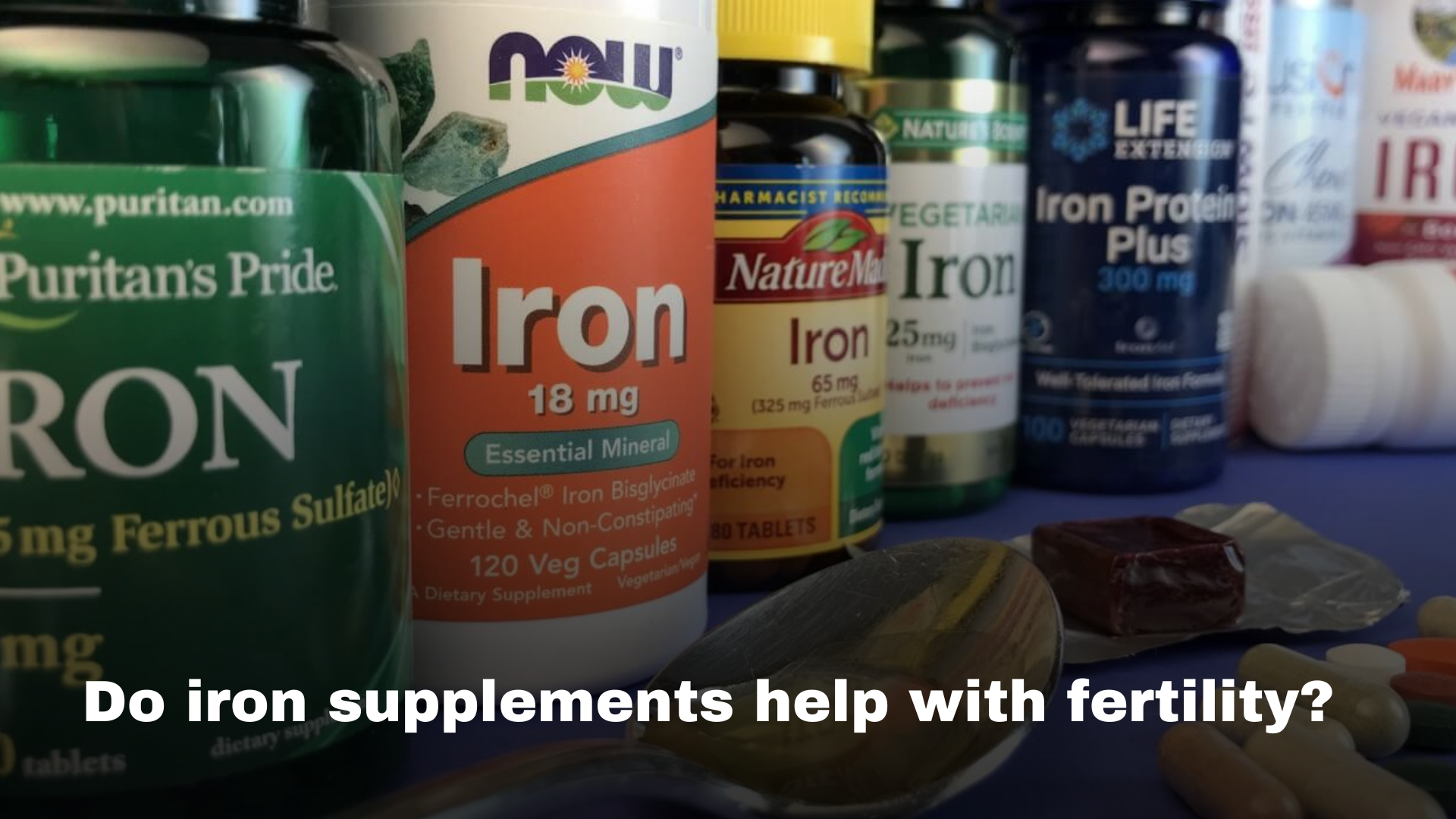
Do iron supplements help with fertility

Discover the potential benefits of iron supplements for fertility in this comprehensive article.

Do iron supplements help with fertility

Iron is an essential mineral that plays a crucial role in various bodily functions. One area where iron has been of particular interest is in its potential impact on fertility. Many studies have explored the connection between iron levels and reproductive health, leading to the question: do iron supplements help with fertility? In this article, we will delve into the complexities of fertility, the importance of iron in the body, the uses of iron supplements, the connection between iron and fertility, and the risks and considerations of iron supplementation.

Understanding Fertility and Its Complexities

Fertility is a multifaceted process that involves various factors, including hormonal balance, reproductive organ health, and overall well-being. For couples trying to conceive, understanding the complexities of fertility can be both enlightening and overwhelming. While iron is just one piece of the fertility puzzle, its role should not be disregarded.

When delving into the realm of fertility, it’s crucial to recognize that it is not solely a physical process but also an emotional journey for many individuals. The stress and pressure associated with trying to conceive can impact hormone levels and reproductive health, further highlighting the intricate nature of fertility.

The Role of Nutrition in Fertility

Nutrition plays a vital role in reproductive health, and ensuring an adequate intake of essential nutrients is essential for both men and women trying to conceive. While various nutrients contribute to fertility, iron is particularly important.

Iron, a mineral known for its role in carrying oxygen throughout the body, also plays a significant role in fertility. In women, iron deficiency can lead to anovulation, where the ovaries do not release an egg, thus affecting fertility. For men, iron is essential for sperm production and quality, underscoring its importance for couples on the conception journey.

Defining Fertility: A Brief Overview

Before discussing the potential impact of iron supplements on fertility, it is essential to have a basic understanding of fertility itself. Fertility refers to the ability to conceive and produce offspring. While it may seem straightforward, fertility is influenced by numerous factors, making it a complex and intricate process.

Factors such as age, genetics, lifestyle choices, and environmental influences all play a role in determining an individual’s fertility. Understanding these various factors can empower individuals and couples to make informed decisions regarding their reproductive health and fertility journey.

The Importance of Iron in the Human Body

Iron is a mineral that is vital for the proper functioning of the human body. It is a key component of hemoglobin, the molecule responsible for carrying oxygen in the blood. Without adequate iron levels, the body’s ability to transport oxygen to various organs and tissues is compromised.

Furthermore, iron is not only essential for oxygen transport but also plays a critical role in enzyme functions within the body. Enzymes are proteins that facilitate various biochemical reactions necessary for metabolism, growth, and development.

Iron and Its Function in the Body

Iron plays a crucial role in various physiological processes, including energy production, DNA synthesis, and the formation of RBCs. Additionally, iron contributes to the proper functioning of the immune system and cognitive development.

In addition to its role in energy production, iron is also involved in the metabolism of proteins and fats. It helps convert nutrients from food into energy that the body can use for various activities.

The Consequences of Iron Deficiency

Iron deficiency, also known as anemia, is a widespread condition that affects millions of people worldwide. The consequences of iron deficiency can range from mild fatigue and weakness to more severe symptoms such as shortness of breath, rapid heart rate, and impaired immune function.

Moreover, iron deficiency can have long-term effects on cognitive function, particularly in children and pregnant women. Inadequate iron levels can impair brain development and lead to learning difficulties, memory problems, and decreased attention span.

Iron Supplements and Their Uses

To address iron deficiency and ensure optimal iron levels, supplements are often recommended. These supplements come in different forms, including ferrous sulfate, ferrous gluconate, and ferrous fumarate.

Iron is an essential mineral that plays a crucial role in the bodily functions, including the transportation of oxygen in the blood. When the body lacks sufficient iron, it can lead to symptoms such as fatigue, weakness, and decreased immune function. Iron supplements can help replenish iron stores and improve overall health and well-being.

Different Types of Iron Supplements

There are various types of iron supplements available, each with its own characteristics and absorption rates. It is crucial to choose the right iron supplement based on individual needs and preferences, as absorption rates can vary.

Ferrous sulfate is one of the most common forms of iron supplements and is known for its high iron content. It is another popular option, especially for individuals who experience gastrointestinal side effects from other forms of iron. Ferrous fumarate is a well-tolerated form of iron that is often recommended for pregnant women and those with iron deficiency anemia.

When Should You Consider Taking Iron Supplements?

Iron supplements are typically recommended for individuals diagnosed with iron deficiency anemia. Additionally, certain populations, such as pregnant women and individuals with heavy menstrual bleeding, may benefit from iron supplementation to support their increased iron requirements.

It is important to consult with a healthcare provider before starting iron supplements, as excessive iron intake can lead to toxicity. Blood tests may be necessary to determine iron levels and the appropriate dosage of iron supplements to avoid potential side effects.

The Connection Between Iron and Fertility

Research examining the potential link between iron and fertility has yielded mixed results. While some studies suggest a positive correlation between iron levels and fertility, others show no significant association.

Iron, a crucial mineral for various bodily functions, plays a significant role in reproductive health. In women, iron is essential for the production of healthy eggs and proper hormone regulation, both of which are vital for fertility. Similarly, in men, iron is necessary for the production of healthy sperm and overall reproductive function.

Scientific Findings on Iron and Fertility

A study published in the Journal of Nutrition found that women with higher iron intakes had a lower risk of infertility caused by ovulatory disorders. Another study published in the European Journal of Clinical Nutrition demonstrated a positive association between iron levels and fertility in women seeking infertility treatment.

Furthermore, iron is known to play a crucial role in the implantation and development of the embryo. Adequate iron levels in the body ensure proper blood flow to the uterus, creating a favorable environment for embryo implantation and growth.

Iron Supplements and Male Fertility

While most studies on iron and fertility focus on women, it is essential to acknowledge that iron levels can also impact male fertility. Iron deficiency in men has been associated with reduced sperm quality and count, potentially affecting fertility.

Studies have shown that iron supplementation in men with low iron levels can lead to improvements in sperm quality and motility. Therefore, maintaining optimal iron levels is crucial for both male and female reproductive health.

Risks and Considerations of Iron Supplementation

While iron supplementation can be beneficial for individuals with iron deficiency, it is important to consider potential risks and drawbacks.

Iron is an essential mineral that plays a crucial role in various bodily functions, including the transportation of oxygen in the blood. However, excessive iron levels in the body can lead to toxicity, causing symptoms such as fatigue, joint pain, and organ damage. Therefore, it is vital to strike a balance when incorporating iron supplements into your diet.

Potential Side Effects of Iron Supplements

Iron supplements can cause side effects such as constipation, nausea, and abdominal discomfort. It is crucial to follow recommended dosages and consult healthcare professionals when considering iron supplementation.

In some cases, individuals may experience allergic reactions to iron supplements, leading to symptoms like hives, itching, or difficulty breathing. If you notice any unusual symptoms after taking iron supplements, seek medical attention immediately.

How to Safely Incorporate Iron Supplements into Your Diet

If you are considering taking iron supplements, it is important to discuss it with your healthcare provider. They can help determine the appropriate dosage and provide guidance on how to incorporate iron supplements into your diet in a safe and effective manner.

It is essential to note that certain foods and medications can interfere with the absorption of iron in the body. For example, calcium-rich foods, coffee, and antacids can inhibit iron absorption, so it is advisable to space out the consumption of these items from your iron supplements.

While iron supplements may play a role in fertility, it is crucial to approach fertility as a comprehensive health issue. Maintaining a balanced diet, engaging in regular physical activity, and managing stress levels are also important factors to consider. By taking a holistic approach to fertility, couples can optimize their chances of conceiving and promote overall reproductive health.

Furthermore, it is essential to monitor your iron levels regularly, especially if you are pregnant or have a chronic illness. Your healthcare provider can conduct tests to assess your iron status and adjust your regimen accordingly to prevent any complications.
Your subscription could not be saved. Please try again.
Your subscription has been successful.

Stay Informed

Subscribe to our newsletter to receive treatment updates

Alternatives to Spironolactone for PCOS

Alternatives to spironolactone for PCOS hair growth: birth control pills, flutamide, finasteride. What reviews found, pregnancy safety and time to results.

Written by the Fertility Cloud medical team. Medically reviewed by Dr. Gary Levy, board-certified reproductive endocrinologist and infertility specialist. Last reviewed: 15 November 2026.

Short answer: Combined birth control pills, flutamide and finasteride all reduce excess hair growth, and reviews found the antiandrogens work about as well as spironolactone. Metformin did not help hirsutism. Antiandrogens must be avoided in pregnancy, so they are not used while trying to conceive.

What antiandrogens do

PCOS often causes high androgens, which can cause excess facial and body hair (hirsutism) and acne. Antiandrogens block androgen effects or lower their activity.

The main options

OptionWhat reviews found
Combined oral contraceptivesSuperior to placebo; antiandrogen added to a pill works better than the pill alone
SpironolactoneEffective compared with placebo
FlutamideEffective compared with placebo; has been associated with serious liver side effects
FinasterideSimilar efficacy to the other antiandrogens in the network meta-analysis, though results were inconsistent in other comparisons
MetforminLow-quality evidence that it does not help hirsutism

Safety to know

  • Spironolactone often causes irregular bleeding.
  • Finasteride should be avoided in pregnancy.
  • Flutamide can affect the liver, so it needs monitoring.
  • Antiandrogens are not used while trying to conceive.

What to expect

Treatment takes 6 to 18 months to reach its full effect, and early treatment works best. Hair growth often returns when treatment stops. Combining medication with mechanical hair removal is often the best approach.

Frequently asked questions

What can I use instead of spironolactone for PCOS?

Combined oral contraceptives, flutamide or finasteride are the main alternatives, and your doctor may combine a pill with an antiandrogen. Mechanical hair removal can be added.

Does metformin help PCOS hair growth?

Low-quality evidence found metformin was ineffective for hirsutism, although it may help other PCOS problems.

How long until I see results?

Drug therapy takes about 6 to 18 months for maximal results, and hair growth usually returns if treatment stops.

Can I take these if I want to get pregnant?

No. Antiandrogens should be avoided in pregnancy, so talk to your doctor about stopping and about ovulation treatment before trying to conceive.

Sources

Your subscription could not be saved. Please try again.
Your subscription has been successful.

Stay Informed

Subscribe to our newsletter to receive treatment updates

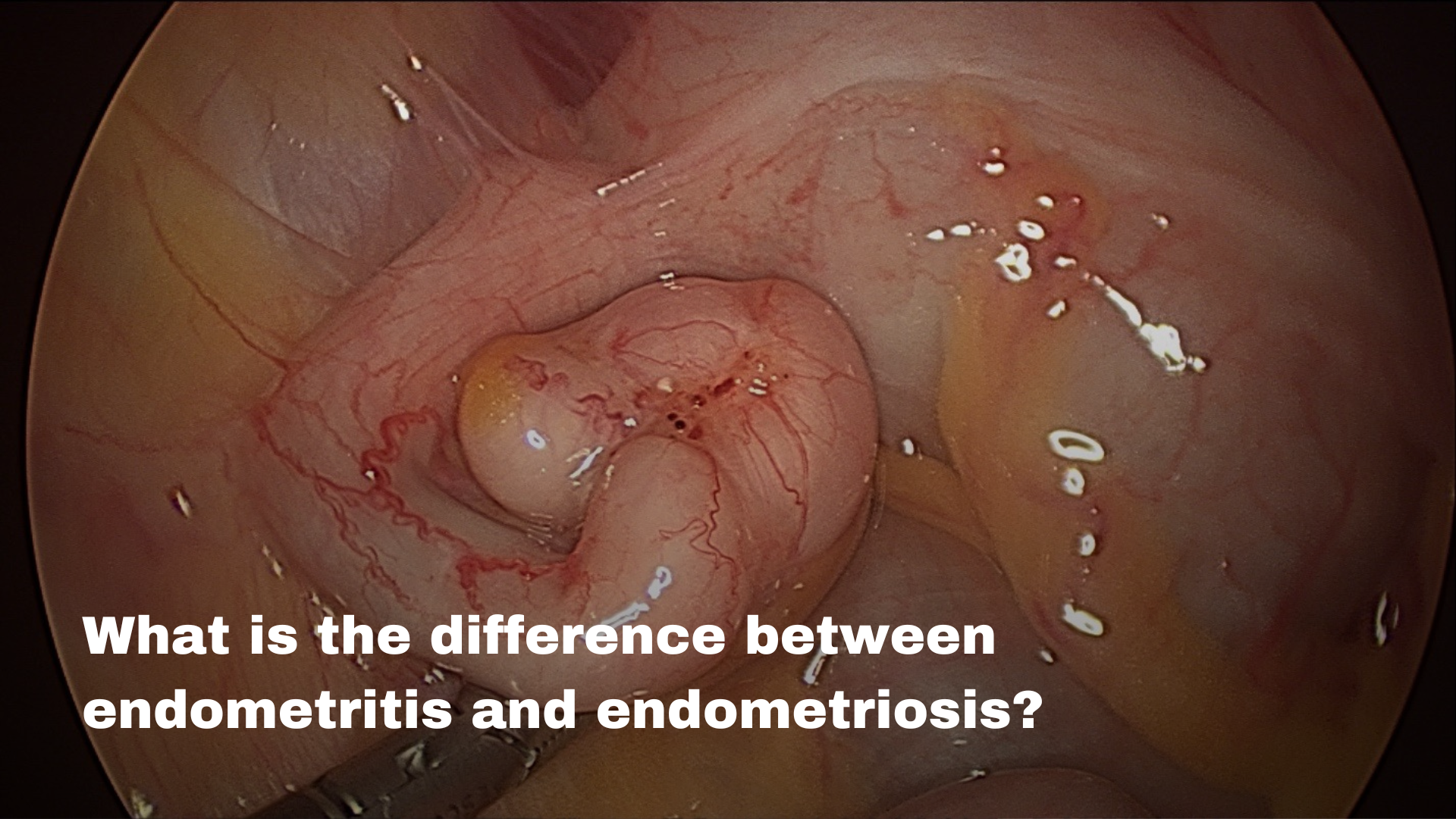
Endometritis vs Endometriosis: Differences, Symptoms and Fertility

Endometritis is inflammation or infection of the uterine lining; endometriosis is lining-like tissue outside the uterus. Symptoms, treatment, fertility.

Written by the Fertility Cloud medical team. Medically reviewed by Dr. Gary Levy, board-certified reproductive endocrinologist and infertility specialist. Last reviewed: 15 November 2026.

Short answer: Endometritis is inflammation or infection of the uterine lining, usually treated with antibiotics. Endometriosis is tissue like the uterine lining growing outside the uterus. It is not an infection and is treated differently.

Endometritis

  • Inflammation or infection of the uterine lining, often after infection, childbirth or miscarriage.
  • Chronic endometritis may have no symptoms; some women have spotting or pelvic discomfort.
  • Diagnosed by hysteroscopy and an endometrial biopsy.
  • Usually treated with antibiotics, commonly doxycycline for about 2 weeks.
  • Evidence that treating it raises pregnancy rates is mixed.

Endometriosis

  • Tissue like the uterine lining grows outside the uterus; it is not an infection.
  • Symptoms: painful periods, pelvic pain, pain with sex, and sometimes infertility.
  • Treatment includes pain medicine, hormones, surgery and fertility treatment.

See our endometriosis and infertility guide and infections and fertility guide. If you have pelvic pain or repeated failed cycles, ask about testing; see our female fertility tests guide.

Frequently asked questions

Is endometritis the same as endometriosis?

No. One is an infection or inflammation; the other is tissue growing outside the uterus.

Can endometritis cause infertility?

Chronic endometritis has been linked to implantation problems and miscarriage, but treatment evidence is mixed.

How is endometritis treated?

With antibiotics, commonly doxycycline for about 2 weeks.

Can both be present?

Yes, they can coexist.

Sources

Your subscription could not be saved. Please try again.
Your subscription has been successful.

Stay Informed

Subscribe to our newsletter to receive treatment updates

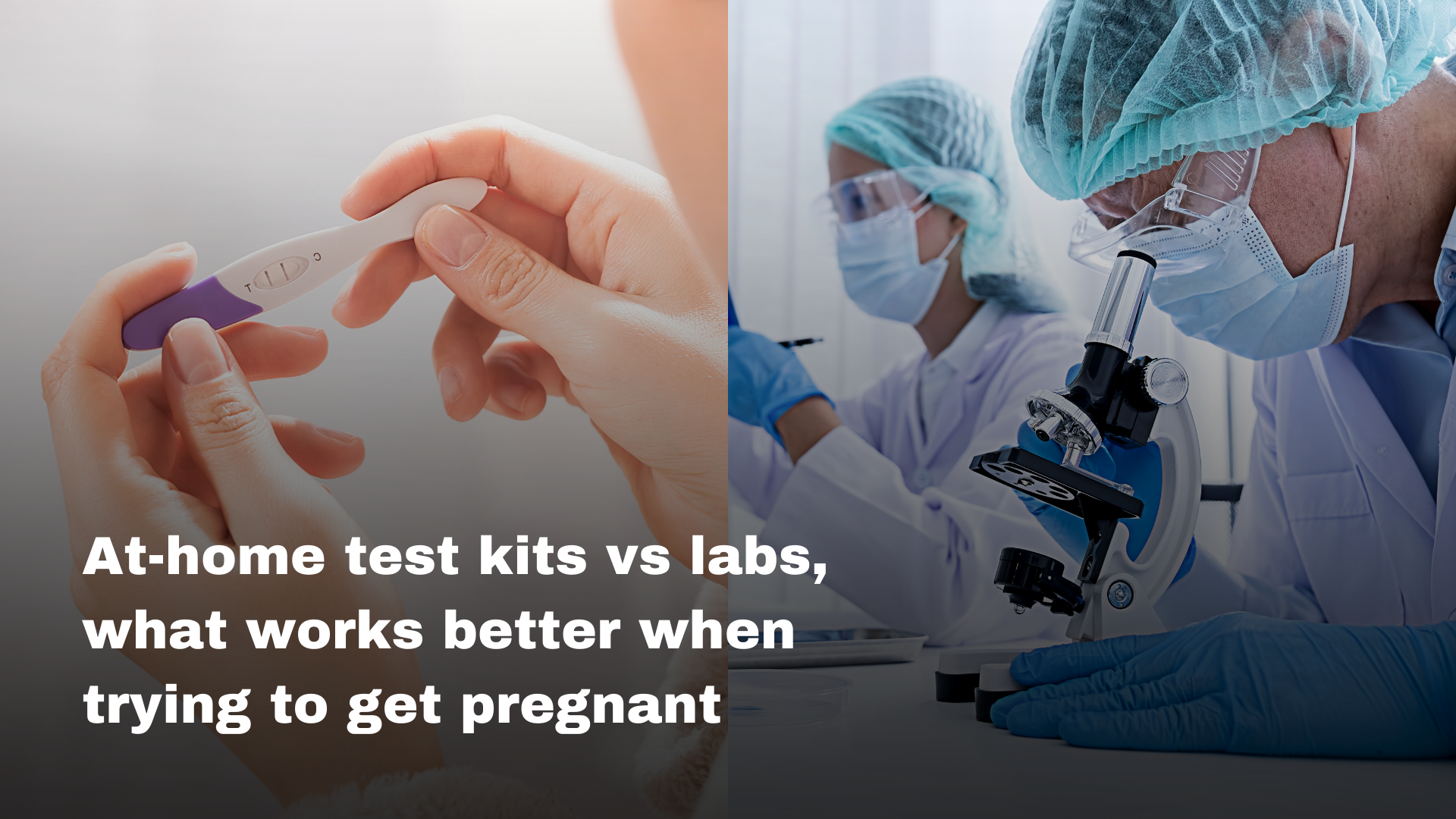
At-home test kits vs visiting labs – what works better when trying to get pregnant

Discover the pros and cons of at-home test kits versus visiting labs when trying to conceive.

At-home test kits vs visiting labs – what works better when trying to get pregnant

When it comes to trying to conceive, understanding your fertility is crucial. Knowing when you ovulate and identifying any potential fertility issues can greatly increase your chances of getting pregnant. There are two popular options for fertility testing: at-home test kits and visiting labs. In this article, we will explore the pros and cons of each method to help you make an informed decision on what works best for you.

Understanding Fertility: The Basics

The Role of Ovulation in Pregnancy

Ovulation, a crucial process in the journey to conception, is the intricate mechanism by which a mature egg is released from the ovary. This pivotal event typically takes place approximately midway through the menstrual cycle, orchestrated by a delicate interplay of hormones. The released egg stands poised, awaiting the possibility of fertilization by sperm, embarking on a transformative odyssey towards the uterus where it may find its sanctuary for implantTation. Understanding the nuances of ovulation and its timing is paramount for those aspiring to conceive, as it delineates the opportune moments for attempts at pregnancy.

Delving deeper into the realm of ovulation unveils a symphony of biological intricacies, where the ripening of the egg, the surge of luteinizing hormone, and the preparation of the uterine lining harmonize in a choreographed ballet. This choreography, synchronized with the menstrual cycle, sets the stage for the potential creation of new life, embodying the miraculous fusion of egg and sperm. The journey of the egg, from its liberation from the ovary to its potential union with sperm, is a testament to the marvels of human reproduction, a symphonic overture to the grand narrative of fertility.

Common Fertility Issues and Their Causes

Amidst the tapestry of human fertility, there exist a myriad of factors that can influence the delicate balance between conception and infertility. From hormonal imbalances that disrupt the intricate hormonal milieu essential for reproduction, to structural abnormalities that impede the physical pathways to conception, and underlying health conditions that cast a shadow over the fertility landscape, the causes of fertility issues are as diverse as they are profound. Recognizing and unraveling these potential impediments early on is paramount, as it paves the way for a comprehensive exploration of tailored fertility treatments, offering hope and possibilities to those navigating the labyrinth of fertility challenges.

At-Home Test Kits: An Overview

At-home test kits vs visiting labs - what works better when trying to get pregnant

At-home test kits have revolutionized the way individuals can monitor their health and wellness from the comfort of their own homes. In addition to fertility test kits, there are now a wide variety of at-home tests available for different purposes, such as DNA testing, food sensitivity testing, and even COVID-19 testing. These kits are designed to be user-friendly and convenient, allowing individuals to take control of their health without the need for a visit to a healthcare provider.

How Do At-Home Test Kits Work?

At-home fertility test kits are designed to be user-friendly and convenient. They usually involve collecting and testing samples such as urine or saliva. These tests detect hormone levels or other indicators of fertility to help you understand your ovulation patterns. The samples collected are then analyzed using specific reagents or technologies included in the kit, providing users with easy-to-understand results in a matter of minutes.

Pros and Cons of Using At-Home Test Kits

One major advantage of using at-home test kits is the convenience they offer. You can perform the tests in your own home and at your own convenience. These kits are typically affordable and readily available over-the-counter or online. However, it’s important to note that they may not provide a comprehensive evaluation of your fertility status, and the accuracy of the results may vary. It is always recommended to consult with a healthcare provider for a more thorough assessment if needed.

Visiting Labs: A Closer Look

The Process of Lab Testing for Fertility

When you visit a lab for fertility testing, trained professionals will collect your samples and perform more in-depth analysis. This may involve blood tests, ultrasounds, or other diagnostic procedures. The results are usually interpreted by healthcare professionals with expertise in reproductive medicine.

At-home test kits vs visiting labs - what works better when trying to get pregnant

Furthermore, the environment of a fertility lab is carefully controlled to ensure the accuracy and reliability of the test results. From the precise temperature settings to the specialized equipment used, every detail is meticulously managed to maintain the integrity of the samples and the validity of the analyses. This level of quality control is crucial in fertility testing to provide patients with the most reliable information about their reproductive health.

Advantages and Disadvantages of Lab Visits

Lab visits offer a more comprehensive evaluation of your fertility status. The accuracy of the results is generally higher compared to at-home test kits. Additionally, healthcare professionals can provide personalized guidance and recommend appropriate treatments if any fertility issues are identified. However, visiting labs can be time-consuming, expensive, and may require multiple appointments.

Moreover, the expertise of the professionals in a fertility lab cannot be understated. These individuals have undergone extensive training and have a deep understanding of reproductive biology and fertility issues. Their knowledge and experience allow them to not only conduct the tests accurately but also to offer insights and recommendations based on the results, guiding patients towards the most suitable path forward in their fertility journey.

Comparing At-Home Test Kits and Lab Visits

Accuracy of Results: Home Kits vs Labs

While at-home test kits can provide a good indication of ovulation, lab visits are generally more accurate in assessing overall fertility status. Lab tests can evaluate various factors such as hormone levels, ovarian reserve, and sperm quality, providing a more comprehensive picture of your fertility.

It’s important to note that at-home test kits may have limitations in detecting certain conditions or abnormalities that require more specialized testing. Lab visits, with their access to advanced equipment and trained professionals, can offer a higher level of precision in diagnosing fertility issues.

Cost Comparison: Home Kits vs Labs

At-home test kits are generally more affordable compared to lab visits. However, it’s important to consider the potential additional costs if further testing or treatments are required based on the results. Lab visits may be covered by insurance, reducing the financial burden for some individuals.

Additionally, some fertility clinics offer package deals for comprehensive fertility assessments that may include multiple tests and consultations at a discounted rate. This can make lab visits a cost-effective option for individuals seeking a thorough evaluation of their fertility status.

Convenience and Privacy: Home Kits vs Labs

At-home test kits offer the advantage of convenience and privacy. You can perform the tests in the comfort of your own home, at your own pace. On the other hand, lab visits may require scheduling appointments and taking time off work. Some individuals may prefer the reassurance of having their samples analyzed by trained professionals in a clinical setting.

Furthermore, for individuals with busy schedules or mobility issues, at-home test kits provide a convenient solution that eliminates the need for travel to a medical facility. The privacy of conducting tests at home can also be appealing to those who prefer to keep their fertility concerns confidential.

Making the Right Choice for Your Fertility Journey

Embarking on a fertility journey is a deeply personal and significant decision for many individuals or couples. It involves careful consideration of various factors that can impact the path towards parenthood. When deciding between at-home test kits and lab visits, it is crucial to weigh your options thoughtfully, taking into account your specific needs and preferences.

If you have been trying to conceive for an extended period without success or if you suspect underlying fertility issues, seeking guidance from a healthcare professional is highly recommended. Reproductive specialists, gynecologists, or fertility clinics have the expertise to provide tailored advice based on your individual circumstances. They can help you navigate the complexities of fertility testing, interpret your results accurately, diagnose any underlying issues, and recommend suitable treatments or interventions if necessary.

Factors to Consider When Choosing a Testing Method

When deciding between at-home test kits and lab visits, consider your specific needs and preferences. If you have been trying to conceive for a while without success or suspect underlying fertility issues, consulting with a healthcare professional is recommended. They can guide you on the most appropriate testing method based on your individual circumstances.

Consulting with Healthcare Professionals

Reproductive specialists, gynecologists, or fertility clinics can provide expert advice and address any concerns you may have. They can help interpret your test results, diagnose any fertility issues, and recommend suitable treatments or interventions if necessary.

The Role of Personal Comfort and Preference

Ultimately, the choice between at-home test kits and lab visits depends on your personal comfort and preference. Take into account factors such as convenience, accuracy, cost, and the support you may require along your fertility journey.

Remember, fertility testing is just the initial step towards understanding your reproductive health. It is essential to maintain open communication with your healthcare provider and seek appropriate professional guidance throughout your journey towards parenthood.

Each individual’s fertility journey is unique, and the decisions made along the way can have a profound impact on the outcome. By carefully considering the available options and seeking expert advice when needed, you can navigate this process with confidence and clarity. Remember, you are not alone in this journey, and there is a wealth of support and resources available to help you make informed choices and progress towards your goal of starting or expanding your family.

Your subscription could not be saved. Please try again.
Your subscription has been successful.

Stay Informed

Subscribe to our newsletter to receive treatment updates

Can Air Fresheners Affect Fertility?

Air fresheners can contain phthalates and other hormone disruptors. What studies show about fertility, the limits of the evidence, and ways to cut exposure.

Written by the Fertility Cloud medical team. Medically reviewed by Dr. Gary Levy, board-certified reproductive endocrinologist and infertility specialist. Last reviewed: 15 November 2026.

Short answer: Possibly, but the evidence is indirect. Many air fresheners contain fragrance chemicals such as phthalates, which are hormone disruptors. Studies link phthalate exposure with lower fertility, but they do not prove air fresheners themselves cause infertility. Ventilating and choosing fragrance-free products is a low-cost precaution.

What is in air fresheners?

Sprays, plug-ins, gels and scented candles use synthetic fragrances and volatile organic compounds. Phthalates are chemicals used to make fragrances last longer, and they are known endocrine disruptors, meaning they can interfere with hormones.

What the studies show

  • Endocrine-disrupting chemicals, including phthalates, have been linked with adverse reproductive outcomes in observational studies.
  • One study reported that phthalates could lower a woman’s odds of becoming pregnant by up to 18% in a given month. This finding concerns phthalates in general, not air fresheners specifically.
  • Researchers cannot ethically expose people to these chemicals, so the evidence comes from animal studies and observational data, and it is hard to separate the effect of one chemical from others.

Simple steps to reduce exposure

  • Open windows and ventilate instead of masking smells.
  • Choose fragrance-free products where you can.
  • Avoid plug-ins and sprays in small, closed rooms.
  • Use candles sparingly.
  • Check labels: “fragrance” can hide phthalates.

When to talk to a doctor

Household chemicals are only one possible factor. If you have been trying for 12 months (6 months if you are 35 or older), see a fertility specialist.

Frequently asked questions

Do air fresheners cause infertility?

This has not been proven. Studies link phthalates and other chemicals to lower fertility, but most are observational and do not isolate air fresheners.

Are natural or essential-oil air fresheners safer?

Not necessarily. Labels such as “fragrance” can hide many chemicals. The simplest option is ventilation and fragrance-free products.

Are scented candles and plug-ins a problem too?

They also release fragrance chemicals into the air. Use them sparingly and in ventilated rooms.

Does this matter for men too?

Studies also link some environmental chemicals with sperm parameters, so reducing exposure is reasonable for both partners.

Sources

Your subscription could not be saved. Please try again.
Your subscription has been successful.

Stay Informed

Subscribe to our newsletter to receive treatment updates

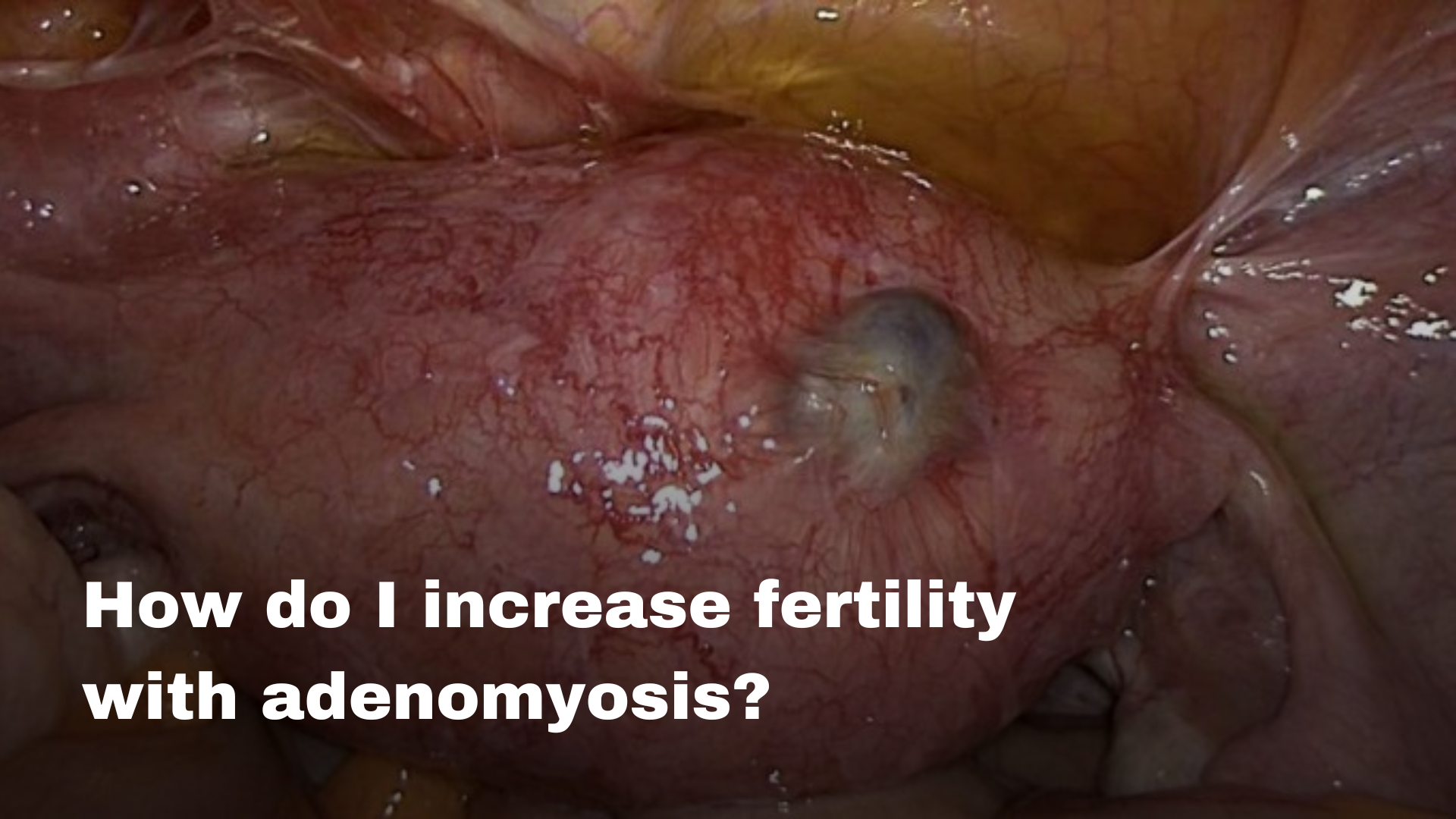
Adenomyosis and Fertility: Can You Get Pregnant?

Adenomyosis and getting pregnant: lower pregnancy rates and more miscarriage after IVF in studies, but many women conceive. Treatment options and next steps.

Written by the Fertility Cloud medical team. Medically reviewed by Dr. Gary Levy, board-certified reproductive endocrinologist and infertility specialist. Last reviewed: 15 November 2026.

Short answer: Many women with adenomyosis conceive, but it is linked to lower pregnancy rates and more miscarriage after IVF. Treatment options exist but evidence is limited. Your fertility doctor should individualize your plan.

What the research shows

A 2021 review of 17 studies found adenomyosis linked to lower clinical pregnancy (odds ratio 0.69) and more miscarriage (odds ratio 2.17) after assisted reproduction. A 2022 cohort found a lower live birth rate in women with adenomyosis (26 versus 31.5 percent). Studies vary in how adenomyosis is diagnosed.

Options sometimes discussed

  • Pre-treatment with a GnRH agonist before IVF; evidence is mixed.
  • Surgery to remove affected tissue; evidence is limited and surgery has risks for later pregnancy, including placenta problems and uterine rupture.
  • Treating coexisting endometriosis or fibroids.
  • Fertility treatment if you do not conceive after time.

Ask for an ultrasound or MRI and a personalized plan. See our endometriosis and infertility guide, tubal and uterine problems guide and female fertility tests guide.

Frequently asked questions

Can I get pregnant with adenomyosis?

Yes, many women do, but chances may be lower.

Does it raise miscarriage risk?

Studies show more miscarriage after IVF.

Is surgery an option?

It is sometimes discussed, but evidence is limited and it has risks.

Does IVF work?

It can, but outcomes may be lower. Ask about a personalized plan.

Sources

Your subscription could not be saved. Please try again.
Your subscription has been successful.

Stay Informed

Subscribe to our newsletter to receive treatment updates