
Discover why fertility specialists recommend combination therapy and learn when letrozole and clomid are prescribed together to overcome ovulation resistance.
When Are Letrozole and Clomid Prescribed Together?
The question of when letrozole and clomid are prescribed together comes up frequently in my practice. The answer is more nuanced than most online resources suggest. This isn’t a default combination: it’s a targeted strategy reserved for specific clinical scenarios where monotherapy has fallen short. Too many patients arrive at their first fertility consultation assuming they’ll start with one pill and simply add another if it doesn’t work. The reality is more deliberate than that. Understanding why these two medications are sometimes combined can help you advocate for the right treatment plan.
If your provider is prescribing both medications without a clear clinical rationale or proper monitoring, that’s a red flag. This combination has genuine merit in the right circumstances. It demands careful oversight from a reproductive endocrinologist who understands the hormonal interplay at work.
Understanding Letrozole and Clomid: How Each Medication Actually Works
Letrozole and Clomid are the two most commonly prescribed oral fertility medications. While they both aim to induce ovulation, they get there through entirely different pathways. This distinction matters because it’s the basis for combining them.
Letrozole
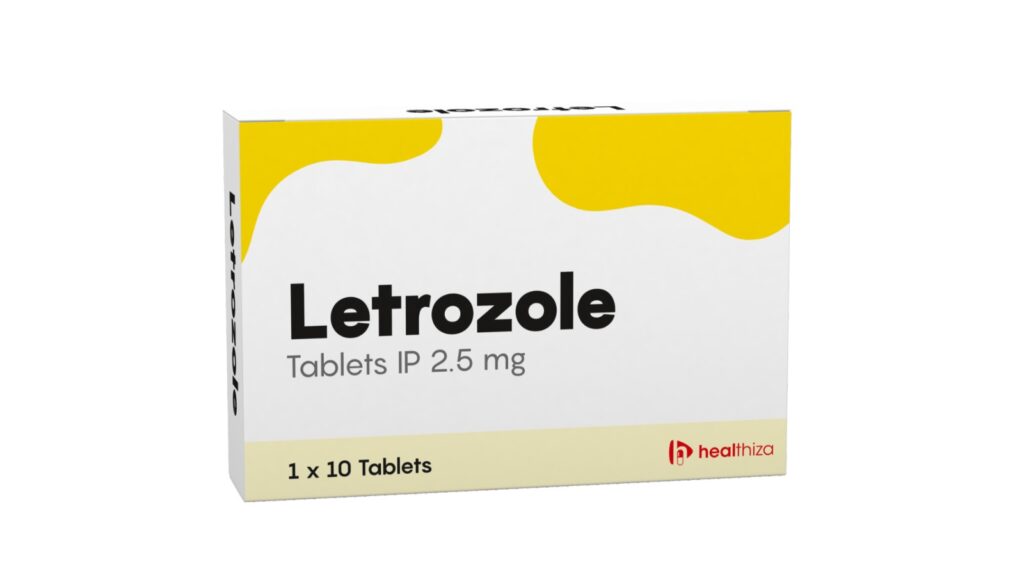
Letrozole is an aromatase inhibitor. It works by blocking the enzyme responsible for converting androgens into estrogen in the ovaries. When estrogen levels drop, the pituitary gland responds by increasing production of follicle-stimulating hormone (FSH) and luteinizing hormone (LH). This hormonal surge stimulates the ovaries to develop follicles and ultimately release an egg. Clinical data from 2025 and early 2026 continues to confirm that letrozole is particularly effective for women with polycystic ovary syndrome (PCOS), with ovulation rates reaching 60-80% per cycle in this population. The side effect profile is comparatively mild: most women report fewer hot flashes and less endometrial thinning than with Clomid.
Clomid
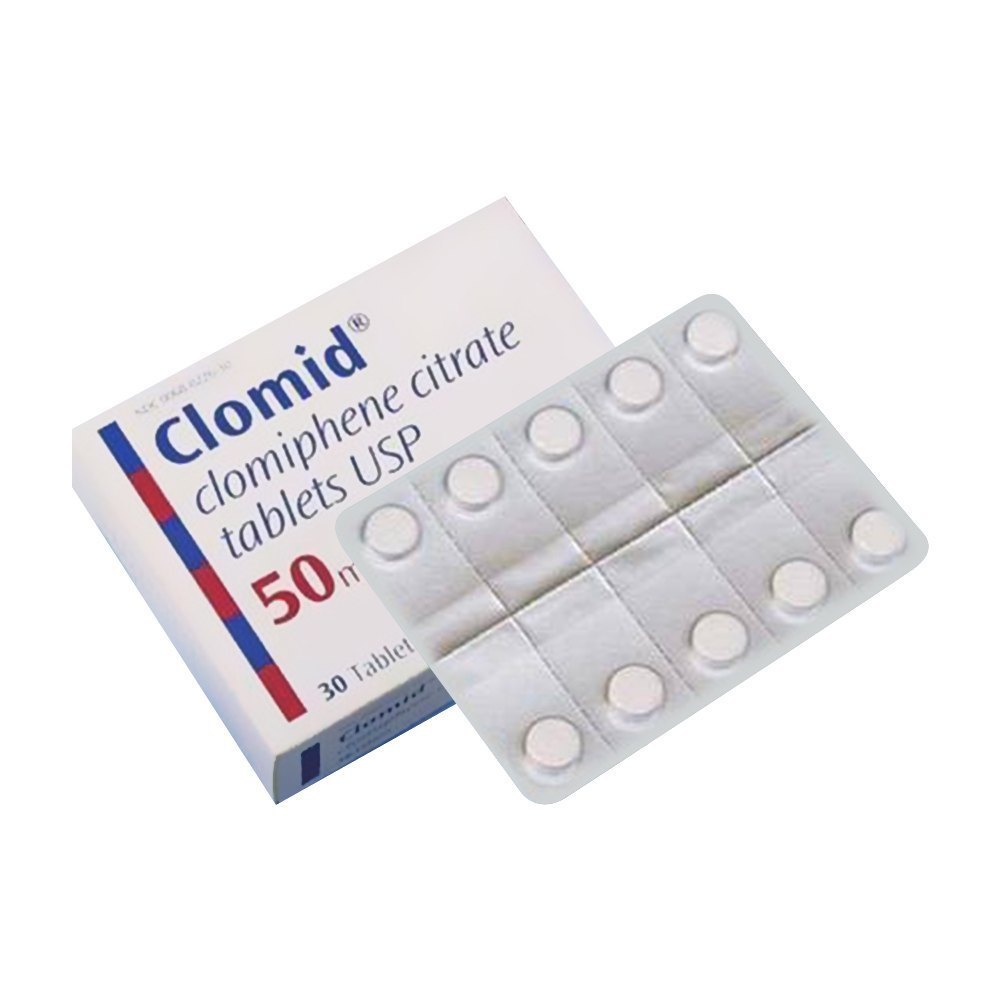
Clomid (clomiphene citrate) takes a different approach. It’s a selective estrogen receptor modulator (SERM) that binds to estrogen receptors in the hypothalamus. The brain essentially perceives a drop in estrogen, even though actual levels haven’t changed, and compensates by releasing more GnRH. This triggers FSH and LH secretion. Clomid has been a mainstay in fertility medicine since the 1960s, and for good reason. It induces ovulation in roughly 70-80% of anovulatory women. But it’s not without drawbacks. Prolonged use beyond six cycles is associated with diminishing returns. The anti-estrogenic effects on the endometrium and cervical mucus can actually work against conception in some patients.
The choice between these medications, or the decision to combine them, depends on your specific hormonal profile, your diagnosis, your age, and how you’ve responded to previous treatment cycles. A 29-year-old with PCOS who hasn’t tried either medication is in a completely different situation than a 37-year-old who has completed three cycles of Clomid without success.
Indications for Combined Use: Who Actually Benefits from Both Medications
The combined use of letrozole and clomid together is typically reserved for a specific subset of fertility patients. This isn’t a first-line approach, and any provider suggesting it before trying monotherapy should explain their reasoning clearly.
Women with Clomid-Resistant PCOS
The most common indication is PCOS patients who have failed to ovulate on Clomid alone, even at escalated doses up to 150 mg. I’ve seen patients who completed five or six cycles of Clomid with no ovulatory response, only to achieve mature follicular development within one or two cycles of combination therapy. The 2026 ASRM practice guidelines continue to position letrozole as the preferred first-line agent for PCOS-related anovulation, but when neither medication works independently, the combination becomes a reasonable next step before moving to injectable gonadotropins.
Patients Over 35 with Diminishing Time
For women over 35, the calculus changes. Time is a finite resource. Spending six months on sequential monotherapy trials may not be the best use of it. In these cases, some reproductive endocrinologists will prescribe the combination earlier in the treatment timeline to maximize follicular recruitment per cycle. Current data from a 2025 multicenter retrospective study showed that women aged 35-39 using combination oral therapy had a 22% clinical pregnancy rate per cycle, compared to 14% with letrozole alone and 12% with Clomid alone.
Recurrent Pregnancy Loss with Ovulatory Dysfunction
Women who ovulate but produce poor-quality oocytes, particularly those with a history of recurrent early pregnancy loss, may also benefit. The theory is that combining both medications creates a more robust hormonal environment for follicular development, potentially improving egg quality. This is an area where evidence is still accumulating, but early 2026 data from several fertility centers suggests improved embryo grading in IVF cycles where combination oral therapy was used as part of the stimulation protocol.
Inadequate Follicular Response to Single-Agent Therapy
Some women ovulate on monotherapy but produce only a single small follicle that doesn’t reach optimal maturity (typically 18-24 mm). Adding the second medication can increase both the number and size of mature follicles. This is particularly relevant for women planning timed intercourse or intrauterine insemination (IUI), where having two or three mature follicles meaningfully improves pregnancy odds.
The Role of Letrozole in Ovulation Induction: Why It’s Become the Preferred First Choice
Letrozole has overtaken Clomid as the first-line ovulation induction agent in most fertility practices, and the evidence supporting this shift is substantial. A landmark trial published in the New England Journal of Medicine established letrozole’s superiority for PCOS patients, and subsequent studies through 2025-2026 have only reinforced these findings.
The medication is typically administered at 2.5 mg to 7.5 mg daily for five days, starting on cycle day 3, 4, or 5. What makes letrozole particularly attractive is its short half-life of approximately 45 hours. By the time ovulation occurs, the drug has largely cleared the system, which means less sustained impact on the endometrial lining compared to Clomid’s longer half-life.
Clinical studies from 2026 show that letrozole produces a thicker endometrial lining (averaging 8.2 mm versus 6.9 mm with Clomid at the time of ovulation trigger), which is critical for implantation. The medication also tends to produce a more physiologic single dominant follicle pattern, reducing the risk of high-order multiple pregnancies to approximately 3-5%, compared to 8-10% with Clomid.
Letrozole’s Expanding Role in IVF Protocols
Beyond standard ovulation induction, letrozole is increasingly incorporated into IVF stimulation protocols. For women with estrogen-sensitive conditions like endometriosis, or those at elevated risk for ovarian hyperstimulation syndrome (OHSS), adding letrozole to the stimulation protocol helps keep estradiol levels lower while maintaining adequate follicular recruitment. Data from 2025-2026 IVF cycles shows that letrozole-supplemented protocols reduced OHSS incidence by approximately 40% in high-risk patients without compromising egg retrieval numbers.
For women with obesity (BMI over 30), letrozole also appears to perform better than Clomid. A 2026 analysis of over 3,200 ovulation induction cycles found that obese women on letrozole had ovulation rates of 62%, compared to 48% on Clomid. This difference likely relates to letrozole’s mechanism: since it reduces peripheral estrogen production (which is elevated in women with higher body fat), it addresses a specific hormonal imbalance that Clomid simply doesn’t target.
How Clomid Complements Letrozole: The Science Behind the Combination
The rationale for combining these medications isn’t just “more is better.” It’s based on the fact that they work through complementary pathways. Letrozole reduces estrogen production at the ovarian level, while Clomid blocks estrogen signaling at the hypothalamic level. Together, they create a dual-pronged stimulus for gonadotropin release that neither achieves alone.
Think of it this way: letrozole tells the body “estrogen is low, make more FSH,”. Clomid tells the brain “I can’t detect estrogen, release more GnRH.” The combined signal is stronger and more sustained, leading to greater FSH and LH output from the pituitary gland. This translates to more vigorous follicular development.
I’ve seen patients who produced no follicles larger than 12 mm on maximum-dose Clomid alone, then developed two or three follicles measuring 18-22 mm within the first combination cycle. That kind of response shift is not unusual.
The differing side effect profiles also work in the combination’s favor. Clomid’s anti-estrogenic effects on the endometrium are partially offset by letrozole’s tendency to preserve endometrial thickness. In combination protocols, average endometrial thickness at trigger tends to fall between the two monotherapy values. Typically around 7.5-8.0 mm, which is adequate for implantation in most cases.
Potential Benefits of Using Both Medications Together
The clinical advantages of combination therapy are measurable:
- Higher ovulation rates: 2026 data shows ovulation rates of 75-85% in Clomid-resistant patients using combination therapy, compared to 40-50% with dose escalation of either drug alone
- Increased mature follicle count: Average of 2.1 mature follicles per cycle versus 1.3 with monotherapy
- Improved oocyte quality: Measured by fertilization rates and embryo grading in IVF cycles
- Better pregnancy rates: Clinical pregnancy rates of 18-25% per cycle in appropriately selected patients
- Reduced time to conception: Average of 2.8 cycles to conception versus 4.1 cycles with sequential monotherapy trials
The safety profile remains favorable. The combination doesn’t significantly increase the risk of OHSS compared to either medication alone. Though the multiple pregnancy rate does rise modestly to approximately 10-12%. This is why ultrasound monitoring is non-negotiable during combination cycles.
There’s also a cost consideration that patients appreciate. A cycle of combination oral therapy typically runs $200-$400 for medications plus monitoring, compared to $2,000-$5,000 for injectable gonadotropin cycles. For patients without comprehensive fertility coverage, and that’s still the majority in states like Texas, Florida, and Georgia, this price difference is significant.
Dosage Guidelines for Letrozole and Clomid Combination Therapy
Standard combination protocols typically follow this pattern:
Clomid is prescribed at 50-100 mg daily for five days, beginning on cycle day 3 or 5. Letrozole is administered at 2.5-5 mg daily, often overlapping with the Clomid days or staggered slightly. Some protocols run both medications simultaneously (cycle days 3-7), while others use a sequential approach (Clomid days 3-7, letrozole days 5-9, or vice versa).
The specific dosing depends on your provider’s protocol and your individual response. A woman who ovulated on 50 mg Clomid but didn’t conceive might add 2.5 mg letrozole, while a Clomid-resistant patient might start with higher doses of both. Your reproductive endocrinologist should adjust based on follicle monitoring and estradiol levels.
Strict adherence to prescribed dosages is essential. Self-adjusting doses or timing without medical guidance can lead to excessive follicular recruitment and increase the risk of high-order multiples. Every combination cycle should include at least one transvaginal ultrasound between cycle days 10-14 to assess follicular response and endometrial thickness.
Monitoring and Managing Side Effects of Combined Treatment
Side effects from combination therapy are generally manageable but require attention. The most commonly reported symptoms include:
Hot flashes affect roughly 30-40% of patients and are usually mild. Headaches occur in about 20% of cycles and typically respond to standard analgesics. Mood changes, including irritability and emotional sensitivity, are reported by approximately 25% of women. Abdominal bloating and mild pelvic discomfort are common during the follicular development phase.
The serious concern is ovarian hyperstimulation. While rare with oral medications alone, the combination does increase the risk slightly. Warning signs include rapid weight gain (more than 2 pounds per day), severe abdominal pain, shortness of breath, and decreased urine output. Any of these symptoms warrant immediate contact with your fertility clinic.
Your provider should schedule follow-up appointments to track your response. Typically, this means a baseline ultrasound on cycle day 2 or 3, a monitoring ultrasound around cycle day 10-12, and possibly a third scan if follicular development is slower than expected. Blood work measuring estradiol, LH, and progesterone helps confirm ovulation and guide the timing of intercourse or IUI.
Research Insights: What the 2026 Evidence Tells Us
The evidence base for combination oral fertility therapy continues to grow. A 2025 systematic review analyzing 14 randomized controlled trials involving over 4,800 patients found that combination letrozole-Clomid therapy produced statistically significant improvements in ovulation rates (OR 2.4, 95% CI 1.8-3.2) and clinical pregnancy rates (OR 1.7, 95% CI 1.3-2.2) compared to Clomid monotherapy in anovulatory women.
A separate 2026 prospective cohort study from three academic fertility centers reported that combination therapy was most effective in women under 38 with an antral follicle count above 8 and AMH levels above 1.0 ng/mL. For women outside these parameters, the incremental benefit over monotherapy was smaller, and injectable gonadotropins may be more appropriate.
Research into optimal dosing protocols is ongoing. Preliminary data from a 2026 trial comparing simultaneous versus sequential administration suggests that sequential protocols (letrozole first, then Clomid) may produce slightly more uniform follicular cohorts, though the pregnancy rate difference hasn’t reached statistical significance yet.
What This Means for Your Treatment Plan
If you’re considering or have been offered combination letrozole and Clomid therapy, here’s what I’d recommend:
First, make sure you’re working with a board-certified reproductive endocrinologist, not just an OB-GYN who “does some fertility.” The monitoring requirements for combination therapy demand expertise in follicular tracking and hormonal interpretation. Verify your provider’s board certification through the ABOG website.
Second, ask about the specific protocol being used and why. Your provider should be able to explain why combination therapy is indicated for your particular situation, what the expected response should look like, and at what point they’d recommend transitioning to a different approach.
Third, don’t accept a “try it and see” approach without proper monitoring. Every combination cycle needs ultrasound surveillance. If your clinic doesn’t offer this, find one that does. For patients in rural areas, telemedicine fertility consultations paired with local monitoring ultrasounds can bridge the gap: I’ve worked with patients in states like Wyoming and Montana who drive to regional imaging centers for scans while managing the rest of their care virtually.
The combination of letrozole and Clomid represents a genuine therapeutic option for the right patient. It’s not a magic solution, and it’s not appropriate for everyone. But for women who have hit a wall with single-agent therapy, it offers a meaningful step forward before escalating to more invasive and expensive treatments. That’s worth understanding clearly, and worth discussing honestly with your fertility team.